


🌿 Natur & Wildnis👨👩👧👦 Familien
Camping Guide | Schleswig-Holstein
Camping between the North and Baltic Seas
Deutschland, 🇩🇪 Deutschland
Camping Guide | Schleswig-Holstein
The salty breeze of the North Sea blows over green dikes, while seagulls cry and sheep graze. Camping in Schleswig-Holstein means experiencing freedom between two seas. Here, where the horizon is wide and the air is clear, you'll find a unique blend of maritime serenity and Nordic nature. Discover charming coastal towns, historic cities, and a camping landscape that offers something for every taste. From relaxed days at the beach to active excursions inland – Schleswig-Holstein is a paradise for camping holidays.
💡There are no overcrowded tourist traps here, just honest hospitality.
The Region in Detail
Your comprehensive travel guide for camping Schleswig-Holstein.
Location & Arrival in Schleswig-Holstein
Schleswig-Holstein, Germany's northernmost state, is nestled between the North Sea to the west and the Baltic Sea to the east. It borders Hamburg and Lower Saxony to the south and Denmark to the north. This unique location makes the region an attractive destination for camping vacationers who want to experience both the rugged North Sea and the gentler Baltic Sea.
Arriving by car is straightforward via the well-developed motorways. From the south, the best way to reach Schleswig-Holstein is via the A7, which runs from the Danish border down to Füssen in the Allgäu. Coming from the Ruhr area, the A1 is a good option, leading through Bremen and Hamburg into Schleswig-Holstein. There are currently no tolls on German motorways, but the A7 can be very busy in sections, especially during holiday periods. Alternatively, you can use the A21 to bypass Hamburg. Those arriving from the direction of Berlin should take the A24 to Hamburg and then switch to the A7 or A1.
Schleswig-Holstein is also easily accessible by train. Deutsche Bahn offers regular connections from all major German cities to Kiel, Lübeck, and Flensburg. From there, regional trains and buses take you to the various campsites in the region. The nearest airport is Hamburg (HAM), from where you can take the S-Bahn to Hamburg city center and then continue by train to Schleswig-Holstein. There are also some smaller airports in the region, such as Sylt (GWT), which are mainly served by domestic airlines.
Within Schleswig-Holstein, it is best to get around by car or bicycle. Many campsites also offer bicycle rentals. The public transport network is well-developed, but buses and trains in rural areas are not as frequent as in the cities. For trips to the islands, it is recommended to use the ferries that depart regularly from various ports. Popular ferry connections exist, for example, from Dagebüll to Föhr and Amrum or from Schlüttsiel to Hallig Hooge.
Overview of the Sub-regions
Schleswig-Holstein can be roughly divided into different sub-regions, each with its own charm and special features. The west coast, characterized by the rugged North Sea and the Wadden Sea, is a paradise for nature lovers and families. Here you will find places like St. Peter-Ording, known for its endless sandy beach and characteristic pile dwellings, as well as Büsum, a traditional fishing village with a lively harbor. Husum, the 'gray city by the sea,' impresses with its historic town center and picturesque harbor. The islands of Sylt, Föhr, and Amrum are also popular destinations for camping holidays, but also offer a more exclusive ambiance.
The east coast, on the other hand, is gentler and more varied. Here, seaside resorts line up like pearls on a string, including Grömitz, Timmendorfer Strand, and Travemünde. Lübeck Bay is particularly popular with families, as the water here is shallower and there are many child-friendly offers. Holstein Switzerland (Holsteinische Schweiz), a rolling landscape of hills with numerous lakes, invites you to go hiking and cycling. Plön, Eutin, and Malente are charming towns with historic castles and parks. The island of Fehmarn, connected to the mainland by a bridge, is also a popular destination for campers, especially for water sports enthusiasts.
The inland of Schleswig-Holstein is characterized by wide fields, green meadows, and small villages. Here you will find peace and relaxation away from the hustle and bustle of the coastal towns. Rendsburg, Schleswig, and Itzehoe are historic cities with old towns and museums worth seeing. The Kiel Canal (Nord-Ostsee-Kanal), the world's busiest artificial waterway, is also an attraction not to be missed. The region is ideal for camping vacationers seeking nature and rural idyll. Many farms offer pitches for motorhomes and tents.
For families with children, the east coast with its shallow beaches and numerous leisure activities is particularly suitable. Water sports enthusiasts will find ideal conditions for sailing, surfing, and kiting on the Baltic Sea and on Fehmarn. Nature lovers will get their money's worth on the west coast and inland. Couples and those seeking peace will find the perfect environment to escape everyday life in the small villages and on the islands. No matter what your preferences are, Schleswig-Holstein offers the right camping experience for every taste.
Camping in Schleswig-Holstein: What to Expect?
The camping landscape in Schleswig-Holstein is diverse and offers the right spot for every taste and budget. In total, there are around 300 campsites in the region, many of which are located directly on the coast. You will find large resort sites with extensive infrastructure and entertainment as well as small, nature-oriented sites perfect for those seeking peace and quiet. Agritourism/farm camping is also becoming increasingly popular. Many farms offer simple pitches for motorhomes and tents, allowing you to experience country life up close. For motorhome owners, there are also numerous dedicated pitches, often equipped with supply and disposal stations.
Prices for a pitch vary depending on the season, location, and facilities. In the high season (July/August), you should expect prices between 25 and 40 euros per night for a pitch for two people. In the low season (May/June and September/October), prices are often significantly cheaper, ranging between 15 and 25 euros per night. Many campsites also offer special deals for families or longer stays.
The size of typical pitches also varies. On larger campsites, pitches are often parceled and between 80 and 120 square meters in size. On smaller, nature-oriented sites, pitches are often slightly smaller and less defined. Many pitches offer shade from trees or shrubs, but there are also sunny pitches for sun worshippers.
The infrastructure of the campsites is generally good. Sanitary facilities are usually clean and modern, but there are also simpler sites with older facilities. Many campsites offer Wi-Fi, but quality can vary depending on location and occupancy. Electricity connections are available at most pitches; the usual current is 6 or 10 amps. It is advisable to bring an adapter for German sockets.
Especially in the high season, it is recommended to reserve your pitch in good time, particularly if you prefer a specific spot or are traveling with a larger group. Many campsites accept reservations online or by phone. Last-minute opportunities often exist in the low season or at smaller, less well-known sites. It is worth comparing different offers to find the right campsite for your needs.
Practical Information for Campers
For a relaxed camping trip to Schleswig-Holstein, it is helpful to know some practical information. There are no tolls on German motorways, but you should keep an eye on fuel prices. Diesel prices in Germany are generally slightly higher than in some other European countries. Petrol stations are sufficiently available along the motorways and in larger cities. Opening hours are usually from 6 am to 10 pm, with some stations open 24 hours.
You can shop in Schleswig-Holstein at numerous supermarkets, discounters, and farm shops. Large supermarket chains like Lidl, Aldi, Rewe, and Edeka are present in almost all towns. Opening hours are usually from 8 am to 8 pm, with some supermarkets open longer. Most shops are closed on Sundays, but there are exceptions in some tourist towns. Farm shops offer regional products such as fruit, vegetables, cheese, and sausages directly from the producer. They are often a bit more expensive than supermarkets, but the quality is usually very good.
Gas supply for your camping stove or heating is not a problem in Schleswig-Holstein. You can exchange German gas cylinders at most DIY stores and camping specialty stores. Adapters are generally not required as German gas cylinders have a standard connection.
Disposal stations for wastewater and chemical toilets can be found at most campsites and motorhome pitches. Fees are usually included in the pitch price. There are also public disposal stations that can be used for a fee.
Mobile network coverage in Schleswig-Holstein is good, but there may be limitations in some rural areas. Roaming is not a problem within the EU, but check your mobile provider's fees beforehand.
Medical care in Schleswig-Holstein is very good. There are doctors and pharmacies in almost all towns. Hospitals can be found in larger cities. The emergency number for rescue services is 112.
There are no special camping regulations or environmental zones in Schleswig-Holstein. However, wild camping is strictly prohibited and punished with high fines. Tap water is generally drinkable, but if in doubt, check with local authorities or the campsite operator.
Insider Knowledge & Secret Tips
Those who want to discover Schleswig-Holstein off the beaten path will find numerous secret tips and insider knowledge. The low season (May/June and September/October) offers many advantages: fewer tourists, lower prices, and a more relaxed atmosphere. Especially in spring, the rapeseed fields bloom and transform the landscape into a yellow sea of color.
A less well-known place is the fishing village of Maasholm on the Schlei. Here you can buy fresh fish directly from the cutter and enjoy it in one of the cozy restaurants. The Eiderstedt peninsula with its green marshes and historic 'Warften' (dwelling mounds) is also worth a visit. Here you will find numerous small campsites and holiday apartments away from mass tourism.
Local markets and direct sales are a good way to get to know regional products. In many places, there are weekly markets where farmers and craftsmen offer their goods. Numerous wineries and farm shops also invite you to tastings and shopping. A special highlight is the Tönning weekly market, which takes place every Saturday and offers a wide selection of fresh fish, fruit, vegetables, and regional specialties.
A culinary tip is Labskaus, a traditional sailor's dish made of cured meat, potatoes, onions, and beetroot. You should definitely try it in one of the rustic restaurants on the coast. Holsteiner cuisine with its hearty dishes like kale and swede stew is also worth a try.
A day trip that is worthwhile is a boat ride to Hallig Hooge. The small island is only accessible by ship and offers a unique natural landscape. Here you can enjoy the peace and vastness of the Wadden Sea and observe rare birds. The travel time from Schlüttsiel is about 1.5 hours and costs approx. 20 euros per person. On the Hallig, there are several restaurants and cafes where you can stop for a bite.
Another secret tip is a visit to the Westerhever Lighthouse. The red-and-white striped tower is one of Schleswig-Holstein's most famous landmarks and offers a breathtaking view over the Wadden Sea. You can reach it via a roughly 2.5-kilometer walk through the salt marshes. Entry costs approx. 5 euros per person.
Experiences & Activities: Schleswig-Holstein
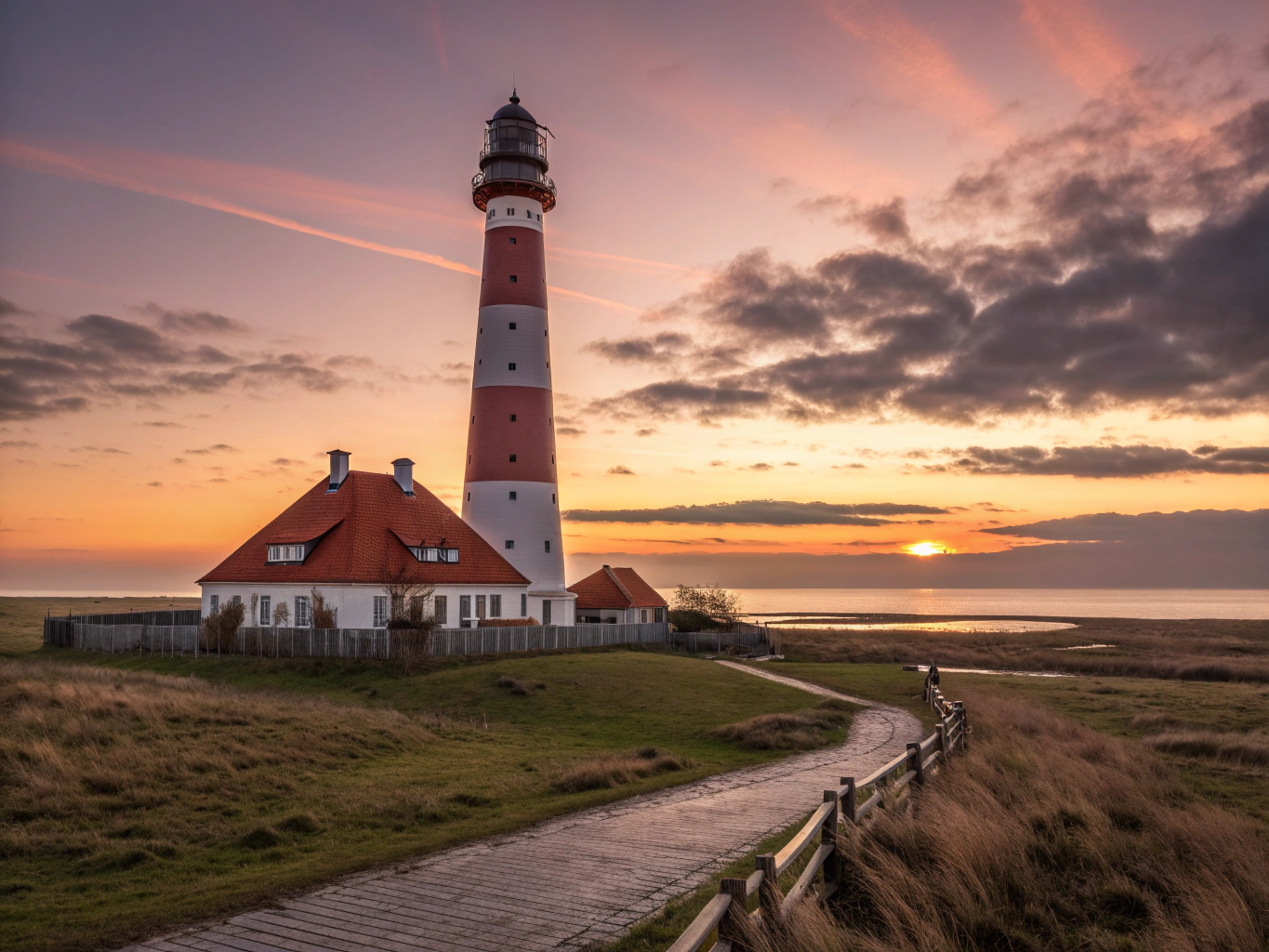
View from Westerhever Lighthouse
⏱️ 2 hoursEasy
Climb the red-and-white striped lighthouse and enjoy the panoramic view over the UNESCO World Natural Heritage Wadden Sea. On a clear day, the view extends to the neighboring islands. An unforgettable experience for nature lovers.
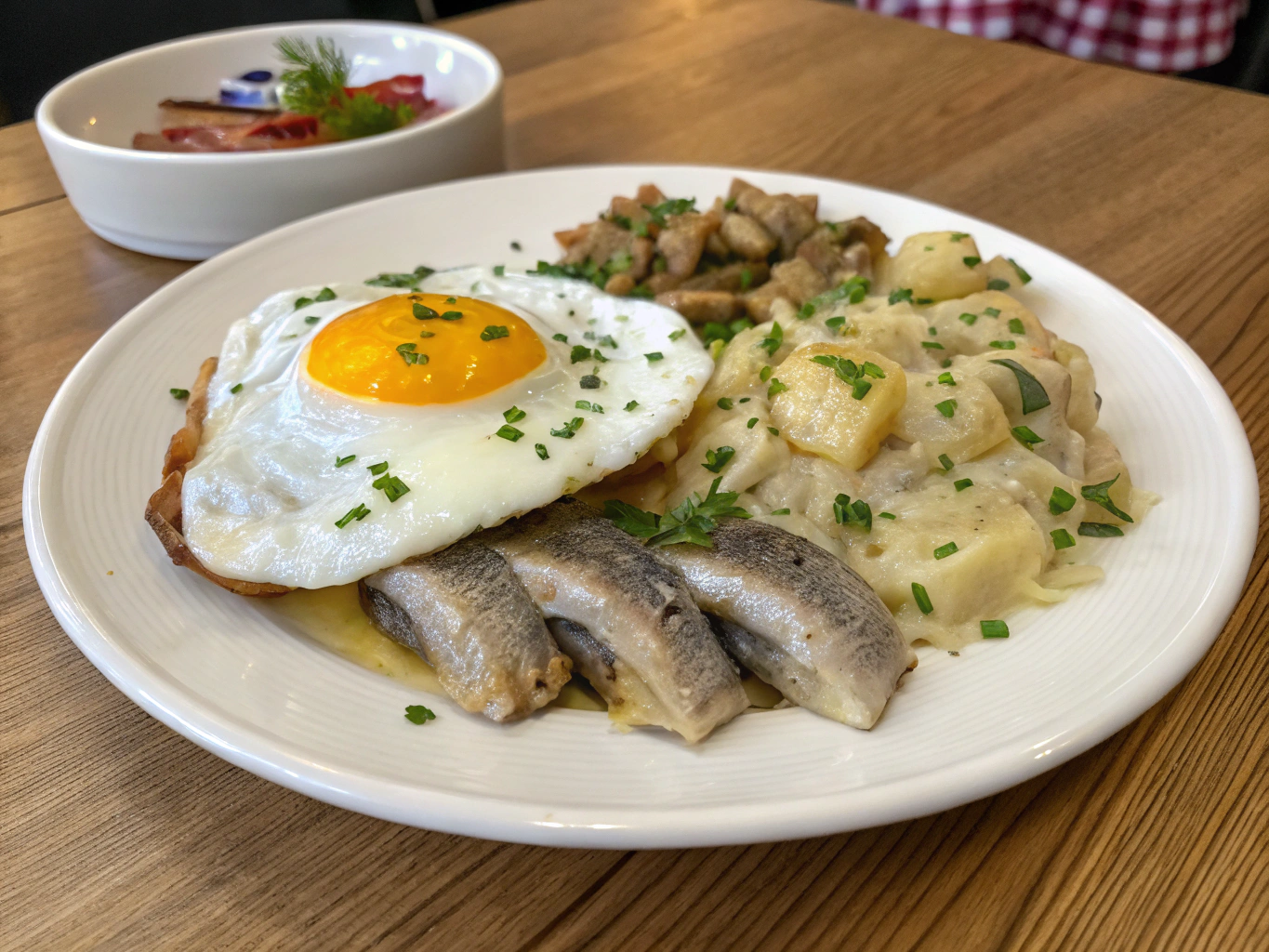
Labskaus in Büsum
⏱️ 1 hourEasy
Try the traditional sailor's dish Labskaus in one of the rustic restaurants at the harbor of Büsum. Let yourself be surprised by the unusual taste and enjoy the maritime atmosphere.
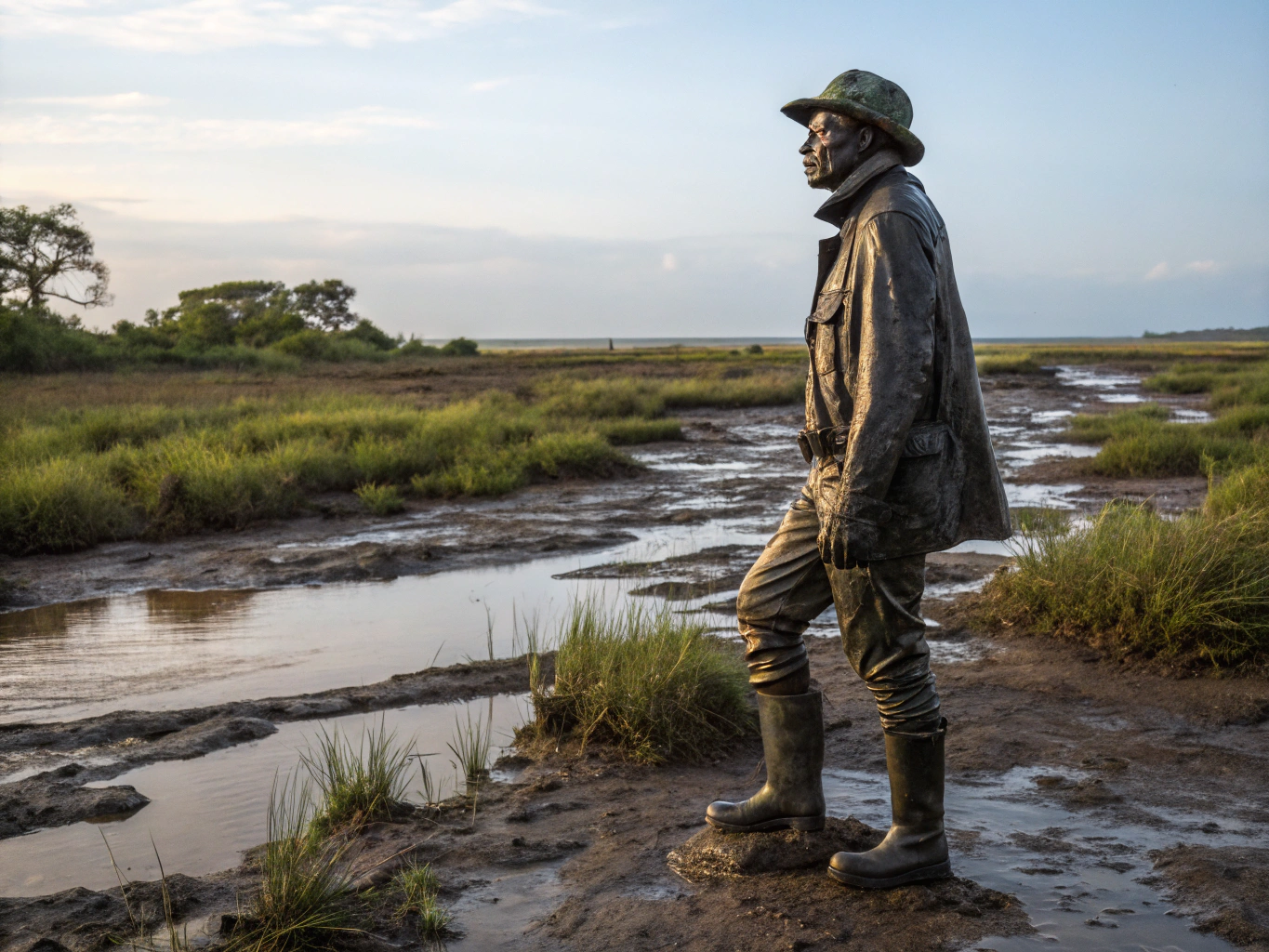
Mudflat Hiking in the National Park
⏱️ 3 hoursModerate
Experience the unique Wadden Sea ecosystem on a guided mudflat hike. Discover the diverse wildlife and learn more about the formation and significance of the flats.
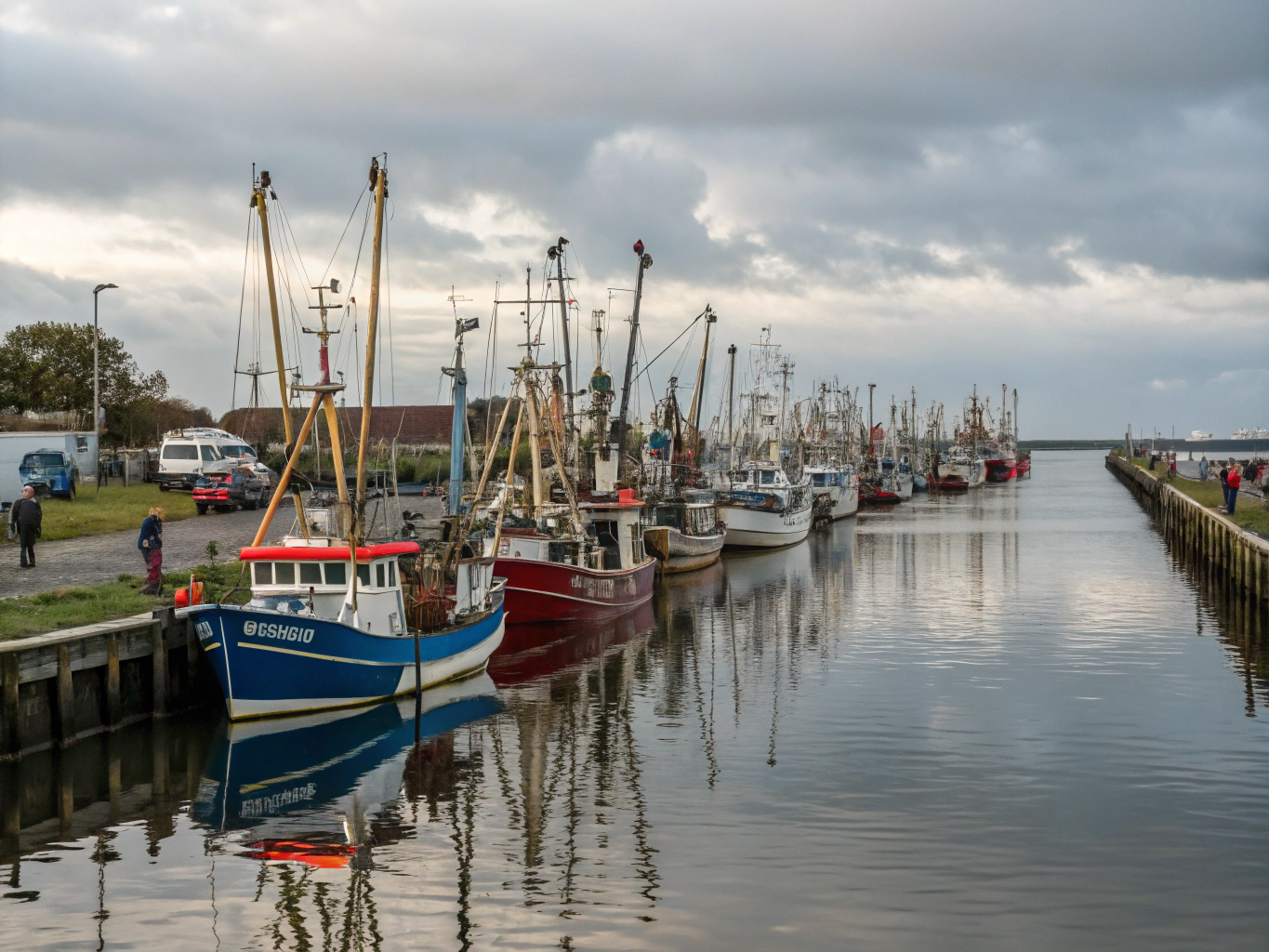
Insider Tip: Maasholm on the Schlei
⏱️ Half-day tripEasy
Discover the idyllic fishing village of Maasholm on the Schlei. Enjoy the peace and vastness of the landscape, buy fresh fish directly from the cutter, and indulge yourself in one of the cozy restaurants.
Facts & Figures
Camping Region Schleswig-Holstein
- 🌍 Country
- 🇩🇪 Deutschland
- 📍 Region
- Schleswig-Holstein
- 🏛️ Province
- Schleswig-Holstein
- ☀️ Climate
- Maritime, mild summers, stormy winters
- 📅 Best Season
- May/June for cycling tours, July/August for beach holidays
- 🌡️ Summer Avg
- 22°C
- 🌸 Spring Avg
- 12°C
- 🏕️ Campsites
- ~300
- ✈️ Airport
- Hamburg (HAM)
- 🚌 Public Transport
- Well-developed bus and train network
- 🌧️ Rainy Days
- 12 days per month
- 🚗 From Munich
- 8 hrs / 800 km via A7
- 🚗 From Hamburg
- 1.5 hrs / 150 km via A7
- 💰 Price Level
- €€ / Moderate, seasonal fluctuations
- 🐕 Dogs
- Top / Many campsites offer dog areas and exercise opportunities.
- 🎯 Suitable For
- Nature loversFamiliesWater sports enthusiasts
🚦 Occupancy by Month
Jan
Feb
Mar
Apr
May
Jun
Jul
Aug
Sep
Oct
Nov
Dec
Quiet Moderate Busy Crowded
 Rent Camper Schleswig-Holstein
 Campsites Schleswig-Holstein