


🌿 Natur & Wildnis👨👩👧👦 Familien
Camping Guide | Schwedische Westküste
Discover Sweden's Coastal Camping
Schweden, 🇸🇪 Schweden
Camping Guide | Schwedische Westküste
Imagine waking up to the sound of the waves and the scent of salt in the air. A special kind of camping holiday awaits you on the Swedish west coast. Here, where rugged archipelago islands and picturesque fishing villages line up, you'll find a unique combination of nature experiences and the Scandinavian way of life. Unlike other European coasts, you'll experience a refreshing peace and vastness here, which is perfect for a relaxing camping holiday.
But beware: once you've experienced the magic of the Swedish west coast, you're guaranteed to come back!
💡Don't expect crowded beaches, but rather untouched nature and campsites with plenty of space.
The Region in Detail
Your comprehensive travel guide for camping Schwedische Westküste.
Location & Arrival to the Swedish West Coast
The Swedish west coast stretches along the provinces of Bohuslän and Halland, starting north of Gothenburg and extending to the border with Norway. It is known for its unique archipelago landscape, characterized by countless small islands and rocky outcrops. Arrival options are varied, with most travelers arriving in their own vehicle to enjoy flexibility on site.
Those traveling by car from Germany have several options. The most common route is via Denmark and either over the Øresund Bridge (toll) or by ferry from Puttgarden to Rødby and further across the islands of Funen and Zealand. From Hamburg, the driving time is about 7 hours (650 km) via the Vogelfluglinie (Puttgarden-Rødby). From Munich, it is about 14 hours (1350 km), also via Denmark. Motorways in Denmark and Sweden are generally well-developed and subject to tolls, where fees for the Øresund Bridge and some bridges in Denmark can be paid online.
Alternatively, arrival by ferry directly to Gothenburg is possible, for example from Kiel with Stena Line. This is particularly comfortable as you can take your vehicle with you and enjoy the sea voyage. From the port in Gothenburg, you can reach the coastal region in a short time.
For air travelers, the nearest international airport is Gothenburg Landvetter Airport (GOT). From there, there are regular bus connections to Gothenburg Central Station, from where you can reach the various coastal towns by regional trains or buses. The travel time from Gothenburg to northern coastal towns like Lysekil or Strömstad is about 1.5 to 2.5 hours.
On site, it is recommended to rent a car or bicycle to explore the region flexibly. While the public transport network is well-developed, the remote archipelago islands are often only accessible by private boat or one of the many ferry connections. The coastal road, also known as Kustvägen, offers a picturesque route along the coast and connects many of the charming fishing villages and campsites.
Overview of the Sub-regions
The Swedish west coast can be roughly divided into three main regions: North Bohuslän, South Bohuslän, and Halland. Each of these regions has its own character and offers different experiences for campers.
North Bohuslän, known for its rugged archipelago landscape, extends from Lysekil to the Norwegian border. Here you will find places like Strömstad, a charming coastal town with a lively ferry connection to the Koster Islands, Sweden's westernmost inhabited archipelago. The Koster Islands are a paradise for nature lovers and offer excellent opportunities for hiking, kayaking, and bird watching. Adventurers and nature lovers who seek the peace and seclusion of the skerries feel particularly at home in this region. Campsites in North Bohuslän are often smaller and closer to nature.
South Bohuslän, south of Lysekil, is somewhat gentler and offers a mix of archipelago landscape and forested areas. Here lie popular places like Marstrand, a historic island with an impressive fortress and a lively sailing center. Kungshamn and Smögen, known for their colorful fishing huts and the famous Smögenbryggan, a long pier with numerous restaurants and shops, are also found here. South Bohuslän is ideal for families and couples looking for a combination of nature experiences and cultural offerings. The campsites here are more diverse, ranging from large resorts with pools to smaller, family-run sites.
Halland, the southernmost region of the Swedish west coast, is characterized by its long sandy beaches and dune landscapes. Here you will find places like Halmstad, a lively city with a wide range of activities and events, and Varberg, known for its well-preserved fortress and surfing opportunities. Halland is particularly popular with families with children who appreciate the shallow beaches and the varied leisure activities. The campsites in Halland are often spacious and offer many amenities for families.
No matter which region you choose, the Swedish west coast offers the right choice for every camping holidaymaker. From remote archipelago islands to busy coastal towns, here you can experience the beauty and diversity of Sweden up close.
Camping on the Swedish West Coast: What to Expect?
The camping landscape on the Swedish west coast is diverse and offers something for every taste. There are an estimated 300+ campsites in the region, many of which are located directly by the sea or in close proximity to the archipelago. The range extends from large resort sites with pools, entertainment, and comprehensive infrastructure to small, nature-oriented sites often run by families. Motorhome pitches are also widespread and offer a flexible alternative to classic camping.
Prices for a pitch vary depending on the season, location, and facilities. In the high season (July/August), you should expect prices between €30 and €50 per night, while in the low season (May/June and September), significantly cheaper offers are often available. A simple pitch without electricity can be available from as little as €20 per night in the low season. Many campsites also offer package deals for longer stays.
The size of typical pitches also varies. On larger resort sites, the plots are often generously sized and offer enough space for a caravan, awning, and car. Smaller, nature-oriented sites often have slightly smaller pitches, but offer more privacy instead. Most pitches are level and covered with grass, some also offer shade from trees or shrubs. It is advisable to ask for the exact dimensions of the pitch when booking to ensure that your caravan or motorhome fits without problems.
The infrastructure on the campsites is generally good. Sanitary facilities are usually clean and well-maintained, even if the standard is not always comparable to that in Germany. Many campsites offer free Wi-Fi, although the quality can vary depending on location and occupancy. Electricity connections are available on most pitches, with the amperage ranging between 6 and 16 amps. It is advisable to bring an adapter for Swedish sockets.
Reserving pitches is highly recommended, especially in the high season, as the most popular campsites are often fully booked early. Many campsites offer online bookings, and some also take reservations by phone. Last-minute chances often exist in the low season or at smaller, less well-known sites. For motorhome drivers, there are also special pitches outside of campsites, which are often cheaper and offer basic infrastructure.
Practical Information for Campers
For a relaxed camping holiday on the Swedish west coast, it is important to note some practical information. Tolls in Sweden are moderate compared to other European countries. Fees apply for the use of the Øresund Bridge between Denmark and Sweden, which can be paid online or on site. Some bridges in Denmark are also subject to tolls. Prices vary depending on the vehicle type and can be viewed on the respective websites.
Diesel prices in Sweden are usually slightly higher than in Germany. Filling stations are sufficiently available along the main roads and in larger towns. Opening hours are mostly generous, and many filling stations are also open on Sundays.
Shopping opportunities exist in the form of supermarkets such as ICA, Coop, and Lidl. Opening hours are similar to those in Germany, with some supermarkets also open on Sundays. For daily needs, there are also smaller grocery stores in the coastal towns.
Gas supply can be problematic for campers, as German gas cylinders cannot be exchanged in Sweden. It is therefore advisable to take a full gas cylinder with you or to get an adapter locally. Some campsites also offer the possibility to rent gas cylinders.
Disposal stations for wastewater and chemical toilets are available on most campsites. It is important to use these stations properly and protect the environment.
Mobile network coverage in Sweden is good, even in coastal regions. Roaming charges within the EU have been abolished, so you can use your German mobile network without problems. For longer stays, buying a Swedish SIM card may be worthwhile.
The medical care in Sweden is good. In larger towns, there are hospitals and pharmacies. It is advisable to take out travel health insurance to be covered in case of an emergency.
When camping in Sweden, some rules must be observed. Wild camping is fundamentally prohibited but is often tolerated in practice as long as you behave considerately and leave no trash. However, it is advisable to stay at official campsites or designated pitches. In some areas, there are environmental zones where certain vehicles are not allowed.
Tap water in Sweden is of high quality and can be drunk without hesitation.
Insider Knowledge & Secret Tips
The Swedish west coast holds some secrets that will make your camping holiday a special experience. An insider tip is the low season in May/June or September. In these months, the weather is often pleasantly mild, the campsites are less crowded, and prices are cheaper. Additionally, you have the opportunity to enjoy nature in peace and get to know the local culture.
Away from the well-known tourist paths, there are many less well-known places and beaches that are worth a visit. An example is the island of Dyrön, which you can reach by ferry from Marstrand. Here you can circle the island on a picturesque hiking trail and enjoy the breathtaking view of the archipelago. Another secret tip is the beach of Apelviken in Varberg, which is particularly popular with surfers.
Local markets and direct sales are a great way to get to know regional products and experience Swedish hospitality. In many coastal towns, there are weekly markets where you can buy fresh fish, vegetables, fruit, and artisanal products. Farm shops, known as Gårdsbutiker, are also widespread and offer regional specialties such as cheese, sausage, and jam.
A culinary must on the Swedish west coast is fresh fish and seafood. Be sure to try the famous Swedish shrimp, which are best bought directly from the cutter and enjoyed with bread and mayonnaise. Smoked salmon, herring in various variations, and fish soup are also absolute highlights.
A day trip that is worth it is the drive to the rock carvings of Tanum, a UNESCO World Heritage site. Here you can marvel at over 3000-year-old rock drawings and learn more about the history of the region. The driving time from Gothenburg is about 1.5 hours.
A restaurant visited by locals is the Hamnkrogen restaurant in Smögen. Here you can enjoy traditional Swedish dishes in a cozy atmosphere. The Bryggan bar in Marstrand is also a popular meeting point for locals and tourists.
Remember, the Swedish west coast is more than just a destination – it's a way of life. Take your time to enjoy nature, find peace, and get to know the Swedish culture.
Experiences & Activities: Schwedische Westküste
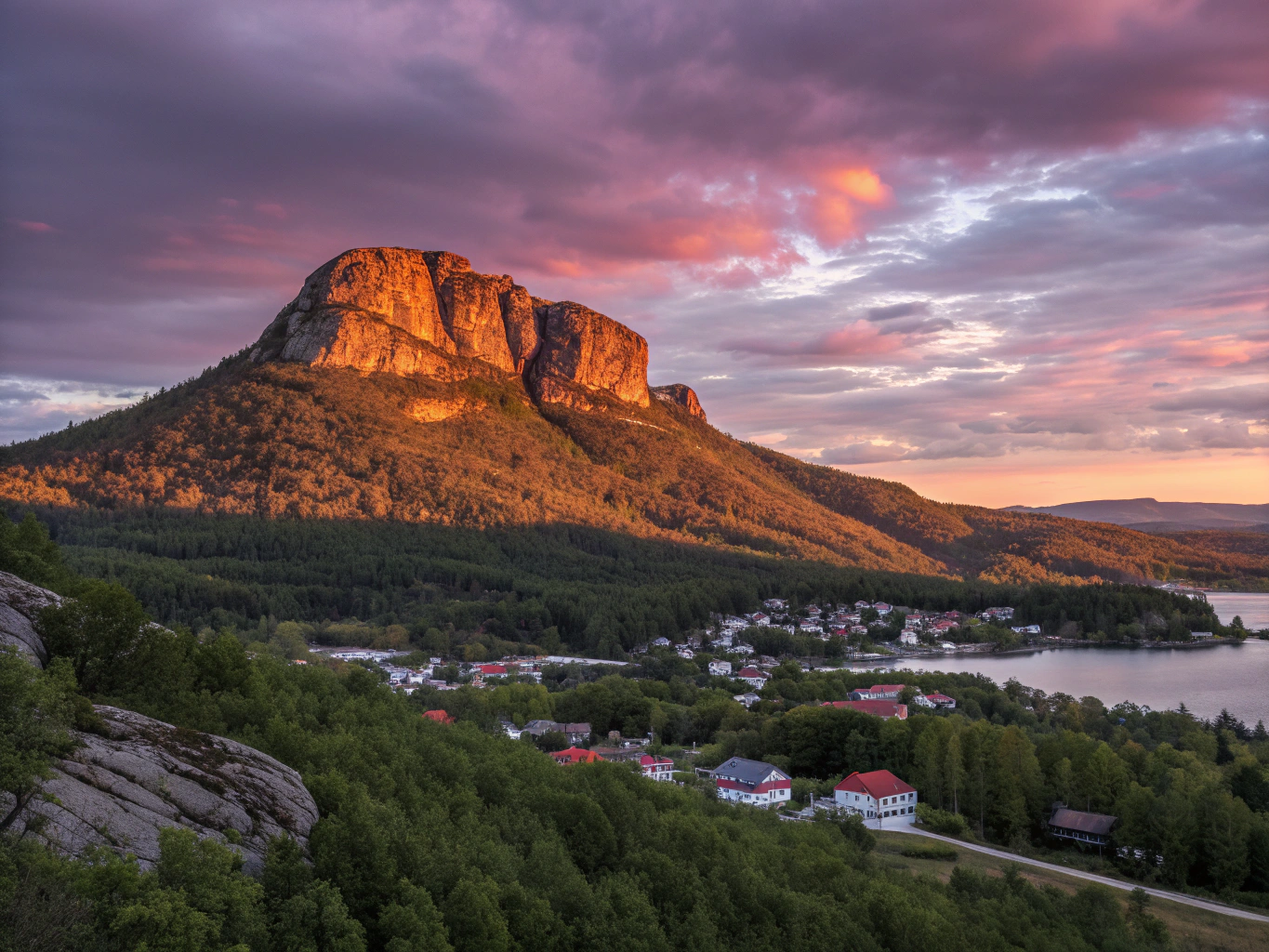
Vetteberget Viewpoint
⏱️ 2-3 hoursModerate
Vetteberget in Fjällbacka offers a breathtaking panoramic view over the archipelago landscape. The climb is moderate, but the view is worth the effort. An unforgettable experience, especially at sunset.
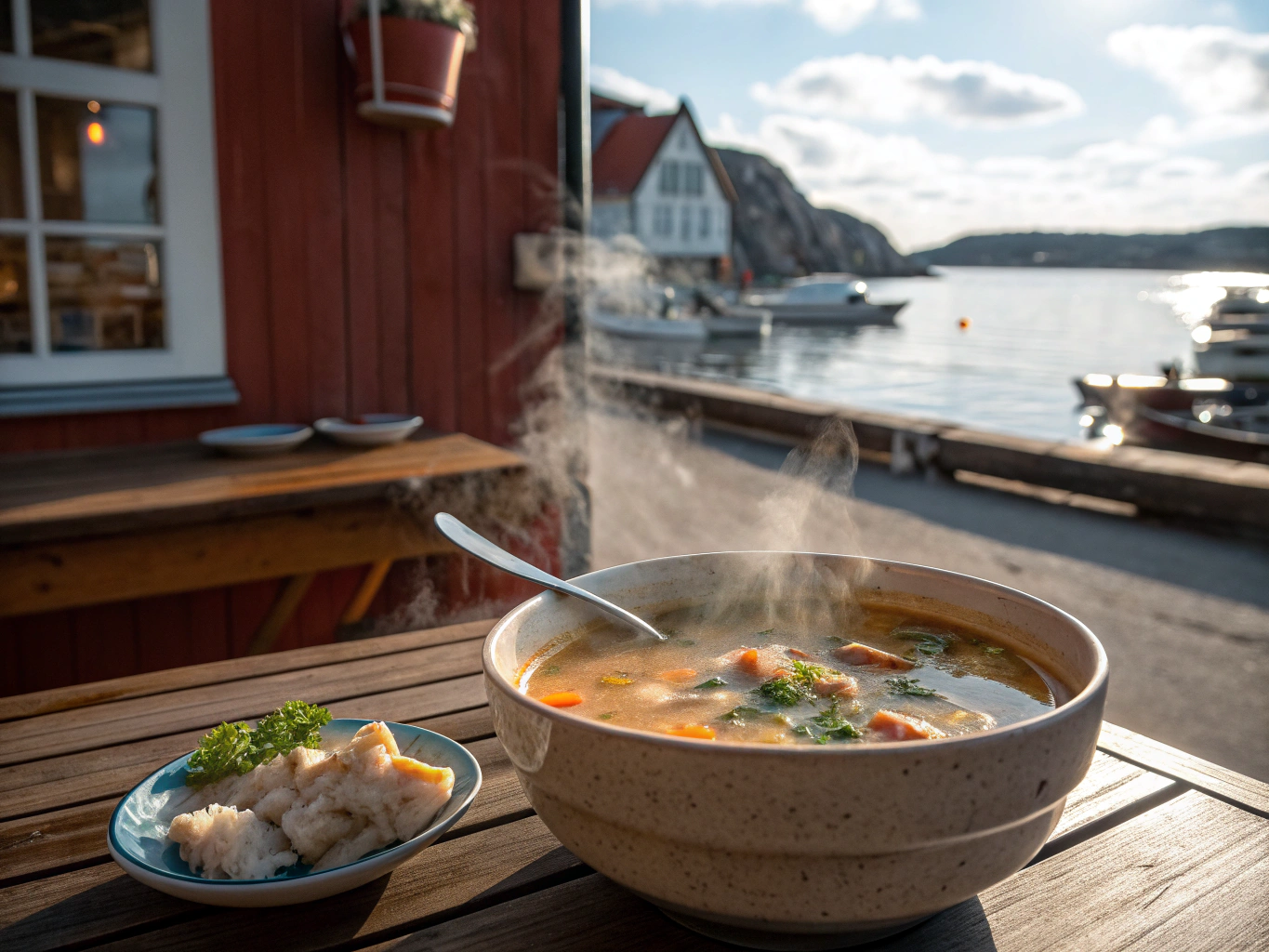
Fisksoppa in Smögen
⏱️ 1 hourEasy
The fish soup in Smögen is a culinary must. Many restaurants offer their own version, but the fresh ingredients and traditional preparation make it a unique taste experience. It is best enjoyed directly at the harbor with a view of the sea.
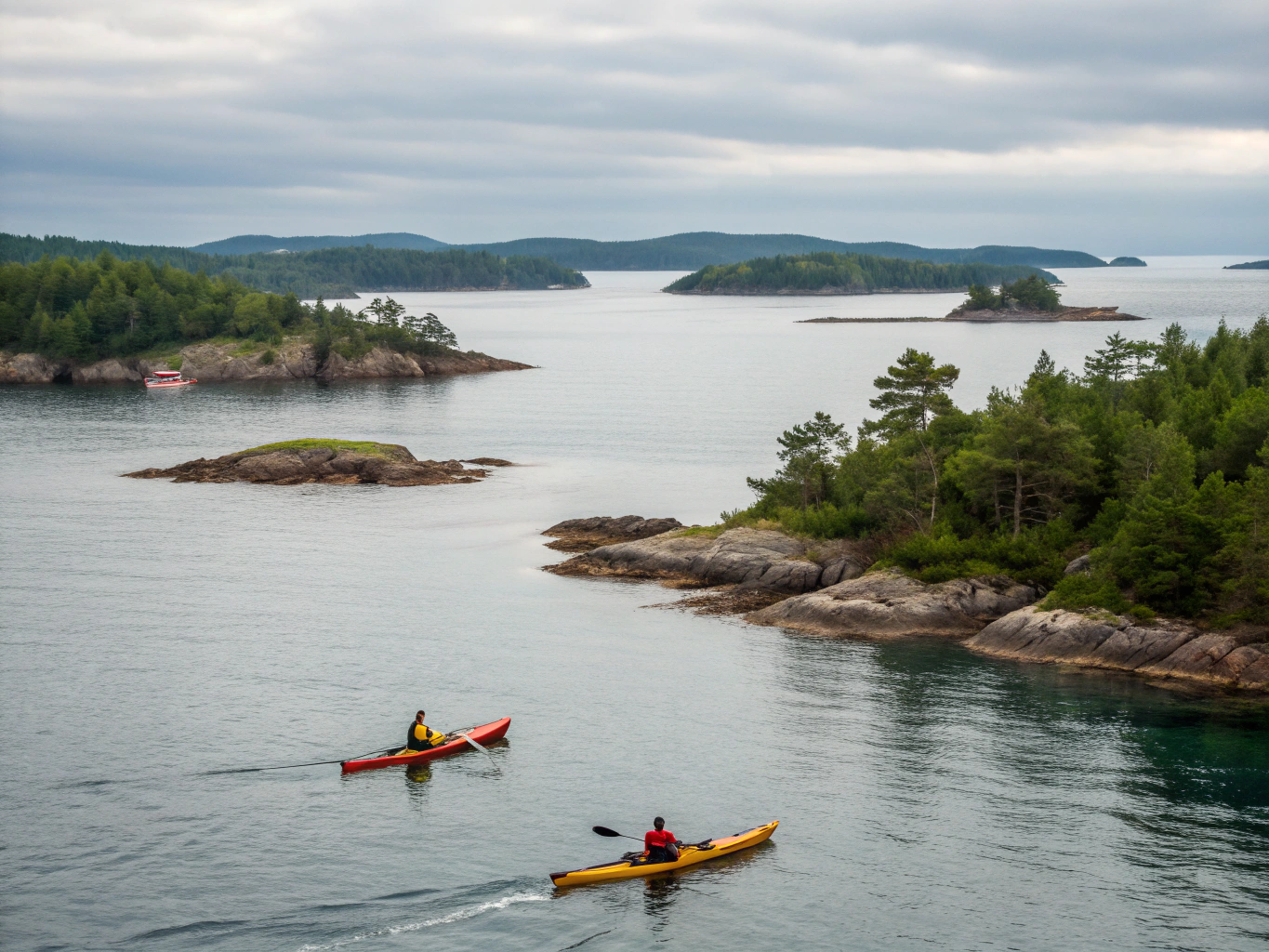
Kayaking in the Archipelago
⏱️ 4-6 hoursModerate
A kayak tour through the archipelago is the perfect way to experience the nature of the Swedish west coast up close. There are many providers offering guided tours or kayak rentals. The difficulty varies depending on the route, but even beginners can enjoy the beauty of the skerries.
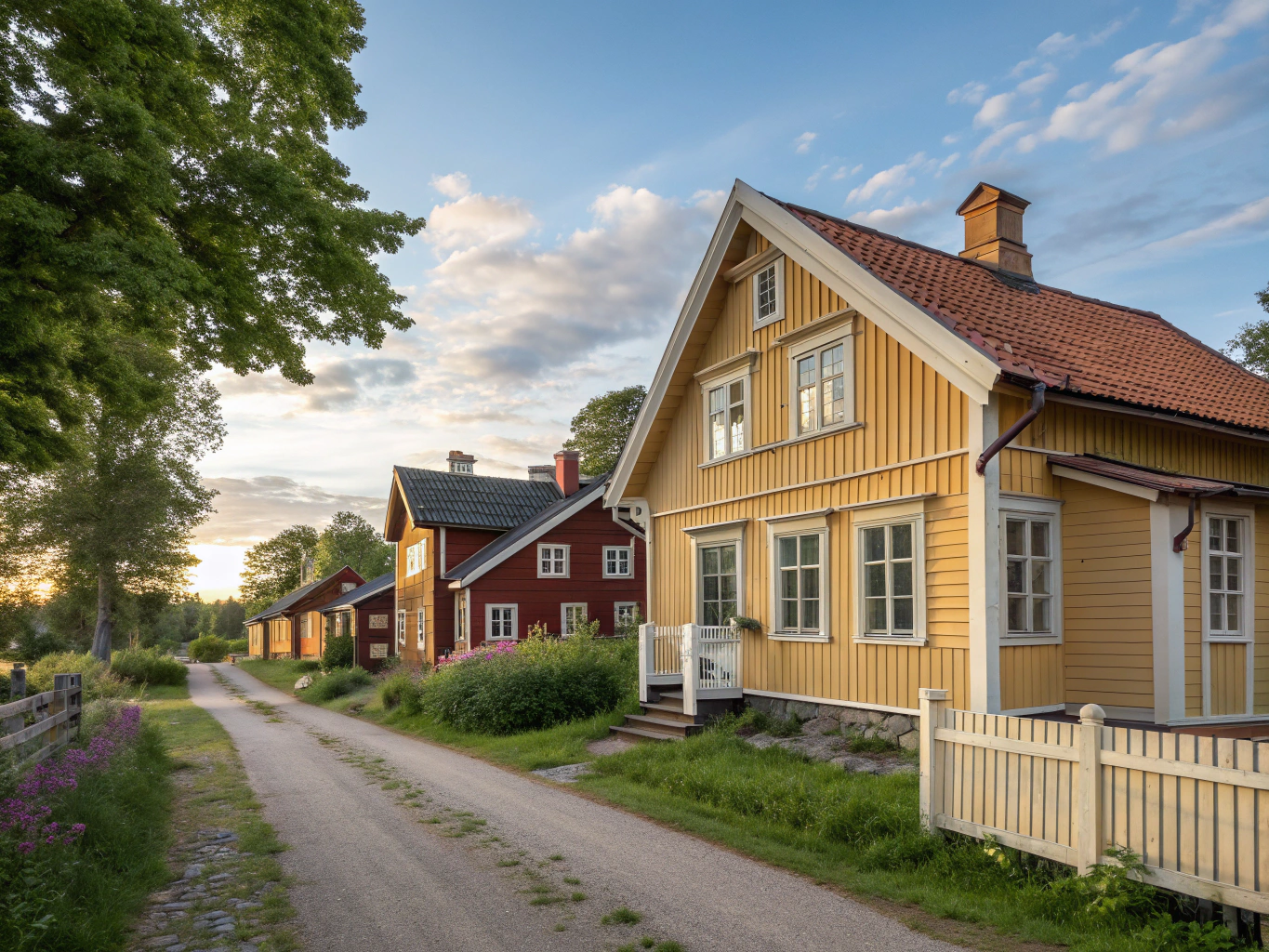
Käringön Island
⏱️ Day tripEasy
Käringön is a car-free island off the coast of Orust. Here you will find picturesque wooden houses, narrow alleys, and a relaxed atmosphere. The island is a secret tip for everyone who wants to escape the hustle and bustle. Reachable by ferry from Tuvesvik.
Facts & Figures
Camping Region Schwedische Westküste
- 🌍 Country
- 🇸🇪 Schweden
- 📍 Region
- Västra Götaland County / Halland County
- 🏛️ Province
- Bohuslän, Halland
- ☀️ Climate
- Temperate maritime, influenced by the Gulf Stream.
- 📅 Best Season
- June/July for warmth, August/Sept for peace
- 🌡️ Summer Avg
- 20°C
- 🌸 Spring Avg
- 12°C
- 🏕️ Campsites
- ~300
- ✈️ Airport
- Gothenburg Landvetter Airport (GOT)
- 🚌 Public Transport
- Well-developed bus network, regional trains along the coast.
- 🌧️ Rainy Days
- approx. 15 days per month in summer
- 🚗 From Munich
- 14 hrs / 1350 km via Puttgarden-Rødby
- 🚗 From Hamburg
- 7 hrs / 650 km via Puttgarden-Rødby
- 💰 Price Level
- €€ / Moderate, but seasonal
- 🐕 Dogs
- Top / Many beaches and campsites are dog-friendly.
- 🎯 Suitable For
- Nature loversFamiliesWater sports enthusiasts
🚦 Occupancy by Month
Jan
Feb
Mar
Apr
May
Jun
Jul
Aug
Sep
Oct
Nov
Dec
Quiet Moderate Busy Crowded
 Rent Camper Schwedische Westküste
 Campsites Schwedische Westküste