


🏖️ Lake & Coast👨👩👧👦 Familien🧖 Wellness & Erholung
Camping Guide | Tessin
Camping Holiday with a Touch of Dolce Vita
Tessin, 🇨🇭 Schweiz
Camping Guide | Tessin
The sun tickles your skin, the scent of pine trees fills the air, and the gentle lapping of Lake Maggiore lulls you to sleep. Welcome to camping in Ticino! This region combines alpine charm with Mediterranean flair, offering a unique holiday experience. Unlike the more northern cantons of Switzerland, you can already feel the Italian influence here – both culinarily and culturally. Enjoy the relaxed atmosphere and discover the diversity of Ticino, from deep blue lakes to rugged mountain landscapes.
💡Pricey fun, but worth every franc.
The Region in Detail
Your comprehensive travel guide for camping Tessin.
Location & Arrival in Ticino
Ticino, officially the Repubblica e Cantone Ticino, is the southernmost canton of Switzerland and is nestled between the Alps and the Italian border. The region borders the cantons of Valais and Graubünden to the north, Italy (Piedmont) to the west, and Italy (Lombardy) to the east. This location gives Ticino its unique character – a blend of Swiss precision and the Italian way of life. Surrounded by majestic mountains and crisscrossed by picturesque lakes, Ticino is easily accessible both by car and by public transport.
For those traveling by car, various routes are available. Coming from Germany, the most convenient way is via the A5 and A2 motorways. The A2 leads directly through the Gotthard Tunnel, a major north-south connection. Please note that a vignette is required for motorway use in Switzerland. This costs CHF 40 (approx. €42) and is valid for one calendar year. From Austria, Ticino can be reached via the A13 and A2. Those arriving from France can use the A36 and A5, which lead through Alsace and Switzerland.
The Gotthard route is the fastest connection, but it can lead to traffic jams, especially during high season. An alternative route is the San Bernardino route (A13), which is more scenic but takes a bit more time. Within Ticino, the roads are well-developed, although mountain roads can be winding and demanding. For camping in Ticino, it is advisable to use a navigation system to find the campsites and sights without any problems.
Ticino is also easy to reach by public transport. Swiss Federal Railways (SBB) offers regular connections from all major European cities. From Zurich, there are hourly connections to Lugano and Bellinzona. The journey takes about 2 to 3 hours. Ticino is also quickly accessible from Milan. There are regular train connections to Lugano, which take about 1 to 1.5 hours. Lugano Airport (LUG) offers national and international connections but is rather small. A good alternative is Milan-Malpensa Airport (MXP), from where there are regular bus and train connections to Ticino.
Locally, the best way to get around is with the well-developed bus network of PostAuto Switzerland. Many places are also accessible by boat, especially on Lake Maggiore and Lake Lugano. For nature lovers, cycling is recommended to explore the region on your own. Numerous cycle paths lead along the lakes and through the valleys. During a camping holiday in Ticino, you should take advantage of the flexibility of public transport or your own bicycle to fully enjoy the diversity of the region.
Overview of the Sub-regions
Ticino can be roughly divided into four main regions, each with its own character and charm. This diversity makes camping in Ticino so varied and offers the right holiday experience for every taste.
The region around Lake Maggiore in western Ticino is known for its lush vegetation and mild climate. Here you will find charming places like Ascona and Locarno, which invite you to stroll and linger with their lakeside promenades, elegant boutiques, and numerous restaurants. Ascona is considered the "Monaco of Switzerland" and attracts many visitors with its sophisticated flair. Locarno, on the other hand, is known for its annual film festival and the Piazza Grande, where numerous events take place. Couples and gourmets seeking the Dolce Vita feel particularly at home in this region. Families will also find plenty to do here, such as boat trips and swimming beaches.
The Luganese, the region around Lake Lugano, is characterized by a mix of urban life and nature-based recreation. Lugano itself is the largest city in Ticino and offers a variety of cultural and historical sights. The city is known for its parks, museums, and the elegant Via Nassa, a shopping street with numerous luxury boutiques. Around Lake Lugano, there are many hiking trails and mountain bike routes that invite sporting activities. This region is ideal for active travelers and city explorers who want to combine the vibrant life of a city with the tranquility of nature.
The Bellinzonese, the region around Bellinzona, is historically significant and known for its three castles, which are UNESCO World Heritage sites. Bellinzona is an important transport hub and offers good connections to the surrounding valleys. The region is ideal for those interested in culture and history who want to explore the traces of the past. Hikers and nature lovers also get their money's worth here, as the Bellinzonese is crisscrossed by numerous hiking trails.
The valleys of Ticino, such as the Verzasca Valley, the Maggia Valley, and the Leventina Valley, are characterized by wild and untouched nature. Here you will find crystal-clear rivers, steep rock faces, and picturesque villages. The Verzasca Valley is particularly famous for the Ponte dei Salti, a historic stone bridge spanning the emerald-green Verzasca River. This region is ideal for adventurers and nature lovers seeking the peace and seclusion of the mountains. During a camping holiday in Ticino, these valleys offer authentic experiences far from the tourist crowds.
Camping in Ticino: What to Expect?
The camping landscape in Ticino is diverse and offers the right campsite for every taste and budget. From large resort sites with extensive infrastructure to small, nature-oriented sites in the middle of the mountains, everything is available. In total, there are about 150 campsites in Ticino, spread across the entire region. Many sites are located directly on the lakes, such as Lake Maggiore and Lake Lugano, which is particularly attractive for water sports enthusiasts and swimmers. Other sites are located in the valleys and offer an ideal starting point for hikes and mountain bike tours.
The large resort sites often offer extensive infrastructure with pools, restaurants, supermarkets, and animation programs. These sites are particularly popular with families with children, as they offer a wide range of leisure activities. The smaller, nature-oriented sites, on the other hand, are characterized by their quiet location and proximity to nature. Here you can escape the stress of everyday life and enjoy the peace and beauty of the Ticino landscape. These sites are often more simply equipped but still offer all necessary facilities such as sanitary facilities and electricity connections.
A special form of camping in Ticino is Agriturismo or farm camping. Here you can camp on a farm and buy regional products directly from the producer. This is an ideal way to get to know Ticino's culture and hospitality. Pitches for motorhomes are also widespread in Ticino. Many campsites offer special pitches with supply and disposal facilities for motorhomes.
The prices for a pitch in Ticino vary depending on the season, location, and equipment of the site. In the high season (July/August), you can expect prices between €30 and €50 per night for a pitch. In the low season (May/June and September/October), prices are often significantly cheaper, ranging between €20 and €35 per night. The plots are usually sufficiently large and offer space for a tent, a motorhome, or a caravan. Many pitches are equipped with electricity connections. Shaded spots are particularly sought after in the summer months, while sunny spots are pleasant in spring and autumn.
The sanitary standard at campsites in Ticino is generally good. Most sites have clean and modern sanitary facilities with showers, toilets, and sinks. The quality of the Wi-Fi varies depending on the site. Some sites offer free Wi-Fi, while others charge a fee. It is advisable to check the Wi-Fi quality in advance if you rely on a stable internet connection.
It is recommended to book early, especially in the high season, to ensure you get a pitch at your desired site. Many campsites offer online booking options. Last-minute opportunities often exist in the low season or at smaller, less well-known sites.
Practical Information for Campers
For a relaxed camping holiday in Ticino, it is important to know some practical information. Here you will find everything you need to know about tolls, petrol stations, shopping, gas supply, disposal, mobile communications, medical care, and the applicable rules.
Tolls are charged in Switzerland for the use of motorways. The vignette costs CHF 40 (approx. €42) and is valid for one calendar year. It can be purchased at border crossings, petrol stations, and post offices. Special regulations apply to motorhomes over 3.5 tons. It is advisable to inform yourself in advance to avoid unnecessary fines.
Diesel prices in Switzerland are usually slightly higher than in Germany. Prices vary depending on the petrol station and time of day. It is recommended to compare prices before refueling. Petrol station opening hours are usually from 7 am to 10 pm. On motorways, there are often 24-hour petrol stations.
There are plenty of shopping opportunities in Ticino. In larger towns, you will find supermarkets such as Coop, Migros, and Lidl. Opening hours are usually from 8 am to 7 pm, on Saturdays often until 5 pm. Most supermarkets are closed on Sundays, but there are often small shops or petrol stations that are open. For fresh products, a visit to the weekly markets held in many places is recommended.
Gas supply can sometimes be a problem for campers. German gas cylinders cannot simply be exchanged in Switzerland. It is therefore advisable to take an adapter with you or buy a Swiss gas cylinder. Adapters are available in camping shops.
Disposal stations for wastewater and chemical toilets are available at most campsites. There are also disposal facilities at some motorway service areas. Disposal is usually free of charge but may be subject to a fee at some sites.
Mobile network coverage in Ticino is good. However, roaming charges may apply if you do not have a Swiss SIM card. It is recommended to check your provider's roaming conditions in advance or buy a Swiss SIM card.
Medical care in Ticino is excellent. There are hospitals and pharmacies in all major towns. The emergency number is 144. It is advisable to take out travel health insurance to be covered in case of illness.
When camping in Ticino, some rules must be observed. Wild camping is generally prohibited and can be punished with high fines. It is therefore advisable to stay at official campsites. In some places, there are environmental zones where certain vehicles are not allowed to drive. It is important to check in advance if your vehicle is affected. The tap water in Ticino is generally of good quality and can be drunk without hesitation.
Insider Knowledge & Secret Tips
Off the beaten track, there are numerous secret tips and insider knowledge in Ticino that will make your camping holiday an unforgettable experience. Here are some tips you won't find in every travel guide.
The low season (May/June and September/October) is the best time to visit Ticino. The temperatures are pleasantly mild, the campsites are less crowded, and prices are often cheaper. You also have the opportunity to enjoy nature in peace without being disturbed by crowds of tourists. Especially in spring, numerous flowers and plants bloom, transforming the landscape into a sea of colors.
A lesser-known place is the village of Corippo in the Verzasca Valley. Corippo is the smallest village in Switzerland and is considered an architectural gem. The narrow streets and traditional stone houses transport you to another time. From Corippo, you can undertake numerous hikes into the surrounding mountains.
Another secret tip is the Cascata del Salto waterfall near Maggia. The waterfall plunges from a great height and offers an impressive natural spectacle. Near the waterfall, there is a small swimming lake where you can cool off on hot days. The waterfall is accessible via a short hike from Maggia.
At the weekly market in Bellinzona, you can buy regional specialties and fresh products directly from the producers. The market takes place every Saturday morning and is a popular meeting point for locals and tourists. Here you can taste and buy Ticino cheese, sausage, bread, and vegetables.
A local festival not to be missed is the Chestnut Festival in Ascona in October. Here, everything revolves around the chestnut, an important ingredient in Ticino cuisine. At the festival, there are numerous stalls where you can try chestnut dishes and other regional specialties.
A culinary specialty you must try in Ticino is polenta. Polenta is a cornmeal porridge traditionally served with cheese, sausage, or mushrooms. There are numerous restaurants in Ticino that offer polenta in various variations. A particularly good polenta dish can be found at the Grotto Ticinese in Mendrisio.
A day trip worth taking is the journey on the Centovalli Railway from Locarno to Domodossola in Italy. The railway line leads through a breathtaking landscape with deep gorges, steep rock faces, and picturesque villages. The journey takes about two hours and offers unforgettable views.
Experiences & Activities: Tessin
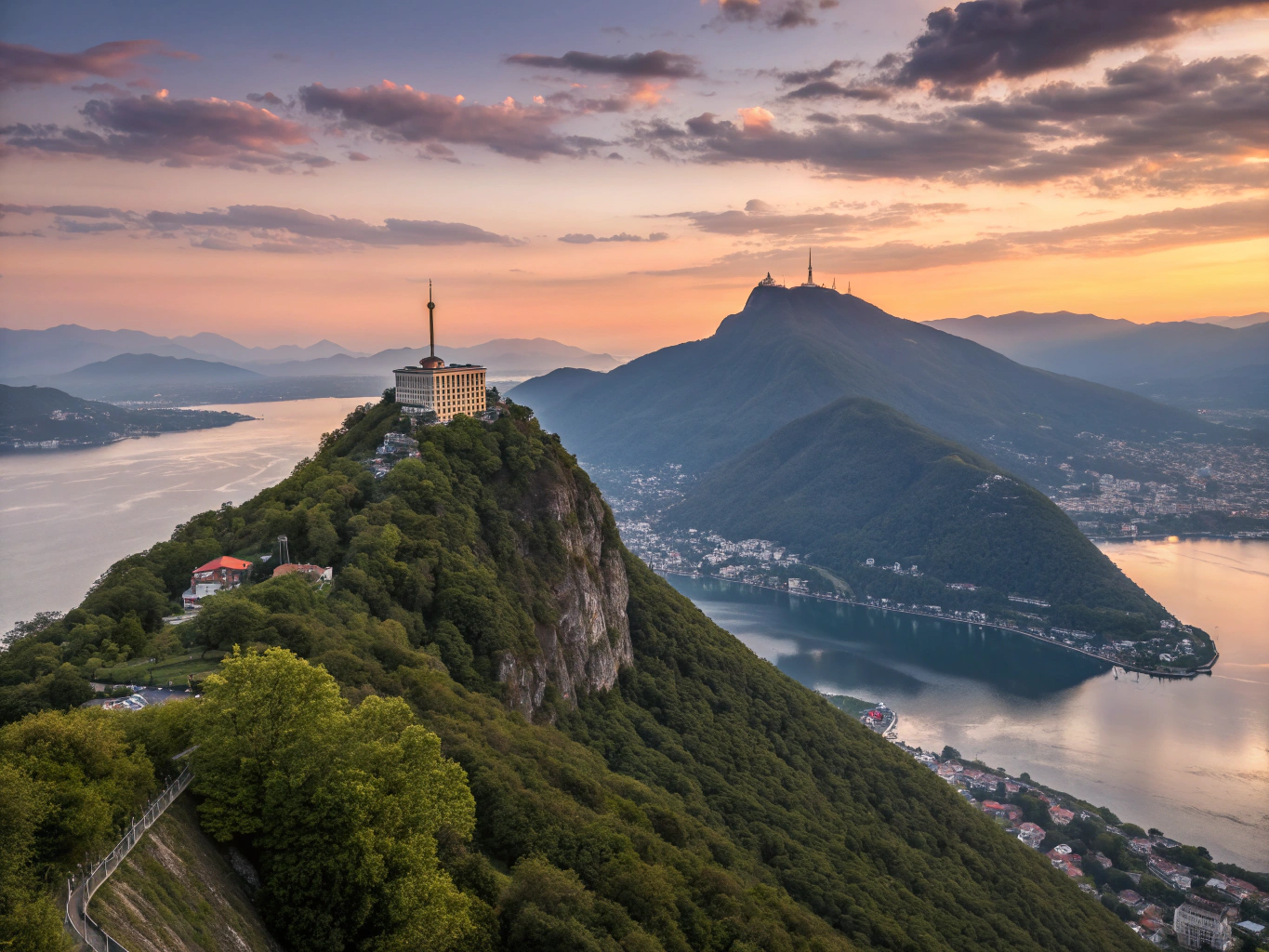
Panoramic View from Monte San Salvatore
⏱️ half dayEasy
Monte San Salvatore offers a breathtaking view over Lake Lugano, the city of Lugano, and the surrounding mountains. The view is particularly spectacular at sunset. The summit is accessible by a funicular from Lugano-Paradiso.
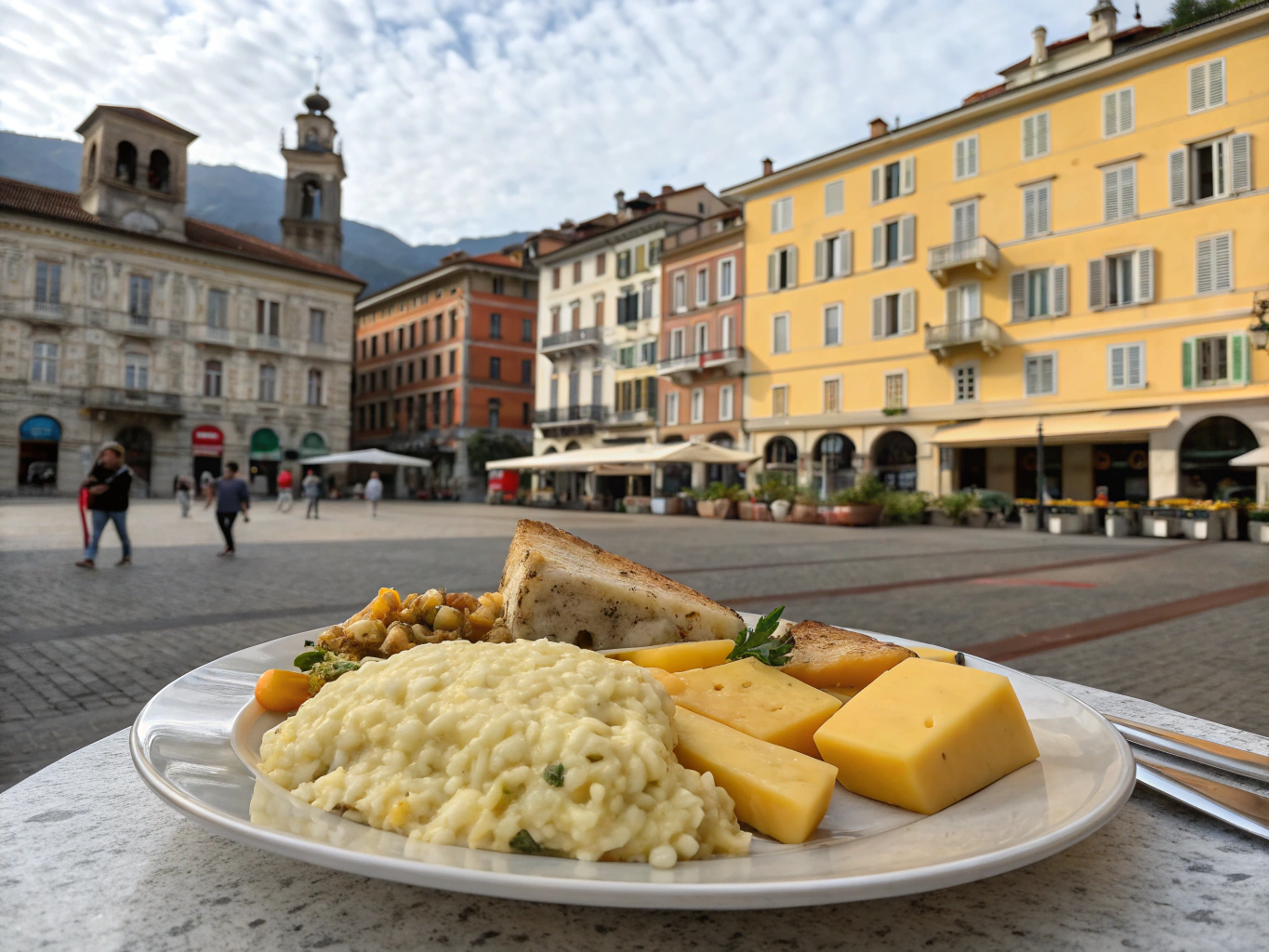
Culinary Discovery Tour in Lugano
⏱️ half dayEasy
A stroll through the alleys of Lugano is a feast for the senses. Numerous restaurants and cafés invite you to linger. Try local specialties such as risotto, polenta, or Ticino cheese. A visit to the weekly market at Piazza della Riforma is a must for foodies.
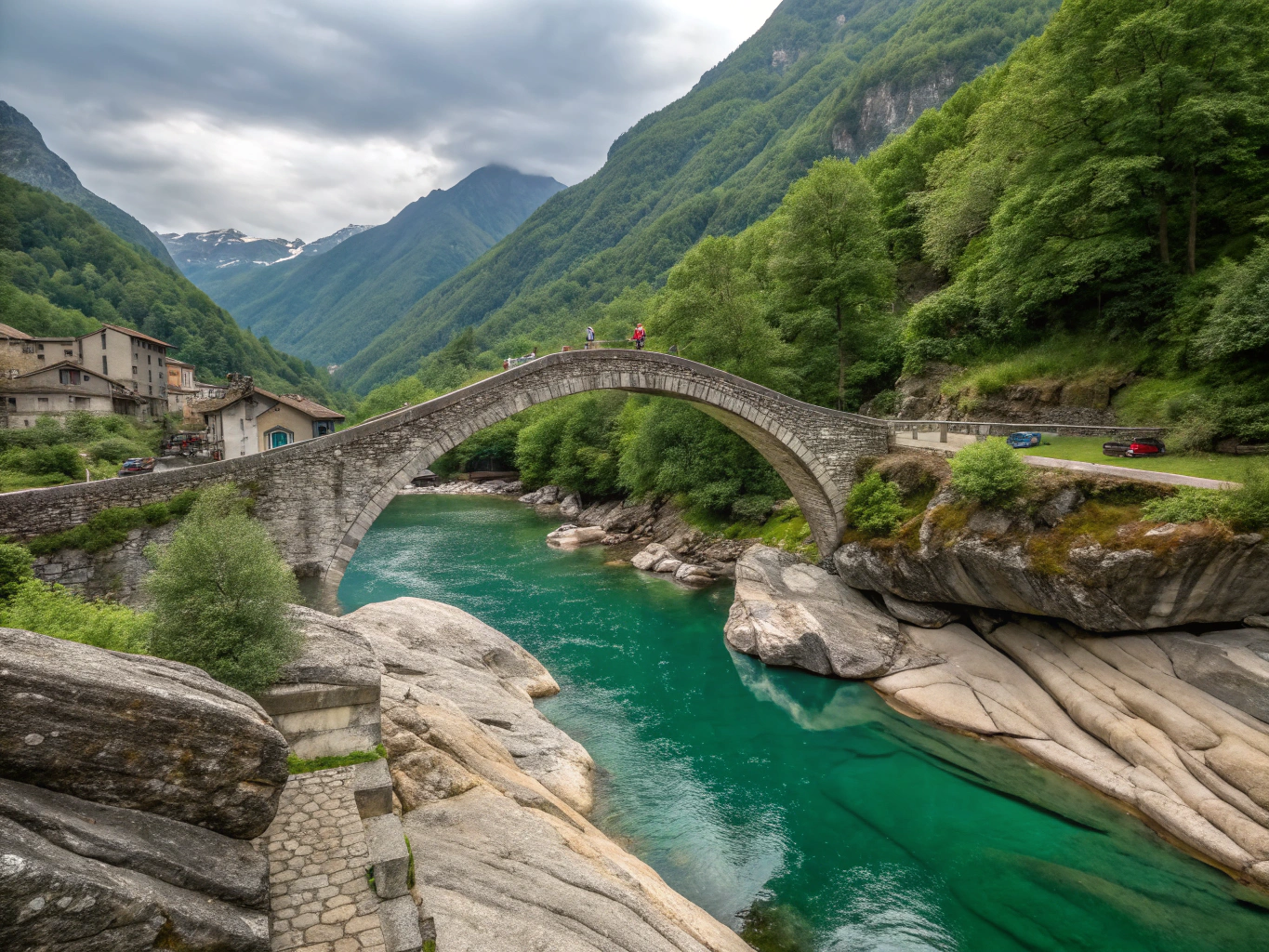
Hiking in the Verzasca Valley
⏱️ full dayModerate
The Verzasca Valley is a paradise for hikers. Numerous hiking trails lead through untouched nature along the emerald-green Verzasca River. A popular hike leads to the Ponte dei Salti, a historic stone bridge. The valley extends north of Locarno.
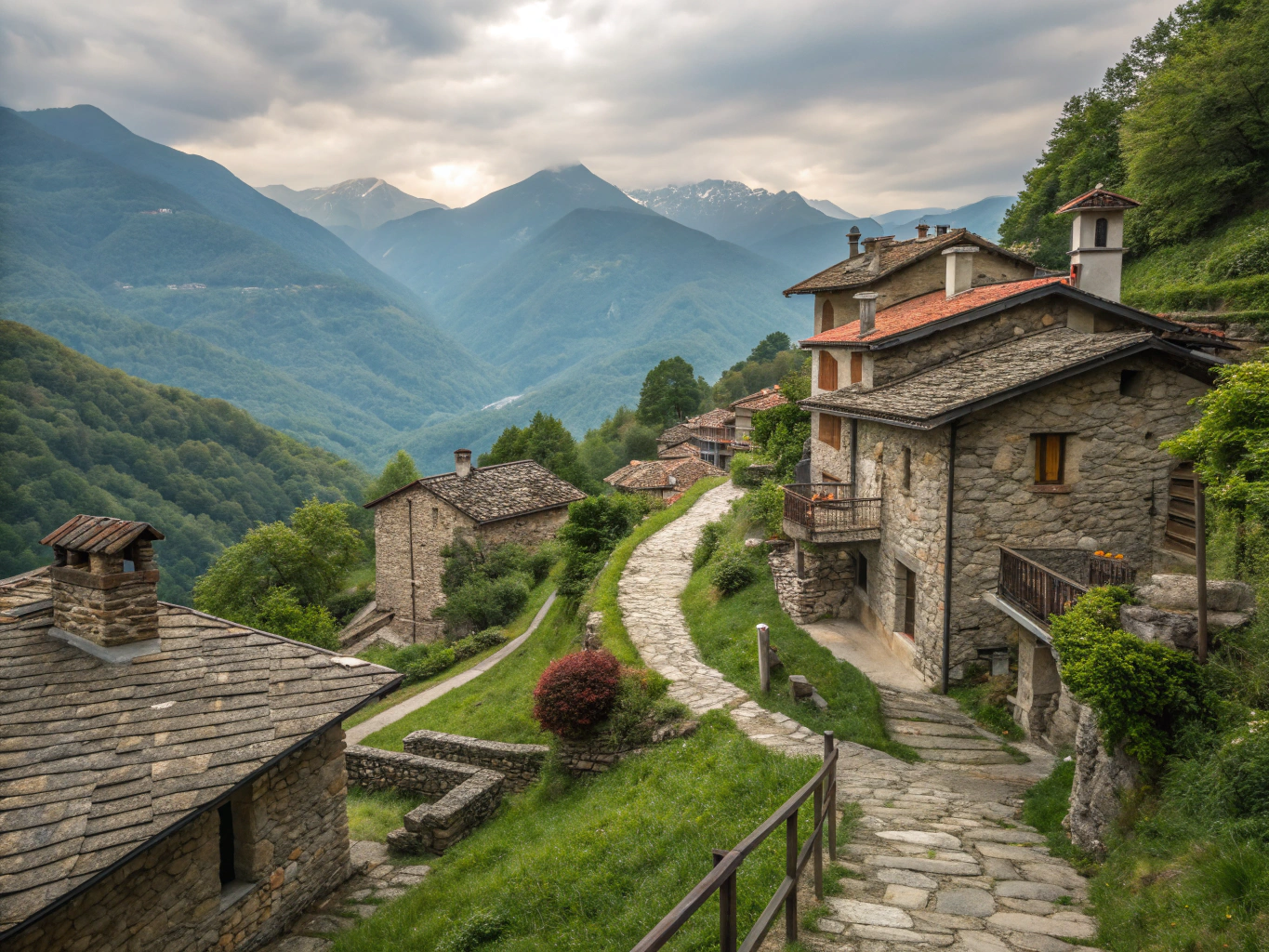
Secret Tip: Valle di Muggio
⏱️ full dayModerate
The Valle di Muggio is a remote valley in southern Ticino that has preserved its authenticity. Here you will find traditional villages, picturesque hiking trails, and untouched nature. The valley is accessible via a winding road from Mendrisio.
Facts & Figures
Camping Region Tessin
- 🌍 Country
- 🇨🇭 Schweiz
- 📍 Region
- Tessin
- 🏛️ Province
- Tessin
- ☀️ Climate
- Mediterranean, mild winters, warm summers
- 📅 Best Season
- May/June for hiking, July/August for swimming
- 🌡️ Summer Avg
- 25°C
- 🌸 Spring Avg
- 15°C
- 🏕️ Campsites
- ~150
- ✈️ Airport
- Lugano (LUG)
- 🚌 Public Transport
- Well-developed bus and train network
- 🌧️ Rainy Days
- 10 days per month in summer
- 🚗 From Munich
- 5 hrs / 420 km via A2/A4
- 🚗 From Hamburg
- 11 hrs / 1100 km via A7/A2
- 💰 Price Level
- €€€ Expensive but exclusive
- 🐕 Dogs
- Top: Many hiking trails and dog-friendly campsites
- 🎯 Suitable For
- Active travelersFamiliesGourmets
🚦 Occupancy by Month
Jan
Feb
Mar
Apr
May
Jun
Jul
Aug
Sep
Oct
Nov
Dec
Quiet Moderate Busy Crowded
 Rent Camper Tessin
 Campsites Tessin