


🌿 Natur & Wildnis👨👩👧👦 Familien
Camping Guide | Bayerische Alpen
Alpine Camping: Your Adventure
Deutschland, 🇩🇪 Deutschland
Camping Guide | Bayerische Alpen
The crisp mountain air tickles your nose while the scent of fresh hay and aromatic herbs fills the air. Welcome to your camping holiday in the Bavarian Alps! Here, where rugged rocks alternate with gentle alpine meadows, you will find a unique combination of nature experiences and Bavarian tradition. Unlike other Alpine regions, a relaxed atmosphere, authentic hospitality, and a rich cultural heritage await you here. Discover the diversity of the Bavarian Alps while camping – from glittering mountain lakes to rustic villages.
💡You'll find more cows than tourist traps here.
The Region in Detail
Your comprehensive travel guide for camping Bayerische Alpen.
Location & Arrival in the Bavarian Alps
The Bavarian Alps stretch across southern Bavaria along the border with Austria. They are part of the Northern Limestone Alps and include a variety of mountain groups, including the Wetterstein Mountains with the Zugspitze, the Karwendel Mountains, the Berchtesgaden Alps, and the Allgäu Alps. The region is mainly located in the administrative district of Upper Bavaria, with parts also belonging to the district of Swabia.
Several motorways are available for arrival by car. From the north, the best way to reach the Bavarian Alps is via the A9 and then the A95 towards Garmisch-Partenkirchen. Coming from the west, take the A8 and A96 towards Munich and then continue on the A95. From the east, the A8 is the main artery. Please note that a vignette is mandatory on some motorway sections in Austria. The cost for a 10-day vignette is approximately €9.90 (as of 2024). Tolls are also charged on the A13 Brenner motorway.
Alternatively, you can use the train to get there. Many places in the Bavarian Alps are well connected to the German rail network. From Munich, there are regular train connections to Garmisch-Partenkirchen, Oberstdorf, Berchtesgaden, and Bad Reichenhall. Depending on the destination, the journey takes between 1.5 and 3 hours. There are also direct or indirect connections from other German cities with a change in Munich.
The nearest airport is Munich Airport (MUC). From there, you can take the S-Bahn (S1 or S8) to Munich Central Station and continue by train into the Bavarian Alps. Alternatively, there are also bus connections and car rental offers at the airport.
Within the Bavarian Alps, you can get around easily using regional buses and trains. Many towns also offer guest cards that allow free use of local public transport. For hikes and excursions into the mountains, it is recommended to bring a bicycle or rent one locally.
Overview of the Sub-regions of the Bavarian Alps
The Bavarian Alps can be roughly divided into different sub-regions, each with its own character and charm. Each of these zones offers different possibilities for your camping holiday, whether you are looking for relaxation, want to be active in sports, or want to experience Bavarian culture.
The Allgäu, in the west of the Bavarian Alps, is known for its rolling hills, green meadows, and picturesque lakes. Families and nature lovers in particular will find an ideal holiday destination here. Places like Oberstdorf and Füssen offer numerous hiking trails, mountain bike routes, and swimming opportunities. In winter, the numerous ski resorts are a major draw.
The Berchtesgadener Land, in the east of the Bavarian Alps, impresses with its imposing mountain world and the Königssee. Hikers and mountaineers feel particularly at home here. Berchtesgaden itself is a historic town with many sights. The Berchtesgaden National Park offers untouched nature and diverse wildlife. A boat trip across the Königssee to the pilgrimage church of St. Bartholomä is particularly popular.
The Tegernsee Valley, located north of the actual Alpine chain, is a popular destination for those seeking relaxation and enjoyment. Lake Tegernsee invites you to swim, sail, and go boating. There are numerous restaurants, cafés, and beer gardens around the lake. Towns like Tegernsee, Rottach-Egern, and Bad Wiessee offer a wide range of accommodation and leisure activities. The region is also known for its traditional Bavarian festivals and customs.
The Werdenfelser Land, in the heart of the Bavarian Alps, is dominated by the Wetterstein Mountains and the Zugspitze. Mountaineers and skiers will find their paradise here. Garmisch-Partenkirchen is an internationally known winter sports resort with numerous slopes and cross-country trails. In summer, hiking trails and via ferratas beckon. The Partnach Gorge is an impressive natural monument.
The Chiemsee Region, although not directly part of the high Alps, is a worthwhile destination for an excursion. Lake Chiemsee, also known as the "Bavarian Sea," is the largest lake in Bavaria and offers numerous water sports opportunities. Herrenchiemsee Island with its palace is a popular excursion destination. Fraueninsel with its monastery is also worth a visit.
Camping in the Bavarian Alps: What to Expect?
The camping landscape in the Bavarian Alps is diverse and offers something for every taste. In total, there are about 150 campsites in the region, many of which are family-run and offer personal service. You will find both large resort sites with extensive infrastructure and small, nature-oriented campsites in the middle of the mountains.
The large resort sites often have swimming pools, animation programs, restaurants, and supermarkets. They are ideal for families with children who value comfort and entertainment. Smaller campsites, on the other hand, offer a quieter atmosphere and are often located directly on hiking trails or lakes. Here you can enjoy nature to the fullest and escape the stress of everyday life.
A special form of camping in the Bavarian Alps is farm camping. Many farms offer pitches for motorhomes and tents. Here you can experience country life up close, buy fresh products directly from the farm, and take part in traditional festivals.
Prices for a pitch vary depending on the season and the facilities of the campsite. In the high season (July/August), you should expect prices between €25 and €40 per night for a pitch for two people. In the low season (May/June and September/October), prices are often significantly cheaper, ranging between €15 and €30 per night.
The size of the pitches also varies. On larger campsites, the plots are often parceled out and offer a size of 80 to 100 square meters. Smaller campsites often have natural pitches that can be a bit smaller. Many pitches offer shade from trees, but there are also sunny spots for sun worshippers.
The sanitary facilities at the campsites in the Bavarian Alps are generally well-equipped. You will find showers, toilets, sinks, and often washing machines and dryers. The quality of the Wi-Fi varies depending on the campsite. Some offer free Wi-Fi, while others charge a fee. The power supply is usually standard, mostly with 6 or 16 amps.
It is advisable to book early, especially in the high season. Many campsites are fully booked months in advance. Last-minute chances are often found at smaller campsites or with farm camping.
Practical Information for Campers in the Bavarian Alps
For a relaxed camping holiday in the Bavarian Alps, it is important to know some practical information. Here you will find everything you need to know about tolls, petrol stations, shopping, gas supply, disposal, mobile communications, medical care, and important rules.
Tolls apply to some motorway sections in Austria that you may need to use to reach the Bavarian Alps. A 10-day vignette costs about €9.90 (as of 2024). You can purchase the vignette at petrol stations and rest areas near the border. Additionally, tolls apply to the A13 Brenner motorway, which you can pay directly at the toll stations.
Diesel prices in Austria are generally slightly higher than in Germany. Petrol stations are usually open from 7 am to 10 pm. On motorways, there are often 24-hour petrol stations.
Shopping opportunities are available in all larger towns in the Bavarian Alps. You will find supermarkets such as Lidl, Aldi, Rewe, and Edeka. Opening hours are usually from 8 am to 8 pm, and some supermarkets are also open on Sundays. For fresh products, we recommend visiting the weekly markets held in many towns.
Gas supply can be a bit problematic in the Bavarian Alps, as German gas cylinders often cannot be exchanged. It is advisable to bring an adapter or buy a local gas cylinder. Check with your campsite in advance about the possibilities.
Disposal stations for motorhomes are available at many campsites and designated parking spaces. The cost for disposal is usually included in the pitch price or amounts to a few euros.
Mobile network coverage in the Bavarian Alps is good, but there may be restrictions in remote mountain regions. The roaming situation is unproblematic within the EU, but check the fees in advance if you come from a non-EU country.
Medical care is good in the Bavarian Alps. There are doctors and pharmacies in all larger towns. The nearest hospital is usually easily accessible. The emergency number is 112.
Strict rules apply in the Bavarian Alps to protect nature. Wild camping is prohibited and is punished with high fines. Observe the environmental zones in some towns and inform yourself in advance about the applicable regulations. Tap water is generally of good quality and can be drunk without hesitation.
Insider Knowledge & Secret Tips for Your Camping Holiday
Off the beaten track, there are numerous secret tips and insider knowledge in the Bavarian Alps that will make your camping holiday an unforgettable experience. Here are some tips you'll only find out on-site.
The low season (May/June and September/October) is an ideal time to travel to the Bavarian Alps. You benefit from lower prices, fewer tourists, and a relaxed atmosphere. The weather is often sunny and mild, ideal for hiking and cycling.
A lesser-known spot is Lake Eibsee at the foot of the Zugspitze. The lake is located about 10 kilometers southwest of Garmisch-Partenkirchen and can be reached via the B2. Here you can take a boat trip, hike, or simply enjoy nature.
A culinary insider tip is to visit one of the numerous farm shops in the region. Here you can buy fresh products directly from the farmer, such as cheese, sausage, bread, and honey. Many farm shops also offer tastings.
A local festival you shouldn't miss is the "Almabtrieb" in autumn. This is when the cows are driven from the alpine pastures down into the valley, festively decorated with flowers and ribbons. The festival takes place in many towns and is a highlight of the region.
A culinary specialty you must try is Kaiserschmarrn. The dish consists of shredded pancakes, raisins, and powdered sugar. You can find Kaiserschmarrn in almost all restaurants and mountain huts.
A restaurant frequented by locals is the Gasthaus Zum Stern in Oberammergau. The inn is centrally located in the village and offers traditional Bavarian cuisine at fair prices.
A worthwhile day trip is a visit to Neuschwanstein Castle. The castle is about 1.5 hours from Munich and can be reached via the A7. The journey costs about €20 in tolls. Plan enough time, as the castle is very popular and there may be waiting times.
Experiences & Activities: Bayerische Alpen
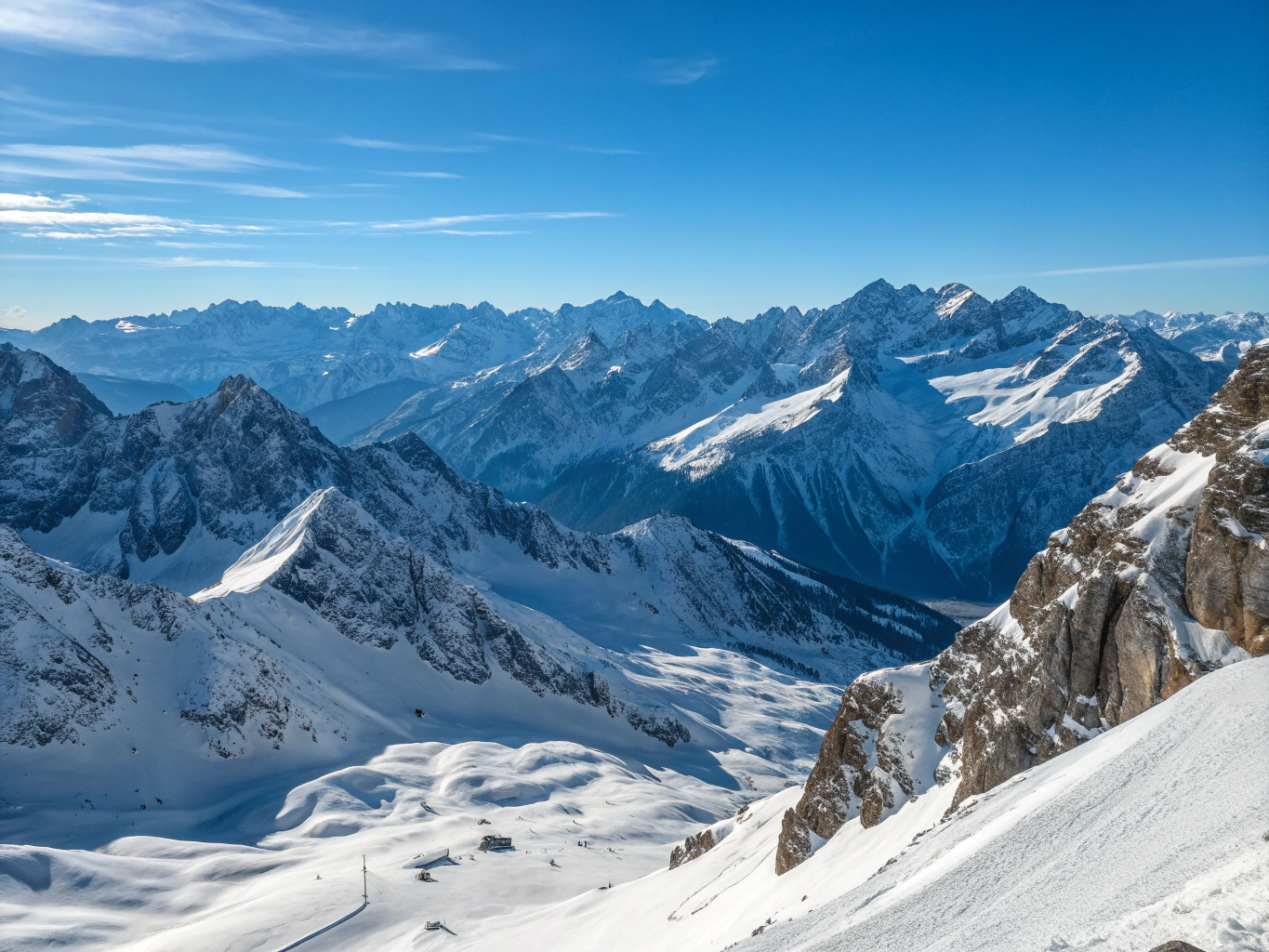
Panoramic View from the Zugspitze
⏱️ 4-5 hoursModerate
Experience a breathtaking 360-degree view from Germany's highest peak. On a clear day, visibility extends up to 250 kilometers. Reachable by cogwheel train or cable car.
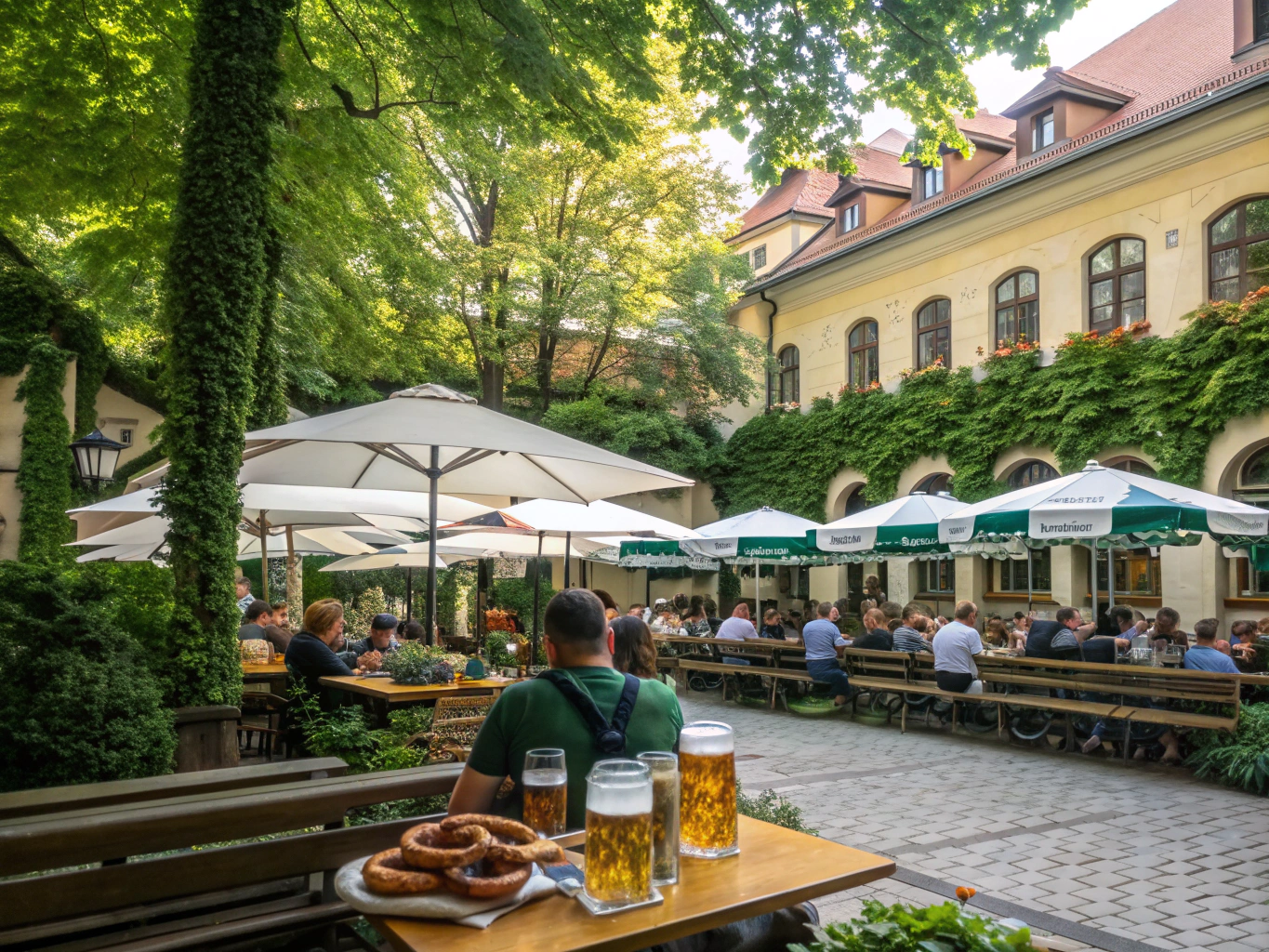
Culinary Delights at Augustiner-Keller
⏱️ 2-3 hoursEasy
Enjoy Bavarian specialties and freshly tapped Augustiner beer in the traditional Augustiner-Keller in Munich. The beer garden offers space for over 5,000 guests.
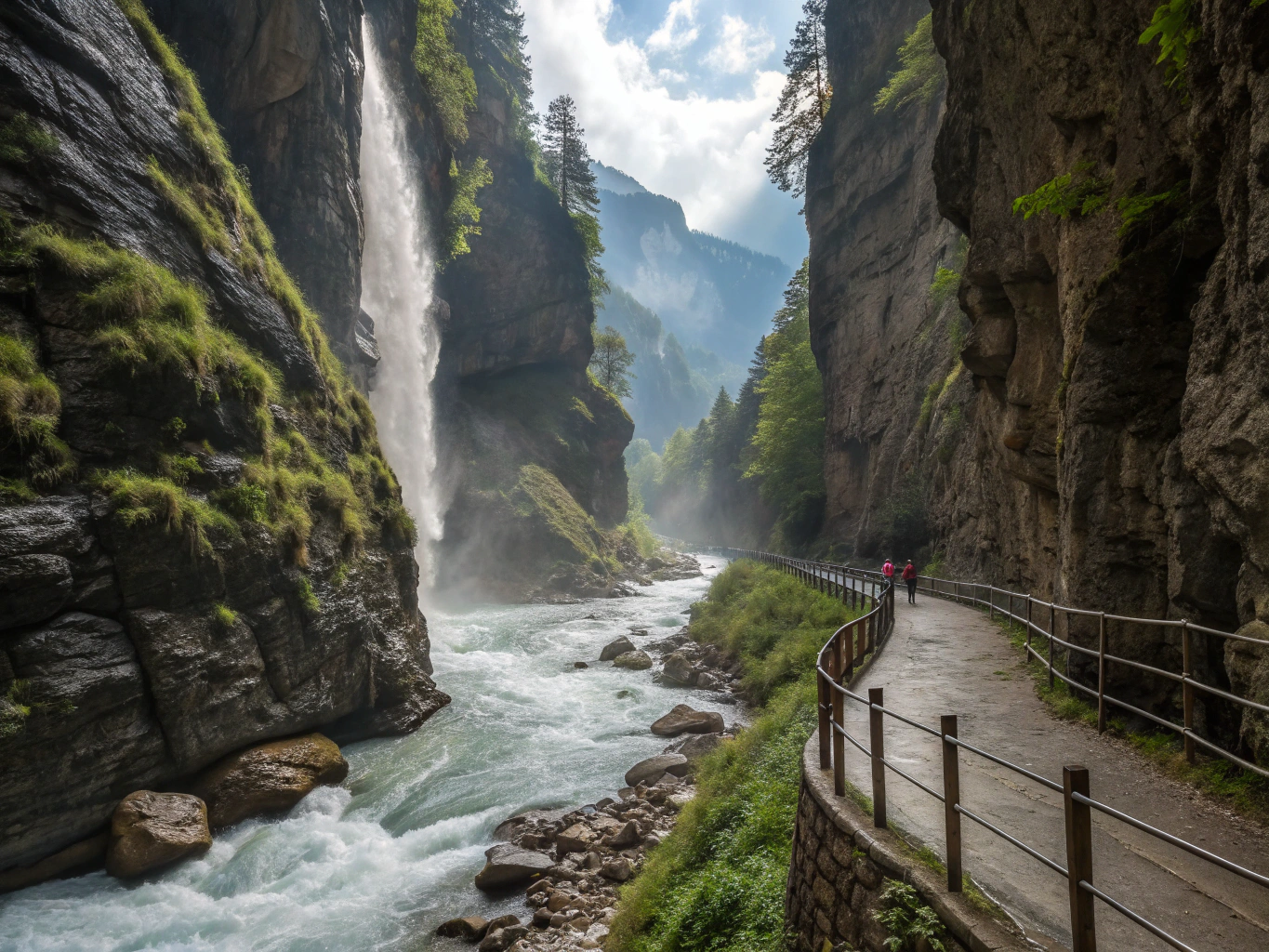
Hiking through the Partnach Gorge
⏱️ 3-4 hoursModerate
Explore the impressive Partnach Gorge near Garmisch-Partenkirchen. The gorge is accessible via a hiking trail and offers spectacular insights into the power of water.
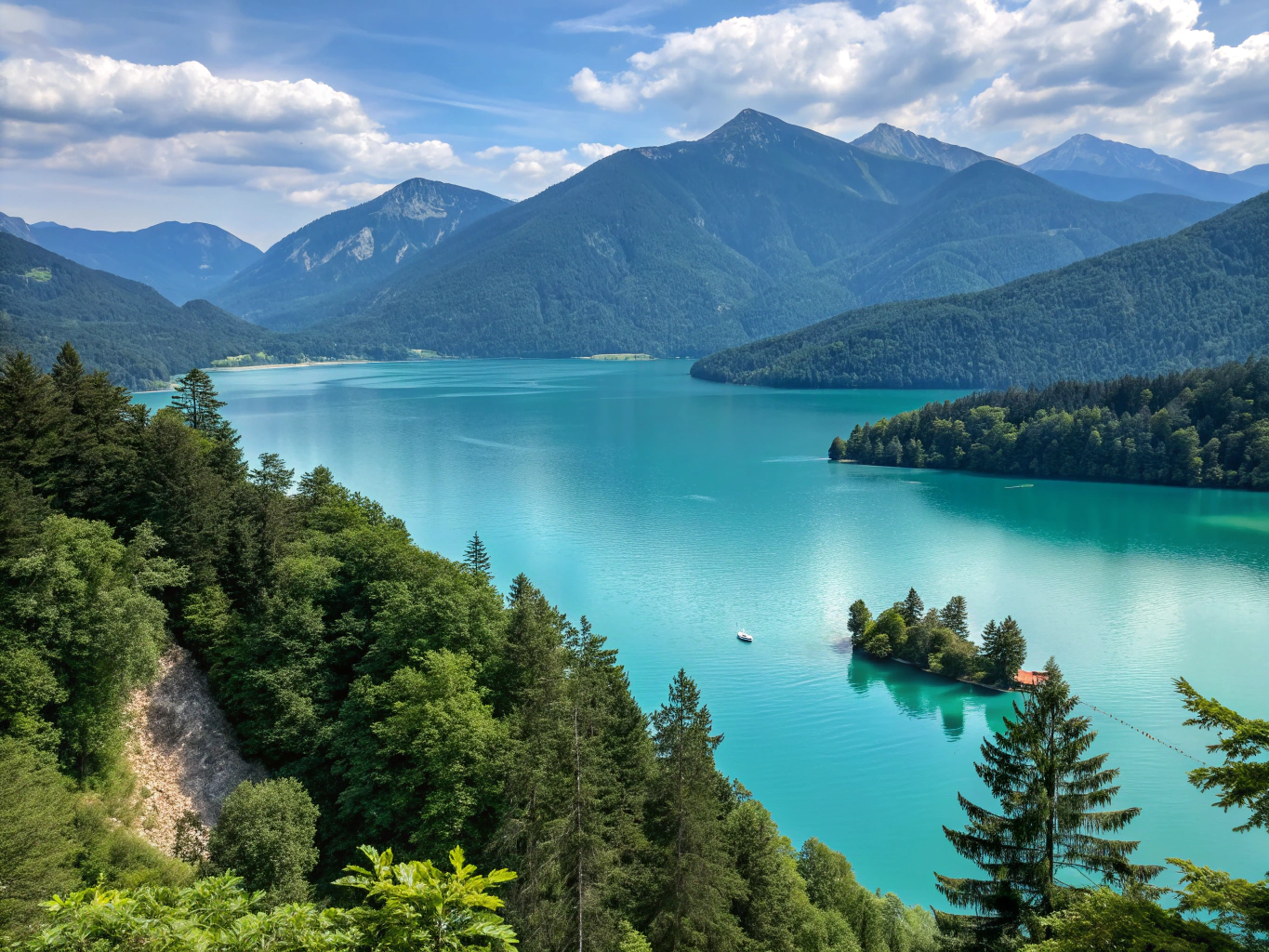
Insider Tip: Walchensee
⏱️ full dayEasy
Discover the idyllic Walchensee, one of the deepest and largest alpine lakes in Germany. The lake is located about 75 kilometers south of Munich and is reachable via the A95. Ideal for swimming, sailing, and windsurfing.
Facts & Figures
Camping Region Bayerische Alpen
- 🌍 Country
- 🇩🇪 Deutschland
- 📍 Region
- Bavaria
- 🏛️ Province
- Upper Bavaria, Swabia
- ☀️ Climate
- Alpine climate, mild summers, snowy winters
- 📅 Best Season
- May/June for hikers, July/August for swimming fun
- 🌡️ Summer Avg
- 25°C
- 🌸 Spring Avg
- 15°C
- 🏕️ Campsites
- ~150
- ✈️ Airport
- MUC (Munich)
- 🚌 Public Transport
- Regional trains, buses
- 🌧️ Rainy Days
- 12 days per month (summer)
- 🚗 From Munich
- 1 hr / 80 km
- 🚗 From Hamburg
- 8 hrs / 800 km
- 💰 Price Level
- €€
- 🐕 Dogs
- Good
- 🎯 Suitable For
- Active vacationersFamiliesNature lovers
🚦 Occupancy by Month
Jan
Feb
Mar
Apr
May
Jun
Jul
Aug
Sep
Oct
Nov
Dec
Quiet Moderate Busy Crowded
 Rent Camper Bayerische Alpen
 Campsites Bayerische Alpen