


🏖️ Lake & Coast👨👩👧👦 Familien
Camping Guide | Sardinien
Sardinia: Camping by the Mediterranean
Sardegna, 🇮🇹 Italien
Camping Guide | Sardinien
The scent of pine trees and macchia fills the air, mixed with a breeze of salty sea air. The crystal-clear water shimmers in countless shades of blue. Camping in Sardinia means enjoying the freedom of a simple life amidst unique nature. This island offers you a fascinating mix of pristine coastlines, rugged mountains, and a millennia-old culture. Here, you will find not only relaxation but also adventure and authentic experiences far from mass tourism. Sardinia is different – and you will feel it.
💡Sardinia is more than just beaches – discover the authentic island life.
The Region in Detail
Your comprehensive travel guide for camping Sardinien.
Location & Arrival in Sardinia
Sardinia, the second-largest island in the Mediterranean, lies west of Italy, south of Corsica, and north of Tunisia. Politically, it belongs to Italy and forms an autonomous region. The island is divided into five provinces: Nuoro, Sassari, Cagliari, Oristano, and Sud Sardegna.
Arrival in Sardinia is mainly by ferry or plane. You can reach Sardinia by ferry from various Italian ports such as Genoa, Livorno, Civitavecchia (Rome), Naples, and Piombino, as well as from Marseille and Toulon in France and Barcelona in Spain. Ferry connections are offered by various shipping companies such as Moby Lines, Tirrenia, Grimaldi Lines, and Sardinia Ferries. The crossing takes between 5 and 12 hours depending on the route. Those arriving with their own motorhome should book ferry connections early, especially in high season.
Alternatively, you can reach Sardinia by plane. The island has three international airports: Olbia (OLB) on the Costa Smeralda, Cagliari (CAG) in the south, and Alghero (AHO) in the northwest. There are regular direct flights from Germany, Austria, and Switzerland, especially during the summer months. From the airport, you can take a rental car or use public transport to get to your campsite.
Within Sardinia, a rental car is the best option for exploring the island flexibly. The road network is well-developed, but in mountain regions, the roads are often winding and narrow. Public transport is limited and mainly connects the larger cities. In coastal towns, there are often bus connections, but they are not always reliable. Those who want to explore the island actively can also rent a bicycle or go hiking. The coastal regions are ideal for cycling, while the interior of the island with its mountains and forests is a paradise for hikers.
From Munich, you can reach Genoa in about 8 hours via the A8 and A7. The ferry crossing to Olbia then takes approx. 10-12 hours. Those starting from Frankfurt drive via the A5 and A7 to Genoa (approx. 10 hours driving time). From Hamburg, the journey is significantly longer; here you should expect at least 18 hours of driving time to Livorno, followed by an approx. 10-hour ferry crossing. Tolls in Italy depend on the distance and can be paid online or at the toll stations. Plan enough time for the journey with your caravan or camper van to approach the trip in a relaxed manner.
Overview of Sardinia's Sub-regions
Sardinia can be roughly divided into four main regions: the Costa Smeralda in the northeast, the west coast with Alghero, the south coast with Cagliari, and the east coast with the Gulf of Orosei.
The Costa Smeralda is known for its luxurious resorts, exclusive marinas, and emerald-green water. Here you will find places like Porto Cervo, a sophisticated meeting point for international high society, and Palau, a popular starting point for boat trips to the islands of the La Maddalena archipelago. The Costa Smeralda is ideal for everyone who wants to spend a luxurious camping holiday and values excellent infrastructure. However, the prices here are also correspondingly higher.
The west coast around Alghero is characterized by Catalan history and culture. Alghero itself enchants with its medieval old town, the city walls, and numerous restaurants and bars. In the surrounding area, you will find picturesque beaches such as Spiaggia di Maria Pia and the Grotta di Nettuno, an impressive stalactite cave. The west coast is ideal for families and those interested in culture looking for a varied camping holiday.
The south coast with Cagliari, the capital of Sardinia, offers a mix of urban life, historical sights, and beautiful beaches. Cagliari impresses with its citadel, the Roman amphitheater, and the lively port district. Nearby, beaches like Poetto and Chia entice with fine sand and crystal-clear water. The south coast is ideal for everyone who wants to combine city life with a relaxed beach holiday.
The east coast with the Gulf of Orosei is a paradise for nature lovers and active vacationers. Here, steep cliffs rise out of the sea, interrupted by lonely bays and turquoise water. Places like Cala Gonone and Baunei are popular starting points for hikes, climbing tours, and boat trips. The east coast is ideal for everyone who wants to experience the untouched nature of Sardinia and spend an active camping holiday. Particularly recommended is a hike on the Selvaggio Blu, one of Italy's most demanding coastal hiking trails. The region also offers numerous opportunities for climbers.
In the interior of Sardinia, you will find a rugged and original landscape with mountains, forests, and traditional villages. Places like Orgosolo and Mamoiada are known for their murals and lively culture. The interior is ideal for everyone who wants to get to know the authentic Sardinia and spend a quiet camping holiday in the midst of nature.
Camping in Sardinia: What to Expect?
The camping landscape of Sardinia is diverse and offers something for every taste and budget. There are an estimated 250 campsites on the island, many of which are located directly by the sea.
You will find both large resort sites with pools, animation, and extensive services, as well as small, nature-oriented sites that are often family-run. Agriturismo/farm camping is also a popular option where you can get to know Sardinian hospitality and local products. For motorhomes, there are special pitches often equipped with supply and disposal stations.
Prices for a pitch vary depending on location, equipment, and season. In high season (July/August), you must expect prices between €30 and €50 per night for a pitch with an electricity connection. In the low season (May/June and September/October), prices are often significantly cheaper, sometimes under €20 per night. Small, simple sites are generally cheaper than large resort sites.
The size of the pitches also varies. On larger sites, the plots are often parceled and offer sufficient space for a motorhome or a caravan with an awning. On smaller sites, the pitches are often more open and natural. Many sites offer shade from pine trees or other trees, but there are also sunny pitches. The infrastructure of the campsites varies. Some sites offer modern sanitary facilities with hot showers, washing machines, and dryers, while others have a simpler standard. Wi-Fi is available on many sites, but the quality can vary. The power supply is usually protected with 6 or 10 amps.
A reservation is particularly recommended in high season, as the most popular campsites are often fully booked. You can book either directly via the campsite's website or via online portals such as Camping.info or ADAC Camping. Last-minute chances sometimes exist in the low season or at less well-known sites. If you are flexible, you can also look for a spot spontaneously, but in high season, this is risky.
Wild camping is officially prohibited in Sardinia and is punished with high fines. However, there are some gray areas, especially in the interior, where controls are less strict. If you want to wild camp, you should inform yourself well beforehand and behave respectfully towards nature. Make sure not to leave any trash and not to cause any noise. An alternative to wild camping are pitches at private individuals or farms, which are often offered via platforms like Agricamper Italia.
Practical Information for Campers
Tolls apply for driving on Sardinian motorways. The fees depend on the distance and can be paid in cash or by credit card at the toll stations. An electronic toll box like Telepass is also possible, but usually not necessary for a short camping holiday. Inform yourself in advance about the current toll rates to avoid surprises.
Diesel prices in Italy are generally slightly higher than in Germany. Gas stations are usually open from 7 am to 7 pm, some also around the clock. On motorways and in larger cities, there are also gas stations that are open 24 hours. Make sure you refuel in time, especially if you are driving to remote regions.
Supermarkets like Lidl, Eurospar, and Conad are widespread in Sardinia. They offer a large selection of food and other daily necessities. Opening hours are usually from 8 am to 8 pm, and some supermarkets are also open on Sundays. At the weekly markets, you can buy fresh regional products such as fruit, vegetables, cheese, and sausages. Many farms also offer direct sales.
German gas cylinders cannot be easily exchanged in Sardinia because the connections are different. You will need an adapter to connect your gas cylinder. Alternatively, you can buy or rent an Italian gas cylinder locally. Inform yourself in advance about the various options.
On most campsites, there are disposal stations for gray water and toilet waste. Make sure you comply with the disposal regulations and do not pollute the environment. Illegal disposal is prohibited and punished with high fines.
Mobile network coverage is good in the coastal regions of Sardinia, but it can be patchy in the interior. Inform yourself in advance about your mobile provider's roaming situation to avoid high costs. Wi-Fi is available on many campsites, but the quality can vary. You can also buy a local SIM card to make calls and surf more cheaply.
Medical care in Sardinia is good. In the larger cities, there are hospitals and pharmacies. Make sure you have a valid European Health Insurance Card (EHIC). In emergencies, dial the emergency number 118.
Wild camping is prohibited in Sardinia. Camping in nature reserves and on beaches is also prohibited. Pay attention to the signage and inform yourself in advance about the applicable rules. In some places, there are environmental zones where certain vehicles are not allowed to drive. Inform yourself in advance if your vehicle is affected.
Tap water in Sardinia is generally drinkable, but it may be chlorinated. If you are sensitive, you should buy mineral water. Make sure to drink enough, especially in the summer months.
Insider Knowledge & Secret Tips
The low season (May/June and September/October) is ideal for a camping holiday in Sardinia. The weather is pleasantly warm, the beaches are emptier, and the prices are cheaper. In addition, nature is particularly beautiful during these months.
A less well-known place is the Sinis Peninsula in western Sardinia. Here you will find lonely beaches, ancient ruins, and untouched nature. The peninsula is accessible via the coastal road SP6 and offers numerous opportunities for hiking and cycling.
A culinary secret tip is Pane Carasau, a thin, crispy bread that is typical of Sardinia. You should definitely try it, either plain or with olive oil and pecorino cheese. Another must is Porceddu, a suckling pig grilled over an open fire. Many restaurants offer this dish, but it tastes best at an agriturismo.
A local festival you shouldn't miss is the Cavalcata Sarda in Sassari, which takes place every year on the penultimate Sunday in May. Here, the inhabitants of Sardinia show their traditional costumes and riding skills. Another highlight is the Feast of Saint Francis in Lula, which takes place every year on May 1st. Here, the shepherds of Sardinia meet to pray and celebrate together.
A day trip that is worth it is the drive to the Supramonte mountains. Here you can hike, climb, and enjoy the breathtaking landscape. The drive from Cala Gonone takes about an hour. Another worthwhile destination is the island of La Maddalena, which you can reach by ferry from Palau. Here you can swim, snorkel, and explore the untouched nature.
A restaurant visited by locals is Ristorante da Nicolo in Cala Gonone. Here there is fresh fish and seafood at fair prices. A bar you should visit is Bar Centrale in Alghero. Here the locals meet for an aperitivo and exchange news.
A beach that is not yet overrun by tourists is Cala Cipolla in southern Sardinia. It is located 3 km south of Chia and is accessible via a gravel road. Here you can swim in peace and enjoy the sun.
Experiences & Activities: Sardinien
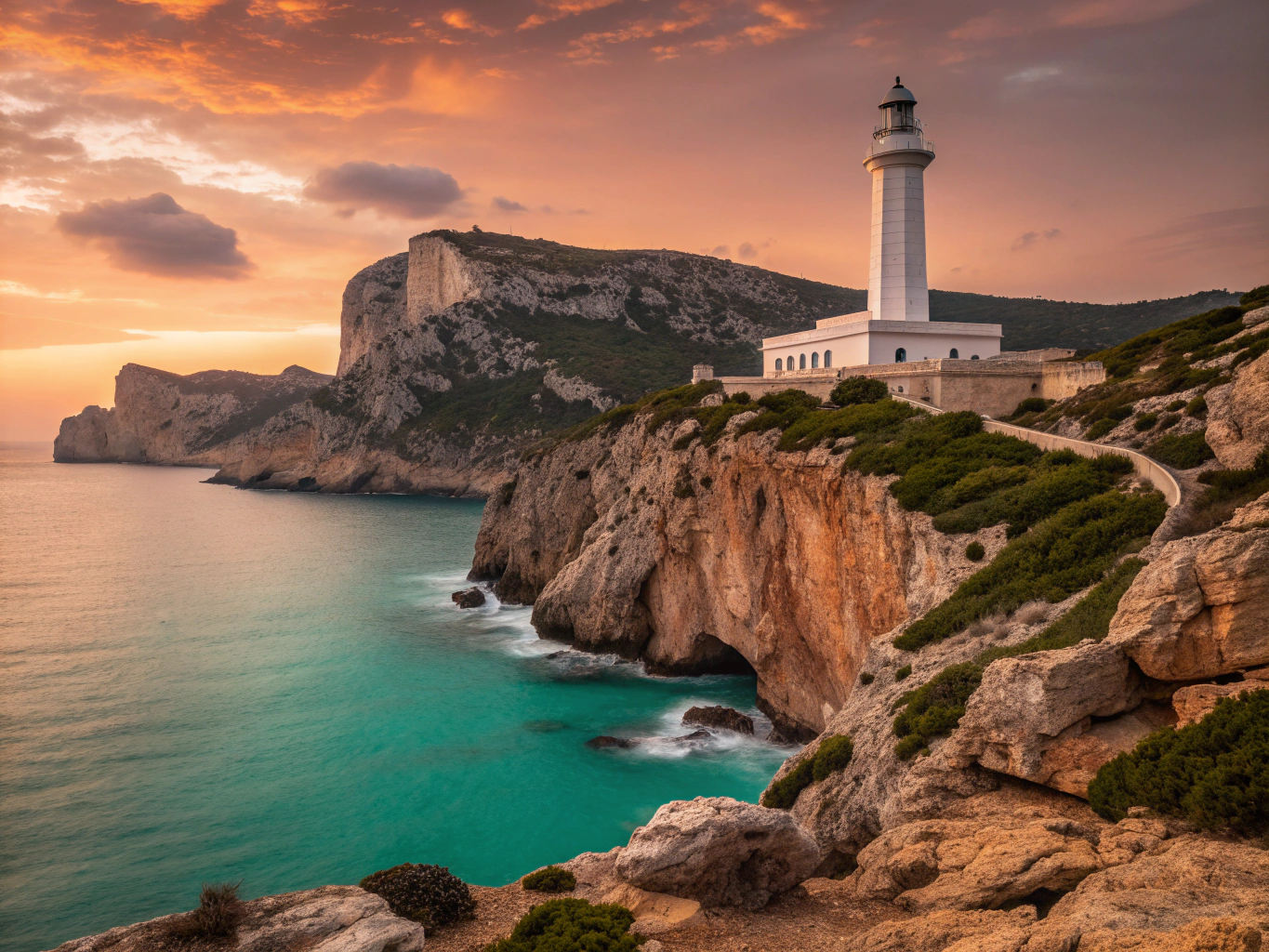
Capo Caccia View
⏱️ 2-3 hoursEasy
Enjoy the panoramic view from Capo Caccia over the Mediterranean and the Neptune's Grotto. Accessible via a panoramic road or by boat from Alghero. An unforgettable experience at sunset.
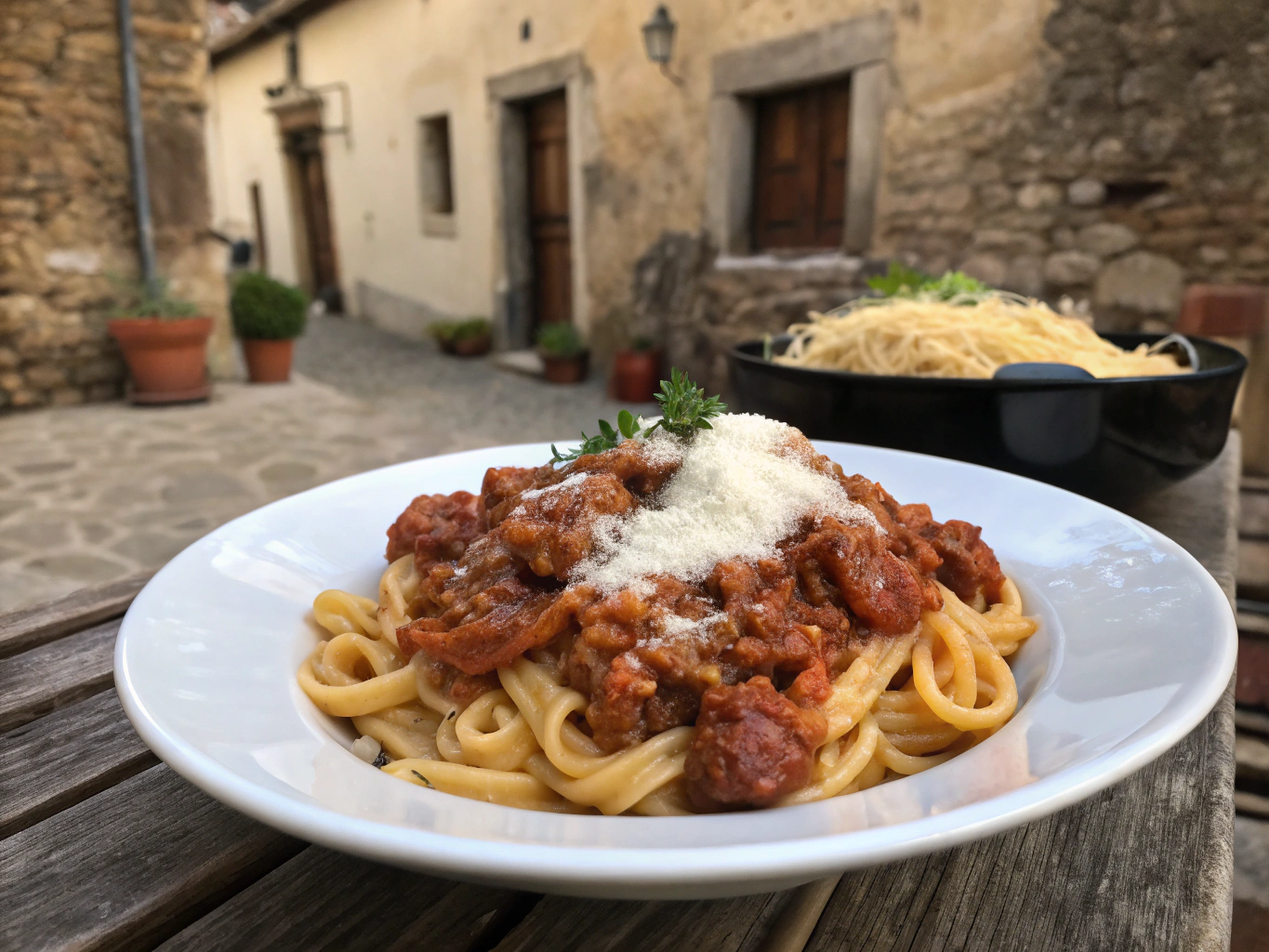
Malloreddus alla Campidanese
⏱️ 1-2 hoursEasy
Try Malloreddus alla Campidanese, the traditional Sardinian pasta with sausage sauce. Best enjoyed at an agriturismo in the interior, accompanied by a glass of Cannonau.
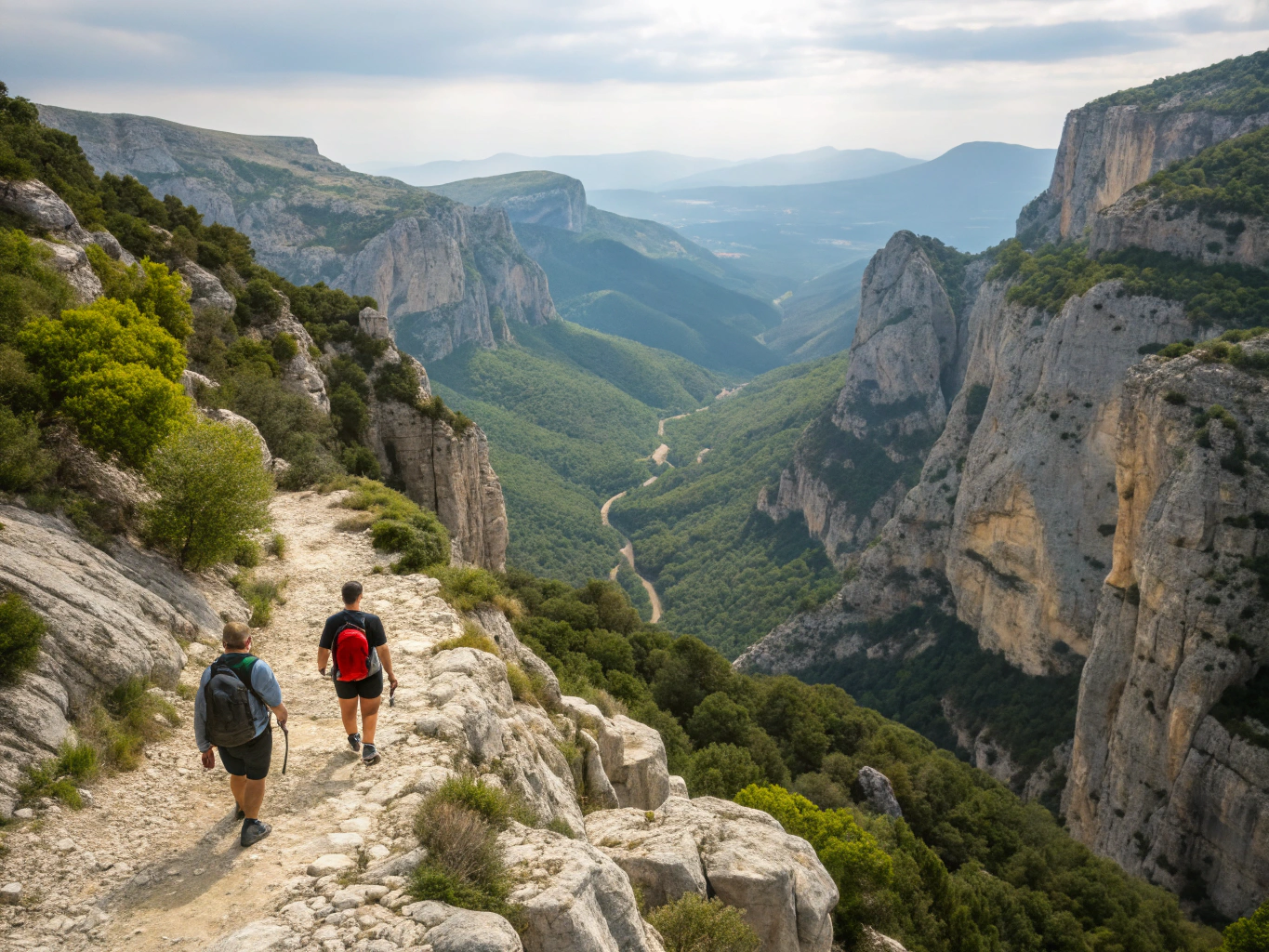
Hiking in the Supramonte
⏱️ 4-6 hoursModerate
Explore the Supramonte mountains with their deep gorges and breathtaking views. Choose a hike according to your fitness level. Starting point is Dorgali or Baunei.
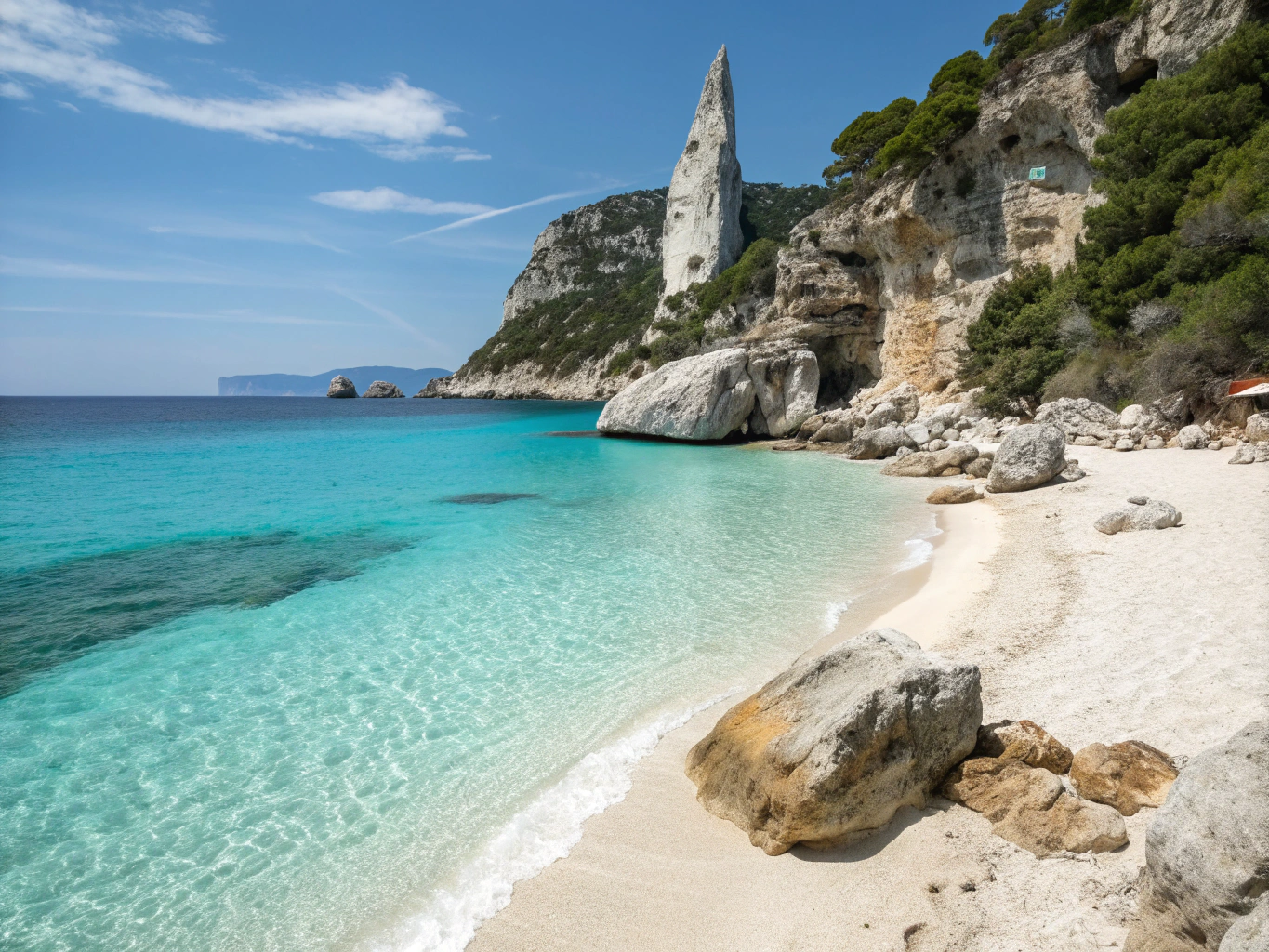
Cala Goloritzé
⏱️ 5-7 hoursChallenging
Discover the hidden Cala Goloritzé, one of the most beautiful bays in Sardinia. Accessible by boat or via a challenging hiking trail from Baunei out. Clear water and an imposing rock needle await you.
Facts & Figures
Camping Region Sardinien
- 🌍 Country
- 🇮🇹 Italien
- 📍 Region
- Sardinia
- 🏛️ Province
- Nuoro, Sassari, Cagliari, Oristano, Sud Sardegna
- ☀️ Climate
- Mediterranean, hot dry summers, mild wet winters
- 📅 Best Season
- May/June for hiking, July/August for beach holidays
- 🌡️ Summer Avg
- 28°C
- 🌸 Spring Avg
- 18°C
- 🏕️ Campsites
- ~250
- ✈️ Airport
- Olbia (OLB), Cagliari (CAG), Alghero (AHO)
- 🚌 Public Transport
- Buses connect the larger towns, but a rental car is recommended.
- 🌧️ Rainy Days
- 60 days
- 🚗 From Munich
- 13 hrs / 1150 km (incl. ferry from Genoa)
- 🚗 From Hamburg
- 21 hrs / 1900 km (incl. ferry from Livorno)
- 💰 Price Level
- €€ / Medium to High
- 🐕 Dogs
- Good / Many beaches and campsites allow dogs.
- 🎯 Suitable For
- Nature loversWater sports enthusiastsCulture seekers
🚦 Occupancy by Month
Jan
Feb
Mar
Apr
May
Jun
Jul
Aug
Sep
Oct
Nov
Dec
Quiet Moderate Busy Crowded
 Rent Camper Sardinien
 Campsites Sardinien