


🌿 Natur & Wildnis👨👩👧👦 Familien
Camping Guide | Ligurien
Discover Your Liguria
Italien, 🇮🇹 Italien
Camping Guide | Ligurien
Imagine waking up to the scent of pine trees and the sound of the sea. Camping in Liguria means experiencing the Italian Riviera at its most authentic. Between steep coasts, charming villages, and the aroma of pesto, this region offers a unique combination of relaxation and activity. Whether you're traveling by motorhome or prefer a tent, Liguria promises an unforgettable camping holiday.
💡Liguria is more than just Cinque Terre – discover the diversity!
The Region in Detail
Your comprehensive travel guide for camping Ligurien.
Location & Arrival in Liguria
Liguria, nestled in northwestern Italy, stretches as a narrow coastal strip along the Ligurian Sea. The region borders France to the west, the regions of Piedmont and Emilia-Romagna to the north, and Tuscany to the east. The four provinces of Imperia, Savona, Genoa, and La Spezia form Liguria's diverse landscape, characterized by steep coasts, picturesque bays, and the Apennine Mountains.
Various routes are available for arrival by car. From Munich, you can reach Liguria via the A9 and A21 in about 8 hours. The route passes through Switzerland and Italy, where toll fees apply. Alternatively, you can drive via Austria and the Brenner Pass, where tolls are also required. Those starting from Frankfurt should ideally choose the A5 and A7, which lead through Switzerland. The driving time is around 10 hours.
Liguria is also easily accessible by train. There are regular train connections from Germany, Austria, and Switzerland to Genoa, the regional transport hub. From there, regional trains take you to the coastal towns. The journey from Munich to Genoa takes about 9-10 hours, and from Frankfurt around 11-12 hours.
Genoa Airport (GOA) offers international flight connections. From there, you can reach the coastal towns by bus or train. Alternatively, you can use Milan-Malpensa (MXP) or Nice (NCE) airports, although they are slightly further away.
Once there, the best way to get around is by car, bus, or train. Buses and trains run regularly along the coast, connecting the individual towns. In the Cinque Terre, it is recommended to avoid the car and use regional trains or hiking trails instead. Ferries connect the coastal towns and offer a delightful alternative for exploring the region from the water. A car is recommended for excursions into the hinterland, as bus connections are less frequent there. Many places are also easy to explore by bicycle, although the sometimes steep climbs should not be underestimated. The well-developed network of cycle paths makes it possible to discover the coast and the hinterland on two wheels. The cycle path along the old railway line between San Lorenzo al Mare and Ospedaletti is particularly recommended.
Overview of Liguria's Subregions
Liguria can be roughly divided into two coastal sections: the Riviera di Levante in the east and the Riviera di Ponente in the west. The Riviera di Levante, east of Genoa, is characterized by steep cliffs, rugged coastlines, and picturesque fishing villages. This is where the famous Cinque Terre are located—five colorful villages that are a UNESCO World Heritage site. The region is ideal for hikers, nature lovers, and culture enthusiasts. Places like Portofino, Rapallo, and Santa Margherita Ligure offer elegant boutiques, luxury hotels, and a sophisticated flair.
The Riviera di Ponente, west of Genoa, is known for its long sandy beaches, blooming gardens, and charming coastal towns. Here you will find seaside resorts such as Sanremo, Imperia, and Alassio, which primarily attract families and sun worshippers. The hinterland of the Riviera di Ponente is characterized by olive groves, vineyards, and medieval villages. The region is ideal for a relaxed camping holiday with the opportunity to get to know Ligurian cuisine and culture.
Genoa, the capital of Liguria, forms the pulsating heart of the region. The historic old town with its narrow alleys, magnificent palaces, and impressive churches is a must for every visitor. The port of Genoa is one of the largest in the Mediterranean and an important hub for goods and passengers. The city offers a variety of cultural events, museums, and gastronomic highlights. Those interested in camping in Liguria who want to explore the capital will find several campsites in the surrounding area.
Liguria's hinterland, also known as the Ligurian Alps, offers a welcome change from the coastal hustle and bustle. Here you will find untouched nature, idyllic mountain villages, and numerous hiking trails. The region is ideal for active travelers seeking the peace and seclusion of the mountains. Places like Triora, known for its witch legends, and Dolceacqua, with its medieval bridge, exude a special charm.
For families with children, Liguria offers a variety of attractions. In addition to the beaches, there are numerous theme parks, aquariums, and museums specifically tailored to children. Many campsites offer animation and childcare. Liguria is also an ideal destination for dog owners, as many beaches and hiking trails are accessible to dogs.
Camping by the Ligurian Sea: What to Expect?
The camping landscape in Liguria is diverse and offers something for every taste. In total, there are around 250 campsites in the region, distributed along the coast and in the hinterland. Many sites are terraced and offer a magnificent view of the sea. There are both large resort sites with pools, animation, and restaurants, as well as small, nature-oriented campsites that are ideal for those seeking peace and quiet. Agriturismo camping on farms is also possible in Liguria, where you can buy regional products directly from the producer. For motorhomes, there are special pitches with supply and disposal facilities.
Prices for a pitch vary depending on the season, location, and equipment. In the high season (July/August), you can expect prices between €30 and €50 per night. In the low season (May/June, September/October), prices are significantly cheaper and are often between €20 and €35 per night. The plots are usually between 70 and 100 square meters in size. Many sites offer both shaded and sunny pitches. The infrastructure of the campsites varies. Most sites have clean sanitary facilities, electricity connections, and Wi-Fi. However, Wi-Fi quality can vary. Some sites also offer additional amenities such as pools, restaurants, supermarkets, and animation.
For most campsites in Liguria, a reservation is recommended, especially in the high season. Some sites are fully booked months in advance. Last-minute opportunities exist mainly in the low season or at smaller sites. It is worth reading reviews from other campers to find the right spot. When choosing a campsite, you should also consider the location. If you value proximity to the beach, you should choose a site directly on the coast. If you prefer it quieter, you will find idyllic spots in the middle of nature in the hinterland. Many campsites also offer the possibility to rent mobile homes or bungalows.
Practical Information for Campers in Liguria
For the trip to Liguria, toll fees apply in Italy. The toll is charged on motorways and depends on the distance driven. Payment is made either in cash, by credit card, or with a Telepass box at the toll stations. The Telepass box allows for automatic debiting of toll fees and saves having to stop at the toll stations. Current toll fees can be viewed on the website of the Italian motorway company.
Diesel prices in Italy are generally slightly higher than in Germany. Gas stations along the motorways are usually open 24/7. In cities and villages, there are also numerous gas stations, but they often take a lunch break and are not all open 24 hours.
For shopping, there are a variety of supermarkets in Liguria, including well-known chains such as Conad, Eurospar, and Lidl. Supermarkets are generally open from Monday to Saturday, some also on Sunday mornings. In tourist centers, there are also small grocery stores that are often open until late at night.
The supply of gas can be somewhat problematic in Liguria, as German gas cylinders cannot usually be exchanged. It is recommended to bring an adapter or buy an Italian gas cylinder. The disposal of wastewater and chemical toilets is possible at most campsites. There are also some public disposal stations, but they are not always easy to find.
Mobile network coverage in Liguria is generally good in coastal towns. In the hinterland, however, dead zones can occur. The roaming situation is unproblematic within the EU, as roaming charges have been abolished. Medical care in Liguria is good. There are numerous pharmacies and hospitals. In an emergency, dial 118.
In Liguria, there are some rules to follow. Wild camping is strictly prohibited and is punished with high fines. In some places, there are environmental zones where older vehicles are not allowed to drive. Tap water is generally drinkable but may be chlorinated. It is recommended to buy mineral water.
Insider Knowledge & Secret Tips for Liguria
The low season in Liguria (May/June and September/October) offers numerous advantages. The weather is pleasantly mild, the beaches are emptier, and prices are lower. In addition, nature is particularly attractive during these months. A less well-known place is the mountain village of Apricale, located about 20 km north of Ventimiglia. The village is known for its medieval architecture and art exhibitions. Another highlight is the beach of Baia dei Saraceni, located about 3 km south of Varigotti. The beach is only accessible via a steep path, making it a quiet and secluded spot.
At the local markets in Liguria, you can buy regional products directly from the producer. The weekly market in Sanremo is one of the largest and most famous markets in the region. Here you can find everything from fresh fruit and vegetables to cheese and sausage, as well as clothing and souvenirs. A culinary tip is the Torta Pasqualina, a savory pie with ricotta and spinach. This dish is particularly popular at Easter but is available all year round. Another must is Pesto Genovese, prepared from basil, pine nuts, garlic, parmesan, and olive oil.
A restaurant frequented by locals is Trattoria da Maria in Genoa. Here you can find traditional Ligurian dishes at reasonable prices. A worthwhile day trip is a visit to the Grotte di Toirano, located about 20 km west of Finale Ligure. The stalactite caves are impressive and offer an insight into the geological history of the region. The driving time from Finale Ligure is about 30 minutes. The cost of admission is approx. €15 per person.
An insider tip for hikers is the Sentiero Liguria, a coastal hiking trail that runs through the entire region. The path is divided into several stages and offers spectacular views of the sea. The stage between Camogli and Portofino is particularly recommended. Those interested in camping in Liguria should also consider the small, family-run campsites in the hinterland. Here you can enjoy the peace and seclusion of nature and get to know Ligurian hospitality.
Experiences & Activities: Ligurien
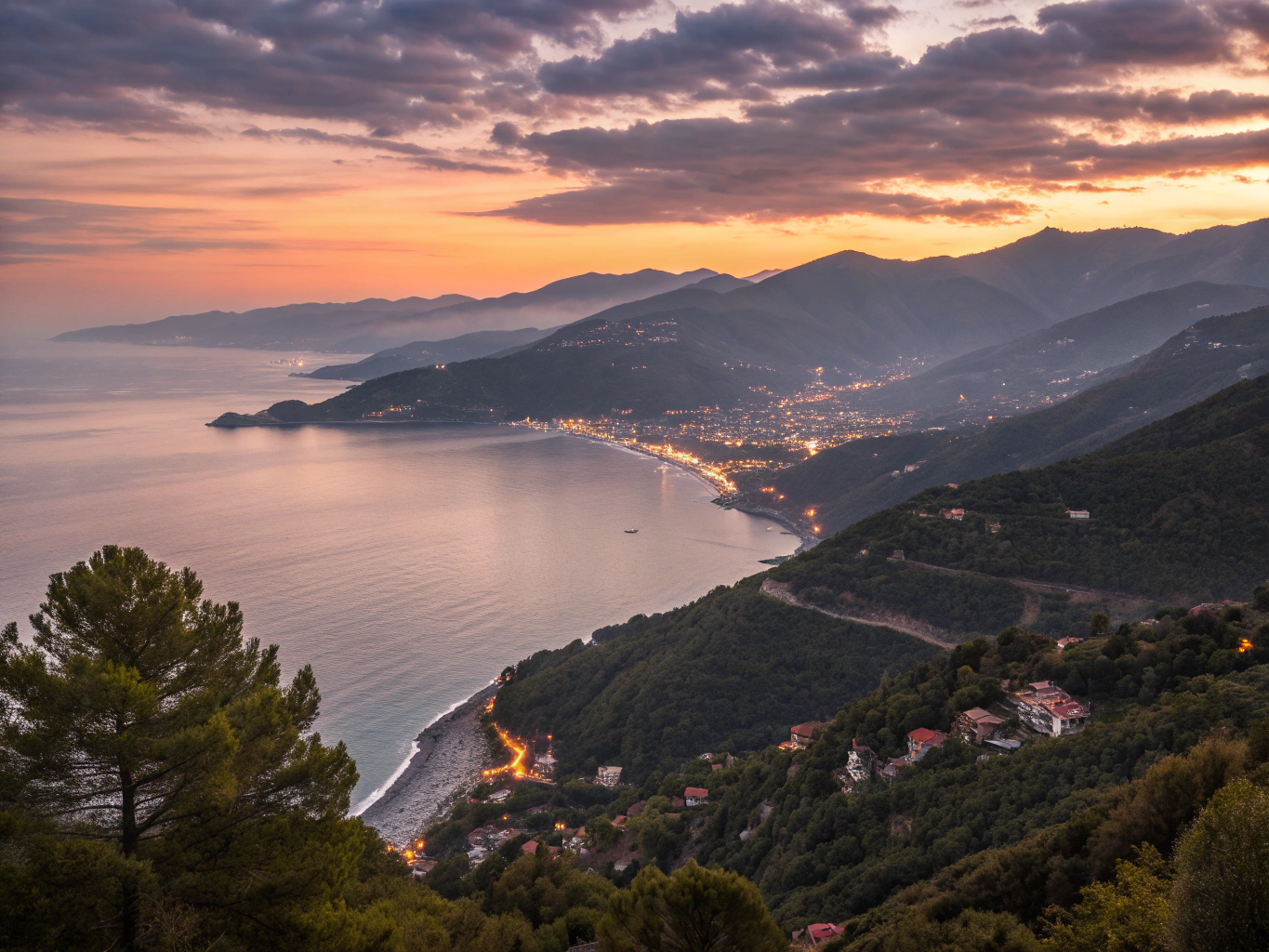
View from Monte Bracco
⏱️ 4-5 hoursModerate
Monte Bracco, also known as the 'holy mountain of climbing,' offers a breathtaking panoramic view of the Ligurian coast and the Maritime Alps. The ascent is challenging, but the view is worth the effort. The sunset is particularly recommended.
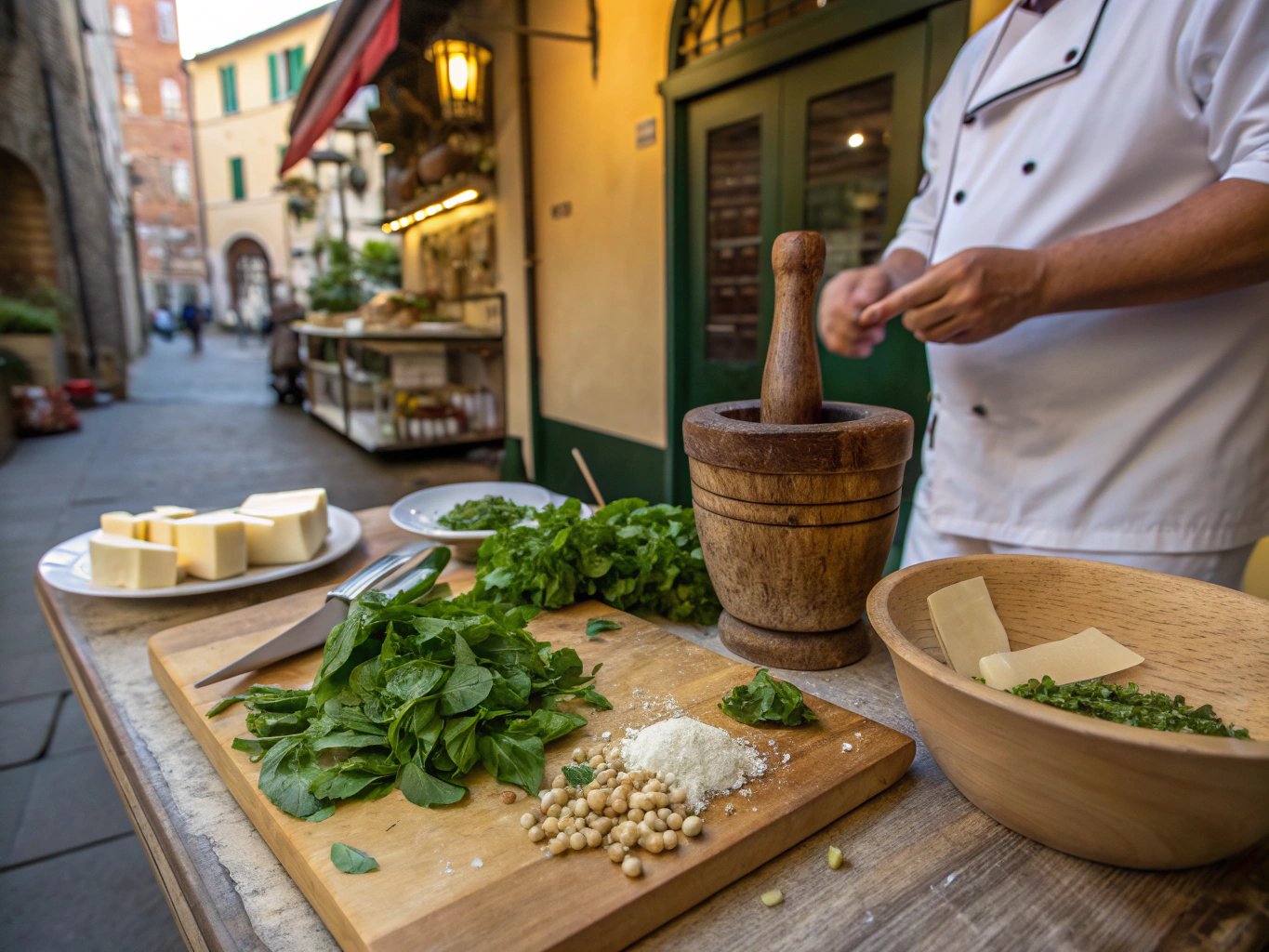
Pesto Course in Genoa
⏱️ 2-3 hoursEasy
Take part in a pesto course in Genoa and learn how to prepare authentic Pesto Genovese. You will select fresh ingredients, crush the basil with a mortar, and enjoy the finished pesto with trofie pasta. An unforgettable culinary experience.
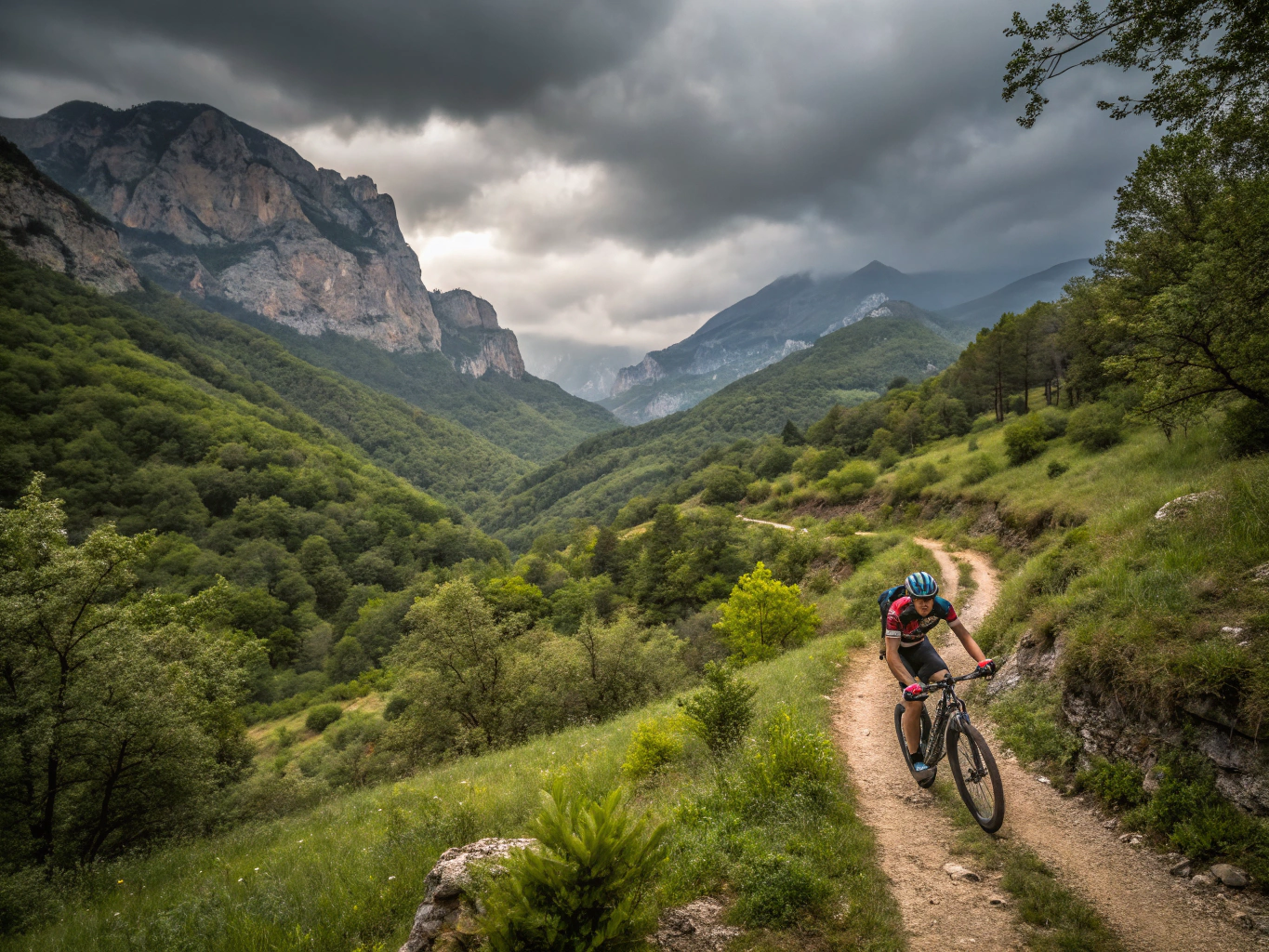
Mountain Biking in Val Nervia
⏱️ 5-6 hoursChallenging
Val Nervia offers challenging mountain bike trails through dense forests and over stony paths. The routes are varied and offer something for both beginners and experienced bikers. Enjoy the ride and the wonderful nature.
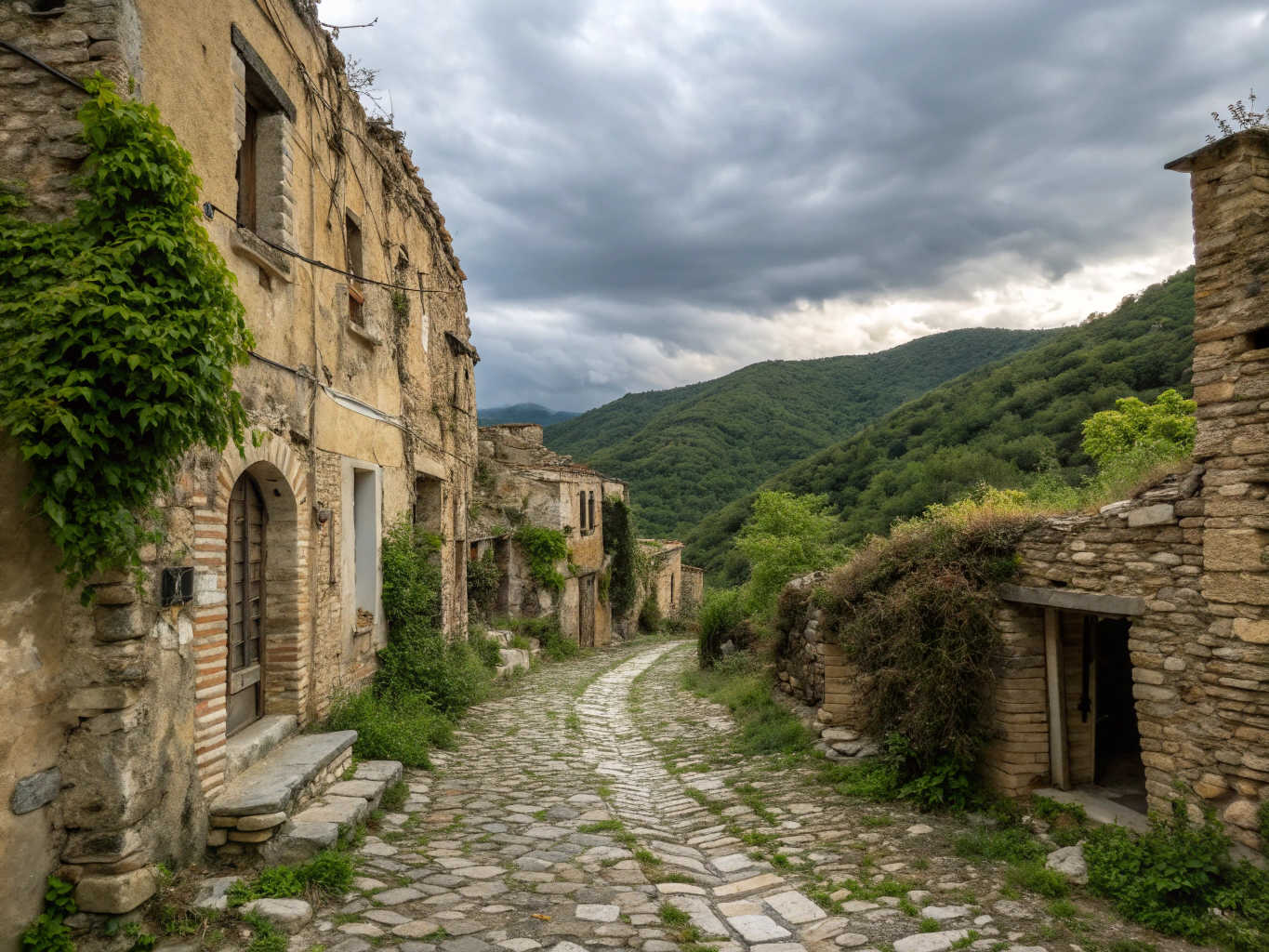
Bussana Vecchia
⏱️ 2-3 hoursEasy
Bussana Vecchia is an abandoned village that was revitalized by artists in the 1960s. Today, the village is a unique open-air museum with quirky houses and studios. A place off the beaten track that invites discovery and wonder.
Facts & Figures
Camping Region Ligurien
- 🌍 Country
- 🇮🇹 Italien
- 📍 Region
- Liguria
- 🏛️ Province
- Imperia, Savona, Genoa, La Spezia
- ☀️ Climate
- Mediterranean, mild winters, warm summers
- 📅 Best Season
- May/June for hikers, July/August for beachgoers
- 🌡️ Summer Avg
- 27°C
- 🌸 Spring Avg
- 18°C
- 🏕️ Campsites
- ~250
- ✈️ Airport
- Genoa (GOA)
- 🚌 Public Transport
- Well-developed bus and train network
- 🌧️ Rainy Days
- 8-10 days per month (spring/autumn)
- 🚗 From Munich
- 8 hrs / 750 km via A9/A21
- 🚗 From Hamburg
- 14 hrs / 1400 km via A7/A5
- 💰 Price Level
- €€
- 🐕 Dogs
- Good
- 🎯 Suitable For
- Active travelersFamiliesCulture enthusiasts
🚦 Occupancy by Month
Jan
Feb
Mar
Apr
May
Jun
Jul
Aug
Sep
Oct
Nov
Dec
Quiet Moderate Busy Crowded
 Rent Camper Ligurien
 Campsites Ligurien