


🌿 Natur & Wildnis👨👩👧👦 Familien
Camping Guide | Thüringen
Discover the Green Heart
Deutschland, 🇩🇪 Deutschland
Camping Guide | Thüringen
Close your eyes and take a deep breath: the scent of fresh forest and aromatic herbs is in the air. Welcome to Thuringia, the green heart of Germany. Camping in Thuringia means pure variety: whether you are looking for the peace of the Thuringian Rhön, want to discover the cultural treasures of Weimar, or want to get active in the Thuringian Forest – you will find your ideal camping holiday here. Unlike elsewhere, a combination of untouched nature and rich history awaits you, far from mass tourism.
💡Thuringia is honest, down-to-earth, and surprisingly diverse.
The Region in Detail
Your comprehensive travel guide for camping Thüringen.
Location & Arrival in Thuringia
Thuringia is located in the heart of Germany and borders the federal states of Lower Saxony, Saxony-Anhalt, Hesse, Bavaria, and Saxony. The region is characterized by a diverse landscape, ranging from rolling hills in the north to the forested heights of the Thuringian Forest in the south. Arriving by car is straightforward via well-developed motorways.
From Munich, the best way to reach Thuringia is via the A9 heading north. The journey takes about 4 hours and leads through varied landscapes. Those arriving from Frankfurt am Main take the A5 and then the A4 heading east. The travel time is around 2.5 hours. Coming from Hamburg, you drive via the A7 and the A38, with a travel time of about 4.5 hours.
For travelers by train, Deutsche Bahn offers regular connections to Erfurt, Jena, and Weimar. From there, you can reach smaller towns and campsites in the region via regional trains and buses. Erfurt-Weimar Airport (ERF) offers domestic connections, but is primarily of interest to domestic travelers. From there, you can take the tram or a taxi to Erfurt city center and have access to public transport.
Within Thuringia, you can get around well using public transport. Regional trains connect the larger cities, while buses also serve the smaller towns. For excursions into nature, a bicycle is recommended, which you can either bring with you or rent locally. Many campsites also offer bicycle rentals.
The A4 crosses Thuringia in an east-west direction, while the A9 runs from north to south. Toll fees are currently not charged on German motorways. However, a fee is charged for the use of some tunnels, such as the Rennsteig Tunnel on the A71. Payment is usually made in cash or by credit card directly at the toll station.
Environmental zones exist in some Thuringian cities, including Erfurt and Jena. Find out in advance whether your vehicle requires an environmental badge to be allowed to enter these zones. Information on this can be found on the websites of the respective cities.
Overview of the Sub-regions
Thuringia can be roughly divided into four sub-regions, each with its own character and charm: the Thuringian Forest, the Rhön, the Thuringian Basin, and the Eichsfeld.
The Thuringian Forest stretches as a green ribbon through southern Thuringia. Here, hikers and nature lovers will find a true paradise. Oberhof is known for its winter sports facilities, while Schmalkalden attracts visitors with its historic old town. Families feel particularly at home here, as there are numerous child-friendly hiking trails and attractions. Active vacationers can let off steam mountain biking, climbing, or canoeing.
The Rhön, a low mountain range in western Thuringia, impresses with its wide plateaus and panoramic views. Here you will also find Thuringia's highest mountain, the Großer Beerberg. Hikers and nature lovers get their money's worth here. The Rhön is also particularly popular with paragliders and glider pilots.
The Thuringian Basin, a wide plain in the center of Thuringia, is characterized by fertile fields and rolling hills. This is where the cultural cities of Erfurt, Weimar, and Jena are located, attracting visitors with their historic old towns and numerous sights. History buffs and culture enthusiasts will find plenty to do here. Families with children will also find numerous offers, such as the Erfurt Zoo or the Zeiss Planetarium in Jena.
The Eichsfeld, a region in northwestern Thuringia, is known for its half-timbered villages and its Catholic tradition. Hikers and cyclists will find a well-developed network of paths here. Particularly worth seeing is the Reifenstein Monastery, a former Cistercian monastery.
Each of these regions offers unique experiences for camping vacationers. Whether you are looking for the peace of nature, want to discover cultural treasures, or want to be active – in Thuringia, you are guaranteed to find the right offer. The diversity of the regions makes camping in Thuringia a varied and unforgettable experience. Don't forget to try the regional specialties, such as the Thuringian Rostbratwurst or Thuringian dumplings. These culinary delights are an integral part of Thuringian culture and should not be missed on any visit.
Camping in Thuringia: What to Expect?
The camping landscape in Thuringia is diverse and offers something for every taste. From large resort sites with pools and animation to small, nature-oriented sites, everything is available. In total, there are about 150 campsites in Thuringia, spread across the entire region.
Many campsites in Thuringia are family-friendly and offer a wide range of activities for children. These include, for example, playgrounds, petting zoos, and animation programs. Those who prefer it quieter will also find numerous nature-oriented sites that are ideal for relaxation and recreation. Agriturismo or farm camping is also possible in Thuringia. Here you can experience country life up close and buy regional products directly from the producer.
Motorhome pitches are widespread in Thuringia. Many campsites offer special pitches for motorhomes with electricity and water connections as well as disposal facilities. The prices for a pitch vary depending on the season and equipment. In the high season, from July to August, prices for a pitch are between 20 and 30 euros per night. In the low season, from May to June and from September to October, prices are significantly cheaper and range between 15 and 25 euros per night.
The size of the pitches varies depending on the campsite. As a rule, the pitches are large enough to set up a tent, a caravan, or a motorhome. Many pitches offer shade from trees, but there are also sunny pitches. The sanitary facilities at the campsites in Thuringia are generally clean and well-maintained. However, the standard varies depending on the site. Wi-Fi is available at many campsites, but the quality can vary. Electricity connections are available at most pitches, but the amperage varies depending on the site.
A reservation is recommended, especially in the high season, as the most popular campsites book up quickly. However, there are always last-minute opportunities, especially outside of holiday periods. Those who are flexible can also find a pitch spontaneously. Find out in advance about the facilities and prices of the various campsites to find the ideal spot for your camping holiday in Thuringia.
Practical Information for Campers
For a carefree camping holiday in Thuringia, it is important to note some practical information. Toll fees on German motorways are currently suspended, but fees may apply for certain tunnels. Find out about the respective regulations in advance.
Diesel prices in Germany are generally slightly higher than in other European countries. Petrol stations are usually open from 6 am to 10 pm, some also around the clock. Supermarkets such as Lidl, Rewe, and Edeka are widespread in Thuringia. Opening hours are usually from 8 am to 8 pm, and some supermarkets are also open on Sundays.
The gas supply can be easily ensured in Thuringia. German gas cylinders can usually be exchanged; adapters are not required. Disposal stations for camping toilets and wastewater are available at many campsites. Find out about the respective options in advance.
Mobile network coverage is generally good in Thuringia, but there may be restrictions in remote areas. The roaming situation for foreign mobile customers is usually unproblematic, but check with your provider in advance about the respective conditions.
Medical care is well-developed in Thuringia. Hospitals and pharmacies are available in the larger cities. In emergencies, dial the emergency number 112.
Wild camping is generally prohibited in Thuringia. However, there are a few exceptions, for example on private property with the owner's permission. Find out about the respective regulations in advance.
The tap water in Thuringia is generally of good quality and can be drunk without hesitation. Nevertheless, it is recommended, especially in rural areas, to use bottled water.
When camping in Thuringia, you should observe the applicable nature conservation regulations. Avoid noise and litter and respect nature. In some areas, special rules apply to entering forests and nature reserves. Find out about the respective regulations in advance to make your camping holiday responsible.
Insider Knowledge & Secret Tips
Off the beaten path, there are still many undiscovered treasures to find in Thuringia. The low season, especially the months of May, June, and September, offers numerous advantages. The campsites are less crowded, prices are cheaper, and nature shows its most beautiful side.
An insider tip is the Hohenfelden Reservoir, located about 20 kilometers east of Erfurt. Here you can not only swim and relax, but also sail, surf, and fish. The reservoir is easily accessible via the B7 and B85 and offers numerous campsites in the area.
Local markets and direct sales are a great way to get to know regional products. The weekly market in Erfurt takes place every Friday on the Cathedral Square (Domplatz) and offers a large selection of fresh food, flowers, and craft products. Wineries and farm shops can be found mainly in the Thuringian wine-growing region around Bad Sulza.
A special highlight is the Herb Days in Bad Heilbrunn. Here, everything revolves around herbs and their diverse uses. There are herb tours, cooking classes, and a herb market. The festival takes place every year in July.
Culinary-wise, you should definitely try the Thuringian Rostbratwurst, which can be found at every barbecue. Another must is Thuringian dumplings (Klöße), which are made from raw and cooked potatoes. Locals like to visit the small restaurants and country inns that offer regional specialties. Here you will find authentic Thuringian cuisine at fair prices.
A worthwhile day trip is the Wartburg in Eisenach, which is a UNESCO World Heritage site. The drive from Erfurt takes about an hour and leads through a charming landscape. Admission to the Wartburg costs 12 euros per person. A visit to the Wartburg is a must for history buffs and culture enthusiasts.
Another insider tip is the Saalfeld Fairy Grottoes (Feengrotten), which are among the most colorful show caves in the world. The grottoes are located about 50 kilometers south of Jena and are easily accessible via the A4 and B85. The guided tour through the grottoes takes about an hour and costs 10 euros per person. The Saalfeld Fairy Grottoes are an unforgettable experience for young and old.
Experiences & Activities: Thüringen
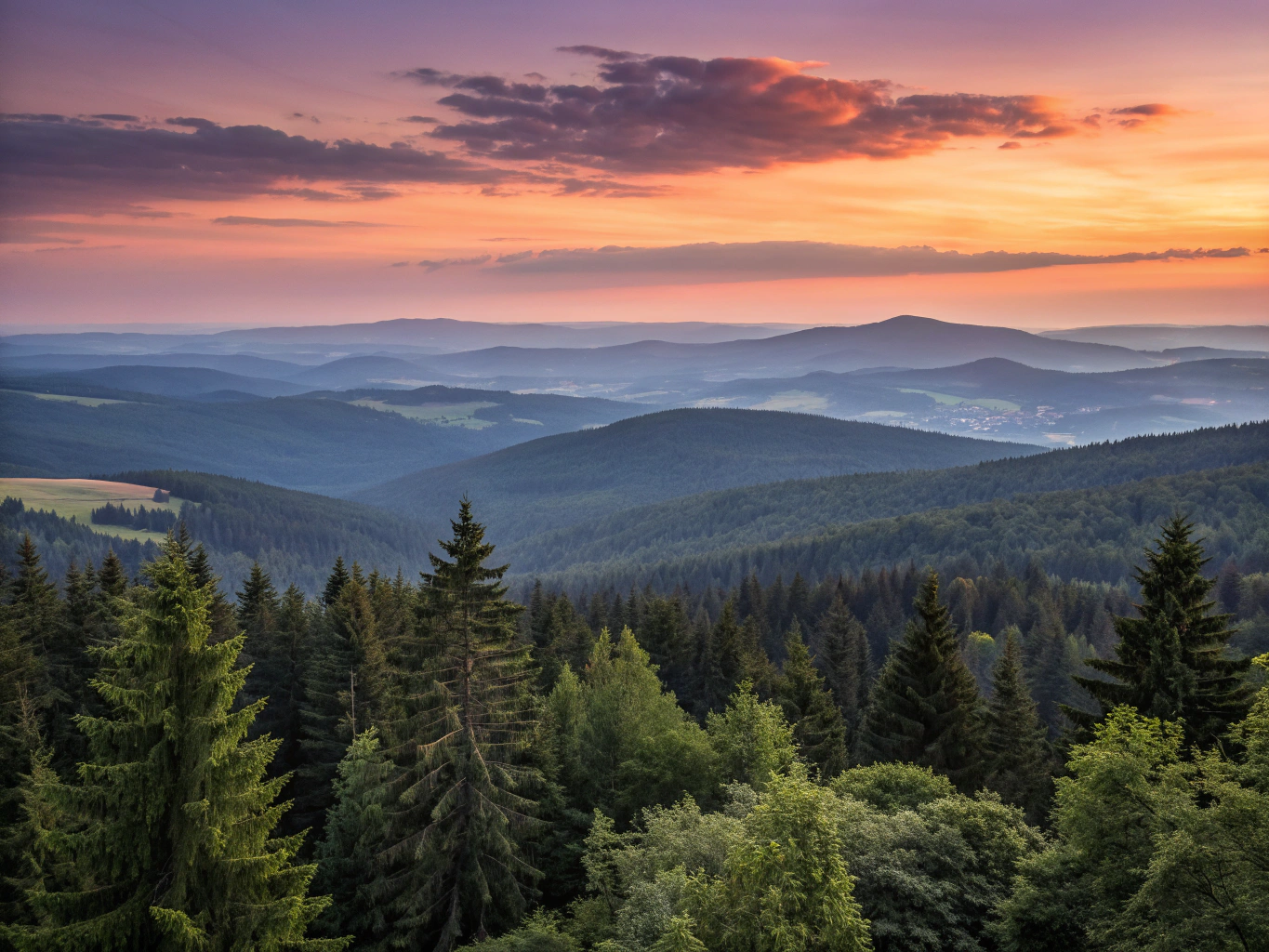
Panoramic View from the Kickelhahn
⏱️ 2-3 hoursModerate
Enjoy the breathtaking view over the Thuringian Forest from the Kickelhahn, the local mountain of Ilmenau. The ascent is moderate and rewards you with a magnificent view. The sunset is particularly recommended.
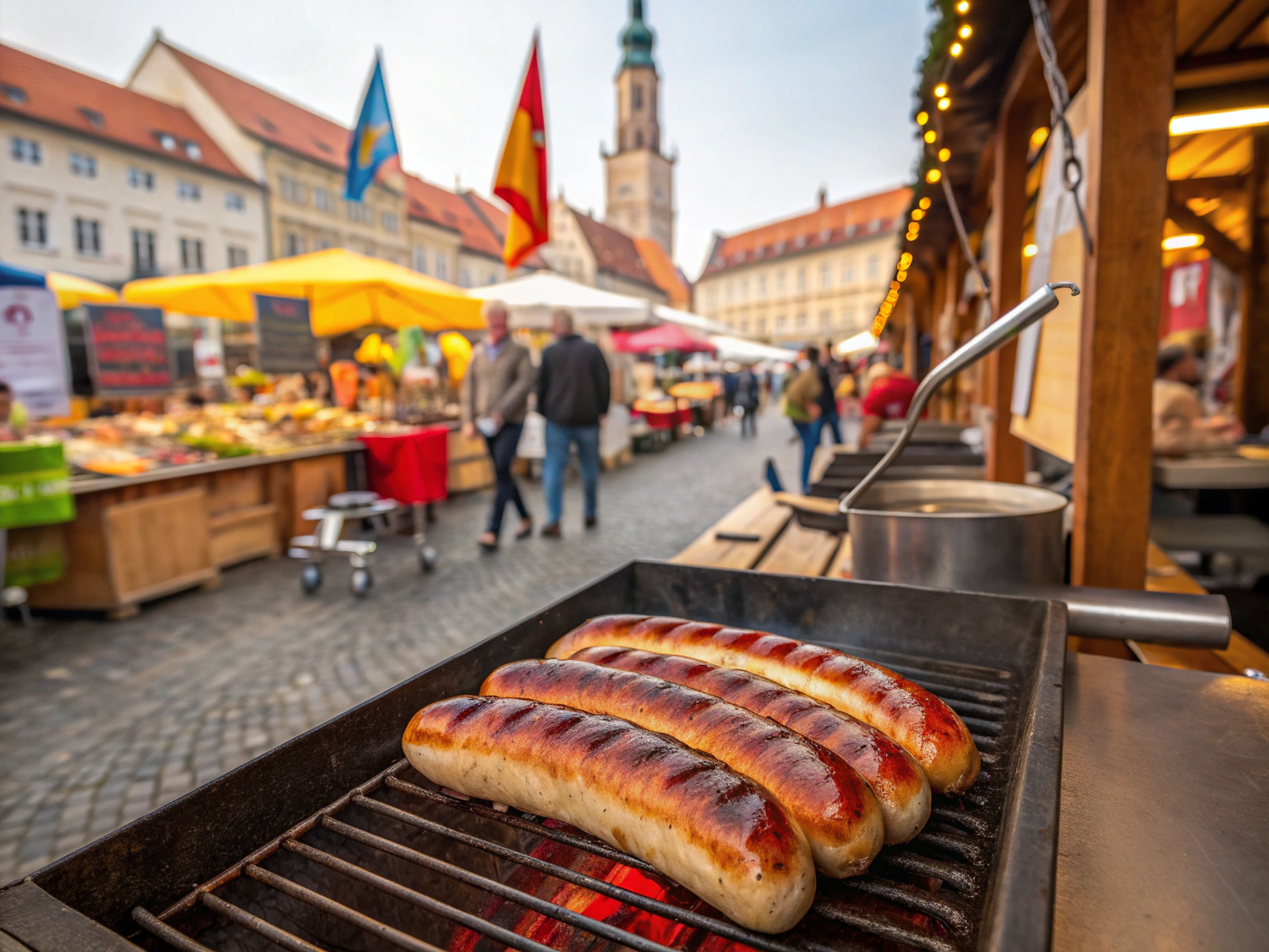
Culinary Journey through Erfurt
⏱️ variableEasy
Discover the variety of Thuringian cuisine at the Erfurt weekly market and in the numerous restaurants of the old town. Try the Thuringian Rostbratwurst, Thuringian dumplings, and other regional specialties. A culinary must for every visitor to Thuringia.
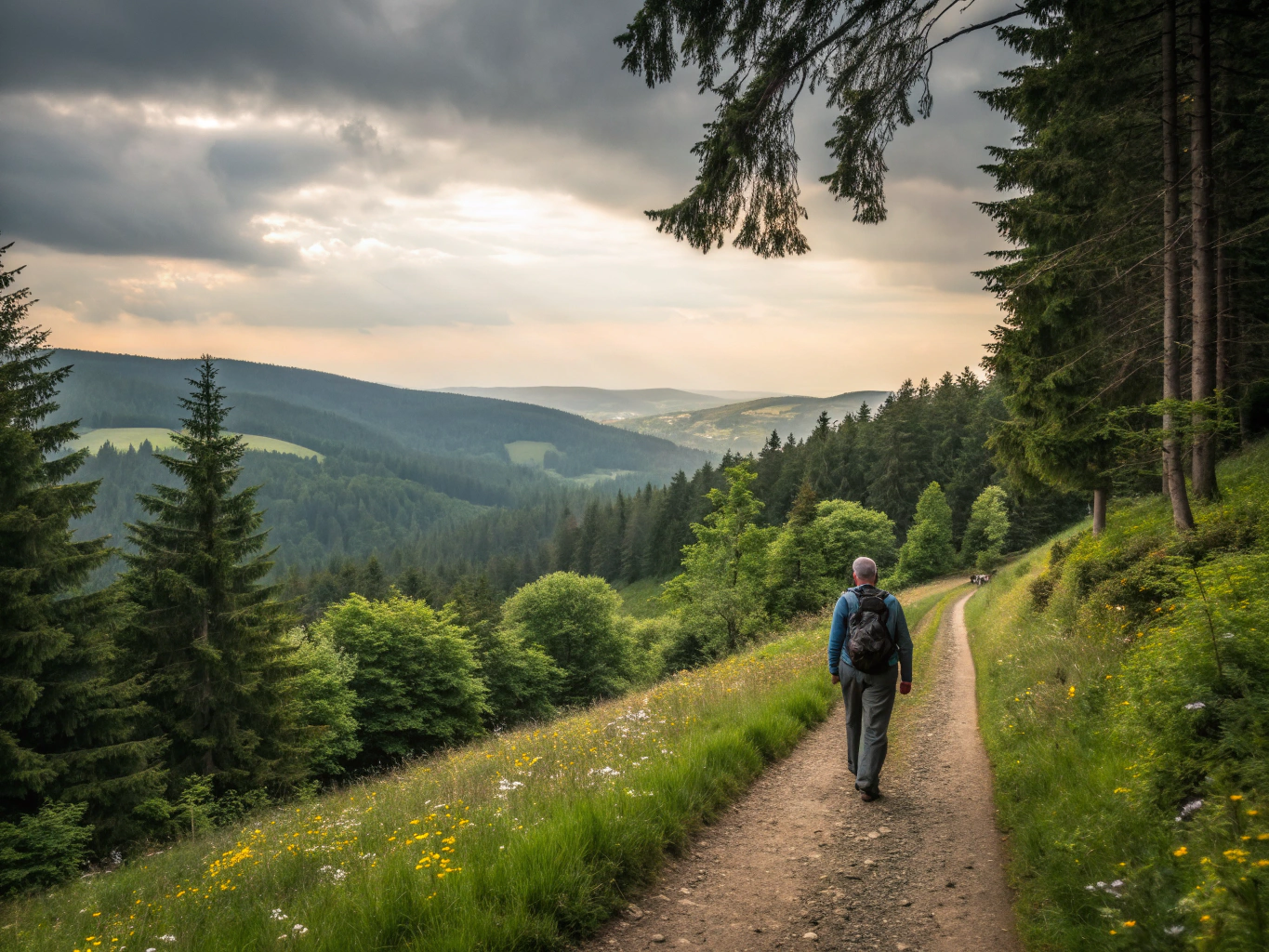
Hiking on the Rennsteig
⏱️ several daysChallenging
Experience the nature of the Thuringian Forest on the Rennsteig, Germany's most famous hiking trail. The route is demanding, but the varied landscape and the magnificent views compensate for the effort. Plan several days for the entire route.
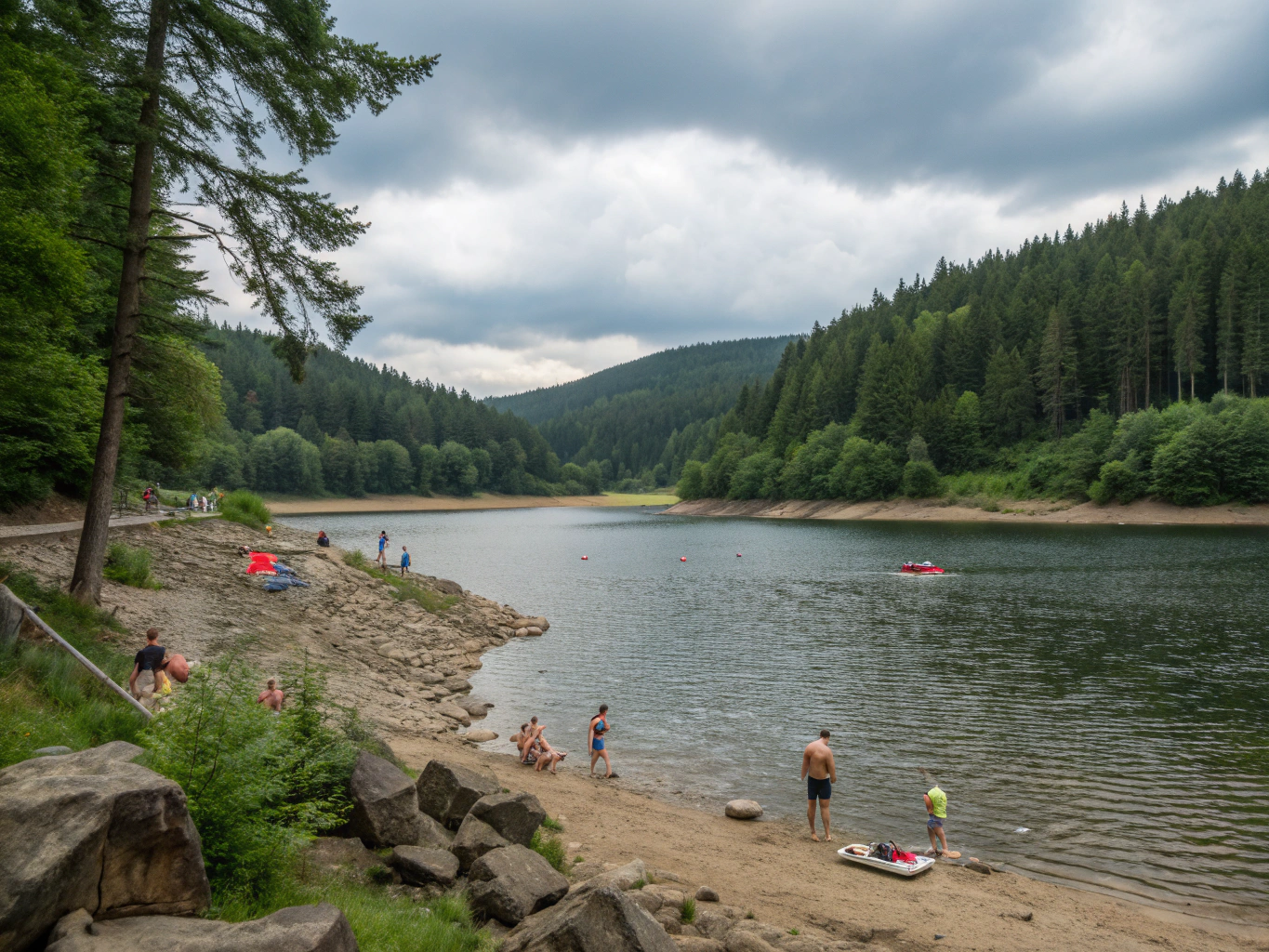
Relaxation at the Ebertswiese Mountain Lake
⏱️ variableEasy
Off the beaten tourist paths lies the Ebertswiese mountain lake, an idyllic place for relaxing and swimming. The lake is surrounded by dense forests and offers wonderful peace. Accessible via a small road from Floh-Seligenthal.
Facts & Figures
Camping Region Thüringen
- 🌍 Country
- 🇩🇪 Deutschland
- 📍 Region
- Thuringia
- 🏛️ Province
- No provinces, Thuringia is a federal state
- ☀️ Climate
- Temperate, with warm summers and cool winters
- 📅 Best Season
- May/June for hiking, July/August for swimming lakes
- 🌡️ Summer Avg
- 22°C
- 🌸 Spring Avg
- 12°C
- 🏕️ Campsites
- ~150
- ✈️ Airport
- Erfurt-Weimar (ERF)
- 🚌 Public Transport
- Regional trains and buses connect the larger towns
- 🌧️ Rainy Days
- 12 days per month in summer
- 🚗 From Munich
- 4 hrs / 400 km via A9
- 🚗 From Hamburg
- 4.5 hrs / 450 km via A7 and A38
- 💰 Price Level
- €€ / Moderate, with regional differences
- 🐕 Dogs
- Good / Many hiking trails and campsites are dog-friendly.
- 🎯 Suitable For
- Nature loversCulture enthusiastsHikers
🚦 Occupancy by Month
Jan
Feb
Mar
Apr
May
Jun
Jul
Aug
Sep
Oct
Nov
Dec
Quiet Moderate Busy Crowded
 Rent Camper Thüringen
 Campsites Thüringen