


🌿 Natur & Wildnis👨👩👧👦 Familien
Camping Guide | Eifel
Experience nature, find peace
Deutschland, 🇩🇪 Deutschland
Camping Guide | Eifel
Feel the fresh, clear air, smell the scent of damp earth and wild herbs: Welcome to the Eifel, a region that enchants with its unique landscape. Camping in the Eifel offers you the opportunity to experience impressive nature up close – from the rolling hills of the Voreifel to the rugged rocks of the Hocheifel. Unlike other German low mountain ranges, the Eifel stands out due to its volcanic past, which is evident in the form of maars, crater lakes, and bizarre rock formations. Those who camp here find both peace and adventure at the same time.
💡The Eifel is honest: no overcrowded beaches, just genuine nature experiences.
The Region in Detail
Your comprehensive travel guide for camping Eifel.
Location & Arrival in the Eifel
The Eifel extends over parts of North Rhine-Westphalia and Rhineland-Palatinate and borders Belgium and Luxembourg to the west. It is part of the Rhenish Massif and lies between Aachen in the north, Trier in the south, and Koblenz in the east. The region is easily accessible, both by car and by public transport.
Various motorways are available for arrival by car. From the north, you can best reach the Eifel via the A1 and A61. Coming from the east, take the A48 or A3. Those arriving from the south use the A1 or A61. Please note that tolls apply on some motorway sections in Germany for trucks over 7.5 tons. Cars and motorhomes are currently not subject to a general toll.
From Munich, you can reach the Eifel in about 6.5 hours via the A3 and A48. If you start from Frankfurt, take the A3 and you will be there in around 2.5 hours. Coming from Hamburg, you drive via the A1 and A61, which takes about 6 hours.
The Eifel is also easy to reach by train. The nearest ICE station is Cologne Main Station. From there, there are regular regional train connections to the Eifel, for example to Gerolstein or Euskirchen. The regional trains run several times a day. There are also good train connections to the region from Trier and Koblenz.
The nearest airport is Cologne/Bonn Airport (CGN), which is about 70 km from the Eifel. From there, you can continue your journey to the Eifel by train or bus. Alternatively, Frankfurt-Hahn Airport (HHN) is an option, although it is a bit further away.
Within the Eifel, it is best to get around by car or bicycle. There is a well-developed network of country roads and cycle paths. Some places are also accessible by bus, although the frequency is not always very high. Sturdy shoes and weatherproof clothing are recommended for hiking.
Overview of the Eifel Subregions
The Eifel can be roughly divided into different subregions, each with its own character and special features. The Volcanic Eifel, the High Eifel, the North Eifel, and the South Eifel offer a variety of landscapes and experiences.
The Volcanic Eifel (Vulkaneifel) is shaped by its volcanic past. Here you will find numerous maars, which are water-filled volcanic craters that invite you to swim and relax. Well-known places are Daun, Manderscheid, and Gerolstein. The Volcanic Eifel is ideal for families who want to explore nature and for hikers who love the varied landscape. In Daun, there is the Volcano Museum, which provides insight into the formation of the region. Gerolstein is known for its mineral water and the Gerolstein Dolomites, an impressive rock formation.
The High Eifel (Hocheifel) is the highest region of the Eifel and is characterized by its rugged beauty. The Nürburgring, a world-famous race track, is located here. The High Eifel is a paradise for motorsport fans and nature lovers seeking the peace and vastness of the landscape. Towns like Adenau and Monschau offer historic centers and invite you to linger. In winter, you can even go skiing here.
The North Eifel (Nordeifel), also known as the Eifel National Park, is an Eldorado for hikers and nature lovers. Dense forests and picturesque lakes stretch out here. The Rursee is the largest lake in the North Eifel and offers numerous water sports opportunities. Places like Schleiden and Monschau are worth a visit. The North Eifel is particularly suitable for families and nature lovers seeking peace and seclusion.
The South Eifel (Südeifel), on the border with Luxembourg, is known for its rolling hills and vineyards. It is a wonderful place for cycling and hiking. Towns like Irrel and Echternach (Luxembourg) offer cultural sights. The South Eifel is ideal for couples and gourmets who appreciate the regional cuisine and the wines of the region.
No matter which subregion you choose, the Eifel offers something for every taste. Whether you want to explore the volcanic past, enjoy the peace of the forests, or try the regional cuisine, you will find it here.
Camping in the Eifel: What to Expect?
The camping landscape in the Eifel is diverse and offers the right choice for every taste. There are about 150 campsites in the region, ranging from large resort sites with pools and entertainment to small, nature-oriented sites. Agriturismo/farm camping and pitches for motorhomes are also available.
The large resort campsites, such as the campsite at Rursee or the campsite in Hillesheim, offer a comprehensive infrastructure with swimming pools, restaurants, supermarkets, and entertainment programs. These sites are ideal for families with children who value comfort and entertainment. In high season, a pitch here costs between 30 and 40 euros per night.
For nature lovers and peace seekers, there are numerous small, nature-oriented campsites, often located directly on rivers or lakes. These sites are usually more simply equipped but offer a special nature experience. Examples include the campsite on the Kyll or the campsite at Laacher See. Here, a pitch in high season costs between 20 and 30 euros per night.
Agriturismo/farm camping is another interesting option. Here you can camp directly on a farm and get to know rural life. Often there is the possibility to buy regional products or help with work on the farm. This type of camping is particularly popular with families with children. Prices vary depending on the farm and equipment.
Pitches for motorhomes are also widespread in the Eifel. Many towns offer special pitches with supply and disposal facilities. These pitches are often cheaper than campsites but offer less comfort. Prices are usually between 10 and 20 euros per night.
The size of the pitches varies depending on the campsite. Usually, the plots are between 80 and 120 square meters. Whether you prefer a shady or sunny pitch depends on your personal preferences. Many campsites offer both shady and sunny pitches.
The sanitary standard at the campsites in the Eifel is generally good. Most sites have clean sanitary facilities with showers, toilets, and sinks. Electricity connections are also standard. Wi-Fi quality varies. Some sites offer free Wi-Fi, while others require payment. The amperage is usually 6 or 16 amps.
In high season, it is advisable to reserve a pitch in advance, especially if you prefer a specific campsite. While there are last-minute opportunities, the selection is often limited.
Practical Information for Campers in the Eifel
For a relaxed camping holiday in the Eifel, it is helpful to know some practical information. Here you will find answers to important questions about tolls, petrol stations, shopping, gas supply, disposal, mobile communications, medical care, rules, and drinking water.
Tolls: In Germany, there is currently no general toll for cars and motorhomes under 7.5 tons. For trucks over 7.5 tons, tolls apply on motorways. Payment is made electronically via an on-board unit or manually at toll stations.
Petrol stations: The petrol station network in the Eifel is well-developed. Diesel prices in Germany are relatively uniform and can vary depending on the time of day and the petrol station. Compared to other European countries, diesel prices in Germany are rather moderate. Petrol station opening hours are usually from early morning until late evening, with some stations even open 24 hours.
Shopping: In the larger towns of the Eifel, there are supermarkets such as Lidl, Rewe, and Edeka. Opening hours are usually Monday to Saturday from 8 am to 8 pm. Supermarkets are generally closed on Sundays, but there are often bakeries and petrol stations that are open and offer a small selection of groceries.
Gas supply: German gas cylinders can be easily exchanged in the Eifel. No adapter is necessary. Many campsites and DIY stores offer a gas cylinder exchange service.
Disposal: Most campsites have disposal stations for wastewater and chemical toilets. There are also public disposal stations in some larger towns. Use is usually free of charge.
Mobile communications: Network coverage in the Eifel varies. There is good network coverage in urban areas, but there may be restrictions in remote areas. Roaming is no problem within the EU, but high fees may apply outside the EU.
Medical care: There are hospitals and pharmacies in the larger towns of the Eifel. Medical care is good. It is advisable to take out travel health insurance.
Rules: Wild camping is generally prohibited in Germany. However, there are a few exceptions, for example on private property with the owner's permission. Camping is generally prohibited in nature reserves and national parks. There are no environmental zones in the Eifel.
Drinking water: Tap water in Germany is of high quality and can be drunk without hesitation. Campsites usually have drinking water connections.
Insider Knowledge & Secret Tips for the Eifel
Off the beaten track, there are numerous secret tips and insider knowledge in the Eifel that will make your camping holiday a special experience. Here are some tips that you won't find in every travel guide.
Low season advantages: The months of May, June, and September are ideal for a camping holiday in the Eifel. The weather is pleasant, the campsites are not overcrowded, and prices are often cheaper. You also have the opportunity to enjoy nature in peace.
Less known places and beaches: Kronenburger See, located about 10 km south of Dahlem, is a secret tip for swimmers. It can be reached via the L22 country road. The healing gallery (Heilstollen) in Bleialf, accessible via the B265, is also worth a visit. Here you can experience the healing effects of the air.
Local markets and direct sales: Every Saturday, a weekly market takes place in Daun where you can buy regional products such as cheese, sausage, vegetables, and fruit. Many wineries and farm shops also offer their products directly for sale. A visit is worth it!
Local festivals and events: In August, the Roman Festival takes place in Bad Bertrich, where you can immerse yourself in the time of the Romans. In September, there are wine festivals in many places where you can taste the wines of the region.
Culinary tips: Be sure to try the Eifel Döppekooche, a potato bake with bacon and onions. Eifel ham and Volcanic Eifel cheese are also regional specialties that you shouldn't miss. In Hillesheim, known as the crime fiction capital, there are numerous restaurants offering regional cuisine.
Locals' restaurants/bars: The restaurant 'Zum alten Brunnen' in Daun is very popular with locals. It offers good home-style cooking at fair prices. The restaurant 'Eifelstube' in Gerolstein is also worth a visit.
Day trips: A day trip to Trier, Germany's oldest city, is definitely worth it. The drive takes about an hour. A visit to the Maria Laach Abbey at Laacher See is also recommended. The driving time is approx. 45 minutes.
With these insider tips, your camping holiday in the Eifel will be an unforgettable experience.
Experiences & Activities: Eifel
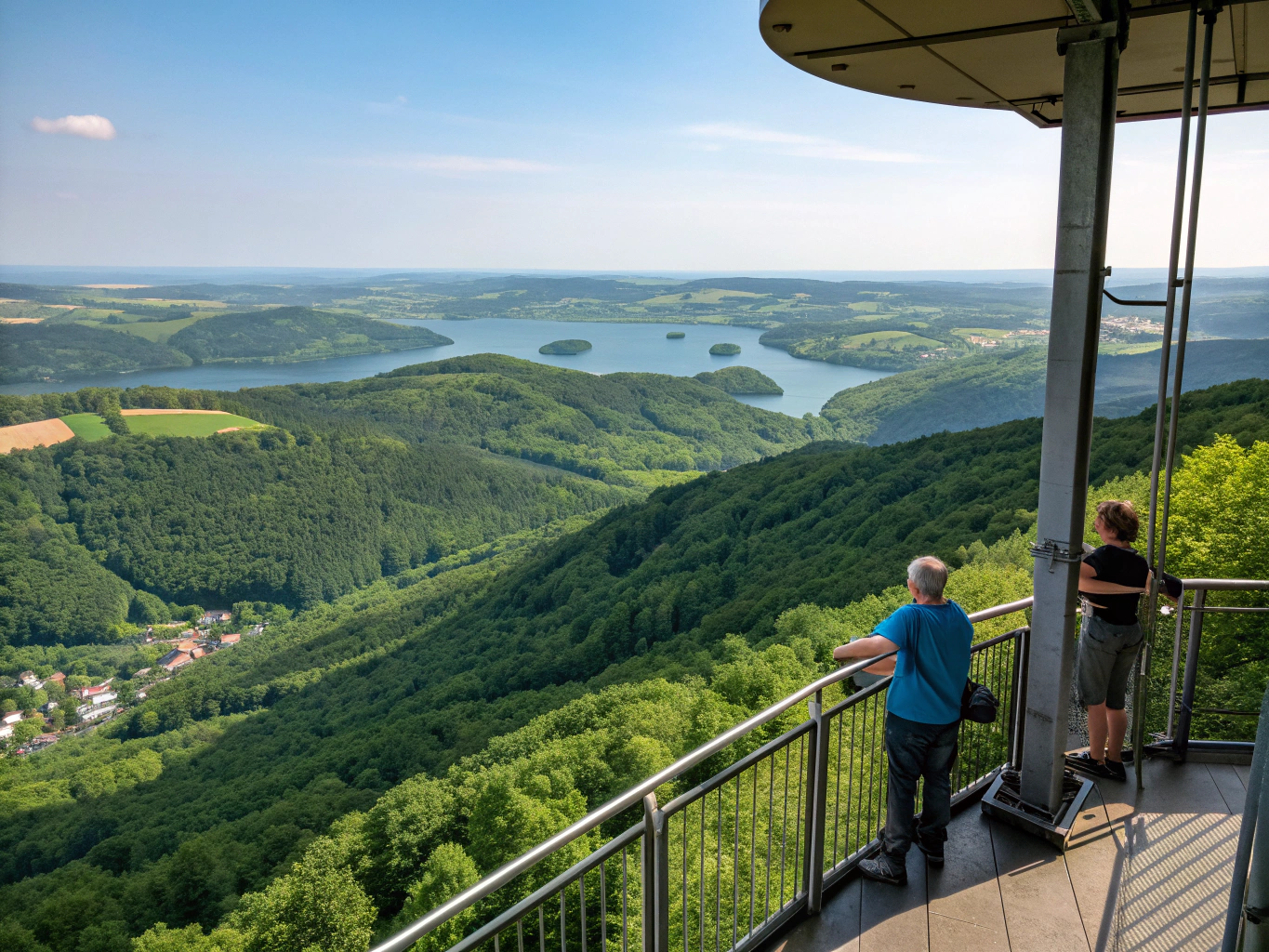
Eifel-Blick Viewpoint
⏱️ 30 minutesEasy
Enjoy the panoramic view over the Volcanic Eifel. On a clear day, the view extends to the heights of the Hunsrück. Accessible via a short hiking trail from Daun.
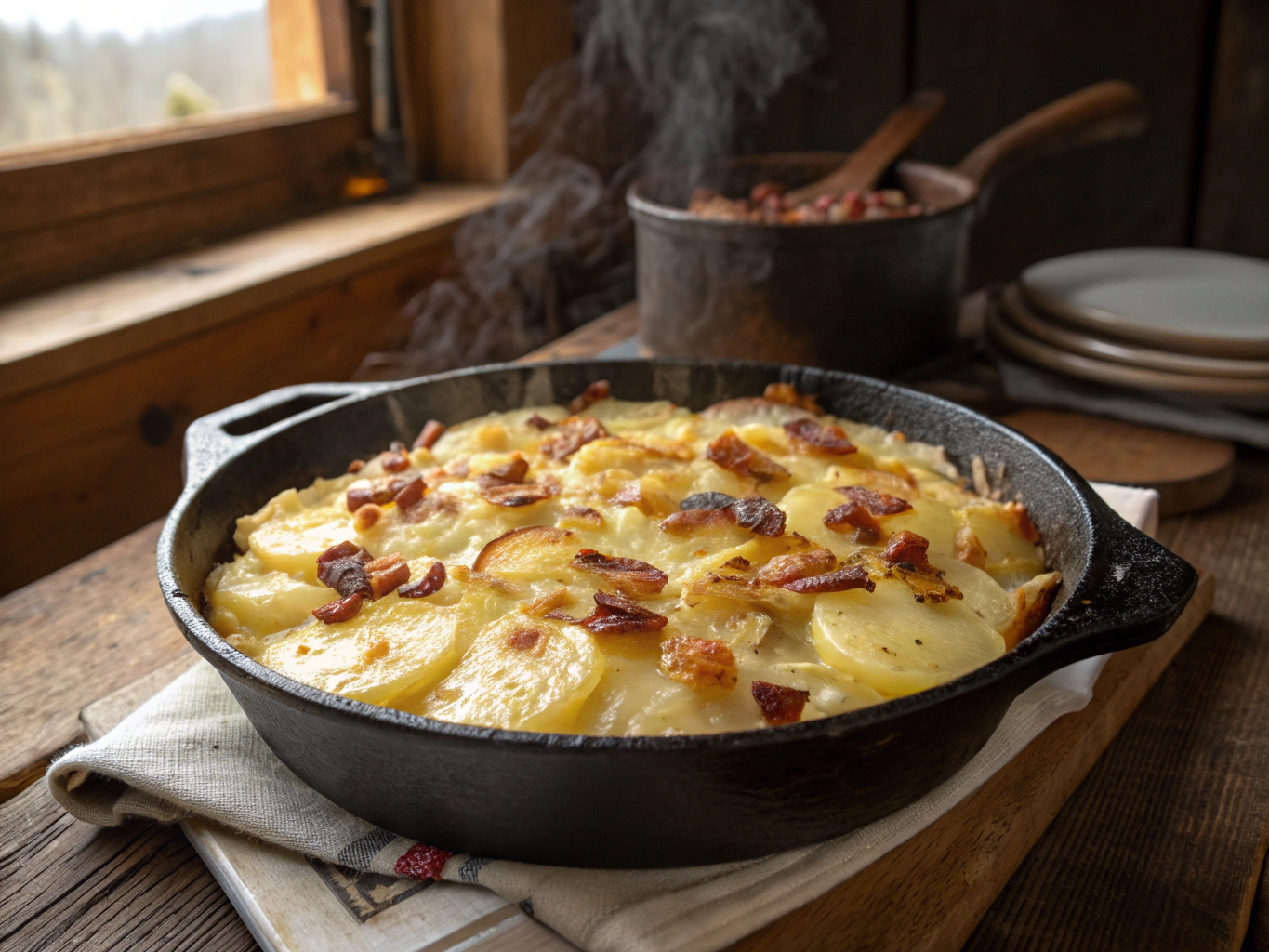
Döppekooche
⏱️ 1 hourEasy
Try the traditional Eifel Döppekooche, a hearty potato bake with bacon and onions. Served in many restaurants in the region, especially recommended in Hillesheim.
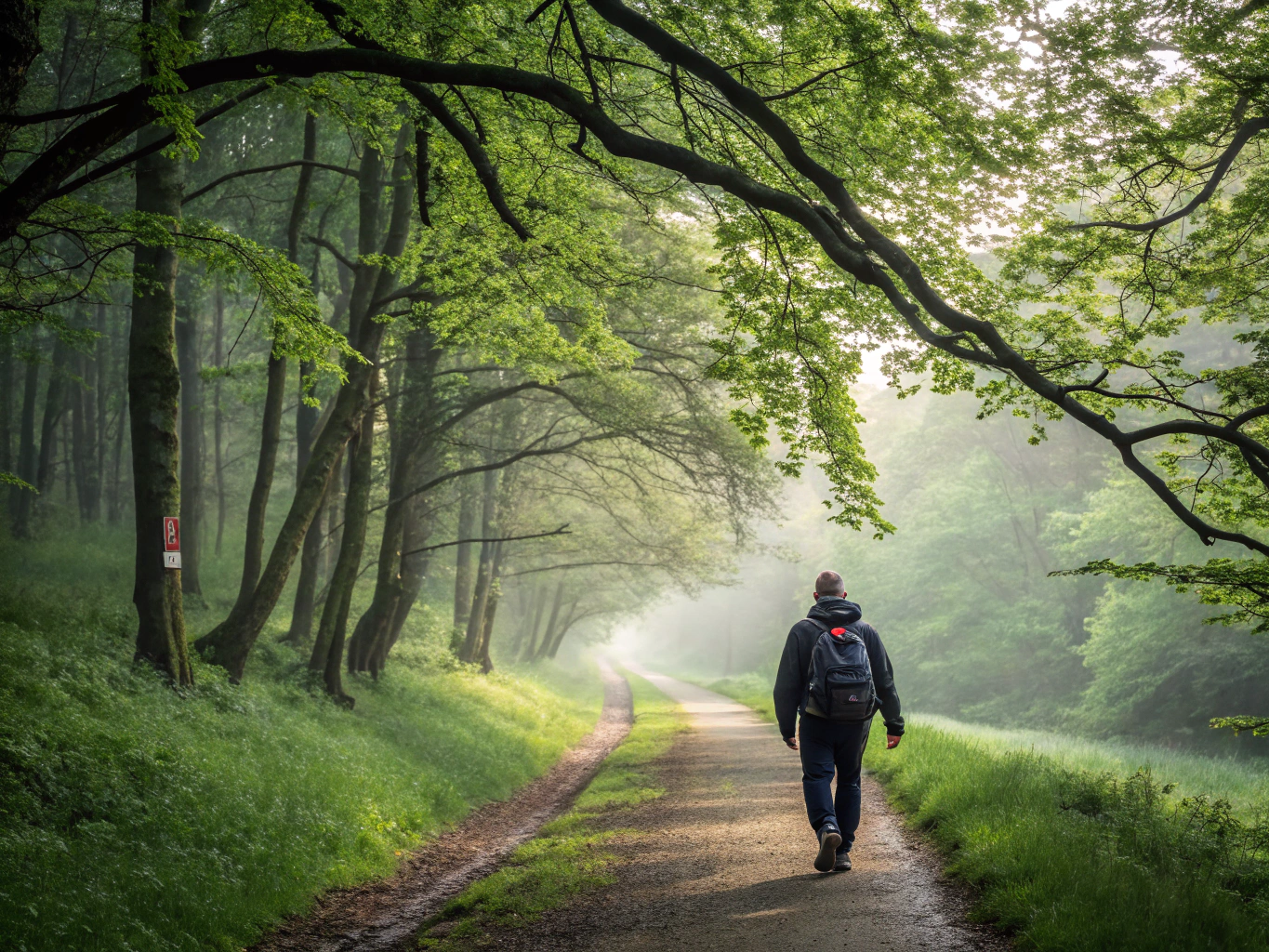
Hiking in the Eifel National Park
⏱️ 4 hoursModerate
Explore the untouched nature of the Eifel National Park on numerous hiking trails. Discover rare animal and plant species. Starting point: National Park Center in Schleiden-Gemünd.
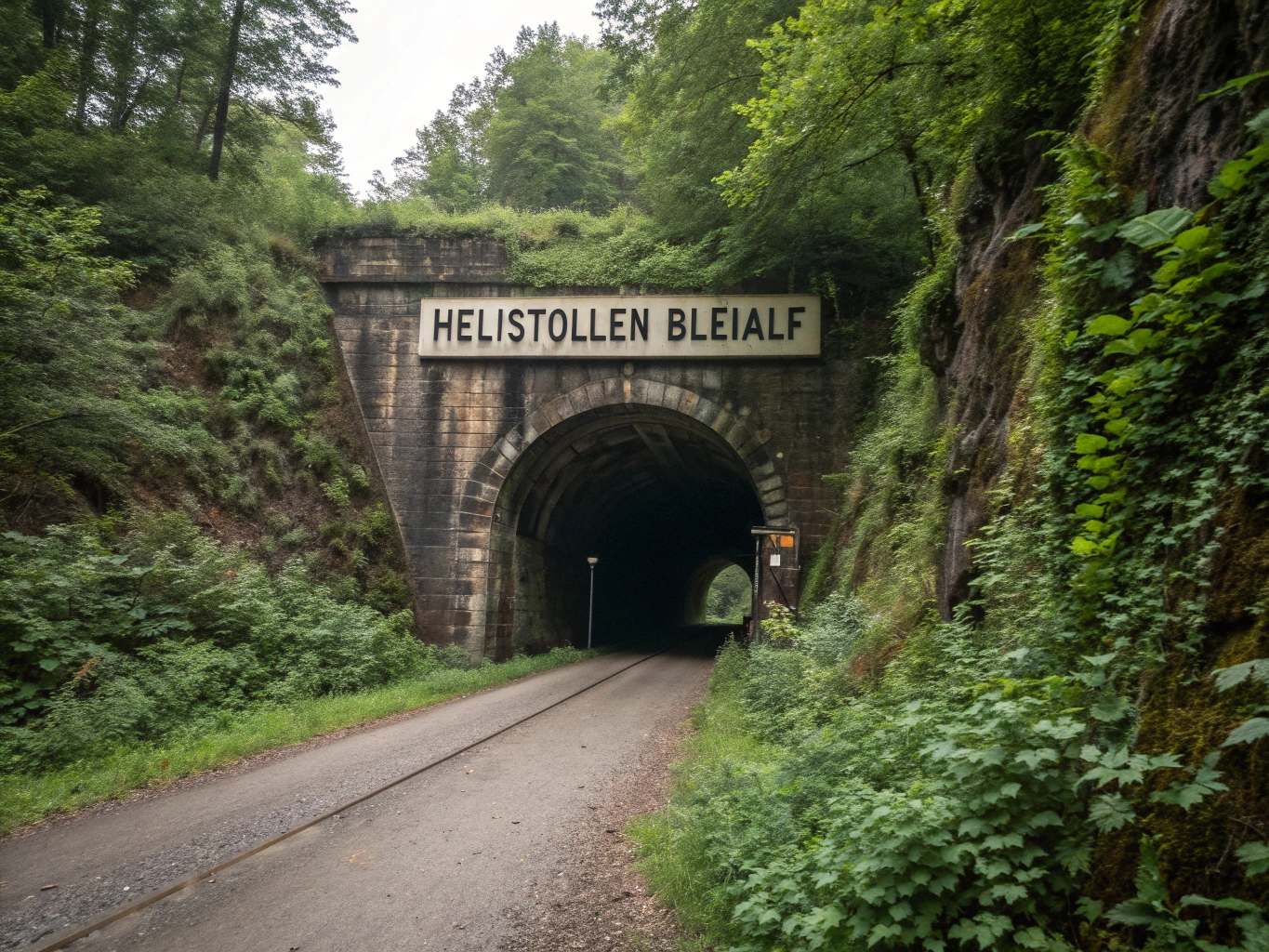
Bleialf Healing Gallery
⏱️ 2 hoursEasy
Visit the healing gallery in Bleialf and breathe in the pure, radon-containing air. Ideal for people with respiratory diseases. Accessible via the B265.
Facts & Figures
Camping Region Eifel
- 🌍 Country
- 🇩🇪 Deutschland
- 📍 Region
- North Rhine-Westphalia / Rhineland-Palatinate
- 🏛️ Province
- Aachen, Düren, Euskirchen, Vulkaneifel, Cochem-Zell, Mayen-Koblenz, Trier-Saarburg
- ☀️ Climate
- Temperate, with cool winters and mild summers.
- 📅 Best Season
- May/June for hiking, July/August for swimming lakes
- 🌡️ Summer Avg
- 22 °C
- 🌸 Spring Avg
- 12 °C
- 🏕️ Campsites
- ~150
- ✈️ Airport
- Cologne/Bonn Airport (CGN), approx. 70 km away
- 🚌 Public Transport
- Regional trains and buses connect the larger towns.
- 🌧️ Rainy Days
- 150 days per year
- 🚗 From Munich
- 6.5 hrs / 620 km via A3 and A48
- 🚗 From Hamburg
- 6 hrs / 550 km via A1 and A61
- 💰 Price Level
- €€ / Moderate, but seasonal
- 🐕 Dogs
- Top / Many hiking trails and campsites are dog-friendly.
- 🎯 Suitable For
- Nature loversHikersPeace seekers
🚦 Occupancy by Month
Jan
Feb
Mar
Apr
May
Jun
Jul
Aug
Sep
Oct
Nov
Dec
Quiet Moderate Busy Crowded
 Rent Camper Eifel
 Campsites Eifel