


🌿 Natur & Wildnis👨👩👧👦 Familien
Camping Guide | Byron Bay
Your Camping Holiday in Jervis Bay
Australien, 🇦🇺 Australien
Camping Guide | Byron Bay
Imagine opening your camper door and being blinded by the dazzling light of the world's whitest sand. Jervis Bay isn't just a bay – it's a sapphire-blue jewel on the south coast of New South Wales. Here, where the eucalyptus forest meets the ocean, you'll have breakfast in the company of kangaroos and watch dolphins hunting in the crystal-clear water. It's a place of extreme contrasts: the bustling activity in Huskisson meets the spiritual silence of Booderee National Park. A paradise for campers seeking the wild Australia without wanting to sacrifice the beauty of the Caribbean.
💡Campcruisers Tip: Don't just let yourself be blinded by 'Hyams Beach'. Yes, the sand is white, but the parking lot is tiny and often overcrowded. Better to drive further into Booderee National Park to Green Patch Beach – same sand, more kangaroos, fewer Instagram tourists. And take note: Booderee requires a separate park pass!
The Region in Detail
Your comprehensive travel guide for camping Byron Bay.
Location & Arrival
Jervis Bay is located on the south coast of the Australian state of New South Wales (NSW), about 200 kilometers south of the metropolis of Sydney. For campers from Europe, this means: the starting point is almost always Kingsford Smith International Airport (SYD) in Sydney. From here, you pick up your rental camper.
The journey itself is already a highlight if you choose the right route. The fastest way is via the 'Princes Highway' (A1), a well-developed highway that gets you to your destination in about 2.5 to 3 hours. However, those looking for the full 'coastal feeling' from minute one should definitely take the small detour via the 'Grand Pacific Drive'. This route takes you over the spectacular 'Sea Cliff Bridge', a road that floats on stilts directly above the ocean and the cliffs – an absolute must for drone pilots and passengers with cameras.
Once you have left the urban outskirts of Wollongong and Shellharbour behind, the landscape changes drastically. The suburbs give way to rolling green hills, dense eucalyptus forests, and farmland. Shortly after Nowra, you turn onto Jervis Bay Road, and the air seems to change – it smells saltier, purer.
There is no practical train connection for campers. While the 'South Coast Line' runs to Bomaderry (Nowra), switching to local buses with camping equipment from there is a logistical nightmare and not recommended. Having your own vehicle is essential in this region, as the distances between beaches, supermarkets, and campsites are too great for pedestrians.
Caution upon arrival: If you want to go directly to Booderee National Park in the south of the bay, you must pay a fee at the park entrance. The Shoalhaven region is vast; plan your arrival time so that you don't drive at dusk – sunset is 'Roo-Time' (kangaroo time), and the animals often jump onto the road unexpectedly.
Regional Overview
Jervis Bay is not a monolithic entity but is roughly divided into three very different zones, each appealing to completely different types of campers.
1. The Pulsating Heart: Huskisson & Vincentia
Huskisson, affectionately called 'Husky', is the tourist epicenter. Here you will find the harbor where whale-watching tours start, hip cafes, breweries, and the famous Husky Pub. The campsites here are commercial 'Holiday Parks' with full comfort, pools, and children's entertainment. Vincentia, directly adjacent, is more residential but offers the logistical base for your supplies with a large shopping center (Coles, Woolworths, Aldi). This zone is ideal for families and campers who appreciate infrastructure and evening entertainment.
2. The Wild South: Booderee National Park
This is the jewel of the region. Booderee National Park (managed by the local Wreck Bay Aboriginal Community) occupies the southern peninsula. There are no hotels, no supermarkets, and no cell phone reception in many corners. Instead, you will find the most beautiful, natural beaches here, such as Green Patch, Bristol Point, and Murrays Beach. The atmosphere is deeply relaxed and spiritual. It is the realm of wallabies, kookaburras, and echidnas. This zone is for nature lovers seeking 'bush camping' who can do without power hookups to sleep under an incredible starry sky.
3. The Quiet North: Callala Bay & Currarong
The north side of the bay is often less frequented and overlooked by many international tourists. Places like Callala Bay and the somewhat more remote Currarong on the Beecroft Peninsula offer a very relaxed, local atmosphere. This is where Australians themselves go on holiday. The beaches are long, the water calm and ideal for stand-up paddling. Currarong is also the starting point for hikes to the cliffs of Point Perpendicular. Anyone wanting to escape the hustle and bustle of Husky but not wanting to be completely 'off-grid' like in the national park is in the right place here. Note: The Beecroft Peninsula is partly a military training area for the Navy; check before driving if the access roads to the outer cliffs are open.
Camping in Jervis Bay: What to Expect?
Camping in Jervis Bay is a story of two worlds: high-end comfort vs. wilderness feeling. The decision depends heavily on your vehicle and your requirements.
The Holiday Parks (Commercial)
In Huskisson and the northern towns, classic Australian holiday parks dominate (e.g., Huskisson Beach Holiday Haven, White Sands). These sites are top-equipped: clean sanitary facilities, large camp kitchens with BBQs, playgrounds, often even pools and direct beach access.
Price level:* High (€50-€90 per night in season).
Sites:* Mostly 'Powered Sites' on grass or concrete slabs. Ideal for large motorhomes and families who need power for air conditioning. Reservations during Australian school holidays (December/January) are mandatory 6-12 months in advance!
The National Park Camps (Booderee)
This is where it gets magical. There are three main sites: Green Patch, Bristol Point, and Cave Beach.
Green Patch:* The most popular. Beautiful sites in the forest, right on the beach. Kangaroos graze here between the tents. There are toilets and hot showers (luxury for an NP!), as well as BBQs. Suitable for campervans and tents.
Bristol Point:* For tents only! You have to carry your equipment about 50-100 meters from the parking lot to the plots. Not suitable for motorhomes. In return, it's extremely quiet and right in the middle of nature.
Cave Beach:* A surf spot on the ocean side (not the bay side). Very basic, cold showers, 'walk-in' camping.
Booking:* This is the catch. Booderee is extremely popular. Bookings are made online via the 'Parks Australia' website. For the high season (Christmas/Easter), there is often a ballot system months in advance. Arriving spontaneously often ends in disappointment.
Important:* In Booderee, there is NO electricity (Unpowered) and no fresh water connection at the site (only central taps). Your camper should therefore be self-sufficient. Generators are usually prohibited or strictly limited.
Practical Information for Campers
To ensure your trip to Jervis Bay doesn't fail due to a missing plug or a fine, here are the facts:
National Park Pass vs. Camping Fee:
Many confuse the two. For Booderee National Park, you need a 'Park Pass' (entry fee for the vehicle, approx. 13 AUD for 48h) AND a separate booking for the campsite. The 'NSW National Parks Pass' (multi-park pass) is NOT valid here, as Booderee is managed by the Commonwealth (federal government), not the state of NSW.
Wild Camping:
A clear no. Rangers in the Shoalhaven region and especially around Hyams Beach check strictly. 'Sleeping in vehicle' in normal parking lots is punished with high fines (sometimes over 200 AUD). Use official sites.
Supplies & Infrastructure:
Shopping:* 'Vincentia Marketplace' is your go-to. There you'll find Woolworths, Coles, Aldi, pharmacies, and liquor stores (alcohol is not sold in normal supermarkets in Australia!). Stock up here before heading into the national park.
Fuel:* There are plenty of gas stations in Huskisson and Vincentia. Prices are often slightly higher than in the Sydney area.
Water & Dump Stations:* Most holiday parks have dump points. There are also public disposal stations (e.g., in Huskisson at the sports field), which are listed in apps like 'WikiCamps Australia'.
Dangers & Nature:
Fire:* In summer, there is often an acute danger of bushfires. Observe the 'Fire Danger Ratings'. On days with a 'Total Fire Ban', even gas stoves outdoors are often prohibited.
Animals:* In Booderee, you will see possums trying to get to your food. Never feed wild animals! Watch out for snakes (Brown Snakes, Red-Bellied Black Snakes) in tall grass and funnel-web spiders in damp corners (shake out your shoes!).
Sun:* UV radiation is extreme. SPF 50+ is mandatory, even when cloudy.
Insider Knowledge & Secret Tips
Want to experience Jervis Bay like the locals do? Then avoid Hyams Beach between 10:00 AM and 3:00 PM. Here are my personal favorites:
The True Dream Beach: Murrays Beach
Drive all the way to the end of Booderee National Park to Murrays Beach. The sand is just as white as in Hyams, the water even clearer, and you have a view across to Bowen Island (penguin colony, access prohibited). Snorkeling here is world-class – you often see giant rays in the shallow water.
Bioluminescence (Sea Glow)
Jervis Bay is famous for this phenomenon. On warm nights (often in spring/summer), the water glows neon gray-blue when moved. The best place to see this is 'Barfleur Beach' near Plantation Point or directly in Callala Bay, where there is less light pollution. Throw a stone into the water – if it sparks, you're in luck!
Culinary Delights Away from Tourist Traps
Forget the overpriced fish stalls on the main road. Go to the 'Jervis Bay Brewing Co.' in the Huskisson industrial area. Food trucks, local craft beer, dogs welcome, great atmosphere. For breakfast: The 'Husky Bakery' makes award-winning meat pies. Try the 'Chunky Steak Pie' – an Australian cultural asset.
Gosangs Tunnel
On the north side (Currarong), there is a hike to 'Gosangs Tunnel'. You crawl through a hole in the rock and come out on a cliff that drops steeply into the ocean. An adrenaline rush and a photo opportunity that hardly anyone knows. (Only in good weather and not with small children!).
Best Time for Peace:
May and September are the 'sweet spots'. The weather is often still warm enough for quick swims (or wetsuits), the nights are cool and clear, and the campsites are empty and cheap.
Experiences & Activities: Byron Bay
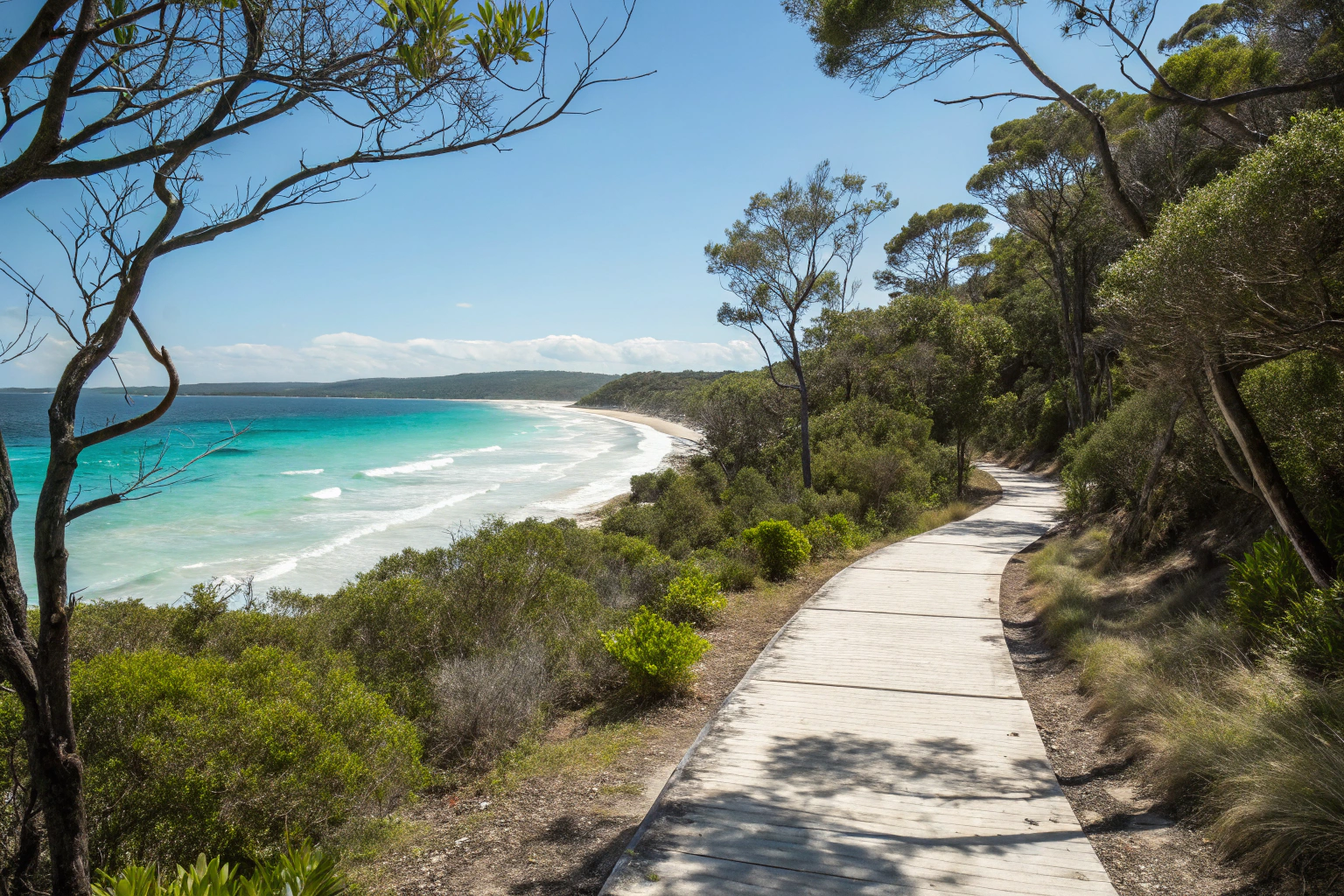
White Sands Walk
⏱️ 1-2 hrsEasy
Hike from Vincentia to Hyams Beach. A coastal path that connects all the highlights.
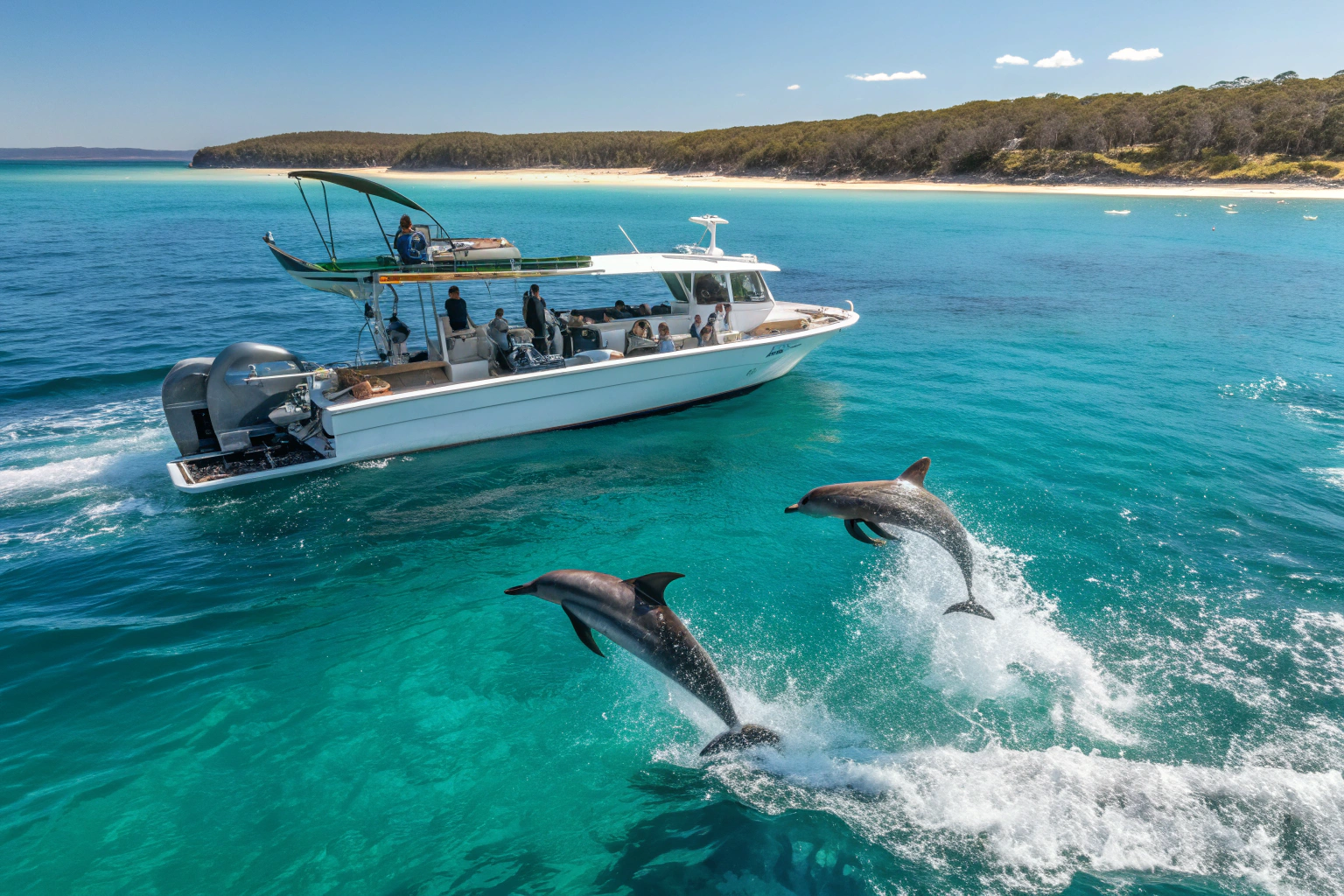
Dolphin Watch Cruise
⏱️ 1.5 hrsEasy
Boat tour from Huskisson. Jervis Bay has a resident population of bottlenose dolphins.
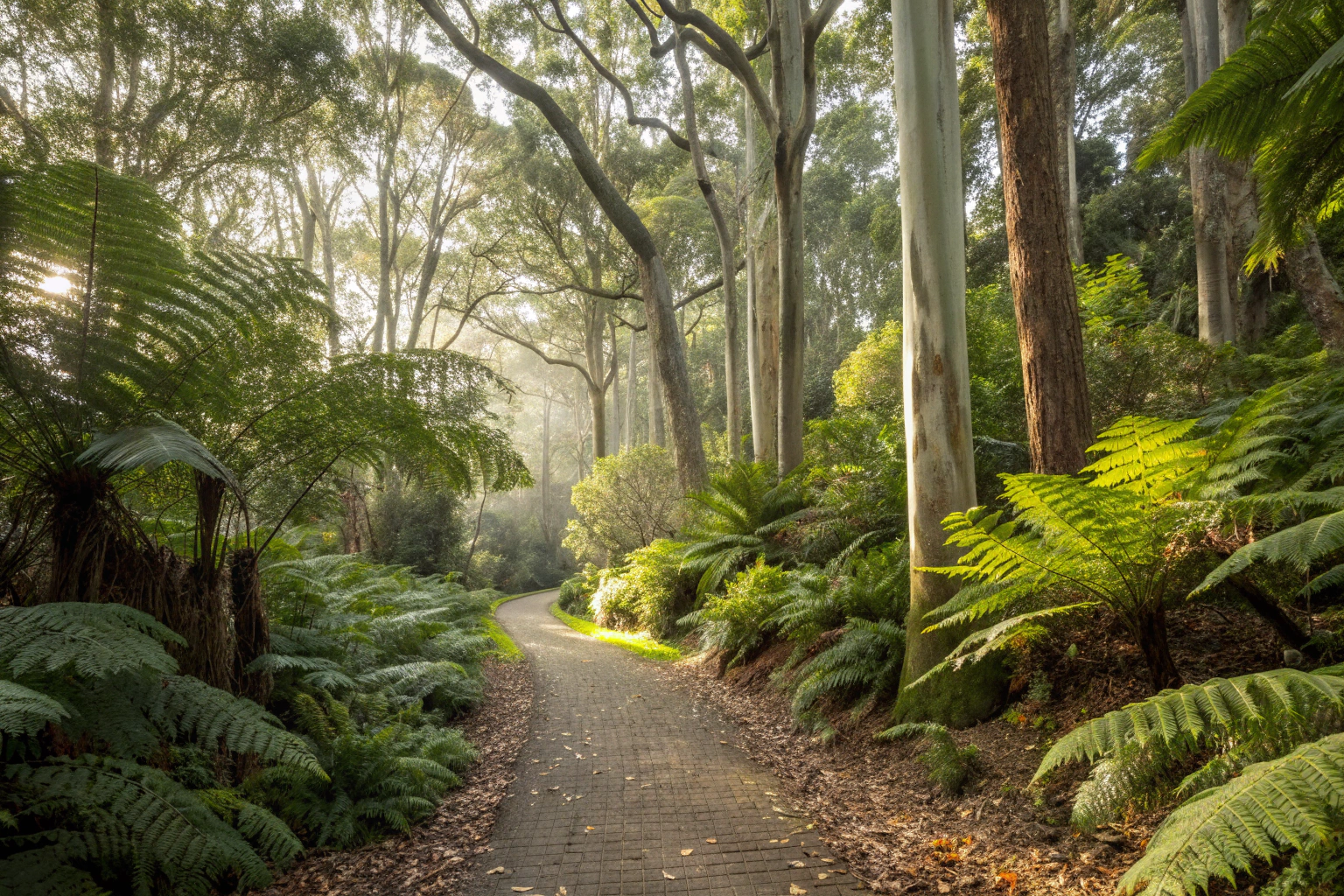
Booderee Botanic Gardens
⏱️ 2 hrsEasy
The only Aboriginal-owned botanic garden in Australia. Culture & botany.
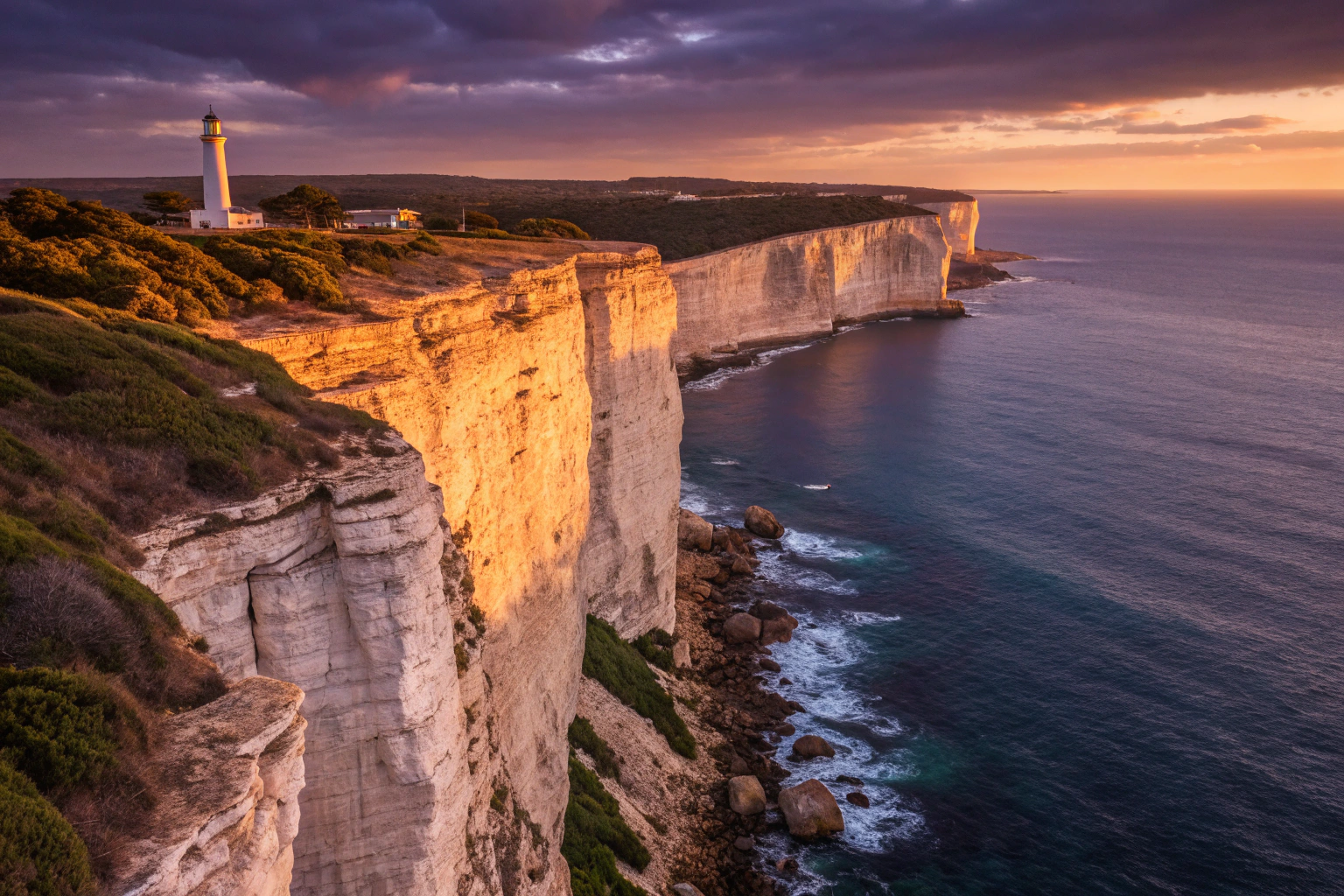
Point Perpendicular
⏱️ 1 hrEasy
Spectacular cliffs and historic lighthouse at the northern tip. Viewpoint.
Facts & Figures
Camping Region Byron Bay
- 🌍 Country
- 🇦🇺 Australien
- 📍 Region
- New South Wales
- 🏛️ Province
- Shoalhaven
- ☀️ Climate
- Temperate oceanic
- 📅 Best Season
- Nov - April
- 🌡️ Summer Avg
- 26 °C
- 🌸 Spring Avg
- 22 °C
- 🏕️ Campsites
- ~approx. 15
- ✈️ Airport
- Sydney (SYD)
- 🚌 Public Transport
- Limited (Bus)
- 🌧️ Rainy Days
- 8-10 per month
- 🚗 From Munich
- Flight required
- 🚗 From Hamburg
- Flight required
- 💰 Price Level
- €€ - €€€
- 🐕 Dogs
- Low (National Park ban)
- 🎯 Suitable For
- CouplesNature LoversFamilies
🚦 Occupancy by Month
Jan
Feb
Mar
Apr
May
Jun
Jul
Aug
Sep
Oct
Nov
Dec
Quiet Moderate Busy Crowded
 Rent Camper Byron Bay
 Campsites Byron Bay