


🌿 Natur & Wildnis👨👩👧👦 Familien
Camping Guide | Deutsche Nordseeküste
North Sea Camping: Your Coastal Adventure
Deutschland, 🇩🇪 Deutschland
Camping Guide | Deutsche Nordseeküste
Smell the salty air, feel the wind in your hair, and listen to the sound of the waves – welcome to the German North Sea coast! This unique region offers you camping experiences of a special kind. Here you will find wide, open landscapes, picturesque fishing villages, and a relaxed atmosphere that will immediately captivate you. Unlike other coastal regions, you can experience the tides up close here, go on exciting mudflat hikes, and discover the unique wildlife of the Wadden Sea. The campsites on the German North Sea coast are as diverse as the region itself, so there is something for every taste and budget.
💡The tides dictate the rhythm – you have to adapt here.
The Region in Detail
Your comprehensive travel guide for camping Deutsche Nordseeküste.
Location & Arrival at the German North Sea Coast
The German North Sea coast extends along the federal states of Lower Saxony and Schleswig-Holstein. It forms the southeastern part of the North Sea and borders the Netherlands and Denmark. The region is characterized by the Wadden Sea, the East Frisian Islands, and the flat marshland.
Arrival by car is possible via various motorways. Coming from southern Germany, the A7 heading north is recommended. From the Frankfurt area, it is best to take the A5 and A7. From Hamburg, the North Sea coast is easily accessible via the A23 or the A1. Note that some coastal towns and islands are only accessible via federal roads (B5, B203), which can extend travel time. There are no tolls in Germany. Travel times are as follows: From Munich, you should expect about 8-9 hours of driving time. Those starting from Frankfurt will need about 6-7 hours. From Hamburg, the coast can be reached in 2-3 hours.
The German North Sea coast is also easily accessible by train. Many coastal towns such as Emden, Wilhelmshaven, Cuxhaven, and Husum have train stations served regularly by regional trains. There are hourly connections from larger cities like Hamburg or Bremen. You can reach the islands via ferry connections starting from the coastal towns. Deutsche Bahn offers discount fares for longer distances.
The nearest airports are Hamburg (HAM) and Bremen (BRE). From both airports, there are regular train and bus connections to the coastal towns. A rental car is a flexible option for exploring the region individually. Ferry connections to the islands are well-organized and offer regular departures. Locally, you can get around well with buses and bicycles. Many places also offer rental bikes.
Overview of the Sub-regions of the German North Sea Coast
The German North Sea coast can be roughly divided into different sub-regions, each with its own character.
East Frisia: This region is characterized by wide green meadows, numerous canals, and the typical East Frisian 'Warften' (dwelling mounds). The best-known towns include Emden, Aurich, and Leer. Nature lovers and those seeking peace and quiet feel particularly at home here. Activities such as cycling, hiking, and, of course, traditional tea drinking are the focus here.
The East Frisian Islands: Borkum, Juist, Norderney, Baltrum, Langeoog, Spiekeroog, and Wangerooge – each of these islands has its own charm. Some are car-free and thus offer a particularly relaxed atmosphere. Families with children, as well as couples, find ideal conditions here for a relaxing holiday. In addition to swimming fun, mudflat hikes, seal banks, and charming island villages are major draws. Norderney and Borkum offer a larger range of tourist infrastructure, while Baltrum and Langeoog are more tranquil.
The Wadden Sea: As a UNESCO World Natural Heritage site, the Wadden Sea is a unique ecosystem. At low tide, you can walk for miles into the sea and discover the fascinating wildlife. Guided mudflat hikes are offered from many locations and are an absolute must for every visitor to the North Sea coast. Tours from Cuxhaven, Wilhelmshaven, or Büsum are particularly recommended.
North Frisia: This region in Schleswig-Holstein is known for its thatched-roof houses, green dikes, and proximity to the Halligen (small islands without protective dikes). Husum, Tönning, and Friedrichstadt are towns worth seeing with maritime flair. Culture lovers and active holidaymakers feel particularly comfortable here. In addition to visiting historic towns, cycling tours along the coast and excursions to the Halligen are popular.
The North Frisian Islands: Sylt, Föhr, Amrum, and Pellworm offer a varied landscape and diverse leisure opportunities. Sylt is known for its sophisticated seaside resorts and the famous Lister Ellenbogen, Föhr is considered the 'green island' with its numerous Frisian villages, Amrum impresses with its wide Kniepsand beach, and Pellworm is an insider tip for those seeking peace. All islands are ideal for families, water sports enthusiasts, and nature lovers.
Dithmarschen: South of North Frisia lies Dithmarschen, known for its cabbage cultivation. Büsum is a popular seaside resort with a large harbor and numerous restaurants. Families and those seeking relaxation feel at home here. In addition to swimming fun, Dithmarschen also offers interesting museums and historical sights.
Camping on the German North Sea Coast: What to Expect?
The camping landscape on the German North Sea coast is diverse and offers something for every taste. You will find both large resort sites with extensive infrastructure and small, nature-oriented campsites in the middle of the dunes or directly on the dike. In total, there are an estimated 250 campsites in the region, differing in equipment, size, and price.
The large resort sites often offer amenities such as swimming pools, animation programs for children, restaurants, and supermarkets. These sites are particularly popular with families who value comfort and entertainment. Smaller campsites, on the other hand, are characterized by their quiet location and proximity to nature. Here you can unwind and enjoy the vastness of the North Sea coast.
Agriturismo or farm camping is less common on the North Sea coast than in other regions, but there are some farms that offer pitches for motorhomes and tents. These sites are ideal for anyone who wants to get to know rural life and enjoy regional products. Pitches for motorhomes are widespread in coastal towns and on the islands. These sites often have good infrastructure with electricity connections, water supply, and disposal.
Prices for a pitch vary depending on the season, location, and equipment. In the high season (July/August), you should expect prices between 30 and 50 euros per night. In the low season (May/June and September), prices are often significantly cheaper, ranging between 20 and 35 euros per night. The size of typical pitches also varies. On larger sites, the plots are often parceled and offer enough space for caravans, awnings, and cars. Smaller sites often have open areas where you can design your campsite individually.
Many campsites on the North Sea coast offer both sunny and shady spots. Sanitary facilities are generally clean and well-maintained, though the standard can vary. Wi-Fi is available at many sites, but the quality can differ. Electricity connections are standard, usually with 6 or 16 amps.
Especially in the high season, early reservation is recommended as campsites are often fully booked. Last-minute chances exist mainly in the low season or at smaller sites. Inform yourself in advance about the respective conditions and equipment of the campsites to find the perfect spot for your camping holiday on the German North Sea coast.
Practical Information for Campers on the North Sea Coast
For a relaxed camping holiday on the German North Sea coast, it is helpful to know some practical information.
Tolls: In Germany, there is no general toll for cars and motorhomes. A toll is only charged for trucks over 7.5 tons on motorways.
Gas Stations: The network of gas stations is well-developed. Diesel prices are comparable to the national average. Opening hours are usually from 6 am to 10 pm, and many gas stations are open 24 hours.
Shopping: In the coastal towns, there are numerous supermarkets such as Lidl, Edeka, and Rewe. Opening hours are mostly from 8 am to 8 pm, and some supermarkets are also open on Sundays. The regional weekly markets are particularly recommended, where you can buy fresh products directly from the producer.
Gas Supply: German gas cylinders can usually be exchanged without any problems. Adapters are not required as the same connections are used throughout Germany.
Disposal: Many campsites and motorhome pitches have disposal stations for wastewater and chemical toilets. There are also public disposal stations in some coastal towns.
Mobile Network: Network coverage on the North Sea coast is generally good. Roaming charges do not apply within the EU.
Medical Care: There are hospitals and pharmacies in the larger coastal towns. Medical care is good.
Rules: Wild camping is fundamentally prohibited on the German North Sea coast. There are environmental zones in some cities where only vehicles with a green sticker may drive. Inform yourself in advance about the respective regulations.
Drinking Water: Tap water in Germany is of drinking water quality and can be drunk without hesitation.
Additional Tips: Pack weatherproof clothing, as the weather on the North Sea coast can change quickly. Remember mosquito spray, especially in the evening hours. Inform yourself about the tides in advance if you want to go mudflat hiking. Try regional specialties such as North Sea shrimp, fish rolls (Fischbrötchen), and East Frisian tea.
Insider Knowledge & Secret Tips for Your North Sea Trip
Away from the tourist hotspots, there are many hidden gems to discover on the German North Sea coast. Here are some insider tips to make your camping holiday unforgettable.
Low Season Advantages: The months of May/June and September/October are ideal for a visit to the North Sea coast. The weather is often still mild, the campsites are less crowded, and prices are lower. Additionally, you can enjoy nature in peace and observe the seal banks without large crowds of tourists.
Lesser-Known Places and Beaches: Instead of the well-known seaside resorts, you should also visit smaller towns like Neuharlingersiel, Greetsiel, or St. Peter-Ording. These places have preserved their original charm and offer a relaxed atmosphere. The beach at Ording is particularly popular with kite surfers.
Local Markets and Direct Sales: At the weekly markets in the coastal towns, you can buy regional products such as fresh fish, shrimp, cheese, and vegetables. Many farms also offer direct sales, where you can get eggs, milk, and other products directly from the farm.
Local Festivals and Events: In summer, numerous festivals and events take place on the North Sea coast. Particularly popular are the shrimp festivals in the fishing villages, where you can try regional specialties. The mudflat races (Wattrennen) are also a highlight, where riders gallop through the mudflats on horses.
Culinary Tips: Be sure to try regional specialties such as shrimp rolls, fish soup, kale with Pinkel (sausage), and East Frisian tea. In the restaurants in the coastal towns, you can enjoy fresh fish and seafood. Locals like to visit the restaurant 'Fischerstube' in Büsum or 'Alt Wyk' on Föhr.
Day Trips Worthwhile: A trip to the seal banks off the coast is an unforgettable experience. You can take a boat to the banks and observe the animals in their natural environment. A visit to the Halligen is also recommended. These small islands are only accessible at low tide and offer a unique landscape. From Husum, you can reach the Halligen by boat in about 1-2 hours. The cost for a crossing is approx. 20-30 euros.
Experiences & Activities: Deutsche Nordseeküste
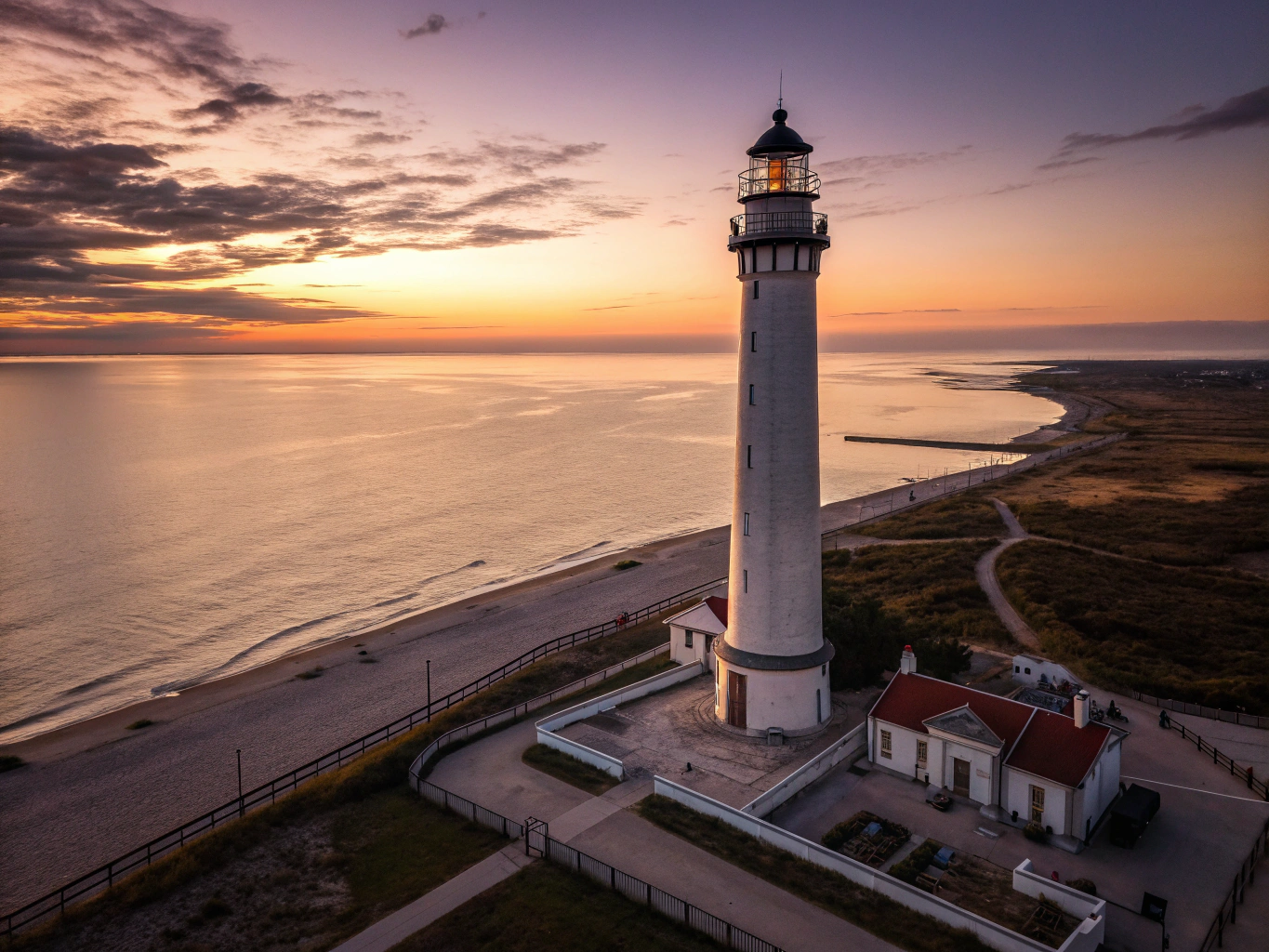
Campen Lighthouse Viewpoint
⏱️ 2-3 hoursModerate
Climb Germany's highest lighthouse and enjoy the panoramic view over East Frisia and the Wadden Sea. On a clear day, you can even see the neighboring islands.
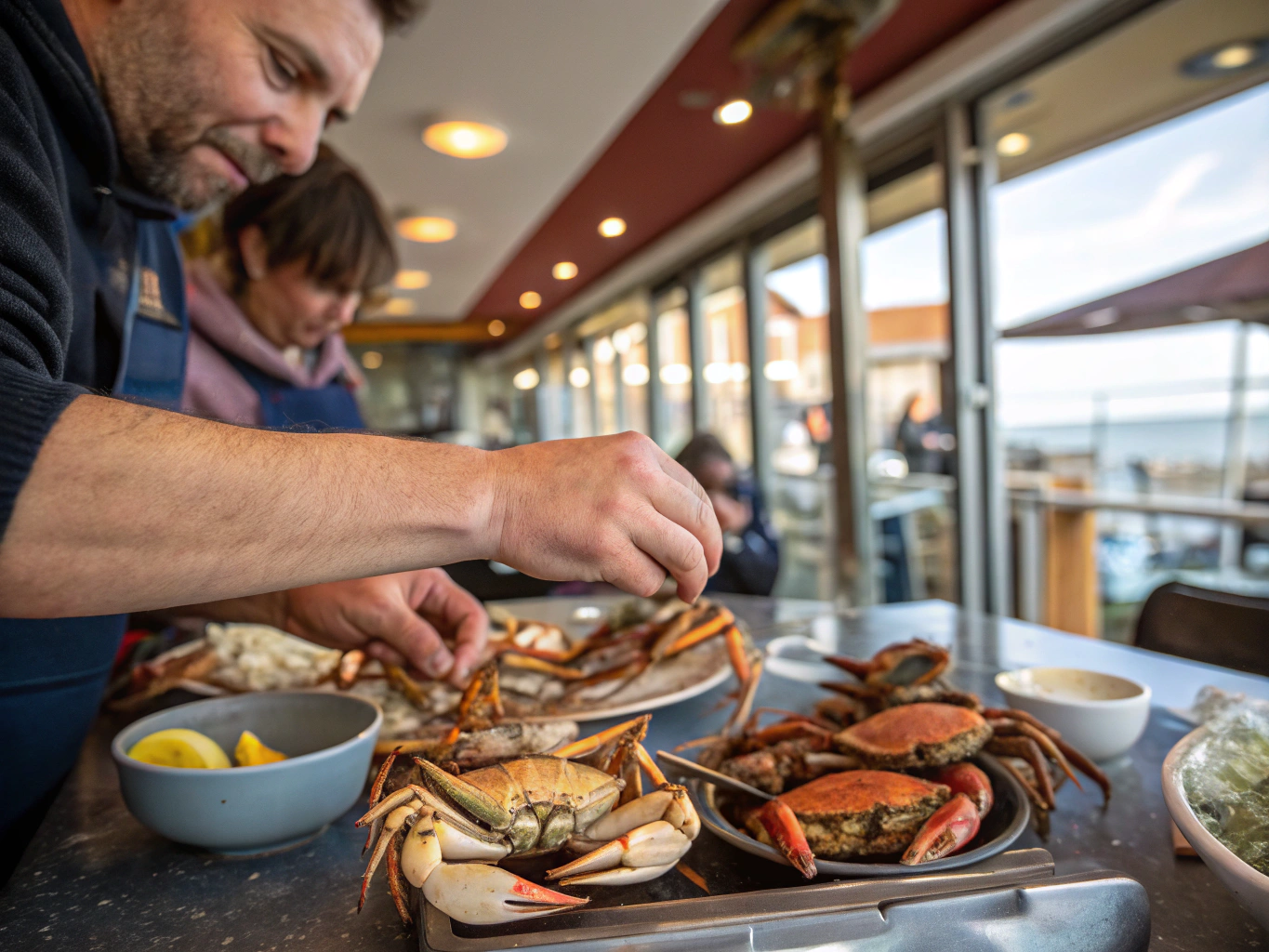
Peeling Shrimps in Büsum
⏱️ 1-2 hoursEasy
Learn how to peel shrimps correctly and enjoy the fresh seafood directly at the harbor of Büsum. Many restaurants offer courses where you can learn the art of shrimp peeling.
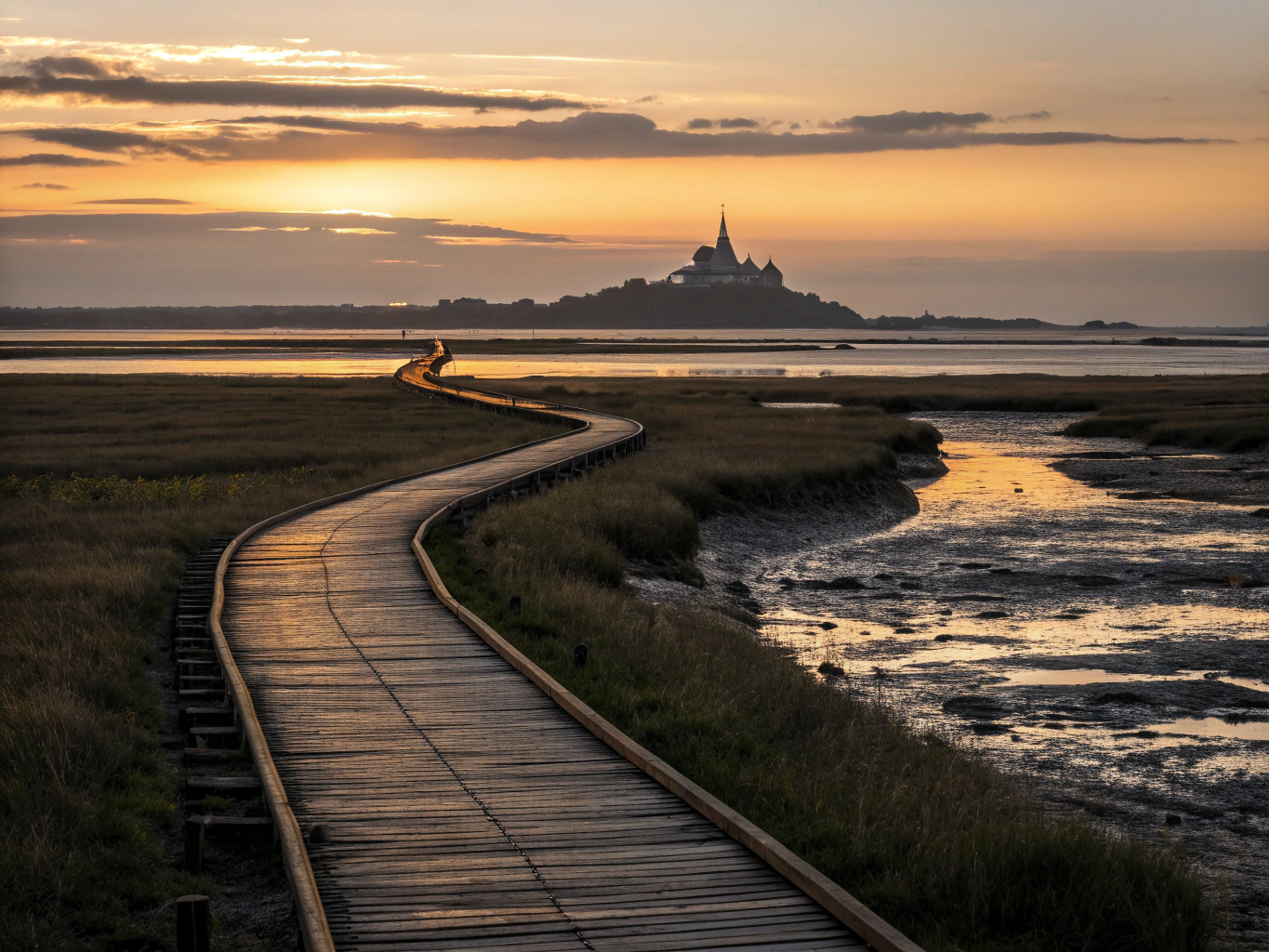
Mudflat Hiking to Neuwerk Island
⏱️ 4-5 hoursModerate
Hike through the Wadden Sea at low tide to the island of Neuwerk and experience unique nature up close. Guided tours start in Cuxhaven and take about 3-4 hours.
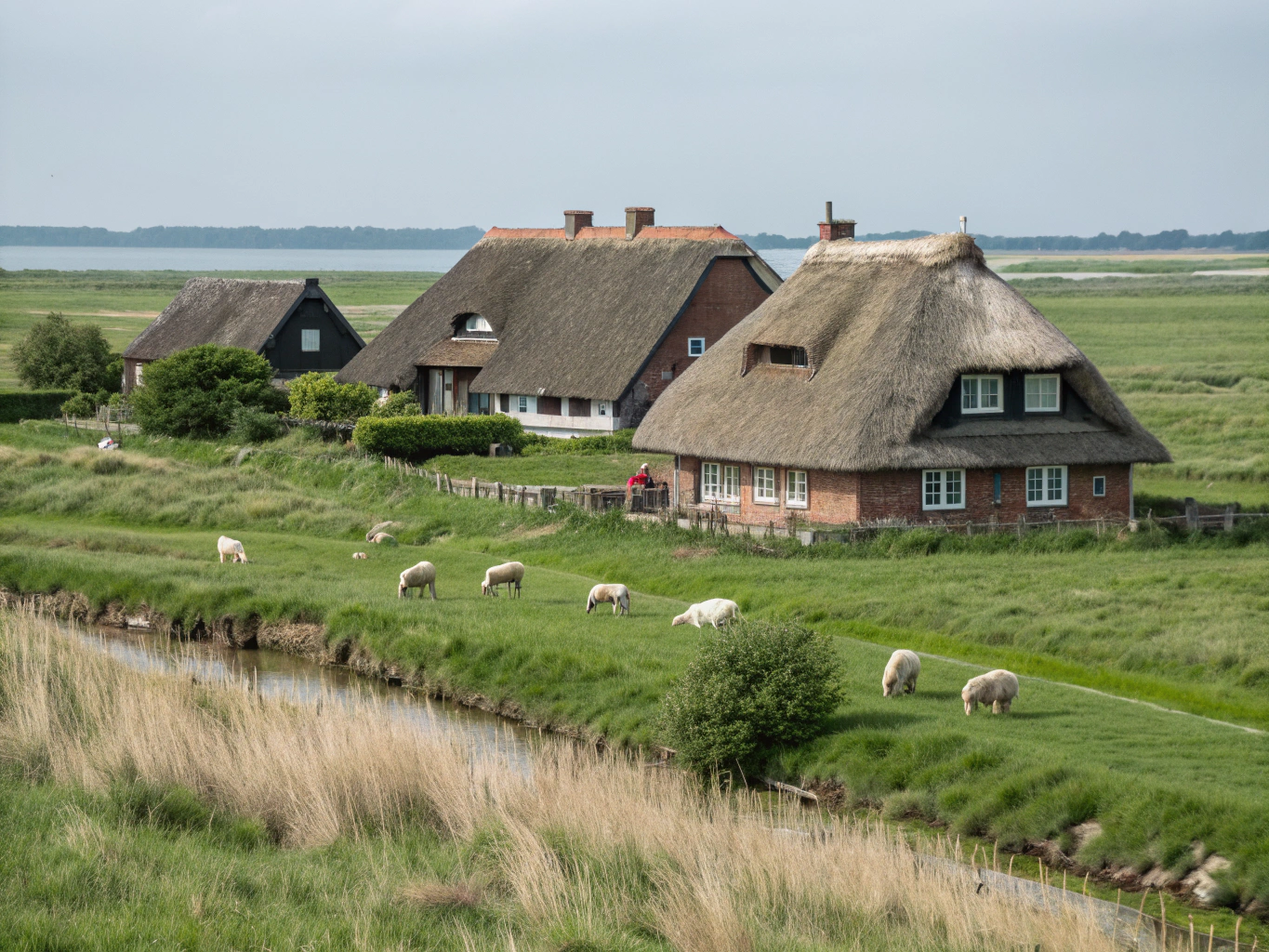
Insider Tip: Hallig Hooge
⏱️ Day tripEasy
Visit Hallig Hooge and experience life on a small island in the middle of the Wadden Sea. Explore the dwelling mounds (Warften), visit the storm surge cinema, and enjoy the peace and seclusion.
Facts & Figures
Camping Region Deutsche Nordseeküste
- 🌍 Country
- 🇩🇪 Deutschland
- 📍 Region
- Lower Saxony, Schleswig-Holstein
- 🏛️ Province
- Districts along the North Sea coast
- ☀️ Climate
- Maritime, influenced by the Gulf Stream
- 📅 Best Season
- May/June for peace, July/August for swimming fun
- 🌡️ Summer Avg
- 22°C
- 🌸 Spring Avg
- 12°C
- 🏕️ Campsites
- ~250
- ✈️ Airport
- Hamburg (HAM), Bremen (BRE)
- 🚌 Public Transport
- Well-developed bus network, regional trains
- 🌧️ Rainy Days
- 12-15 days per month
- 🚗 From Munich
- 8-9 hrs / approx. 850 km
- 🚗 From Hamburg
- 2-3 hrs / approx. 200 km
- 💰 Price Level
- €€
- 🐕 Dogs
- Good
- 🎯 Suitable For
- Nature loversFamiliesWater sports enthusiasts
🚦 Occupancy by Month
Jan
Feb
Mar
Apr
May
Jun
Jul
Aug
Sep
Oct
Nov
Dec
Quiet Moderate Busy Crowded
 Rent Camper Deutsche Nordseeküste
 Campsites Deutsche Nordseeküste