


🌿 Natur & Wildnis👨👩👧👦 Familien
Camping Guide | Rogaland
Discover the Wild Coast
Norwegen, 🇳🇴 Norwegen
Camping Guide | Rogaland
Imagine waking up to the sound of the sea in your ears and the scent of salt in the air. Camping in Rogaland means experiencing Norway's untouched nature up close. Here, where majestic fjords and rugged coastlines unite, you'll find a camping region that promises both adventure and relaxation. Unlike overcrowded holiday regions, in Rogaland, you can enjoy the silence and vastness of the Norwegian landscape. Discover hidden coves, climb imposing rocks, and let yourself be enchanted by the unique beauty of this region.
💡Rogaland is not for the faint of heart.
The Region in Detail
Your comprehensive travel guide for camping Rogaland.
Location & Getting to Rogaland
The Rogaland region is located in southwestern Norway and stretches along the coast. It covers an area of around 9,378 square kilometers and is known for its impressive fjords, rugged coastlines, and picturesque islands. The largest cities are Stavanger, Sandnes, and Haugesund.
Traveling to Rogaland can be done in various ways. By car, the region is accessible from Germany via Denmark and Sweden, requiring the use of ferry connections. A common route leads via the E45 through Denmark and then by ferry from Hirtshals to Stavanger or Kristiansand. From there, you can reach the various parts of the region via well-maintained roads. The driving time from Munich is about 22 hours including the ferry crossing, with a distance of around 1,800 kilometers. From Hamburg, it is about 18 hours and 1,450 kilometers.
Alternatively, you can travel by plane to Stavanger Airport (SVG), which offers international connections. From there, bus connections and car rental options are available to explore the region. The flight time from Frankfurt is about 2 hours.
Within Rogaland, it is best to move around by car or bus. There are also ferry connections to the numerous islands. For hiking and exploring the fjords, the use of boats or kayaks is recommended. The road network is well-developed, but you should note that some routes are subject to tolls. Public transport is also an option, though less flexible than having your own vehicle. Buses run regularly, but the frequency can be lower, especially in rural areas. Local bus lines are available for getting around the cities.
Overview of the Sub-regions
Rogaland can be divided into various sub-regions, each with its own character and charm. The Jæren coastal region is known for its long sandy beaches and dune landscapes, which are ideal for swimming, surfing, and hiking. Numerous campsites offering direct access to the sea can be found here. Places like Brusand and Borestranden are particularly popular with families and water sports enthusiasts.
The Ryfylke area, also known as the fjord region, is characterized by deep fjords, steep mountains, and green valleys. Famous landmarks such as Preikestolen (Pulpit Rock) and Kjeragbolten are located here, attracting numerous hikers and climbers every year. Places like Lysebotn and Forsand are popular starting points for excursions into the fjord landscape. Those seeking peace and nature will find exactly what they are looking for here.
The Dalane region in the south of Rogaland is distinguished by its rugged coastline and many small islands. There are numerous opportunities for fishing, boating, and kayaking here. Towns like Egersund and Sokndal are charming coastal towns with a rich history and culture. This region is particularly suitable for couples and those seeking tranquility.
Haugalandet in the north of Rogaland is a region with a diverse landscape characterized by mountains, forests, and lakes. There are numerous hiking trails and opportunities for cycling. The city of Haugesund is the center of the region and offers a variety of cultural attractions and events. This region is ideal for active vacationers and nature lovers.
Finally, the Stavanger/Sandnes region is the urban center of Rogaland. The two largest cities in the region are located here, offering a variety of cultural offerings, shopping opportunities, and restaurants. The region is also an important starting point for excursions into the surrounding nature. There is much to discover here, especially for families and those interested in culture.
Camping in Rogaland: What to Expect?
The camping landscape in Rogaland is diverse and offers something for every taste. There are about 150 campsites in the region, many of which are located directly by the sea or a fjord. Most sites are well-equipped and offer modern sanitary facilities, electricity connections, and Wi-Fi. Some also feature additional amenities such as pools, playgrounds, and restaurants.
Prices for a pitch vary depending on the season and facilities. In the high season (June to August), a pitch for a motorhome or a caravan usually costs between 30 and 50 euros per night. In the low season (May and September), prices are often significantly cheaper, ranging between 20 and 35 euros. There are also simple tent sites that are even more affordable.
The size of the pitches also varies. On larger campsites, the plots are often demarcated and offer sufficient space for a motorhome or a caravan with an awning. On smaller, nature-oriented sites, the pitches are often a bit tighter and offer less privacy. Many campsites offer both sunny and shaded pitches, so you can choose according to your needs.
The infrastructure at the campsites in Rogaland is generally good. Sanitary facilities are clean and well-maintained, and laundry machines and dryers are often available. Wi-Fi is available at most sites, although the quality can vary depending on the location. Electricity connections are standard, but you should bring an adapter for Norwegian sockets.
Reservations are recommended, especially in the high season, as the most popular campsites are often fully booked. However, last-minute opportunities arise frequently, especially at smaller sites. It is worth booking early to ensure you get the desired pitch.
Practical Information for Campers
Toll fees apply for using the roads in Norway. These are either recorded electronically via an AutoPASS system or can be paid at certain toll stations. It is recommended to register online in advance to have the toll fees automatically debited. Costs vary depending on the route and vehicle type, but average around 10 to 20 euros per 100 kilometers.
Diesel prices in Norway are generally slightly higher than in Germany. A full tank can therefore be a bit more expensive. Gas stations are well-distributed and usually have long opening hours, even on Sundays.
For shopping, there are a variety of supermarkets in Rogaland, including chains like Kiwi, Rema 1000, and Coop. Opening hours are usually from 8 AM to 10 PM; most supermarkets are closed on Sundays. It is recommended to shop outside of tourist centers, as prices are often cheaper there.
The supply of gas cylinders can be a bit more complicated in Norway, as German gas cylinders cannot be directly exchanged. It is recommended to rent a Norwegian gas cylinder or buy an adapter.
For the disposal of wastewater and chemical toilets, there are special disposal stations at many campsites and rest areas. Use is usually free of charge.
Mobile network coverage in Norway is good, though there may be limitations in remote areas. Roaming charges within the EU are eliminated, but you should check the conditions of your mobile provider beforehand.
Medical care in Norway is good. There are hospitals and pharmacies in the larger cities. It is recommended to take out travel health insurance.
Strict rules apply to wild camping in Norway. Generally, camping in the wild is allowed for one night, but you should be mindful of private property and nature reserves. Open fires are often prohibited during the summer months.
Tap water in Norway is of high quality and can be drunk without hesitation.
Insider Knowledge & Secret Tips
The low season in Rogaland (May/June and September/October) offers many advantages. For one, the campsites are less crowded and prices are often lower. For another, the weather is often pleasant and nature is in full bloom. Especially in September, the light is particularly beautiful and the colors of the landscape are intense.
A lesser-known place is the island of Utsira, located about 20 kilometers off the coast. The island is known for its rich birdlife and picturesque fishing villages. You can reach the island by ferry from Haugesund.
A local market that you should definitely visit is the fish market in Stavanger. Here you can find fresh fish and seafood directly from the fishing boat. The market takes place every Saturday.
A culinary tip is the "Svele," a type of Norwegian pancake often served with sour cream and jam. You can find it in many cafes and restaurants in Rogaland.
A restaurant frequented by locals is "Fisketorget" in Stavanger. Here you can get fresh fish and seafood in a casual atmosphere.
A worthwhile day trip is the hike to Trolltunga (Troll's Tongue), a rock ledge that hangs about 700 meters above Lake Ringedalsvatnet. The hike is demanding and takes about 10 to 12 hours, but the view is breathtaking. You can reach the starting point of the hike by car via the RV13 road.
Another secret tip is a visit to the Tungenes Lighthouse, located about 15 kilometers north of Stavanger. The lighthouse offers a great view of the coast and the sea.
Experiences & Activities: Rogaland
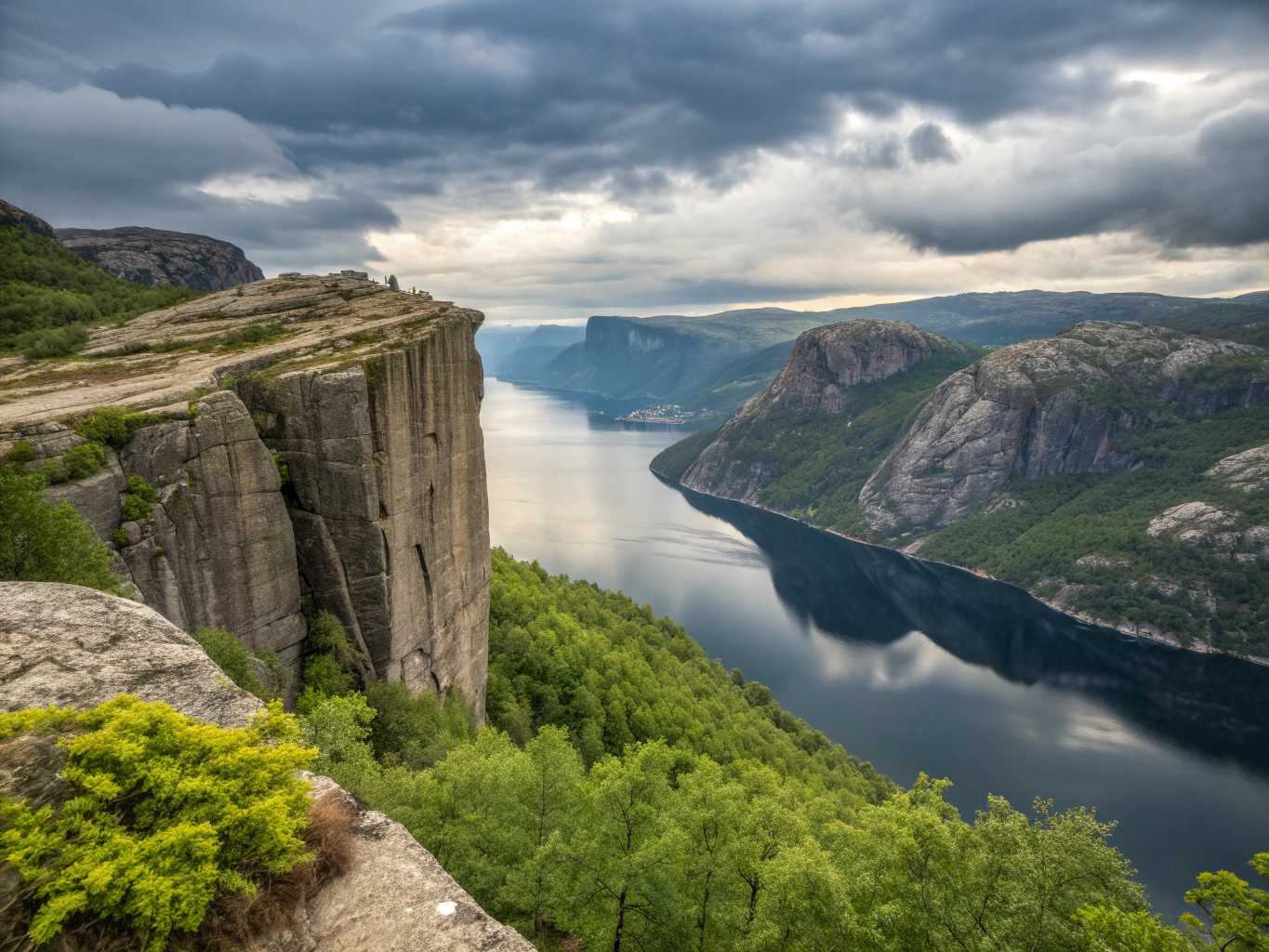
Preikestolen
⏱️ 4-5 hoursModerate
Hike to the famous Preikestolen (Pulpit Rock), a rock plateau 604 meters above the Lysefjord. The view is breathtaking, but the hike is demanding. It's best to start early in the morning to avoid the crowds.
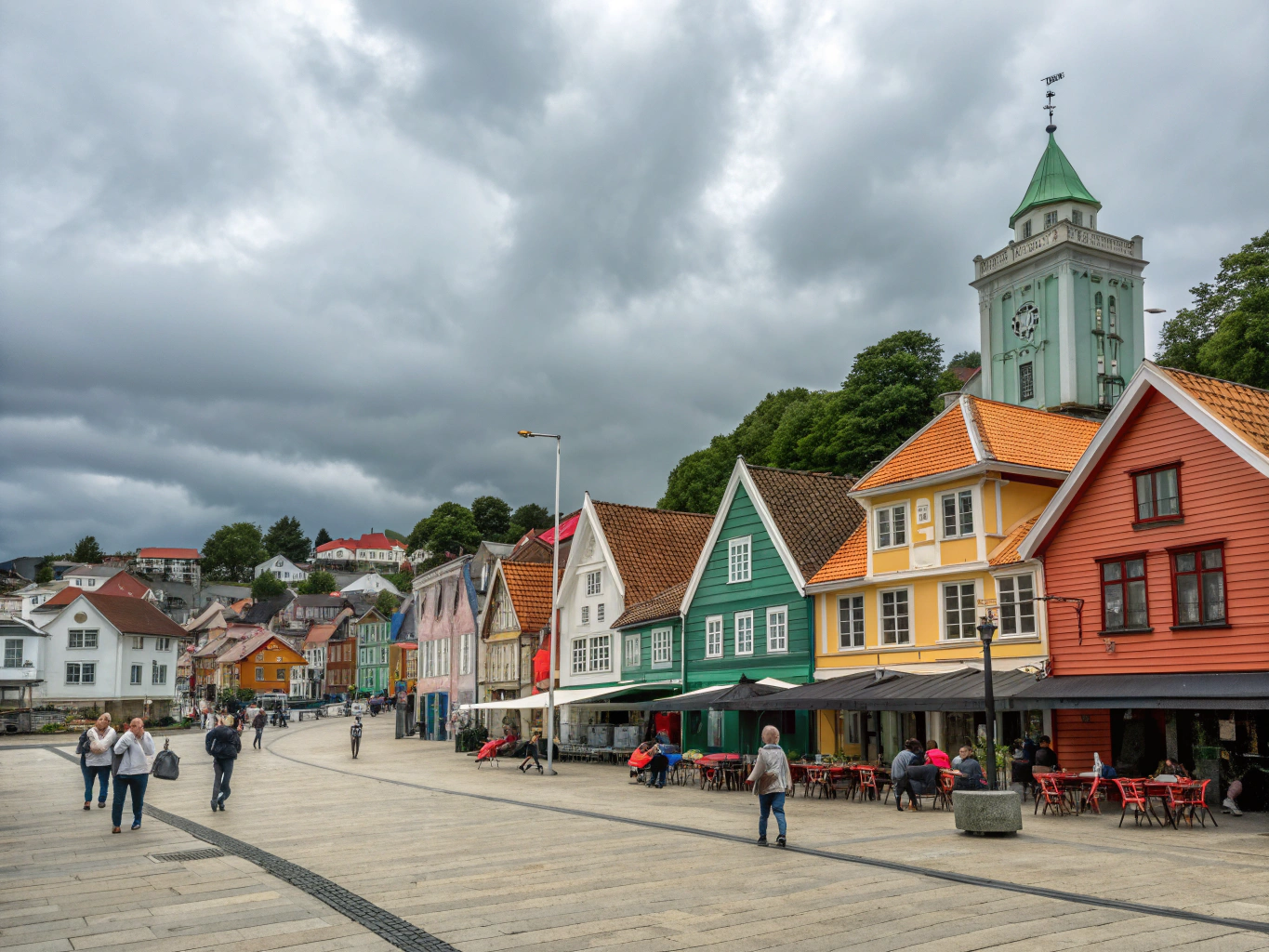
Fisketorget Stavanger
⏱️ 1-2 hoursEasy
Visit the fish market in Stavanger and try fresh seafood directly from the fishing boat. There is a large selection of fish, crabs, shrimp, and mussels. A must for every foodie!
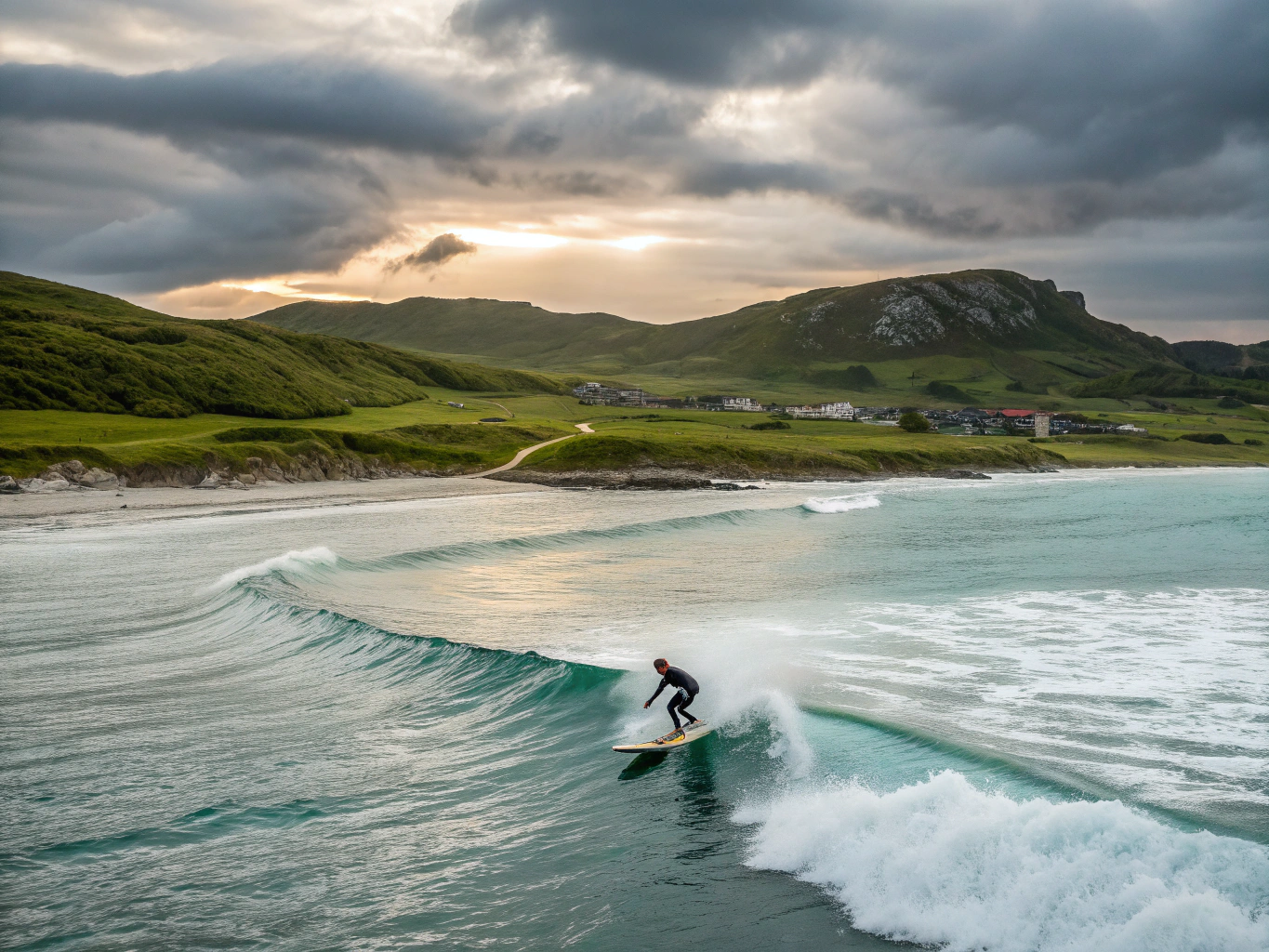
Surfing at Jæren
⏱️ 2-3 hoursModerate
The Jæren coast is known for its long sandy beaches and good surfing conditions. Rent a surfboard and jump into the waves! There are also surf schools for beginners.
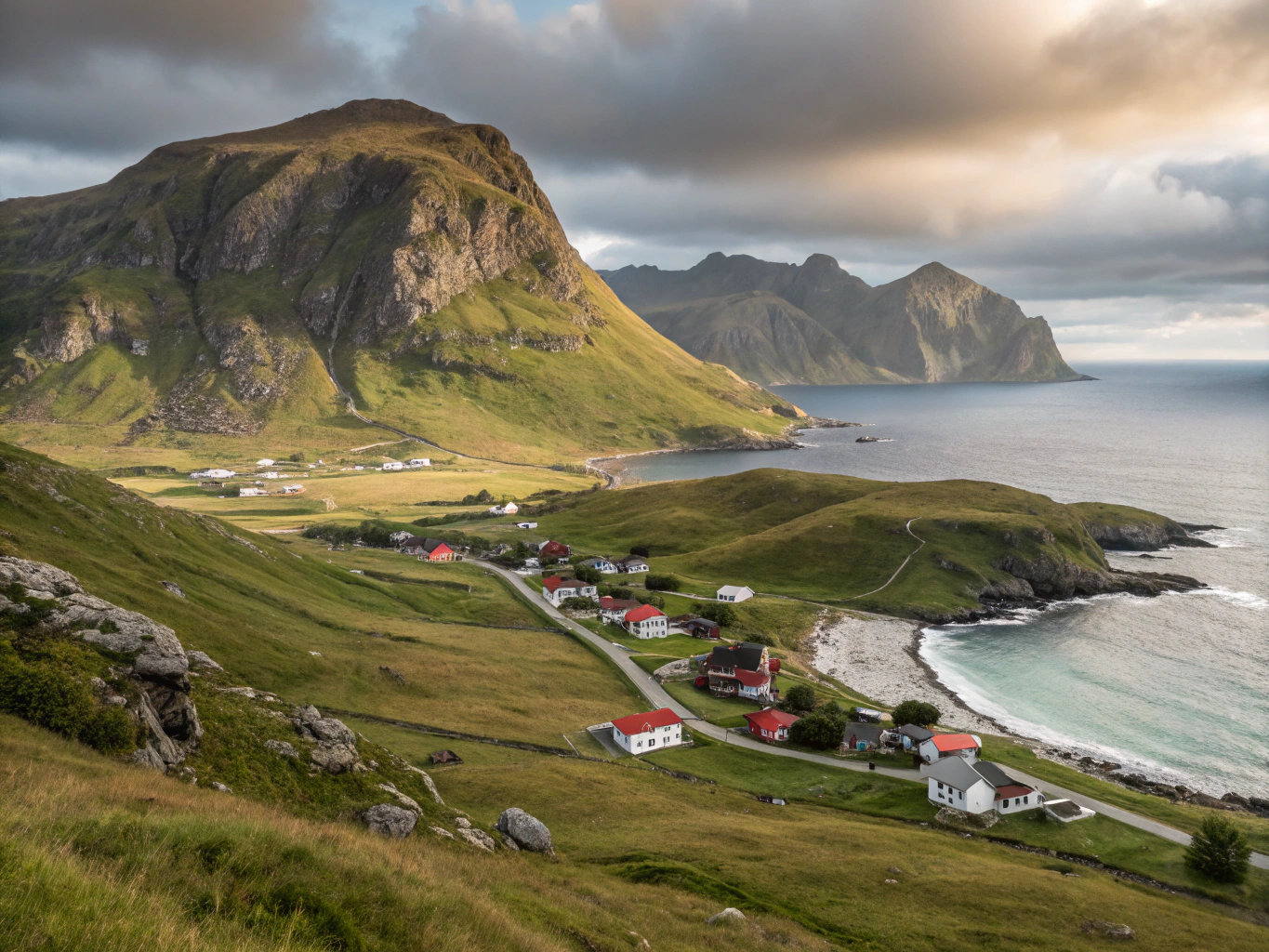
Utsira Island
⏱️ Day tripEasy
Discover the small island of Utsira, located about 20 kilometers off the coast. The island is known for its rich birdlife and picturesque fishing villages. A place off the beaten path!
Facts & Figures
Camping Region Rogaland
- 🌍 Country
- 🇳🇴 Norwegen
- 📍 Region
- Southwest Norway
- 🏛️ Province
- Rogaland
- ☀️ Climate
- Maritime, changeable
- 📅 Best Season
- June/July for hiking, August/September for fishing
- 🌡️ Summer Avg
- 15°C
- 🌸 Spring Avg
- 8°C
- 🏕️ Campsites
- ~150
- ✈️ Airport
- Stavanger Airport (SVG)
- 🚌 Public Transport
- Buses, ferries
- 🌧️ Rainy Days
- 150 days
- 🚗 From Munich
- 22 hrs / 1,800 km (incl. ferry)
- 🚗 From Hamburg
- 18 hrs / 1,450 km (incl. ferry)
- 💰 Price Level
- €€€ Expensive but unforgettable
- 🐕 Dogs
- Good, observe leash requirements
- 🎯 Suitable For
- Nature loversAdventurersHikers
🚦 Occupancy by Month
Jan
Feb
Mar
Apr
May
Jun
Jul
Aug
Sep
Oct
Nov
Dec
Quiet Moderate Busy Crowded
 Rent Camper Rogaland
 Campsites Rogaland