


⛰️ Berge & Alpen🧖 Wellness & Erholung
Camping Guide | Graubünden
Experience Camping Variety
Graubünden, 🇨🇭 Schweiz
Camping Guide | Graubünden
The clear mountain air tickles your nose, the sound of a mountain stream lulls you to sleep. Camping in Graubünden means pure nature, combined with Swiss hospitality and an impressive variety of landscapes. Here, where German, Italian, and Romansh meet, you'll find pitches for every taste: from simple campsites in secluded valleys to comfortable campgrounds with panoramic views. Graubünden is different: authentic, down-to-earth, and with a charm all its own.
💡If you're looking for high-gloss entertainment programs, you're in the wrong place.
The Region in Detail
Your comprehensive travel guide for camping Graubünden.
Location & Arrival in Graubünden
Graubünden, the largest canton in Switzerland, is located in the southeast of the country and borders Italy, Austria, and Ticino. Its alpine location shapes the landscape with majestic mountains, deep valleys, and numerous lakes. Arriving by car is straightforward via well-developed motorways. Coming from the north, the A13 (San Bernardino route) is recommended, leading from St. Gallen through the San Bernardino Tunnel. Tolls apply for Swiss motorways; a vignette is required (approx. 40 CHF per year). Alternatively, you can take the A3 and A1 to Chur. Those arriving from the east use the A14 and A13 via Austria. From the south, Graubünden is accessible via the A2 (Gotthard route) and then the A13.
Traveling by train is also a comfortable option. Swiss Federal Railways (SBB) offer regular connections from all parts of Europe. From Zurich, you can reach Chur, the capital of Graubünden, every hour with direct trains. From there, numerous transfer options exist to the various valleys and regions of the canton. There are also good train connections from Germany, for example with the ICE to Zurich and from there on to Graubünden.
The nearest international airport is Zurich (ZRH). From there, regular train connections run to Chur (approx. 1 hour 15 minutes). Alternatively, you can take a rental car and cover the distance via the A3 motorway (approx. 1 hour 30 minutes). Within Graubünden, the public transport network is well-developed. PostBuses connect even remote villages and valleys. For hikers and cyclists, there are numerous well-signposted paths. E-bikes are also available for rent in the tourist centers.
Specific driving times: From Munich, you reach Chur in approx. 4 hours via the A96 and A14. From Frankfurt, the journey takes approx. 6 hours via the A5 and A3. Starting from Hamburg, you should expect a driving time of around 10 hours via the A7 and A3. From Vienna, the driving time is approx. 8 hours via the A12 and A13. From Zurich, Chur is reachable in just over an hour.
Overview of the Sub-regions
Graubünden is divided into various regions, each with its own character and charm. In the north lies the Bündner Herrschaft, known for its vineyards and picturesque villages. Connoisseurs and hikers feel right at home here. Places like Maienfeld, where Johanna Spyri's Heidi spent her childhood, invite you to linger. The region is ideal for families seeking a relaxed atmosphere.
Further south stretches the Surselva, the valley of the young Rhine. Characterized by Romansh culture and tradition, the Surselva offers numerous hiking trails and mountain bike routes. The Rhine Gorge, also known as the "Swiss Grand Canyon," is particularly charming. Adventure seekers and nature lovers will find exactly what they are looking for here. Disentis/Mustér, with its baroque monastery, is a cultural center of the region.
The Engadin, divided into Upper and Lower Engadin, is one of the most famous regions of Graubünden. The Upper Engadin attracts visitors with sophisticated places like St. Moritz and Pontresina, surrounded by an impressive mountain world. Here you will find numerous luxury hotels, exclusive shops, and first-class restaurants. In winter, the Upper Engadin is a paradise for skiers and snowboarders; in summer, for hikers and golfers. The Lower Engadin, on the other hand, presents itself as somewhat quieter and more original. Picturesque villages like Scuol, with its well-known thermal bath, invite you to relax. The region is ideal for couples and those seeking peace.
In the south lies the Val Müstair, a UNESCO World Heritage site. The valley is known for the Monastery of St. John in Müstair with its Carolingian frescoes. Here, clocks tick a little slower. Hikers and those interested in culture will find a unique atmosphere in this remote valley. Zernez, the gateway to the Swiss National Park, is an ideal starting point for exploration tours into untouched nature.
The Davos Klosters region is another highlight of Graubünden. Davos, known for the World Economic Forum (WEF), is a vibrant center with numerous sports and leisure opportunities. Klosters, by contrast, is more contemplative and particularly popular with families. The region offers a wide range of activities, from hiking and mountain biking to skiing and snowboarding.
Not to be forgotten is the Arosa Lenzerheide region, which impresses with its versatility. Arosa, a car-free resort, is known for its sunny location and numerous hiking trails. Lenzerheide, meanwhile, offers a broad spectrum of sporting activities, from mountain biking to downhill tracks. The region is ideal for active vacationers looking for variety.
Camping in Graubünden: What to Expect?
The camping landscape in Graubünden is diverse and offers something for every taste. In total, there are around 150 campsites, ranging from simple tent sites in remote valleys to large resort sites with extensive infrastructure. Many campsites are family-run and emphasize a personal atmosphere. Those seeking peace and seclusion will find numerous small, nature-oriented sites, often located directly by a stream or lake. For families with children, there are also larger campsites with swimming pools, playgrounds, and entertainment programs.
Agriturismo or farm camping is also a popular option in Graubünden. Here, you can experience country life up close and buy regional products directly from the producer. For motorhome drivers, there are special pitches with supply and disposal facilities. The price ranges for a pitch vary depending on the season, location, and equipment. In the high season (July/August), a pitch for two people costs on average between 30 and 45 CHF per night. In the low season (May/June and September/October), prices are often significantly lower, between 20 and 35 CHF. The plots are usually sufficiently large and offer both sunny and shady spots. Many campsites have good infrastructure with clean sanitary facilities, WLAN, and electricity connections. The sanitary standard is generally high, often with modern showers and toilets.
WLAN quality varies; it is very good at some sites and rather limited at others. Electricity connections are usually available, but the amperage varies. It is advisable to check in advance whether the electricity connection is sufficient for your own needs. A reservation is recommended, especially in the high season, as the most popular campsites are often fully booked. While there are always last-minute chances, those who want to be sure should book early. Many campsites offer online reservations. For spontaneous travelers, there are also some campsites that do not take reservations and allocate spots on a "first come, first served" basis. When choosing a campsite, you should pay attention to individual needs. Those seeking peace should choose a small, remote site. Families with children often prefer campsites with extensive infrastructure and entertainment programs. Motorhome drivers look for good connections to supply and disposal stations.
Practical Information for Campers
To use Swiss motorways, a vignette is required, which costs approx. 40 CHF and is valid for one year. It is available at gas stations, post offices, and online. Some alpine passes may be subject to tolls. Payment is usually made in cash or by credit card.
Diesel prices in Switzerland tend to be slightly higher than in Germany. Gas stations are usually open from 7 AM to 10 PM, some also around the clock. Payment can be made in cash or by credit card. Supermarkets in Graubünden are well-stocked and offer a large selection of food. The most well-known include Coop, Migros, and Spar. Opening hours vary but are usually from 8 AM to 7 PM. Some supermarkets are also open on Sundays, especially in tourist areas.
German gas cylinders cannot be exchanged in Switzerland. An adapter is required to connect Swiss gas cylinders. These are available in camping shops. Disposal stations for wastewater and toilets are available at many campsites. There are also public disposal stations, which are often subject to a fee. Mobile network coverage is good in Graubünden, although there may be restrictions in remote valleys. Roaming charges may apply, so it is advisable to check your mobile provider's conditions in advance.
Medical care in Switzerland is very good. In larger towns, there are hospitals and pharmacies. The emergency number is 112. Tap water in Graubünden is generally of very good quality and can be drunk without hesitation. Wild camping is generally prohibited in Graubünden. However, there are some exceptions, for example on private property with the owner's permission. There are no environmental zones in Graubünden.
When camping in Graubünden, some rules must be observed. Open fires are often prohibited or only allowed in designated areas. Trash should be disposed of properly. Noise pollution should be avoided, especially in the evening and night hours. Special regulations apply in nature reserves and must be strictly followed.
Insider Knowledge & Secret Tips
The low season (May/June and September/October) has many advantages in Graubünden. The campsites are less crowded, prices are lower, and nature shows its most beautiful side. Especially in spring, when the flowers bloom and the mountains are still snow-capped, Graubünden is a paradise for nature lovers. A lesser-known place is the mountain village of Guarda in the Lower Engadin. It is situated on a sunny terrace and is known for its well-preserved Engadin houses with sgraffito decorations. Guarda is accessible via a winding road from Scuol.
Another secret tip is Lai da Palpuogna, a mountain lake above the Albula Pass. It is considered one of the most beautiful mountain lakes in Switzerland and is reachable via a hike from Preda. At the local markets in Chur and Davos, you can buy regional specialties, such as Bündnerfleisch (air-dried beef), mountain cheese, and honey. The weekly markets take place every Saturday morning. Local festivals include the Chalandamarz festival in the Lower Engadin, which takes place every March 1st. Children parade through the villages with bells and songs to drive away winter. Another highlight is the Alpabzug festival in autumn, when the cows are driven from the alpine pastures down into the valley.
Culinary-wise, you should definitely try Capuns, a specialty from the Surselva. These are chard leaf wraps filled with Spätzle dough and Bündnerfleisch. Pizokel, a type of thick Spätzle, are also very popular. Locals like to visit the Walserhuus Sertig restaurant in Davos, which is known for its traditional cuisine. A worthwhile day trip is a ride on the Rhaetian Railway over the Bernina Pass. The route is a UNESCO World Heritage site and offers breathtaking views of the glacier world. The journey from Chur to Tirano (Italy) takes approx. 4 hours and costs approx. 60 CHF. If you enjoy hiking, you shouldn't miss the hike through the Viamala Gorge. The gorge is accessible via stairs and walkways and offers spectacular insights into the forces of nature. The entrance to the gorge is in Thusis and is well-signposted.
Experiences & Activities: Graubünden
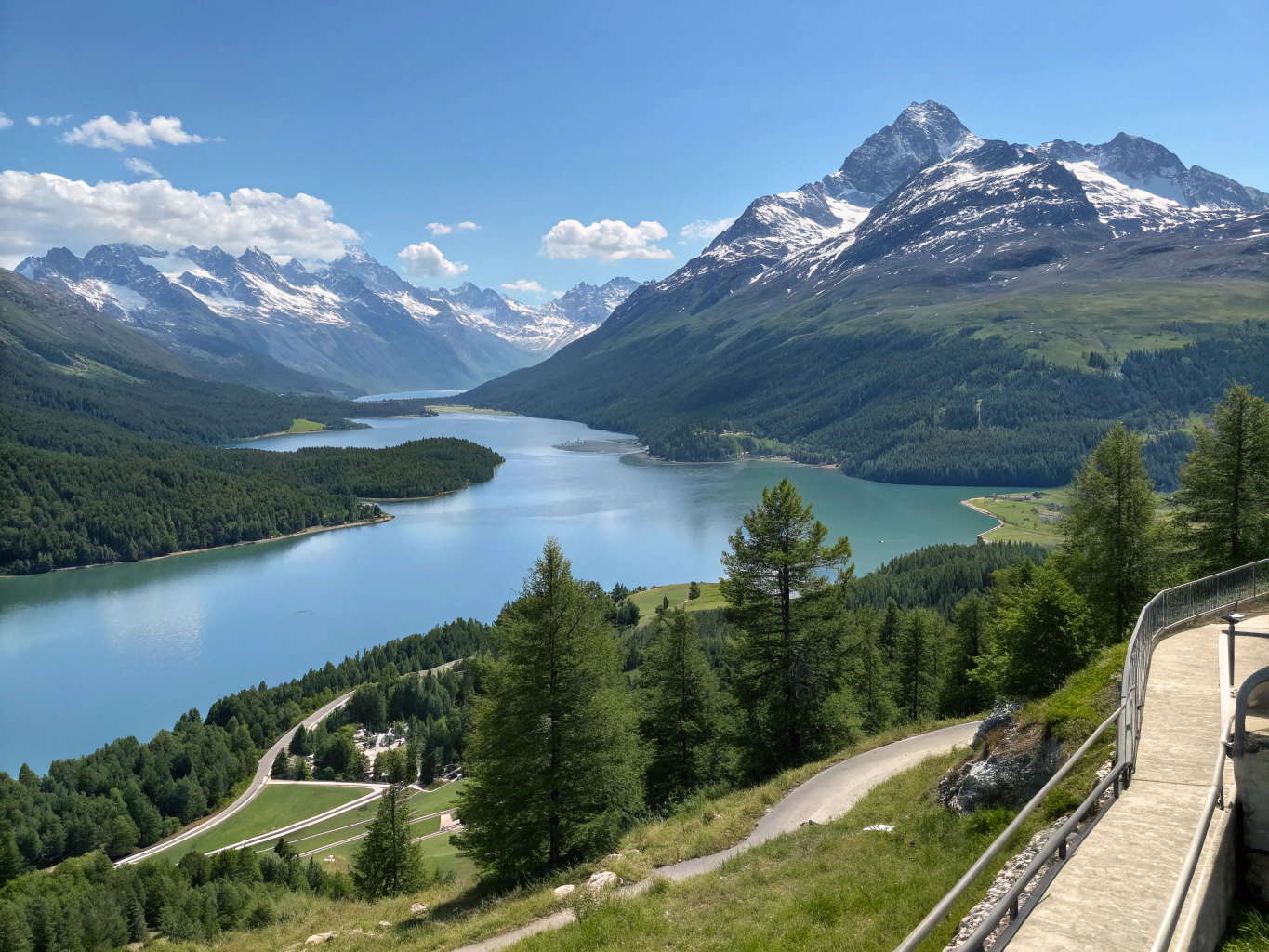
Muottas Muragl Viewpoint
⏱️ 2-3 hoursEasy
Enjoy a breathtaking panoramic view of the Upper Engadin lake plateau and the surrounding mountains. The viewing platform is accessible by funicular from Punt Muragl. At the top, a mountain restaurant with a sun terrace awaits you.
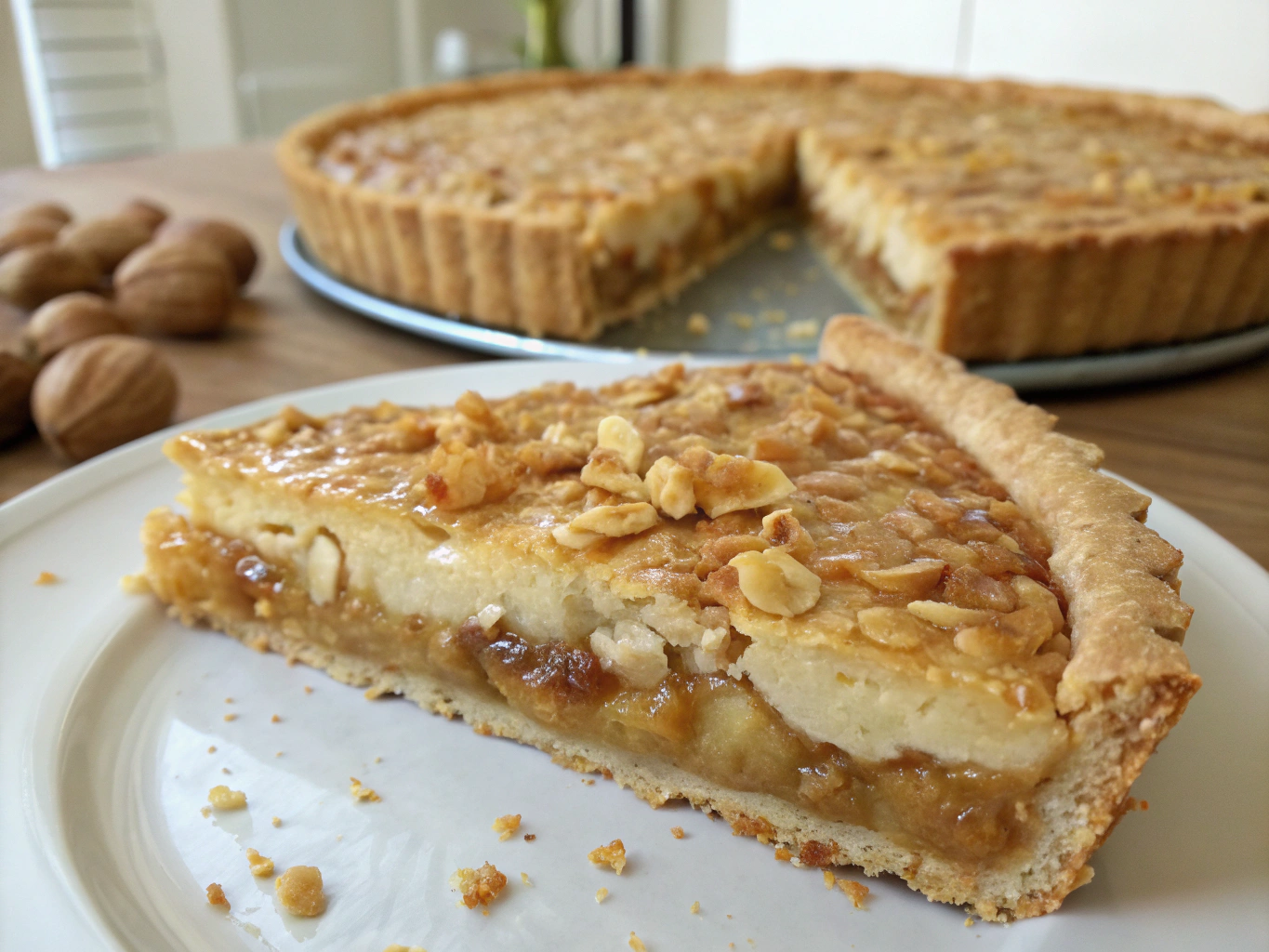
Bündner Nusstorte
⏱️ 30 minutesEasy
Try the Bündner Nusstorte, a sweet specialty from Graubünden. The tart consists of a shortcrust pastry base filled with a caramel-nut mixture. Available in many pastry shops and bakeries throughout Graubünden.
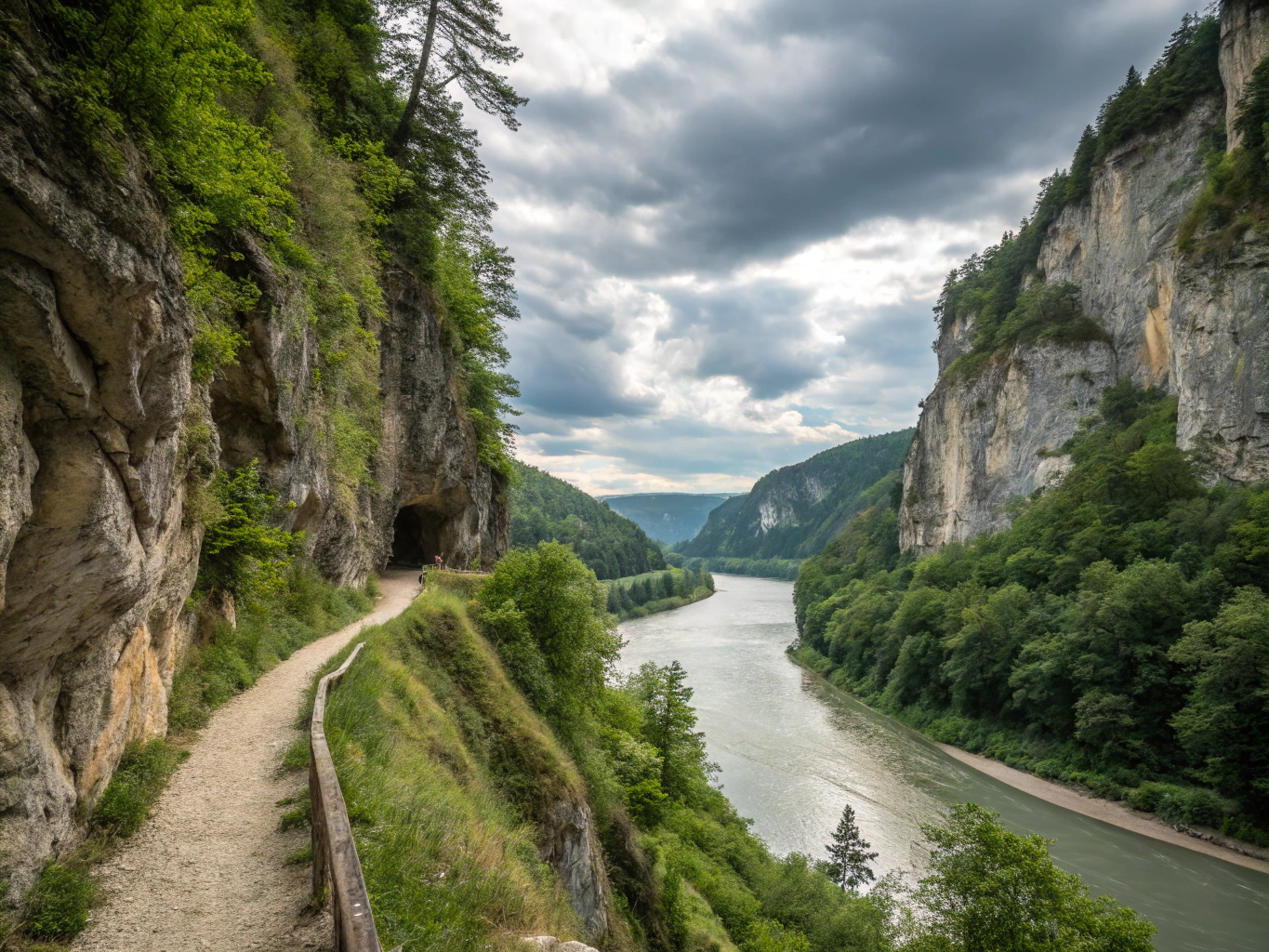
Hike through the Rhine Gorge
⏱️ 4-5 hoursModerate
Explore the Rhine Gorge, also known as the "Swiss Grand Canyon," on foot. Numerous hiking trails lead through the gorge, past steep rock faces and bizarre rock formations. Starting point is Ilanz. Plan enough time.
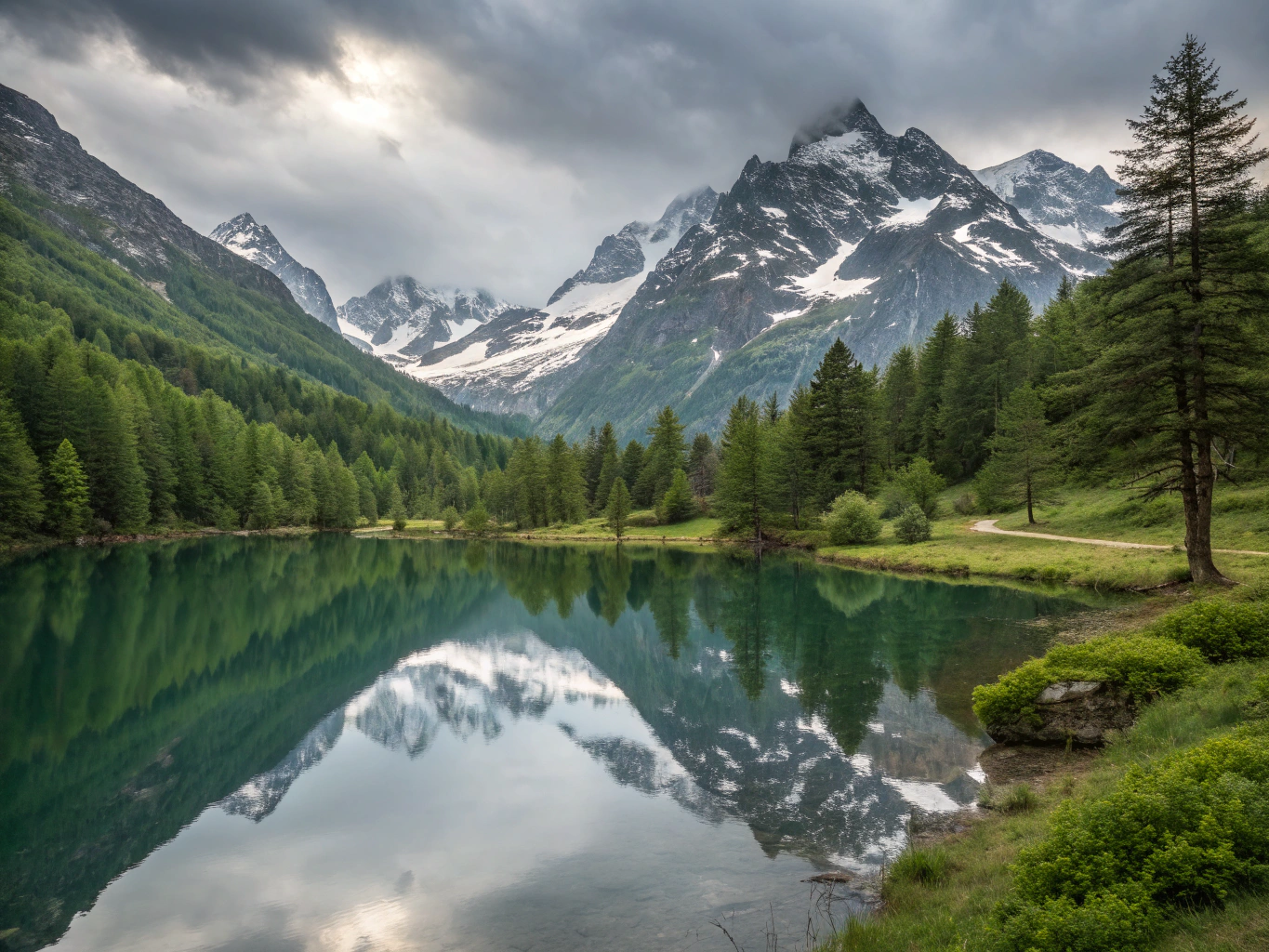
Val da Camp
⏱️ 6-7 hoursChallenging
Discover Val da Camp, a remote valley in Valposchiavo. Here you will find untouched nature and unique flora and fauna. The valley is reachable via a hike from Sfazù. A real insider tip for nature lovers.
Facts & Figures
Camping Region Graubünden
- 🌍 Country
- 🇨🇭 Schweiz
- 📍 Region
- Graubünden
- 🏛️ Province
- Graubünden
- ☀️ Climate
- Alpine climate with warm summers and snow-sure winters
- 📅 Best Season
- June/July for hikers, August/September for swimming lakes
- 🌡️ Summer Avg
- 25°C
- 🌸 Spring Avg
- 15°C
- 🏕️ Campsites
- ~150
- ✈️ Airport
- Zurich (ZRH)
- 🚌 Public Transport
- Well-developed bus and train network
- 🌧️ Rainy Days
- 12 days/month (summer)
- 🚗 From Munich
- 4 hrs / 300 km
- 🚗 From Hamburg
- 10 hrs / 950 km
- 💰 Price Level
- €€
- 🐕 Dogs
- Excellent
- 🎯 Suitable For
- Active travelersNature loversFamilies
🚦 Occupancy by Month
Jan
Feb
Mar
Apr
May
Jun
Jul
Aug
Sep
Oct
Nov
Dec
Quiet Moderate Busy Crowded
 Rent Camper Graubünden
 Campsites Graubünden