


🌿 Natur & Wildnis👨👩👧👦 Familien
Camping Guide | Vestland
Discover the World of Fjords
Norwegen, 🇳🇴 Norwegen
Camping Guide | Vestland
The salty air of the North Atlantic mixes with the scent of pine trees and damp moss. The roar of thundering waterfalls accompanies you on your journey through Camping Vestland, where rugged cliffs plunge into deep blue waters. This region of Norway is a land of contrasts, where glaciers meet green valleys and traditional villages lie beneath modern bridges. Here, you will experience a Vestland camping holiday in a unique natural setting that is second to none.
💡Vestland is not for the faint-hearted – but a feast for nature lovers.
The Region in Detail
Your comprehensive travel guide for camping Vestland.
Location & Arrival in Vestland
Vestland is located on the west coast of Norway and extends from the Hardangerfjord region in the south to the Sunnmøre region in the north. The region is known for its deep fjords, high mountains, glaciers, and waterfalls.
Arrival by car is possible, but due to the distance, arrival by ferry is recommended. From Kiel, there is a ferry connection to Oslo, from where you can reach Bergen in about 6 hours via the E16. Another option is the ferry connection from Hirtshals (Denmark) to Bergen, which significantly shortens the journey.
Alternatively, you can fly to Bergen (BGO). From there, you can reach the various parts of the region by rental car, bus, or ferry. Bus connections are well-developed, but travel times can be longer due to the topography.
Within the region, it is best to move around by car or public transport. Ferries are an important part of the public transport network and connect the various islands and fjord shores. For hikes and explorations in the mountains, sturdy footwear and weatherproof clothing are recommended.
From Munich, you can reach Kiel in about 8 hours via the A7. Those starting from Frankfurt take the A5 and A7 and need about 7-8 hours to reach Hamburg or Kiel. From Hamburg, Kiel is reachable in about 1 hour via the A215. The ferry crossing from Kiel to Oslo takes about 20 hours. The onward journey from Oslo to Bergen takes about 7 hours. Note that tolls are charged on many roads in Norway. Payment is made electronically via an AutoPASS system or subsequently via an invoice.
The campsites in Vestland are often located close to nature and offer a magnificent view of the fjords or mountains. It is advisable to book campsites in advance, especially in the high season. Wild camping is generally allowed in Norway, but there are restrictions in national parks and nature reserves. Inform yourself in advance about the applicable regulations.
The Sub-regions at a Glance
Vestland can be roughly divided into four main regions: The Hardangerfjord region, the Bergen region, the Sognefjord region, and the Nordfjord region. Each of these regions has its own character and offers different experiences.
The Hardangerfjord region is known for its orchards, the Hardangerfjord, and the Folgefonna Glacier. Here you will find charming places like Eidfjord, Ulvik, and Lofthus. Active vacationers can hike, kayak, or visit the glacier here. Families feel comfortable in the quiet villages by the fjord, while couples enjoy the romantic atmosphere.
The Bergen region is the cultural center of Vestland. Bergen itself is a lively city with historic districts like Bryggen, a UNESCO World Heritage Site. In the surroundings of Bergen, there are numerous islands and fjords that invite you to boat trips. Athletes will find opportunities for hiking and mountain biking here. Culture lovers will get their money's worth in the city's museums and galleries.
The Sognefjord region is dominated by the Sognefjord, the longest and deepest fjord in Norway. Picturesque places like Flåm, Sogndal, and Balestrand are located here. The region is ideal for nature lovers and hikers. Families can take a trip on the Flåm Railway, one of the steepest railway lines in the world. Adventurers can climb the Jostedalsbreen Glacier or take a kayak tour on the fjord.
The Nordfjord region is known for its dramatic landscape with steep mountains, glaciers, and the turquoise-blue Lake Lovatnet. Places like Stryn, Loen, and Olden are located here. The region is a paradise for hikers and climbers. Adrenaline junkies can try the Via Ferrata Loen or undertake a glacier hike. Peace seekers will find relaxation in the remote valleys and on the shores of Lake Lovatnet.
In the Bergen region, the places Voss, known for its extreme sports, and Os, south of Bergen, are particularly worth a visit. Along the Hardangerfjord, the small towns of Odda and Jondal attract visitors with their proximity to the Folgefonna Glacier. In the north, along the Sognefjord, the places Vik and Lærdal offer traditional Norwegian architecture and untouched nature. Each of these places offers unique experiences and contributes to the diverse character of Camping Vestland.
Camping in Vestland: What to Expect?
The camping landscape in Vestland is diverse and offers something for every taste. There are about 200 campsites in the region, ranging from large resort sites with pools and animation to small, nature-oriented sites in the middle of untouched nature. Many campsites are located directly on the fjord or in the mountains and offer a magnificent view.
The prices for a pitch vary depending on the season and the site's facilities. In the high season (June to August), a pitch for two people and a tent or caravan costs an average of between 30 and 50 euros per night. In the off-season (May and September), prices are often significantly cheaper and range between 20 and 35 euros per night.
The size of the pitches also varies. On larger campsites, the pitches are often parceled and offer sufficient space for a large tent or a caravan with an awning. On smaller, nature-oriented sites, the pitches are often not parceled and offer more privacy. Many pitches are surrounded by trees and offer shade, but there are also pitches in the sun.
The infrastructure of the campsites varies. Most sites have sanitary facilities with showers and toilets. The standard of the sanitary facilities can vary, but most sites are clean and well-maintained. Many sites also offer Wi-Fi, but the quality can vary depending on the site's location. Electricity hookups are available on most sites, but the amperage can be different. It is advisable to inform yourself in advance about the site's facilities.
A reservation is recommended in the high season, especially if you prefer a specific pitch. Last-minute opportunities are often available on smaller sites or in the off-season. Many campsites offer online bookings. It is advisable to inform yourself in advance about the cancellation policies.
In addition to the classic campsites, there are also some agritourism farms in Vestland that offer pitches. These often offer a family atmosphere and the opportunity to try local products. Pitches for motorhomes are also widespread in Vestland. Many cities and municipalities offer separate motorhome pitches with disposal stations. Camping in Vestland promises unforgettable nature experiences and relaxing days.
Practical Information for Campers
For the use of many roads and bridges in Norway, including some routes in Vestland, tolls apply. Payment is made electronically via the AutoPASS system. You can register online in advance or pay the fees subsequently via an invoice. The costs vary depending on the route section and vehicle type. An overview of the tolls can be found on the AutoPASS website.
Diesel prices in Norway are generally higher than in Germany. Gas stations are well signposted and open 24/7 in larger towns. Credit cards are accepted at most gas stations.
You can shop in supermarkets like Rema 1000, Kiwi, Coop, and Meny. Opening hours are usually from 7 am to 11 pm; some supermarkets are also open on Sundays, especially in tourist areas. Lidl and Eurospar are less common.
The supply of gas cylinders can be problematic, as German gas cylinders cannot be exchanged in Norway. It is advisable to take adapters with you or buy a Norwegian gas cylinder locally. Inform yourself in advance about the availability of gas cylinders in your region.
Disposal stations for waste water and chemical toilets are available at many campsites and motorhome pitches. The locations are often signposted or listed in camping guides.
Mobile network coverage in Norway is good, but there may be restrictions in remote areas. Norway is not part of the EU, so roaming charges apply. Inform yourself in advance about your provider's roaming rates or buy a Norwegian SIM card.
Medical care in Norway is good. In larger towns, there are hospitals and pharmacies. The European Health Insurance Card (EHIC) is accepted. It is advisable to take out travel health insurance.
Wild camping is generally allowed in Norway, but there are restrictions. You may set up your tent or motorhome for a maximum of two nights in one place, as long as you are not in a national park, nature reserve, or on private property. Adhere to the applicable rules and leave no trash behind.
Tap water in Norway is of high quality and can be drunk without hesitation.
Insider Knowledge & Secret Tips
The off-season (May and September) is an ideal time to travel for camping in Vestland. The temperatures are pleasantly mild, the campsites are less crowded, and the prices are often cheaper. You also have the opportunity to enjoy nature in peace without being disturbed by crowds of tourists.
A less known place is the village of Undredal on the Aurlandsfjord. It is remote and only accessible via a steep road or by boat. Undredal is known for its stave church and its goat cheese. From here, you can undertake hikes into the surrounding mountains or take a kayak tour on the fjord.
Another secret tip is the beach of Hoddevik on the island of Stadlandet. It is known for its high waves and is a popular destination for surfers. Even if you don't surf, the beach is worth a visit. The landscape is breathtaking and there are several hiking trails in the area.
In Bergen, a fish market takes place every day where you can buy fresh fish and seafood. Here you can also try local specialties like fish soup or smoked salmon. Another market takes place every Saturday in Voss, where you can buy regional products like cheese, sausage, and honey.
A local festival is the Norsk Fjordhest Stallen in Nordfjordeid in May. Here, the famous Norwegian Fjord horses are celebrated. There are demonstrations, competitions, and a colorful supporting program.
Culinary specialties in Vestland include Gamalost (a mature cheese), Persetorsk (a cod soaked in brine), and Pinnekjøtt (smoked and steamed lamb ribs). These specialties are not to everyone's taste, but they are worth trying.
A day trip that is worthwhile is the drive to Trolltunga (Troll's Tongue), a rocky outcrop that towers high above Lake Ringedalsvatnet. The hike to Trolltunga is demanding and takes about 10-12 hours. However, the view is breathtaking. The drive from Bergen to the starting point of the hike takes about 3 hours. Parking fees apply.
Experiences & Activities: Vestland
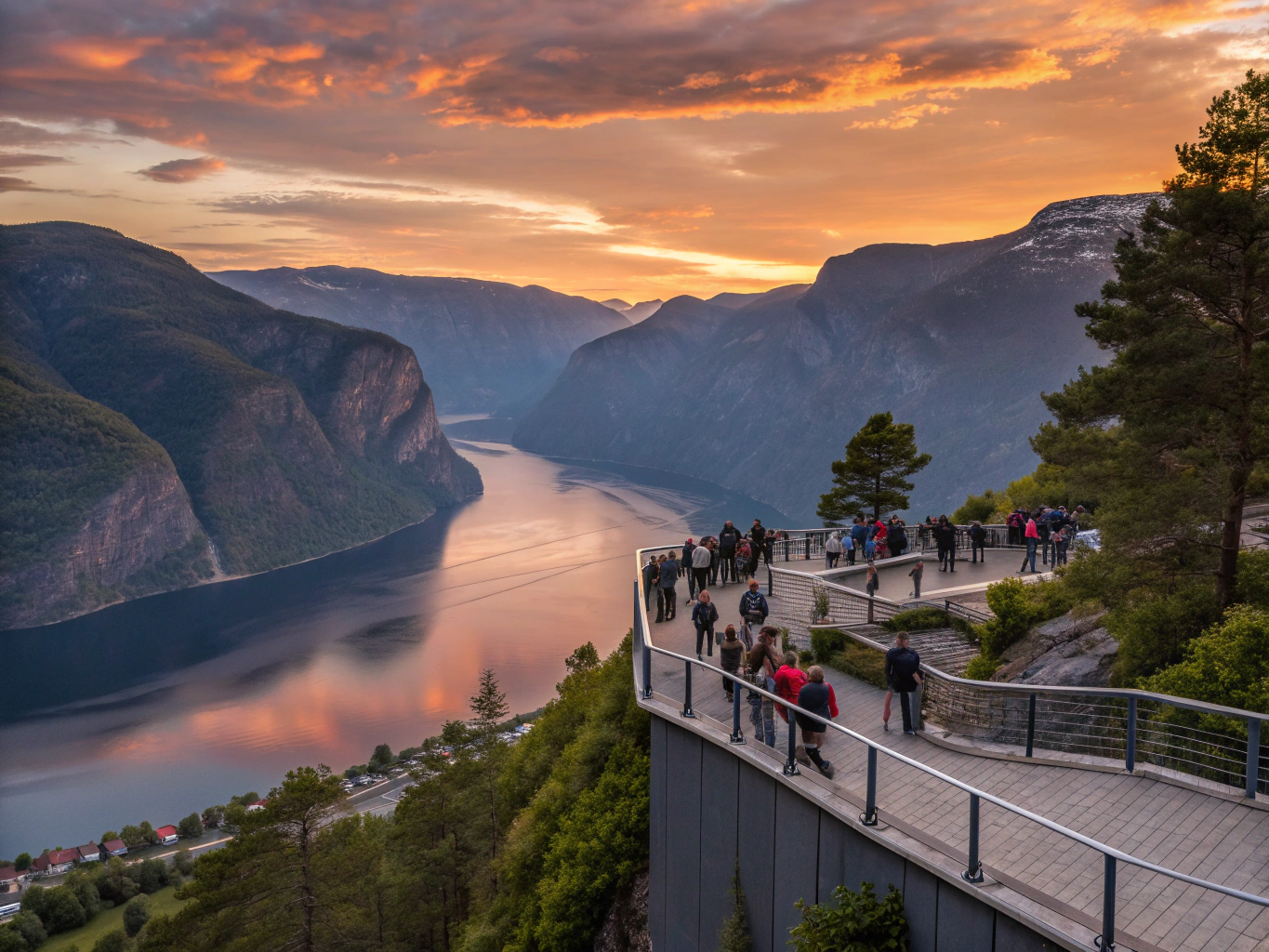
Stegastein Viewpoint
⏱️ 1 hourEasy
The Stegastein platform juts out 30 meters over the Aurlandsfjord and offers an incomparable panoramic view. Accessible via the road from Aurland to Lærdal, it is a must for every visitor. The drive there is an experience in itself.
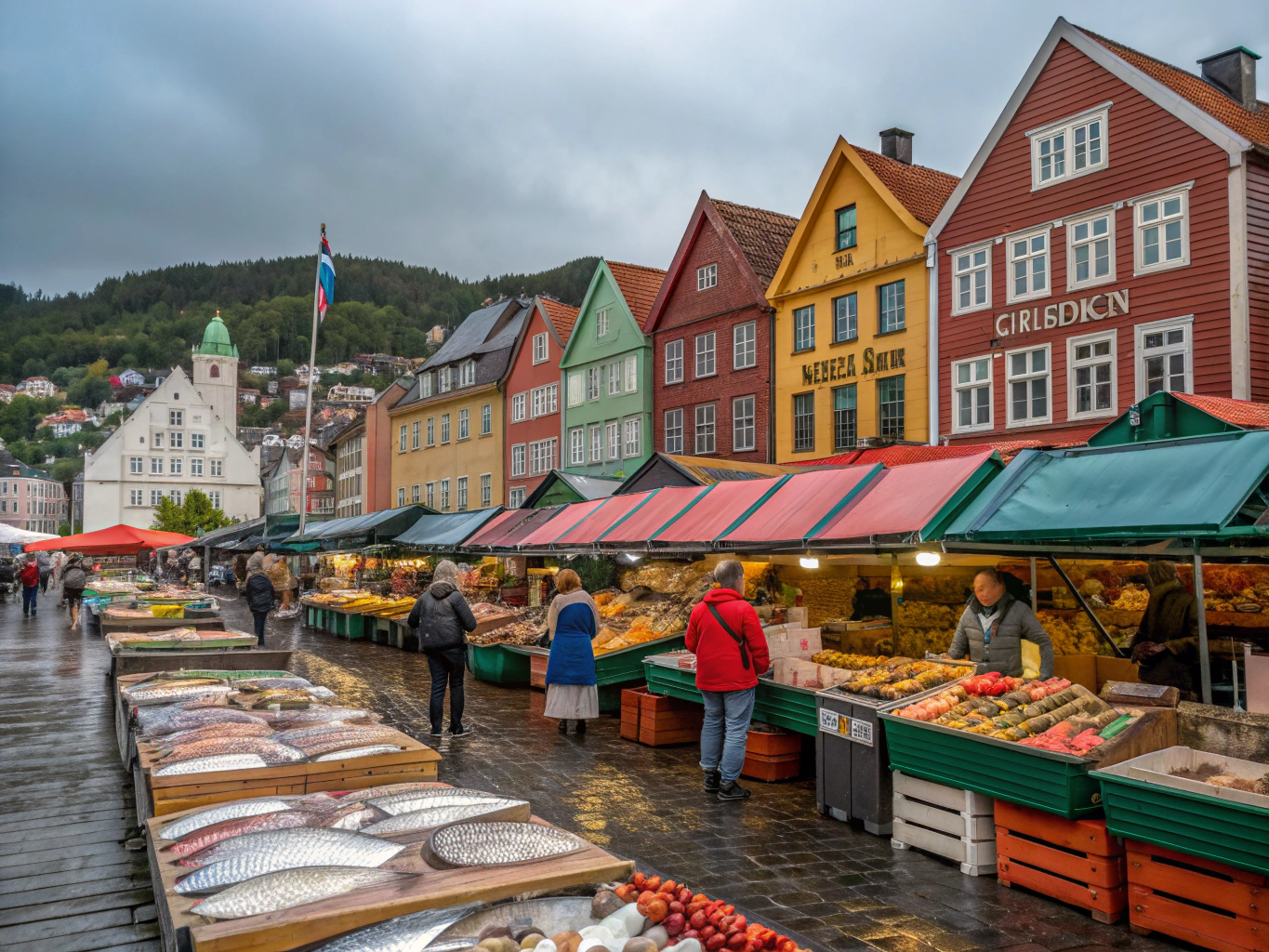
Bergen Fish Market
⏱️ 2 hoursEasy
The fish market in Bergen is a lively meeting point where fresh seafood and local specialties are offered. It is located directly at the harbor and is easily accessible on foot. Here you can experience the flavors of Vestland up close.
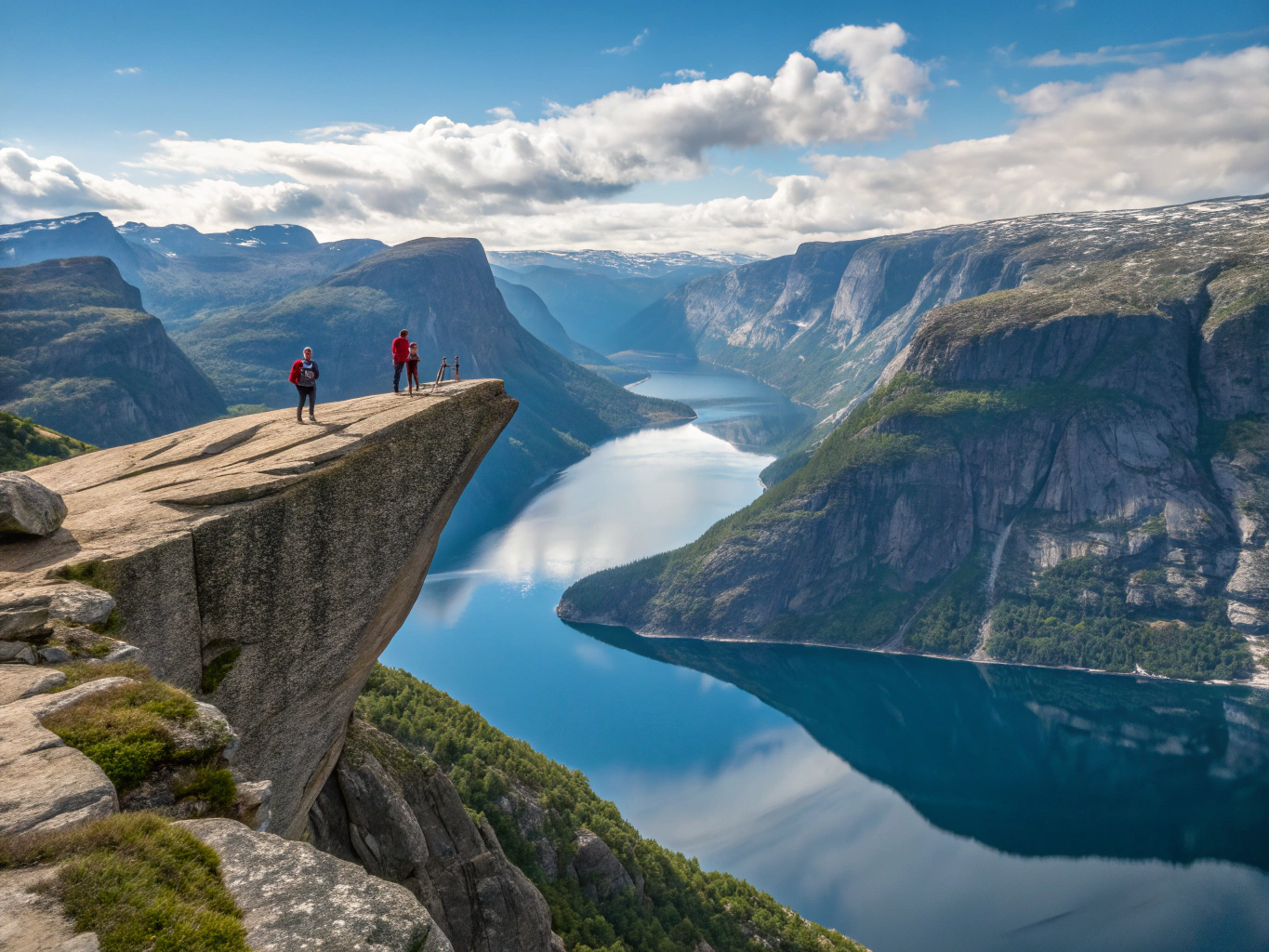
Hike to Trolltunga
⏱️ 10-12 hoursChallenging
The hike to Trolltunga is a demanding day tour rewarded with a spectacular view. The starting point is near Odda. The tour requires a good fitness level and weatherproof clothing.
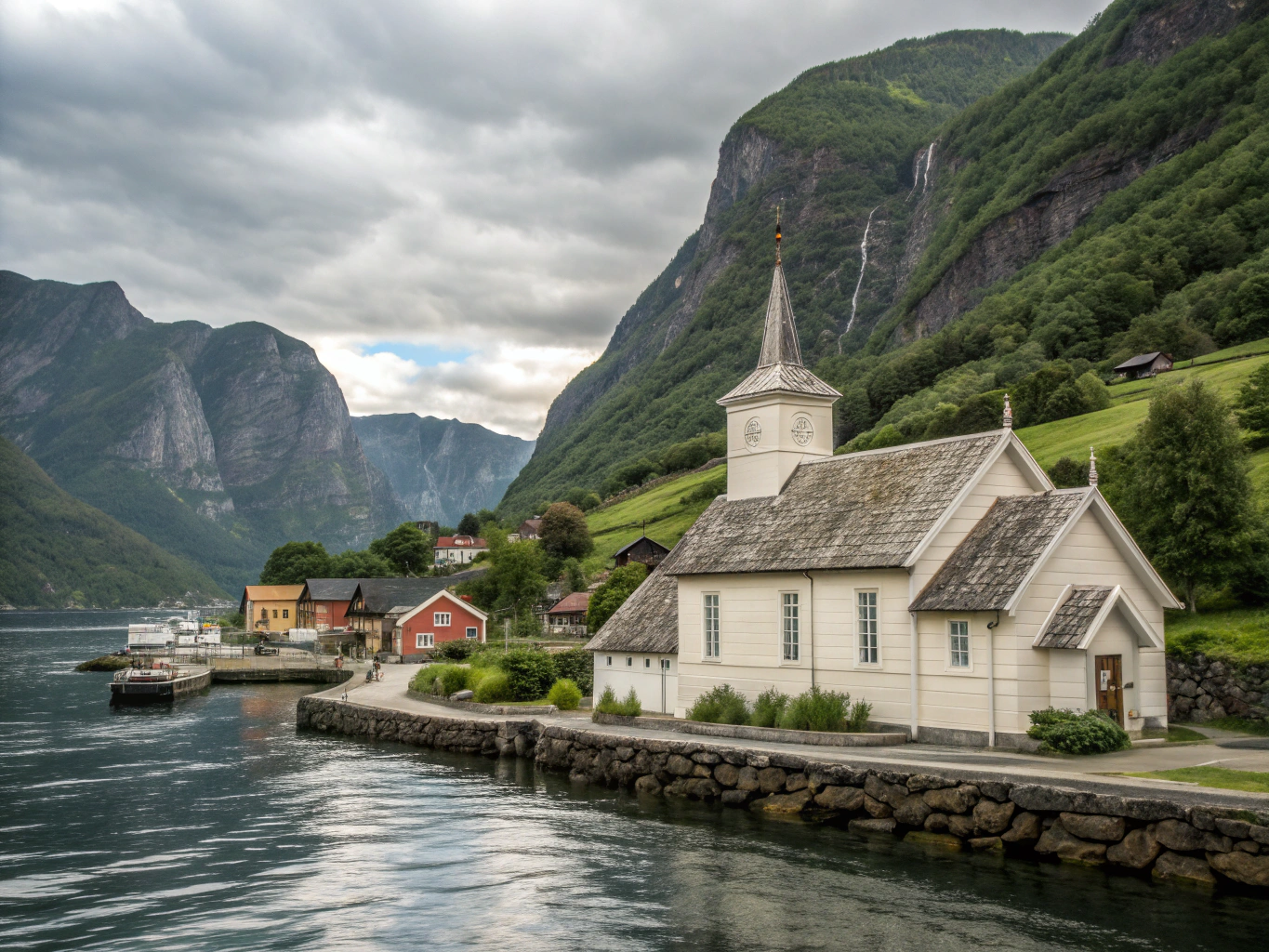
Insider Tip: Undredal
⏱️ half a dayModerate
Undredal is a picturesque village on the Aurlandsfjord, known for its stave church and goat cheese. It is only accessible via a steep road or by boat. Here you will find peace and authenticity off the beaten tourist path.
Facts & Figures
Camping Region Vestland
- 🌍 Country
- 🇳🇴 Norwegen
- 📍 Region
- Vestland, Norway
- 🏛️ Province
- No provinces in the German sense
- ☀️ Climate
- Maritime, changeable
- 📅 Best Season
- June/July for mild weather, August/September for clear views
- 🌡️ Summer Avg
- 15°C
- 🌸 Spring Avg
- 8°C
- 🏕️ Campsites
- ~200
- ✈️ Airport
- Bergen (BGO)
- 🚌 Public Transport
- Well-developed bus and ferry network
- 🌧️ Rainy Days
- Approx. 200 days per year
- 🚗 From Munich
- 20 hrs / 1800 km (Kiel-Oslo ferry recommended)
- 🚗 From Hamburg
- 16 hrs / 1400 km (Hirtshals-Bergen ferry)
- 💰 Price Level
- €€€ Expensive, but unforgettable
- 🐕 Dogs
- Good. Observe leash requirements!
- 🎯 Suitable For
- Nature loversAdventurersPeace seekers
🚦 Occupancy by Month
Jan
Feb
Mar
Apr
May
Jun
Jul
Aug
Sep
Oct
Nov
Dec
Quiet Moderate Busy Crowded
 Rent Camper Vestland
 Campsites Vestland