


🌿 Natur & Wildnis👨👩👧👦 Familien
Camping Guide | Sachsen
Discover Camping Bliss
Deutschland, 🇩🇪 Deutschland
Camping Guide | Sachsen
Imagine waking up to the scent of pine needles and the gentle murmur of the Elbe. Camping in Saxony means experiencing the diversity of Germany in all its facets. Here, the rugged beauty of the Elbe Sandstone Mountains meets the cultural richness of cities like Dresden and Leipzig. Whether you are traveling by motorhome, prefer a tent, or are looking for a comfortable pitch – Saxony offers the right choice for every camping holiday. Discover the freedom of enjoying nature while remaining close to historic sights and lively urban centers.
💡Saxony is more than just Stollen and Elbe Sandstone.
The Region in Detail
Your comprehensive travel guide for camping Sachsen.
Location & Arrival in Saxony
Saxony is located in eastern Germany and borders Poland and the Czech Republic. The region stretches from the lowlands in the north to the Ore Mountains in the south.
Arriving by car is very straightforward: from the north, you reach Saxony via the A13 and A14; from the west via the A4 and A38. Those coming from the south should use the A9. The drive from Munich takes about 5 hours via the A9, while from Frankfurt it is around 4 hours via the A4. Coming from Hamburg, you can reach Saxony in about 4 hours via the A14. As of 2024, tolls are not yet charged on German motorways for cars and motorhomes under 7.5 tons.
Saxony is also easily accessible by train. Dresden and Leipzig are major hubs in the German rail network. From Frankfurt, for example, there are regular ICE connections to Dresden (approx. 5 hours) and Leipzig (approx. 3.5 hours). From Munich, you can reach Leipzig in about 4.5 hours by ICE, and Dresden in about 6 hours. Hamburg also offers direct connections to Leipzig and Dresden.
The nearest airport is Dresden (DRS). From there, you can reach the main station in about 20 minutes using the S2 S-Bahn line. Leipzig/Halle (LEJ) is another option, from where the S5 S-Bahn line takes you to Leipzig city center in about 15 minutes.
Within Saxony, public transport is well-developed. Buses and trains connect most locations. The local transport network is particularly excellent in larger cities like Dresden and Leipzig. For excursions to Saxon Switzerland, the S1 S-Bahn line, which runs regularly between Dresden and Schöna, is recommended. The Elbe Valley can also be easily explored by bicycle; the Elbe Cycle Route is a popular long-distance path that leads through Saxony.
The Subregions at a Glance
Saxony can be roughly divided into four subregions, each with its own character and charm: the Elbland, Saxon Switzerland, the Ore Mountains, and the Leipzig New Lakeland.
The Elbland, especially the area around Dresden, is known for its vineyards, palaces, and of course, the Elbe itself. Here you will find numerous campsites directly on the river, ideal for families and culture enthusiasts. Radebeul, Meissen, and Pirna are noteworthy places with historical significance. In Radebeul, you can visit the Karl May Museum, Meissen is famous for its porcelain, and Pirna enchants with its historic old town.
Saxon Switzerland, southeast of Dresden, is a paradise for hikers and climbers. The bizarre rock landscape of the Elbe Sandstone Mountains offers unique views and countless hiking trails. Places like Bad Schandau, Königstein, and Rathen are popular starting points for exploration tours. Active vacationers and nature lovers feel particularly at home here. Numerous campsites are ideally located for exploring the region.
The Ore Mountains (Erzgebirge), in southern Saxony, are known for their traditions, woodcraft, and mining history. In winter, the Ore Mountains are a popular destination for skiers and snowboarders. Places like Seiffen, Oberwiesenthal, and Annaberg-Buchholz are famous for their Christmas traditions. Here you will find campsites that specialize in winter camping. However, the Ore Mountains also offer numerous hiking and mountain biking opportunities in summer.
The Leipzig New Lakeland (Leipziger Neuseenland), south of Leipzig, is a lake landscape created by former lignite mining. Here you can swim, sail, surf, and dive. The lakes are connected by canals, so you can also explore the region by boat. Places like Markkleeberg, Cospuden, and Zwenkau offer numerous water sports opportunities and campsites directly on the lake. Families and water sports enthusiasts especially get their money's worth here.
Camping in Saxony: What to Expect?
The camping landscape in Saxony is diverse and offers something for every taste. There are large, well-equipped resort sites with pools and entertainment, as well as small, nature-oriented sites in the middle of the picturesque landscape. Pitches for motorhomes are also widespread, often with direct access to hiking and cycling trails.
Price ranges vary depending on the season and facilities. In the high season (July/August), a pitch for two people costs an average of between 25 and 40 euros per night. In the low season (May/June and September/October), prices are often significantly lower, sometimes starting from 15 euros per night. Many sites also offer flat-rate deals for longer stays.
The size of the pitches also varies. On larger sites, the plots are often parceled out and offer enough space for a motorhome, a tent, and a seating area. Smaller, nature-oriented sites often have unparceled areas that blend harmoniously into the landscape. Whether you prefer shade or sun depends on the location of the site and the orientation of the pitches.
The sanitary standards at campsites in Saxony are generally good to very good. Many sites have modern sanitary buildings with showers, toilets, washbasins, and washing machines. Electricity connections are also available at most sites, often with a fuse protection of 6 to 16 amps. Wi-Fi is available at many sites, although the quality can vary.
A reservation is recommended, especially in the high season, particularly if you prefer a specific pitch or are traveling with a larger group. Last-minute opportunities often exist at smaller sites or in the low season. It is worth inquiring at short notice. Many campsites also offer online booking systems through which you can conveniently reserve your pitch from home.
Practical Information for Campers
For your camping trip to Saxony, there are some practical pieces of information to keep in mind. As of 2024, no tolls are charged on German motorways for cars and motorhomes under 7.5 tons.
Diesel prices in Saxony are generally slightly lower than the national average. Filling stations are sufficiently available along the motorways and in larger towns. Opening hours vary, but many stations are open around the clock.
Supermarkets such as Lidl, Edeka, and Rewe are widespread in Saxony. Opening hours are usually Monday to Saturday from 7 am to 10 pm. Most supermarkets are closed on Sundays, with the exception of a few in tourist areas.
Gas supply can be a bit tricky, as German gas cylinders cannot be easily exchanged everywhere. It is recommended to bring an adapter or inquire locally about exchange options.
Disposal stations for motorhomes are available at many campsites and at service areas along the motorways. The fees for use vary, but disposal is often included in the pitch price.
Mobile network coverage in Saxony is generally good. Roaming charges do not apply within the EU, so you can use your phone as usual.
Medical care in Saxony is very good. Hospitals and pharmacies are available in larger towns. In an emergency, dial 112.
Wild camping is generally prohibited in Saxony. However, there are a few exceptions, for example on private property with the owner's permission. Environmental zones exist in some cities, such as Leipzig and Dresden. Check in advance if your vehicle is affected.
Tap water in Saxony is generally of good quality and can be drunk without hesitation. However, it is recommended to watch for signs, especially in rural areas.
Insider Knowledge & Secret Tips
Anyone wishing to experience Saxony off the beaten track should consider the low season. In May and June, nature is in bloom, temperatures are pleasantly mild, and the campsites are not yet overcrowded. September and October are also ideal for a camping holiday in Saxony, when the leaves turn colorful and the vineyards invite you to the harvest.
A less well-known place is the Zittau Mountains, east of Saxon Switzerland. Here you will find rustic villages, picturesque hiking trails, and a breathtaking view from the Hochwald Tower. Access is via the B96; it is about 15 kilometers from Zittau.
Local markets are a must for foodies. The weekly market in Dresden at Alaunplatz (Saturdays) offers a large selection of regional products, from fresh fruit and vegetables to artisanal specialties. The market in Leipzig at the Marktplatz (Tuesdays and Fridays) is also worth a visit.
A culinary tip is the Saxon Potato Soup (Sächsische Kartoffelsuppe), a hearty dish that warms you up especially in the cold months. Try it in one of the numerous inns in the Ore Mountains or Saxon Switzerland. Quarkkäulchen, small cakes made from quark and potatoes, are also a specialty you should definitely try.
A worthwhile day trip is the Königstein Fortress, one of the largest hilltop fortifications in Europe. It sits on a table mountain in Saxon Switzerland and offers a breathtaking view of the Elbe and the surrounding landscape. Access is via the B172; it is about 40 kilometers from Dresden. Entry costs approx. 12 euros per person.
A secret tip for nature lovers is the Bastei Rock in Saxon Switzerland. The famous Bastei Bridge offers a breathtaking view of the Elbe and the rock formations. The Bastei is best reached by car via the B172. From there, it is only a few minutes' walk to the bridge. Alternatively, you can hike to the Bastei from Rathen on foot (approx. 1 hour).
Experiences & Activities: Sachsen
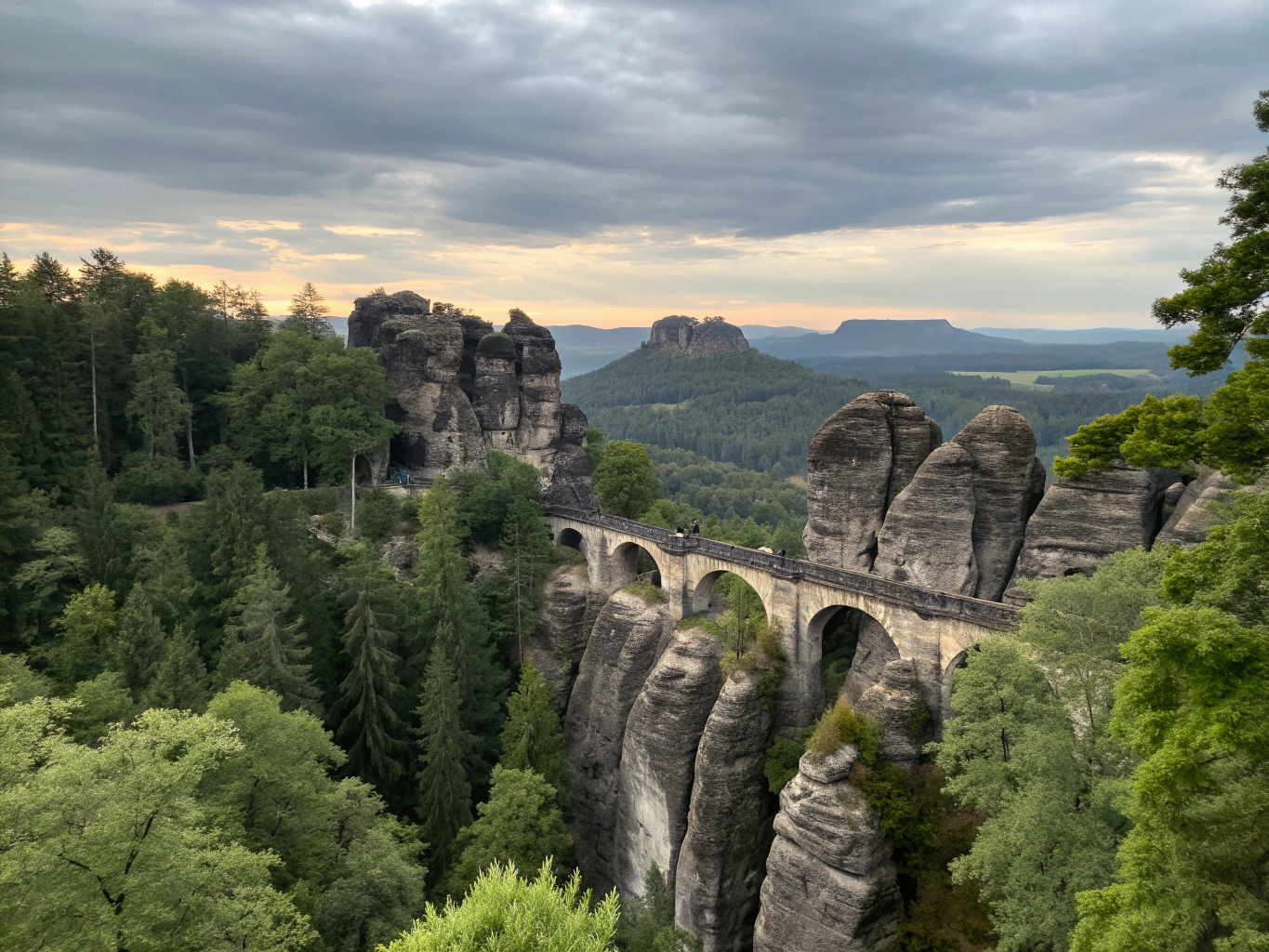
Bastei Bridge
⏱️ 1-2 hoursEasy
The Bastei Bridge is a breathtaking rock formation in Saxon Switzerland with spectacular views of the Elbe. A walk across the bridge is an unforgettable experience. The Bastei is best reached by car via the B172; parking is available. Alternatively, you can hike to the Bastei from Rathen on foot (approx. 1 hour).
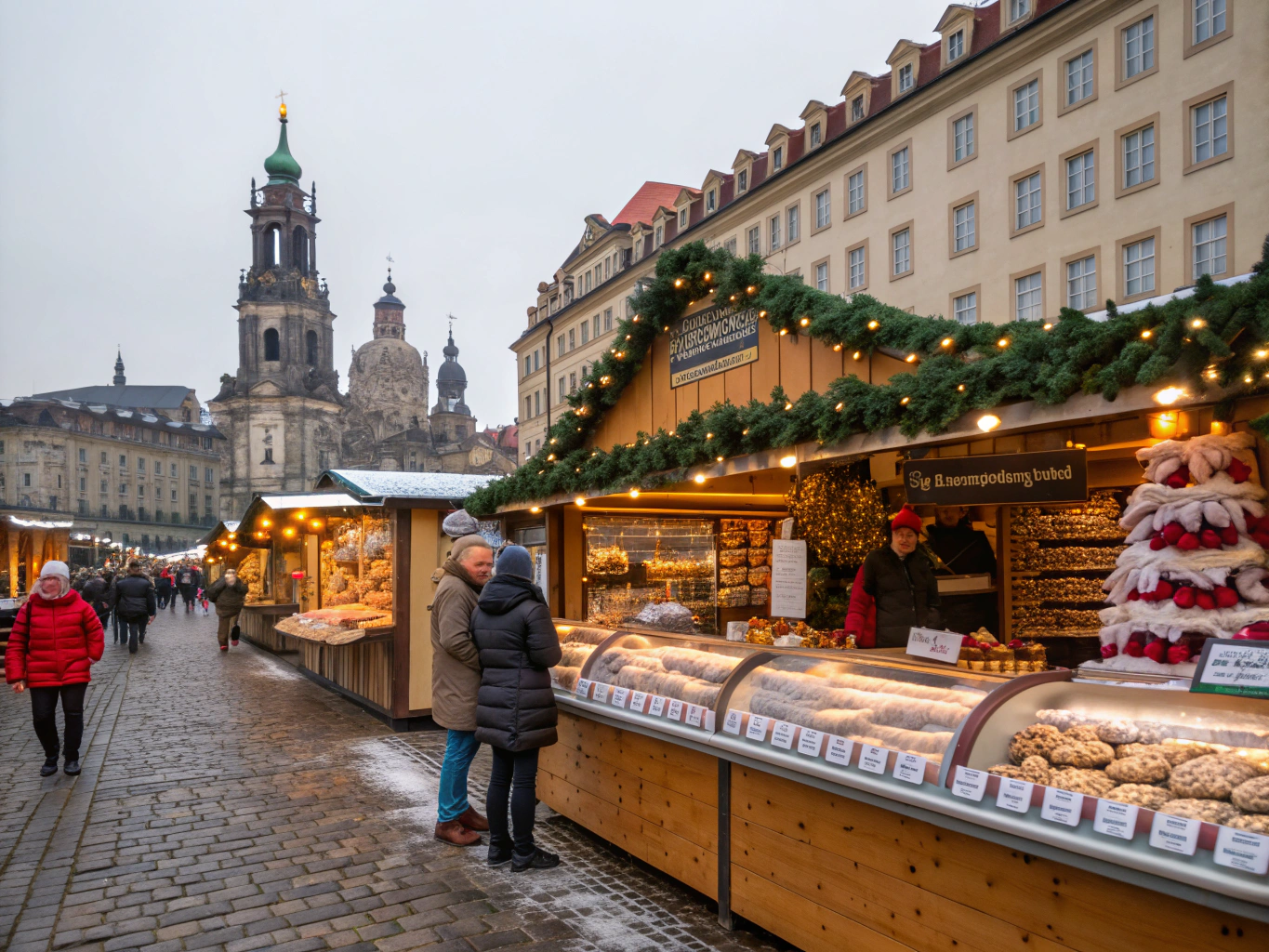
Dresden Stollen
⏱️ 30 minutesEasy
A visit to Dresden wouldn't be complete without trying the famous Dresden Stollen. Bakeries in the old town offer delicious variations of this traditional Christmas pastry. The Striezelmarkt during the Advent season is particularly recommended, where you can enjoy Stollen fresh from the baker.
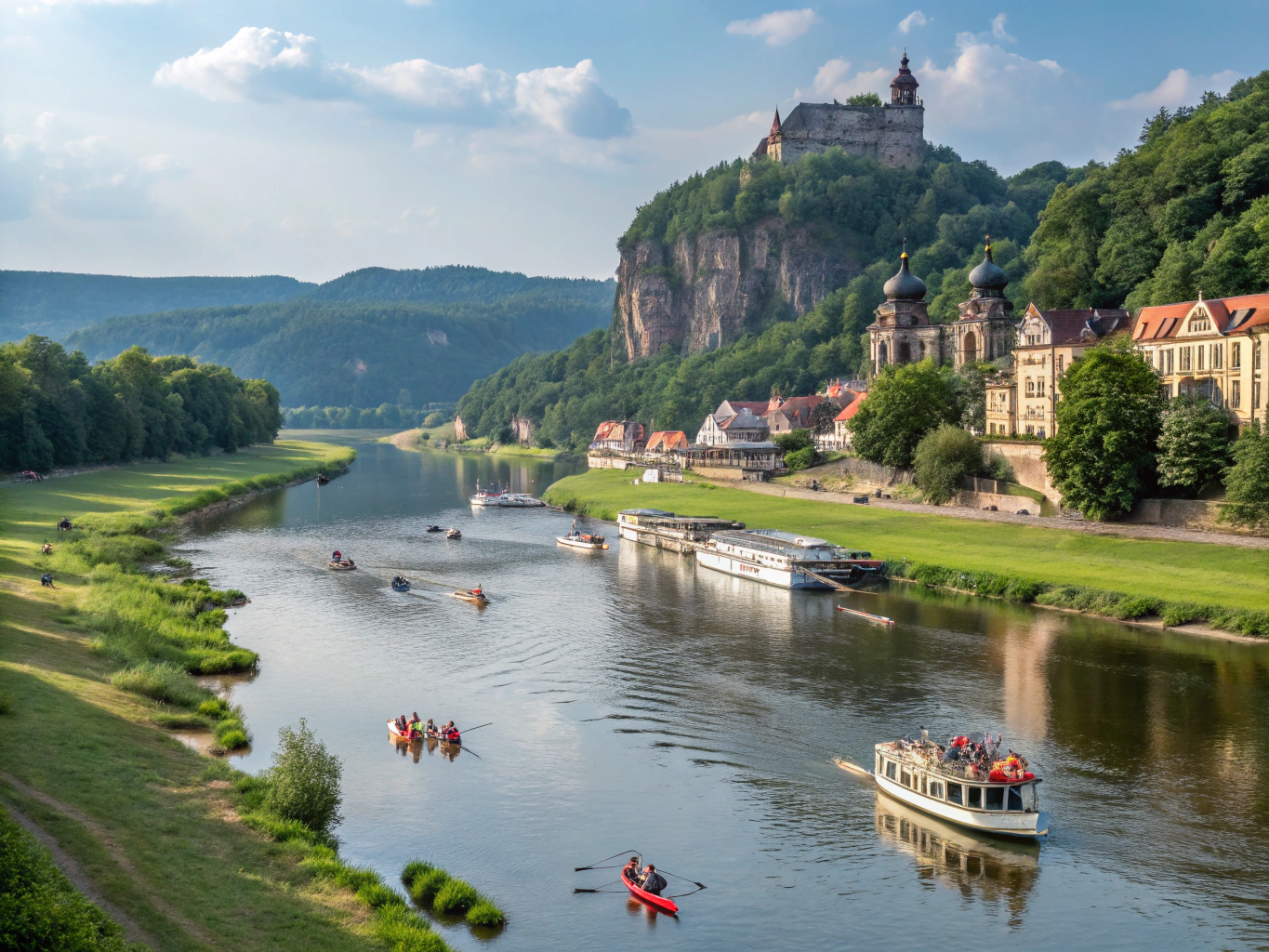
Canoeing on the Elbe
⏱️ 4-6 hoursModerate
A canoe trip on the Elbe is a relaxed way to experience the Saxon landscape from the water. Numerous rental stations offer canoes and kayaks for day trips. The route between Pirna and Dresden, passing vineyards and historic castles, is particularly beautiful.
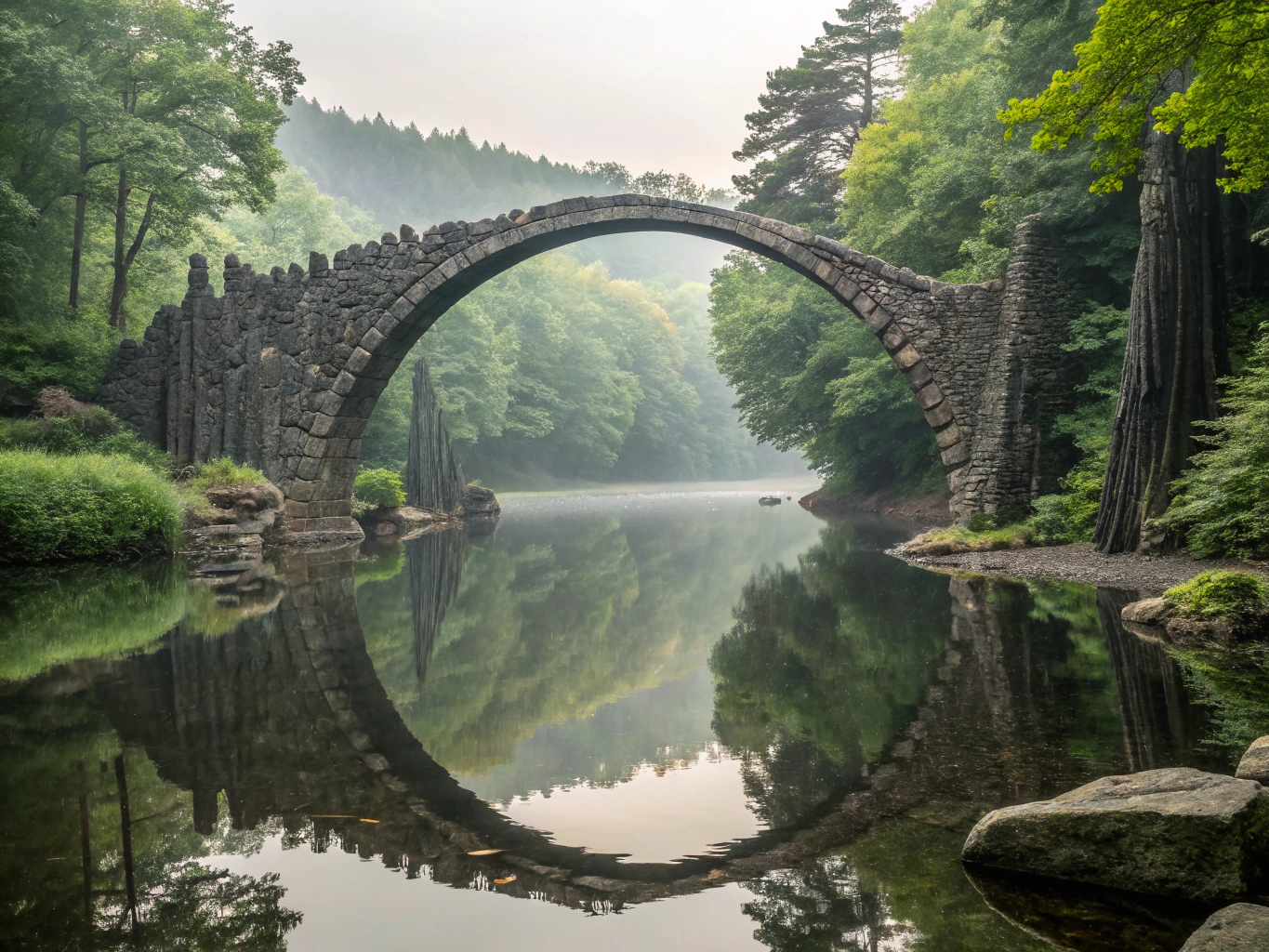
Rakotz Bridge
⏱️ 1-2 hoursEasy
The Rakotz Bridge in Kromlau Park is a hidden gem known for its unique architecture. The bridge reflects in the water of the Rakotzsee, forming a perfect photographic circle. The park is located near Gablenz, accessible via the B156.
Facts & Figures
Camping Region Sachsen
- 🌍 Country
- 🇩🇪 Deutschland
- 📍 Region
- Saxony
- 🏛️ Province
- None
- ☀️ Climate
- Temperate
- 📅 Best Season
- May/June for hiking, July/August for swimming lakes
- 🌡️ Summer Avg
- 24°C
- 🌸 Spring Avg
- 14°C
- 🏕️ Campsites
- ~200
- ✈️ Airport
- Dresden (DRS)
- 🚌 Public Transport
- Well-developed
- 🌧️ Rainy Days
- 10 days
- 🚗 From Munich
- 5 hrs / 500 km
- 🚗 From Hamburg
- 4 hrs / 350 km
- 💰 Price Level
- €€
- 🐕 Dogs
- Good
- 🎯 Suitable For
- Nature loversCulture enthusiastsFamilies
🚦 Occupancy by Month
Jan
Feb
Mar
Apr
May
Jun
Jul
Aug
Sep
Oct
Nov
Dec
Quiet Moderate Busy Crowded
 Rent Camper Sachsen
 Campsites Sachsen