


⛰️ Berge & Alpen🧖 Wellness & Erholung👨👩👧👦 Familien
Camping Guide | Steiermark
Camping bliss in the green heart
Steiermark, 🇦🇹 Oesterreich
Camping Guide | Steiermark
The scent of fresh grass and aromatic herbs fills the air as the sun bathes the rolling hills of Styria in a warm light. Camping in Styria means immersing yourself in a world of contrasts: here, gentle vineyards meet rugged mountain peaks, and traditional inns meet modern wellness oases. Unlike the alpine regions of Austria, a relaxed atmosphere and warm hospitality await you here. Styria is a true paradise for gourmets and active vacationers who love nature and seek something special. Discover campsites in the heart of untouched nature and experience an unforgettable camping holiday in Styria.
💡Styria is more than just an insider tip – it's a way of life.
The Region in Detail
Your comprehensive travel guide for camping Steiermark.
Location & Arrival in Styria
Styria, also known as the green heart of Austria, is located in the southeast of the country and borders Slovenia. It is the second-largest federal state in Austria by area and stretches from the foothills of the Alps in the north to the rolling vineyards in the south.
Arriving by car is straightforward. From Munich, you can reach Styria via the A8 towards Salzburg and then continue on the A9 Pyhrn motorway. The journey takes about 4.5 hours and leads through diverse landscapes. Those starting from Hamburg take the A7 south and then switch to the A9. This route is significantly longer with a driving time of around 9 hours. Coming from Switzerland, we recommend traveling via Zurich and then using the Austrian motorways. Please note that toll fees are charged on motorways in Austria. A vignette is required, which you can purchase online, at gas stations, or at rest areas. The cost for a 10-day vignette is approximately €9.60.
Alternatively, traveling by train is a great option. Graz main station is well-connected to the international rail network. There are direct connections from Munich that take about 6 hours. From Hamburg, you should expect one change and a travel time of about 10 hours. Within Styria, regional trains connect smaller towns.
The nearest airport is Graz Airport (GRZ). From there, you can reach the city by bus or taxi. There are also car rental providers at the airport if you wish to explore the region independently.
Locally, the bus network is well-developed, allowing you to reach many places comfortably. However, for hiking and excursions into nature, your own vehicle or the use of bicycles is recommended. Styria has a well-signposted network of cycle paths, which is ideal for a camping holiday in Styria. Many campsites are well-connected to the public transport network, so you can leave your car behind occasionally.
Styria is also easily accessible by long-distance buses. Providers like Flixbus regularly serve Graz from many German cities.
The Subregions of Styria at a Glance
Styria can be divided into various subregions, each with its own charm and character. The Styrian Salzkammergut in the northwest impresses with its picturesque lakes and imposing mountain landscapes. Hikers and nature lovers feel particularly at home here. Places like Altaussee and Bad Aussee invite you to linger. In winter, the ski areas around the Dachstein are a major draw.
Eastern Styria is known for its rolling hills, orchards, and thermal baths. Here you can spend relaxing days in one of the numerous thermal spas or enjoy the culinary specialties of the region. Bad Waltersdorf and Loipersdorf are popular spa towns. Families appreciate the many child-friendly offers.
Southern Styria is the wine country. Here, vineyards line up one after another, and numerous 'Buschenschanken' (wine taverns) invite you to a tasting. The region is ideal for gourmets and wine connoisseurs. Places like Gamlitz and Leibnitz are known for their wine festivals and events. Couples appreciate the romantic atmosphere of the vineyards.
The Graz and surroundings region offers a mix of city and country. The provincial capital Graz is a cultural center with numerous sights. Around Graz, there are gentle hills and forests that invite you to hike. Families with children will find many attractions here, such as the Herberstein Zoo.
The Murtal stretches along the Mur river and offers a varied landscape. Here you will find both alpine regions and rolling hills. The region is ideal for active vacationers who enjoy hiking, cycling, or mountain biking. Places like Murau and Judenburg offer a good infrastructure for tourists.
Upper Styria (Hochsteiermark) is characterized by the Alps. Here you will find high mountains, deep valleys, and clear lakes. The region is ideal for mountaineers and hikers. Places like Mariazell and Eisenerz are known for their history and culture. Adventure seekers will get their money's worth here. Numerous campsites are spread across the region and provide the ideal starting point for exploration tours. When it comes to camping in Styria, there is something for every taste.
Camping in Styria: What to Expect?
The camping landscape in Styria is diverse and offers something for everyone. There are large resort sites with pools and entertainment as well as small, nature-oriented campsites located in the heart of untouched nature. Agritourism/farm camping is also very popular in Styria. Many farms offer pitches for motorhomes and tents, allowing guests to experience country life up close.
The number of campsites in Styria is around 85. Prices for a pitch vary depending on the season and facilities. In the high season (July/August), a pitch for two people costs an average of between 25 and 40 euros per night. In the low season (May/June and September/October), prices are significantly lower, often ranging between 18 and 25 euros per night.
The size of the pitches also varies. On larger campsites, the plots are often partitioned and offer a size of 80 to 120 square meters. On smaller, nature-oriented campsites, the pitches are often more open and offer more privacy. Many pitches offer shade from trees, but there are also sunny spots.
The sanitary standard at campsites in Styria is generally good. Most sites have modern sanitary facilities with showers, toilets, and sinks. Many sites also offer washing machines and dryers. The quality of Wi-Fi varies by site. On larger sites, Wi-Fi is often subject to a fee, while on smaller sites it is often free. The power supply is usually fused at 6 to 16 amps.
A reservation is recommended, especially in the high season, as the most popular sites are often fully booked. Last-minute chances exist mainly in the low season or at less well-known sites. Most campsites accept credit cards. Camping in Styria is an experience for the whole family.
Many campsites also offer rental accommodation, such as mobile homes or log cabins. These are particularly suitable for families or couples who want a bit more comfort.
Practical Information for Campers in Styria
For a relaxed camping holiday in Styria, it is important to note some practical information. Toll fees in Austria are charged on motorways. You need a vignette, which you can purchase online, at gas stations, or at rest areas. The cost for a 10-day vignette is approximately €9.60. For some sections, such as the Bosruck Tunnel on the A9, an additional toll fee is charged.
Diesel prices in Austria are generally slightly higher than in Germany. Gas station opening hours are usually from 7 am to 10 pm, but many stations are open 24 hours. There are numerous gas stations along the motorways.
Supermarkets such as Lidl, Eurospar, and Billa are widespread in Styria. Opening hours are usually from 8 am to 7 pm, with some supermarkets staying open longer. Most supermarkets are closed on Sundays, but there are some exceptions in tourist areas.
German gas bottles cannot be exchanged in Styria. You will need an adapter to connect German gas bottles. Adapters are available at hardware stores or camping specialty shops.
Disposal stations for wastewater and chemical toilets are available at many campsites. There are also public disposal stations at rest areas and motorway parking lots.
Mobile network coverage is good in Styria, especially in built-up areas. However, there may be limitations in remote regions. Roaming charges do not apply within the EU.
Medical care in Styria is good. There are numerous hospitals and pharmacies. In an emergency, dial the emergency number 144.
Wild camping is generally prohibited in Styria. However, there are some exceptions, e.g., on private property with the owner's permission. Inform yourself in advance about the applicable regulations.
Tap water in Styria is generally of good quality and can be drunk without hesitation. However, there are also numerous mineral water springs in the region.
When camping in Styria, you should adapt to the regional characteristics.
Insider Knowledge & Secret Tips for Styria
Styria reveals its true beauty off the beaten path. The low season (May/June and September/October) is ideal for exploring the region in peace. Temperatures are pleasant, prices are lower, and campsites are less crowded.
A lesser-known spot is Grüblsee, an idyllic mountain lake near Aflenz Kurort. It can be reached via a winding mountain road. At the lake, there is a small campsite and numerous hiking trails.
A culinary secret tip is a visit to a 'Buschenschank' in Southern Styria. Here you can enjoy regional specialties such as 'Verhackertes' (minced bacon spread), pumpkin seed oil, and 'Sturm' (partially fermented wine). Many Buschenschanken also offer overnight accommodation.
A local market you should definitely visit is the farmers' market in Graz at Kaiser-Josef-Platz. Here, regional farmers offer their products, such as fresh fruit and vegetables, cheese, sausage, and bread.
A local festival you shouldn't miss is the Narcissus Festival (Narzissenfest) in Bad Aussee in May. Elaborate figures are made from narcissi and presented in a festive parade.
A culinary specialty you must try is Styrian 'Wurzelfleisch'. It consists of boiled beef with root vegetables and horseradish.
A restaurant frequented by locals is the Gasthaus Kirchenwirt in Straden. It offers traditional Styrian cuisine at fair prices.
A worthwhile day trip is a visit to Admont Abbey, a Benedictine monastery with an impressive library. The driving time from Graz is about 1.5 hours. Admission costs approx. €12.
Another insider tip is a visit to the healing spring in Bad Gleichenberg. The water from the spring is said to have healing properties.
When camping in Styria, you should embrace the regional characteristics and enjoy the hospitality of the Styrians.
Experiences & Activities: Steiermark
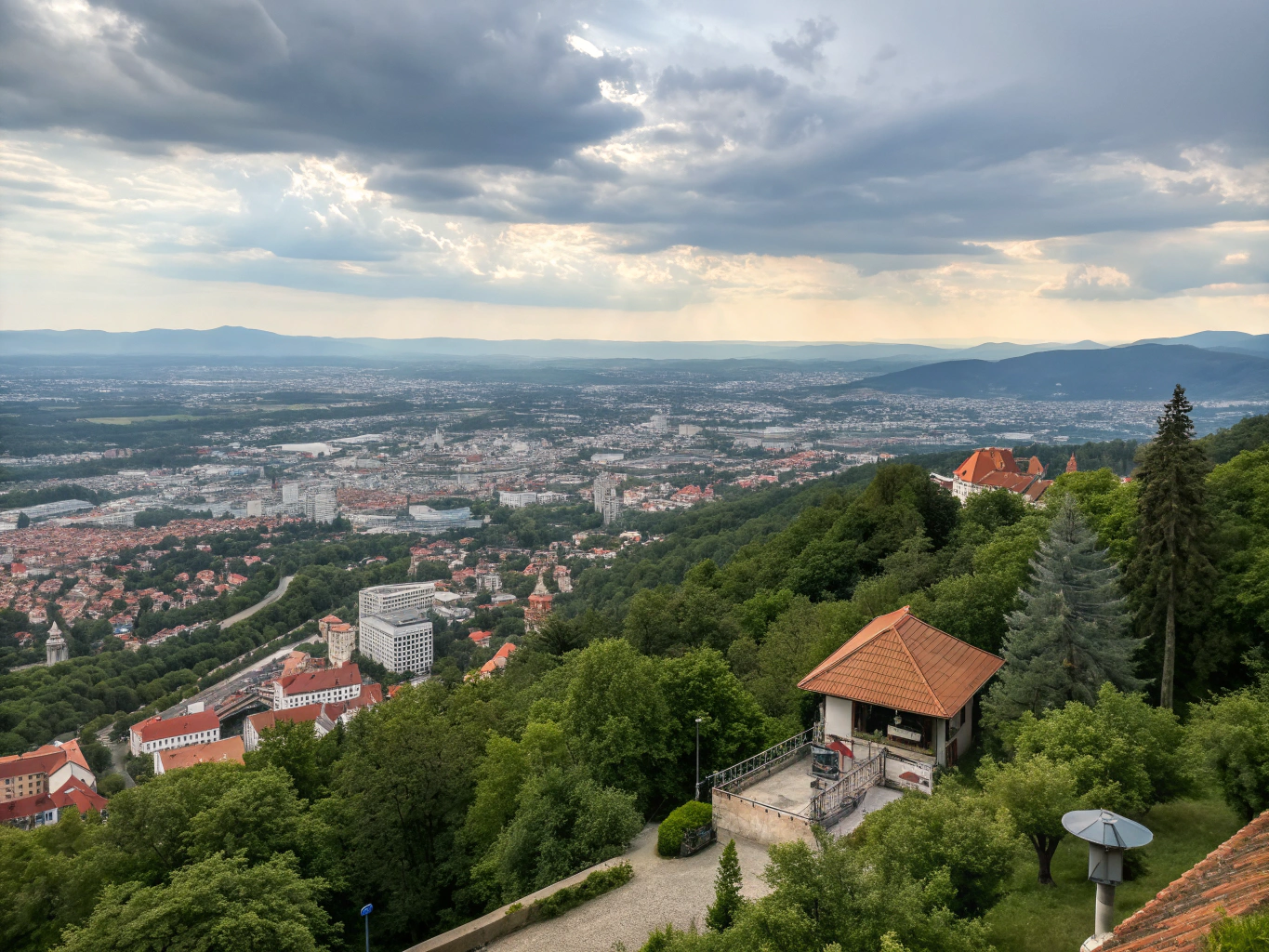
Panoramic view from Schöckl
⏱️ half dayEasy
Float up Graz's local mountain by cable car and enjoy the breathtaking 360-degree view over the city and the surrounding hilly landscape. At the top, hiking trails, an adventure park, and cozy huts await you.
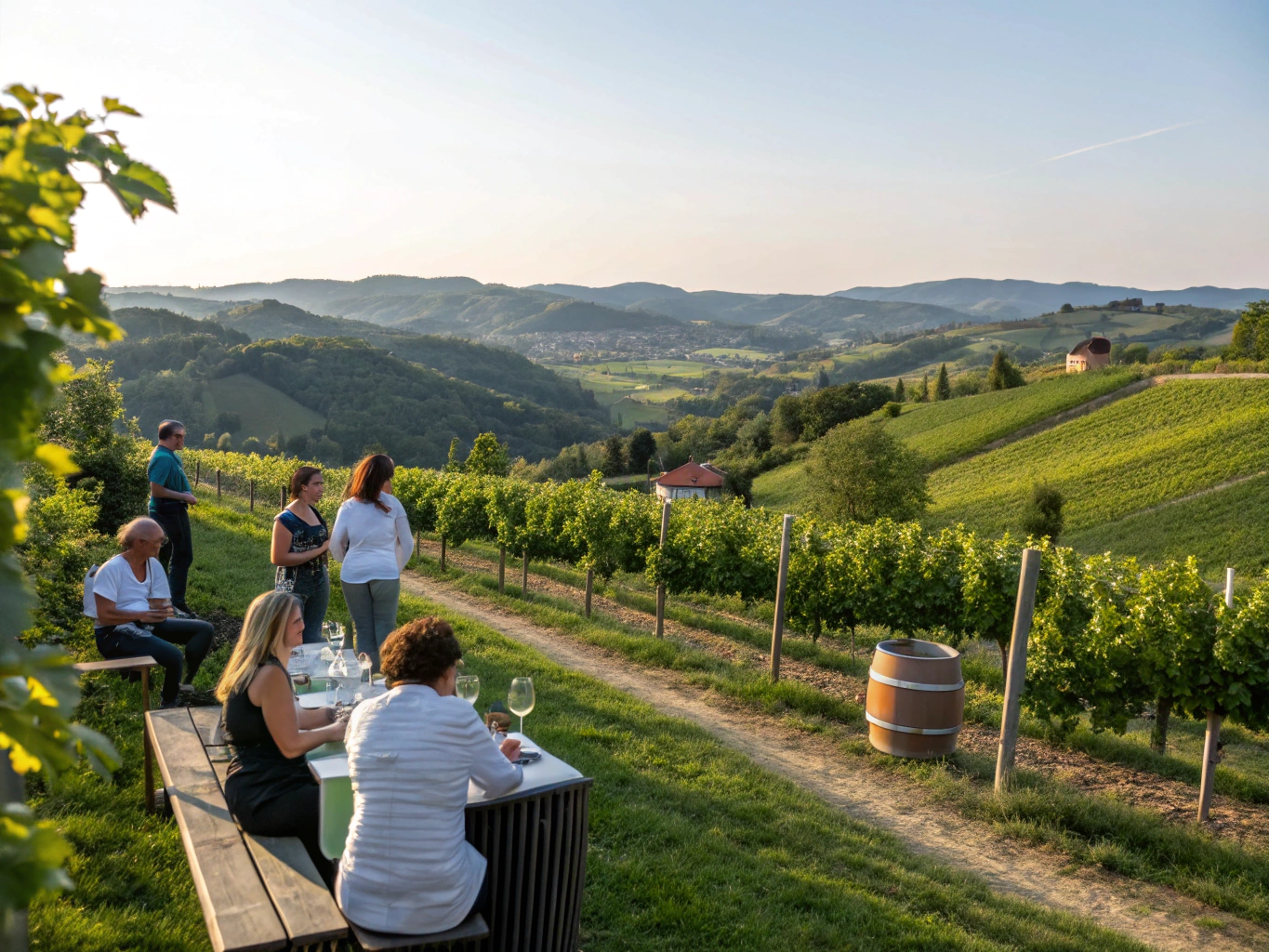
Culinary delights in Southern Styria
⏱️ full dayEasy
Explore the South Styrian Wine Road and indulge in regional specialties. Visit wine taverns, wineries, and farm shops and try 'Verhackertes', pumpkin seed oil, and fine wines. A feast for the palate!
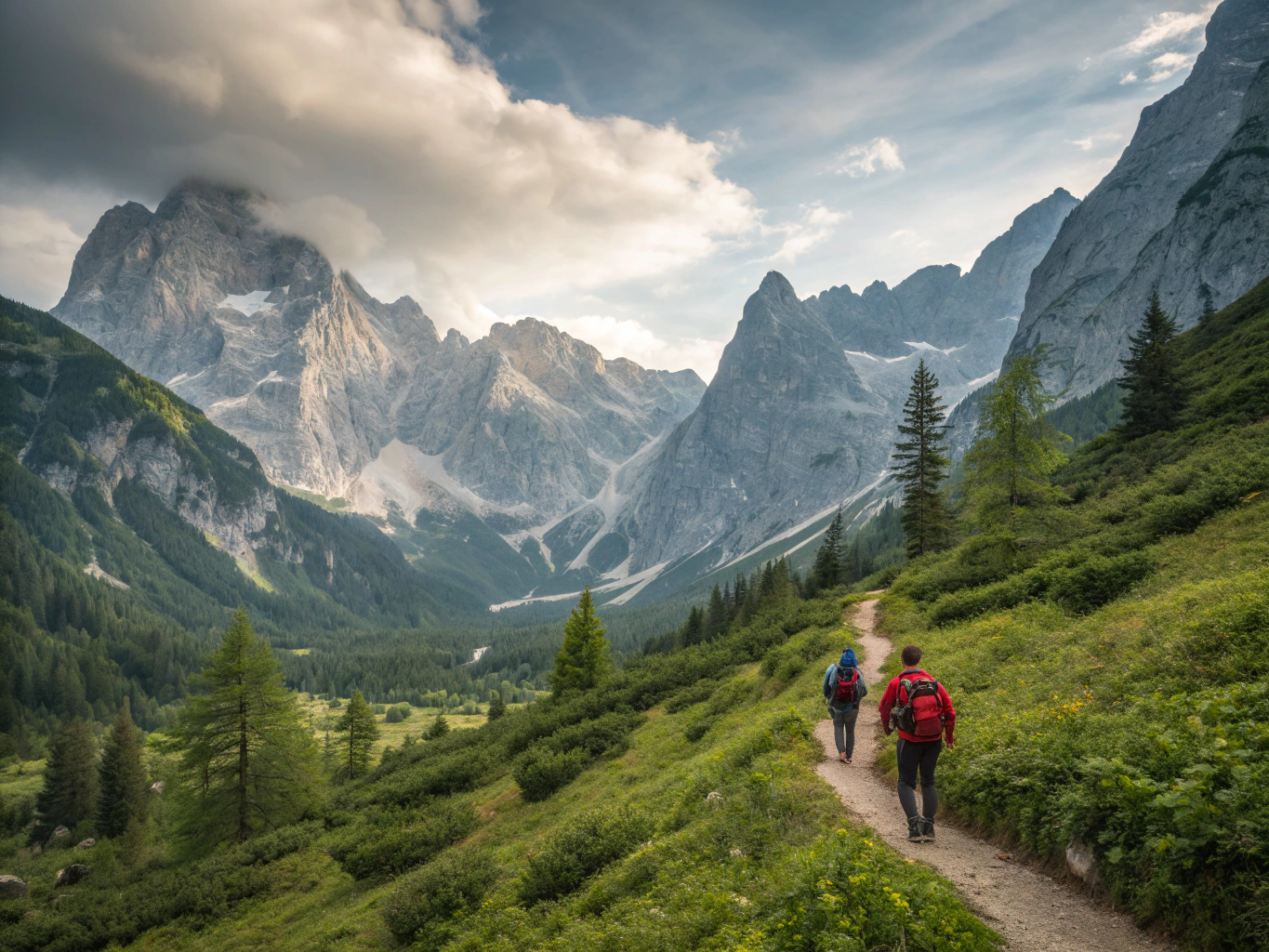
Hiking in the Dachstein-Tauern region
⏱️ full dayModerate
Experience the alpine beauty of the Dachstein-Tauern region on a hike. Choose between easy walks and challenging summit tours. Enjoy the clear mountain air and the impressive views.
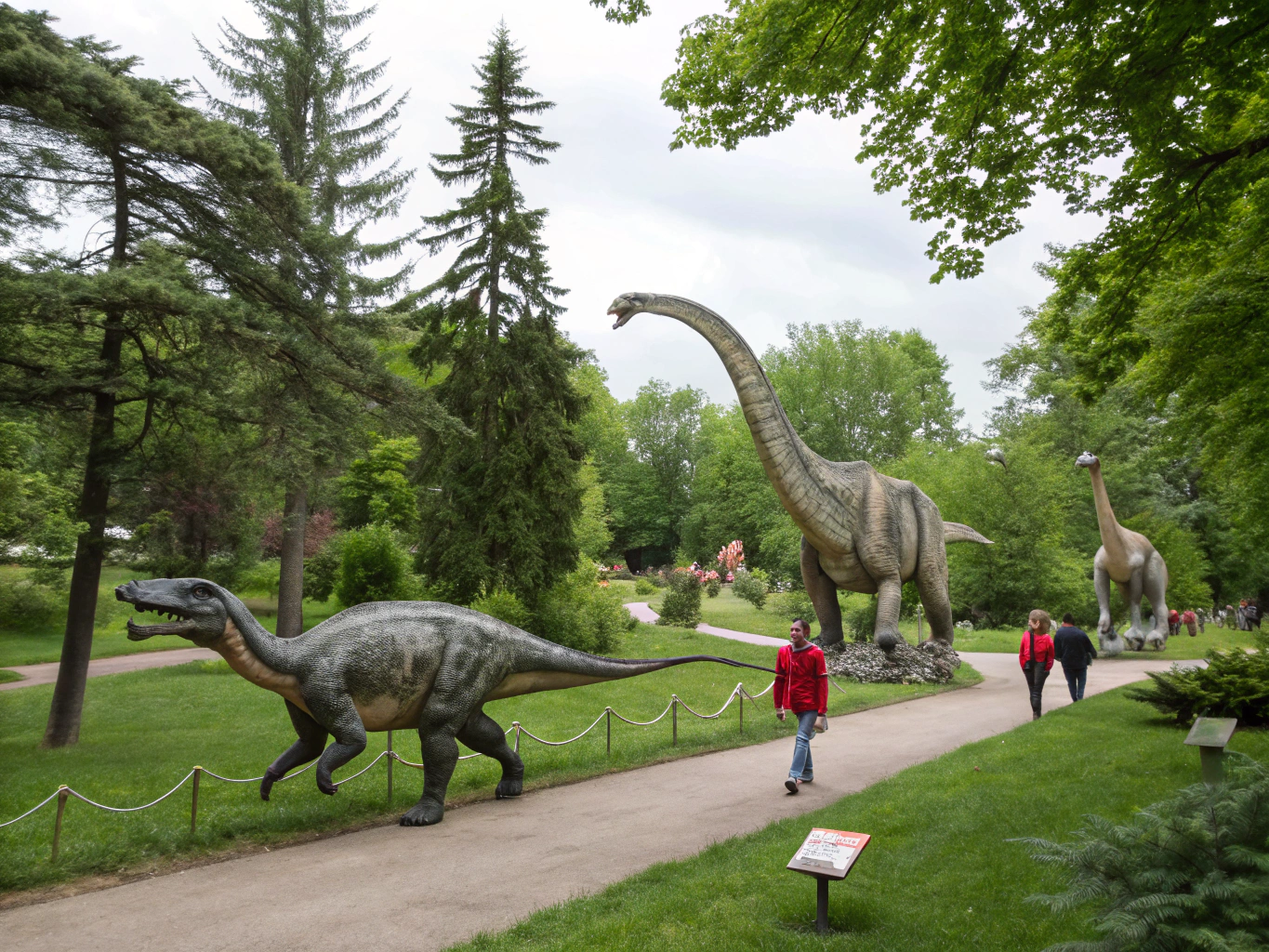
Insider tip: Styrassic Park
⏱️ half dayEasy
Immerse yourself in the world of dinosaurs at Styrassic Park in Bad Gleichenberg. Discover life-sized dinosaur models, an adventure playground, and a climbing park. Fun for the whole family!
Facts & Figures
Camping Region Steiermark
- 🌍 Country
- 🇦🇹 Oesterreich
- 📍 Region
- Styria
- 🏛️ Province
- Styria
- ☀️ Climate
- Temperate continental, with warm summers and cool winters.
- 📅 Best Season
- May/June for hiking, July/August for swimming lakes
- 🌡️ Summer Avg
- 25°C
- 🌸 Spring Avg
- 15°C
- 🏕️ Campsites
- ~85
- ✈️ Airport
- Graz Airport (GRZ)
- 🚌 Public Transport
- Well-developed bus network, regional trains connect larger towns.
- 🌧️ Rainy Days
- 12 days per month in summer
- 🚗 From Munich
- 4.5 hrs / 450 km via A8 and A9
- 🚗 From Hamburg
- 9 hrs / 900 km via A7 and A9
- 💰 Price Level
- €€ / Moderate but fair
- 🐕 Dogs
- Top / Many hiking trails and campsites are dog-friendly.
- 🎯 Suitable For
- Nature loversGourmetsFamilies
🚦 Occupancy by Month
Jan
Feb
Mar
Apr
May
Jun
Jul
Aug
Sep
Oct
Nov
Dec
Quiet Moderate Busy Crowded
 Rent Camper Steiermark
 Campsites Steiermark