


🌿 Natur & Wildnis👨👩👧👦 Familien
Camping Guide | Wachau
Discover the World Heritage
Österreich, 🇦🇹 Oesterreich
Camping Guide | Wachau
Close your eyes and breathe in the scent of ripe apricots and aromatic wines – welcome to the Wachau! This unique region, nestled in the gentle valley of the Danube, enchants with its combination of picturesque vineyards, historic abbeys, and charming villages. While camping in the Wachau, you'll experience a getaway that ideally combines culture, indulgence, and nature. Unlike other wine regions, the Wachau offers an extraordinary density of sights and incomparable hospitality. Here, traditional wine taverns (Heurige) line the streets, cycle paths invite exploration, and pitches promise panoramic views.
💡The Wachau is more than just wine – it's a way of life.
The Region in Detail
Your comprehensive travel guide for camping Wachau.
Location & Arrival in the Wachau
The Wachau is located in Lower Austria, about 80 kilometers west of Vienna. It stretches along the Danube between the towns of Melk and Krems and is a UNESCO World Heritage site. The region is known for its rolling hills covered in vineyards and the picturesque villages that line the river.
Arrival by car is possible via the A1 Westautobahn. From Vienna, take the A1 towards Linz/Salzburg and exit at St. Pölten. From there, follow the B3 to Krems and Melk. The drive from Vienna takes about an hour. From Munich, you can reach the Wachau via the A8 and A1; the journey takes about 4.5 hours. Those coming from Frankfurt should take the A3 and A1, planning for about 6.5 hours. Toll fees on the A1 for a single trip are approx. €9.50 (as of 2024).
Alternatively, you can easily reach the Wachau by train. There are regular train connections from Vienna to Krems and Melk. The journey takes about an hour. From Linz, you can also reach the Wachau by train in about 1.5 hours. From Krems or Melk station, you can take buses or taxis to the individual villages in the Wachau.
The nearest airport is Vienna Airport (VIE), about 100 kilometers from the Wachau. From the airport, you can travel by train or bus to Krems or Melk. There are also car rental companies at the airport if you wish to explore the region independently.
Within the Wachau, it is best to get around by car, bicycle, or public transport. There are well-developed cycle paths along the Danube, which are ideal for exploring the region. There are also buses connecting the individual villages. A boat trip on the Danube is also a wonderful way to explore the Wachau. The ships run regularly between Krems and Melk and offer a magnificent view of the vineyards and castles.
Overview of the Sub-regions
The Wachau can be roughly divided into three sub-regions: the western Wachau around Melk, the central Wachau around Spitz and Weißenkirchen, and the eastern Wachau around Krems.
The western Wachau, dominated by the imposing Melk Abbey, is a paradise for those interested in culture. Melk itself is a charming town with a historic old center and numerous restaurants and cafés. In the surrounding area, there are many hiking trails leading through the vineyards and forests. Anyone interested in history and architecture is in the right place here. Families with children will find an adventure playground and numerous ice cream parlors in Melk.
The central Wachau, with the villages of Spitz and Weißenkirchen, is the heart of the wine region. Here, wineries line the streets, and there are numerous opportunities for wine tasting. Spitz is known for its picturesque location at the foot of the Jauerling, the highest mountain in the Wachau. Weißenkirchen attracts visitors with its historic buildings and the famous Teisenhoferhof. Wine lovers, hikers, and gourmets feel at home in this region. Athletes can climb the Jauerling or cycle along the Danube.
The eastern Wachau, with the town of Krems, is the economic and cultural center of the region. Krems is a lively town with a university, numerous museums, and galleries. In the old town, there are many shops, restaurants, and bars. From Krems, you can take excursions into the surrounding vineyards and villages. The eastern Wachau is ideal for culture enthusiasts, students, and night owls. Families with children will find a zoo and an outdoor pool in Krems.
In addition to these three main regions, there are numerous smaller towns and villages, each with its own charm. These include Dürnstein with its famous castle ruins, Loiben with its steep vineyards, and Mautern with its Roman museum. No matter where you stay in the Wachau, you will be delighted by the beauty of the landscape and the hospitality of the people.
Camping in the Wachau: What to Expect?
The camping landscape in the Wachau is diverse and offers something for every taste. There are large resort sites with pools and entertainment as well as small, nature-oriented sites ideal for those seeking peace and quiet. Many campsites are family-run and value a personal atmosphere.
The number of campsites in the Wachau is around 15. Most sites are located directly on the Danube or in the immediate vicinity of the vineyards. This allows you to explore the region comfortably by bike or on foot.
On the large resort sites, you will generally find a comprehensive infrastructure with sanitary facilities, restaurants, supermarkets, and leisure facilities. These sites are ideal for families with children who value comfort and entertainment. The smaller, nature-oriented sites often offer less comfort but score points with their quiet location and proximity to nature. Here you can unwind and experience the Wachau in its original form.
Agriturismo and farm camping are also possible in the Wachau. Some farms offer pitches for motorhomes and tents. This is a great way to get to know rural life and buy regional products directly from the producer.
Prices for a pitch in the high season (July/August) range between €30 and €40 per night for two people. In the low season (May/June and September/October), prices are slightly lower, around €25 to €35 per night. Prices vary depending on the facilities and location of the campsite.
The size of typical pitches is about 80 to 100 square meters. Many sites offer both sunny and shady plots. The sanitary facilities are generally clean and well-maintained. Wi-Fi is available at most campsites, but quality can vary. Electricity connections are standard, usually with 6 to 10 amperes.
A reservation is recommended in the high season, especially if you prefer a specific campsite or a particular plot. While last-minute opportunities do exist, the selection is often limited.
Practical Information for Campers
A toll fee is required for using the motorways in Austria. You can buy a vignette valid for either 10 days (€9.90), 2 months (€29.00), or one year (€96.40). The vignette is available at gas stations, rest areas, and in tobacconists (Trafiken). Alternatively, you can pay the toll digitally via the ASFINAG website or app.
Diesel prices in Austria are generally slightly higher than in Germany. Gas stations are usually open from 7 am to 10 pm, with some open around the clock. Payment can usually be made with cash or credit card.
For shopping, there are supermarkets like Lidl, Eurospar, and Billa in larger towns like Krems and Melk. Opening hours are usually from 8 am to 7 pm, and some supermarkets are also open on Sundays. In smaller villages, there are often only small village shops providing basic supplies.
The supply of gas cylinders can be difficult in the Wachau, as German gas cylinders often cannot be exchanged. It is recommended to bring an adapter or buy an Austrian gas cylinder. These are available in hardware stores and at some campsites.
Disposal stations for wastewater and chemical toilets are available at most campsites. Some rest areas along the motorway also offer disposal facilities.
Mobile network coverage in the Wachau is good for both Austrian and German providers. The roaming situation within the EU is uncomplicated, as no additional fees apply.
Medical care is guaranteed in the Wachau. There are hospitals in Krems and Melk, and pharmacies and doctors in most towns. It is recommended to take out travel health insurance.
Wild camping is strictly prohibited in Austria and is punished with high fines. There are no designated low-emission zones in the Wachau. Tap water in Austria is of drinking water quality and can be consumed without hesitation.
Insider Knowledge & Secret Tips
The low season in the Wachau (May/June and September/October) has many advantages. Firstly, the campsites are less crowded and prices are lower. Secondly, the weather is often more pleasant than in midsummer, ideal for hiking and cycling tours. Additionally, the grape harvest takes place in September/October, giving you the opportunity to watch wine production and taste fresh must.
A lesser-known place is the village of Rossatz-Arnsdorf on the south bank of the Danube. There is a beautiful bathing beach here and a ferry connection to Dürnstein. The village is accessible via the B33 and lies about 5 km east of Weißenkirchen.
At the local markets in Krems and Melk, you can buy regional products such as apricot jam, wine, and cheese directly from the producer. The weekly markets take place in Krems every Saturday and in Melk every Friday. Many wineries also offer direct sales, where you can taste and buy the wines on-site.
A culinary tip is the Wachau Apricot, which is grown in the region. You should definitely try apricot dumplings (Marillenknödel), apricot jam, or apricot liqueur. Another must is Wachau wine, especially Grüner Veltliner and Riesling. Visit a Heuriger (wine tavern) to enjoy the wines along with regional specialties like bacon and cheese.
A restaurant frequented by locals is the Gasthof zur Post in Spitz. It serves traditional Austrian cuisine at fair prices. A worthwhile day trip is a visit to Göttweig Abbey. The abbey sits on a hill above Krems and offers a magnificent view of the Wachau. The drive from Krems takes about 15 minutes. Admission costs €12.
Experiences & Activities: Wachau
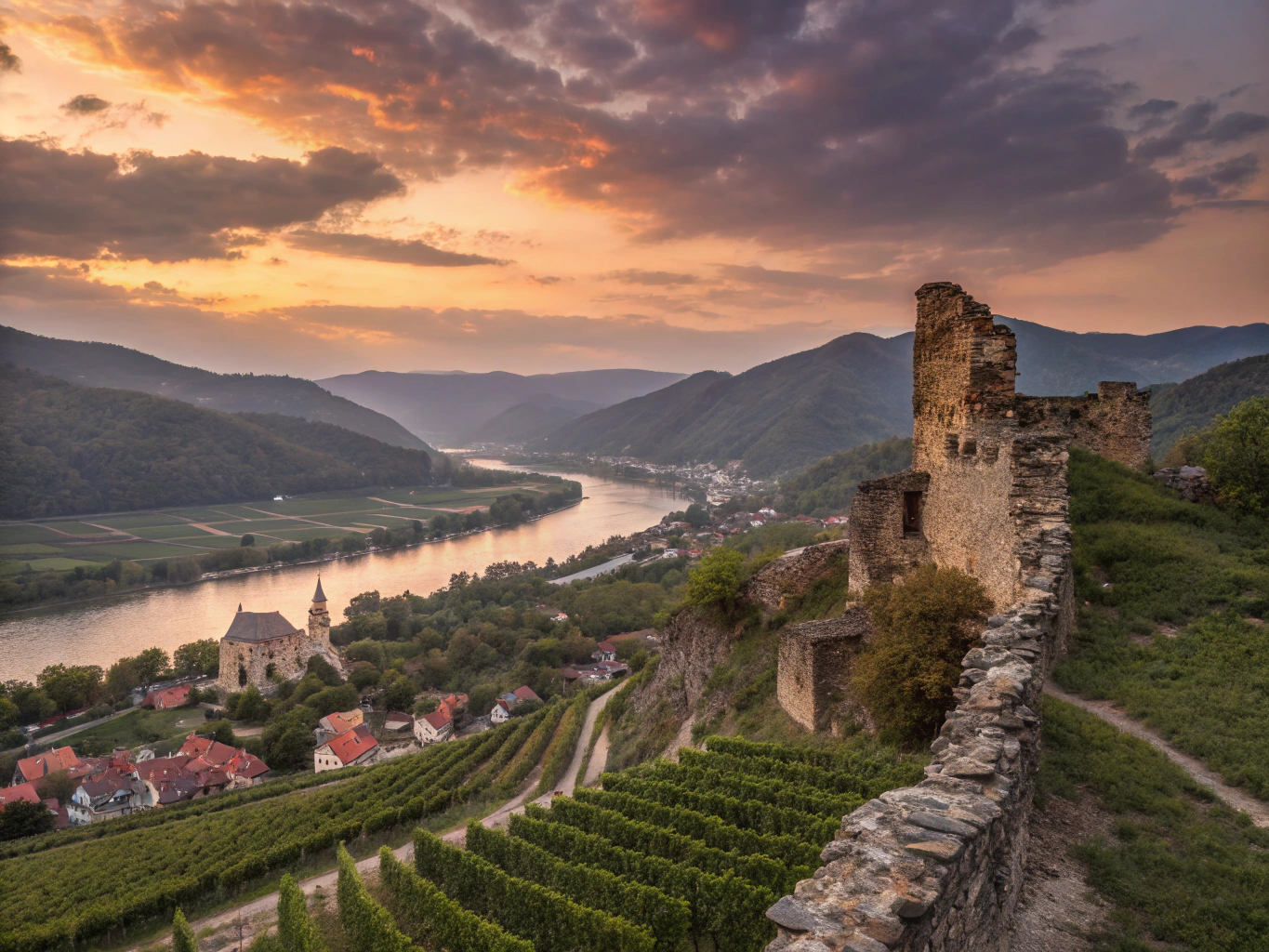
Panoramic View from Dürnstein Castle Ruins
⏱️ 2-3 hoursModerate
Climb the Dürnstein ruins and enjoy the breathtaking view over the Wachau. The Danube meanders picturesquely through the landscape while you overlook the surrounding vineyards and villages. An unforgettable experience!
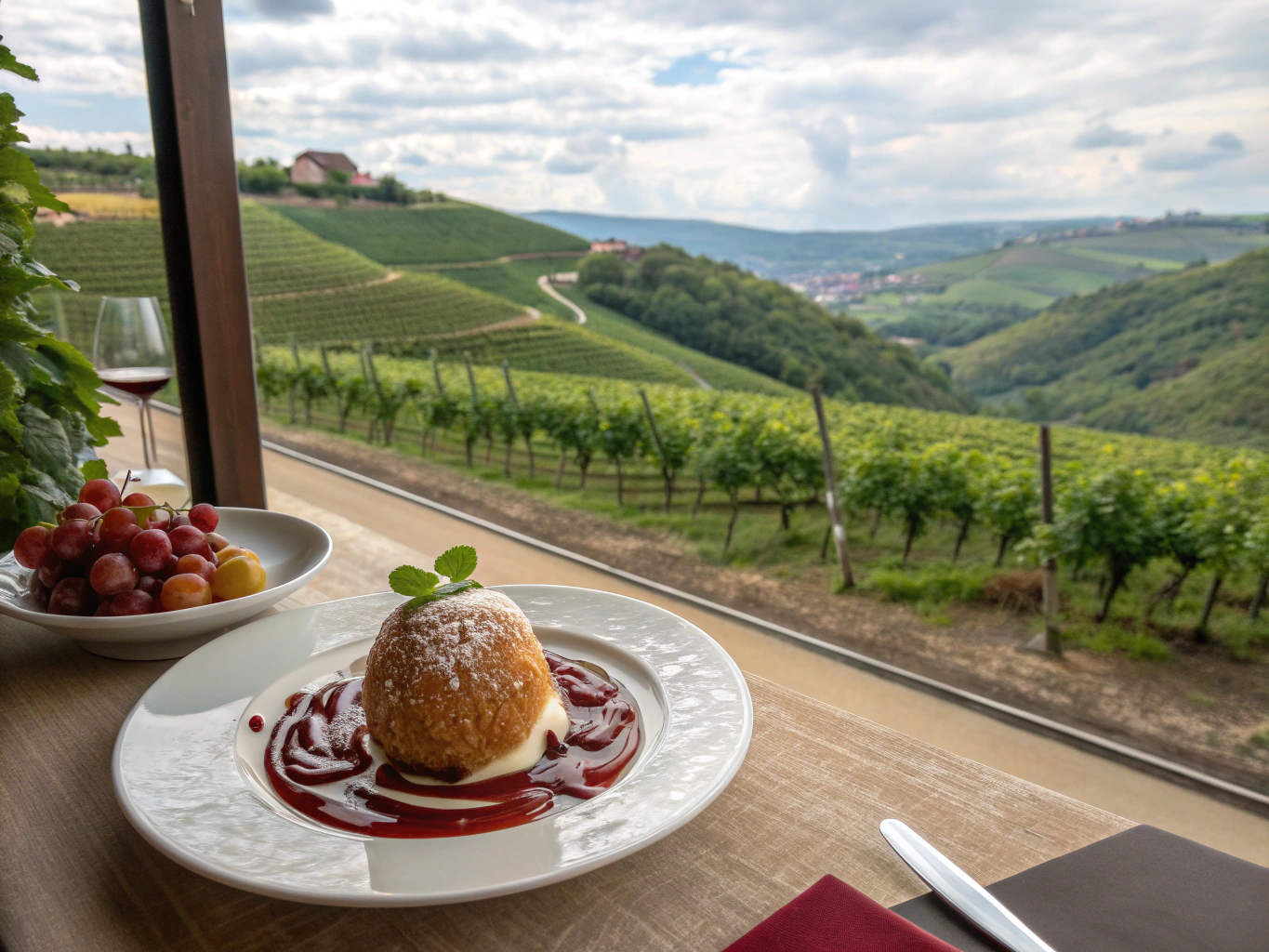
Apricot Dumplings at Hofmeisterei Hellersdorf
⏱️ 1 hourEasy
Try the famous apricot dumplings at Hofmeisterei Hellersdorf. The fluffy dumplings are filled with juicy Wachau apricots and served with buttered breadcrumbs and powdered sugar. A culinary must for every Wachau visitor!
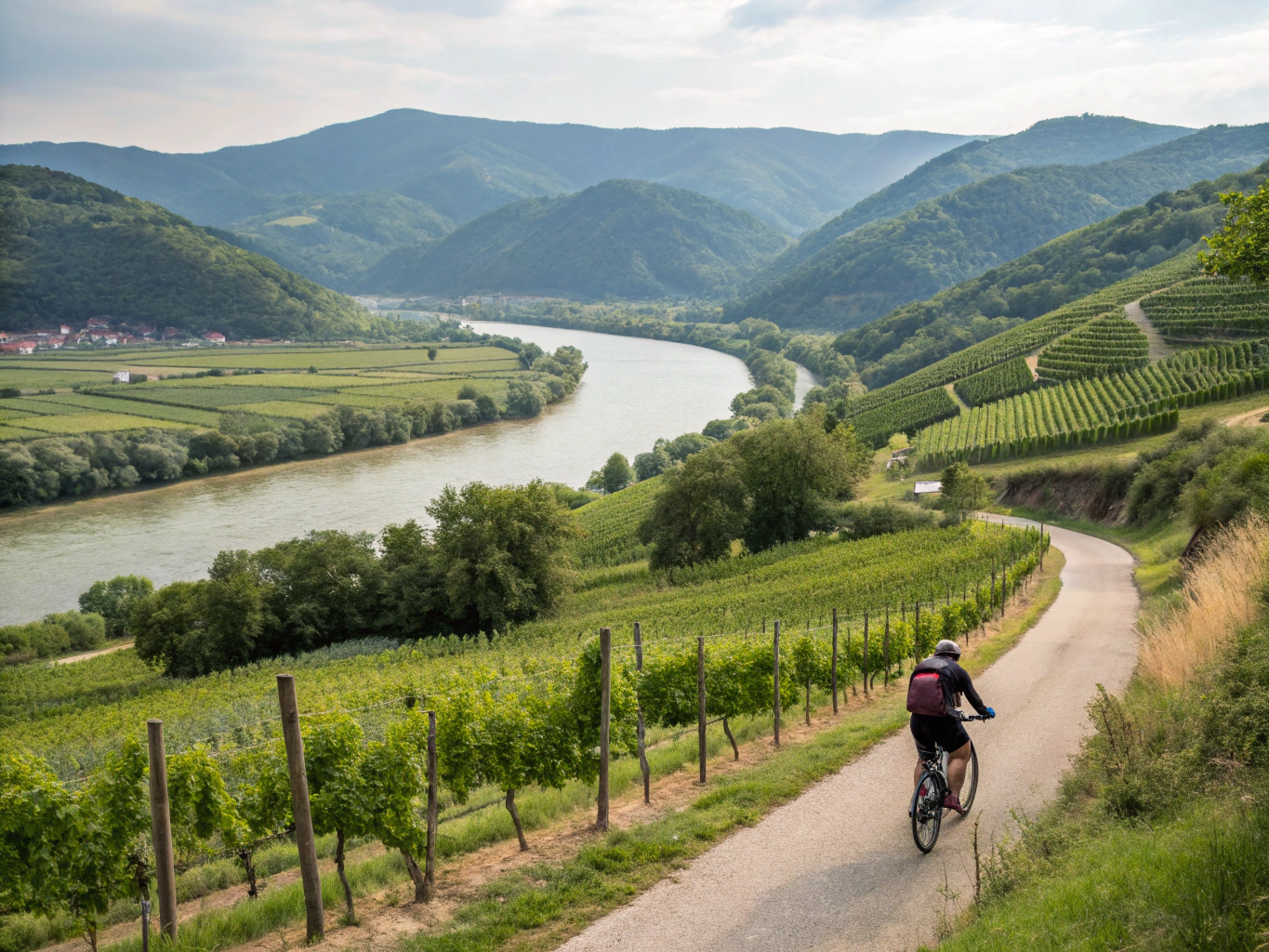
Cycling along the Danube
⏱️ 4-6 hoursEasy
Explore the Wachau by bike and enjoy the fresh air and the magnificent landscape. The Danube Cycle Path runs along the river and offers stunning views of the vineyards and castles. A sporty activity for the whole family!
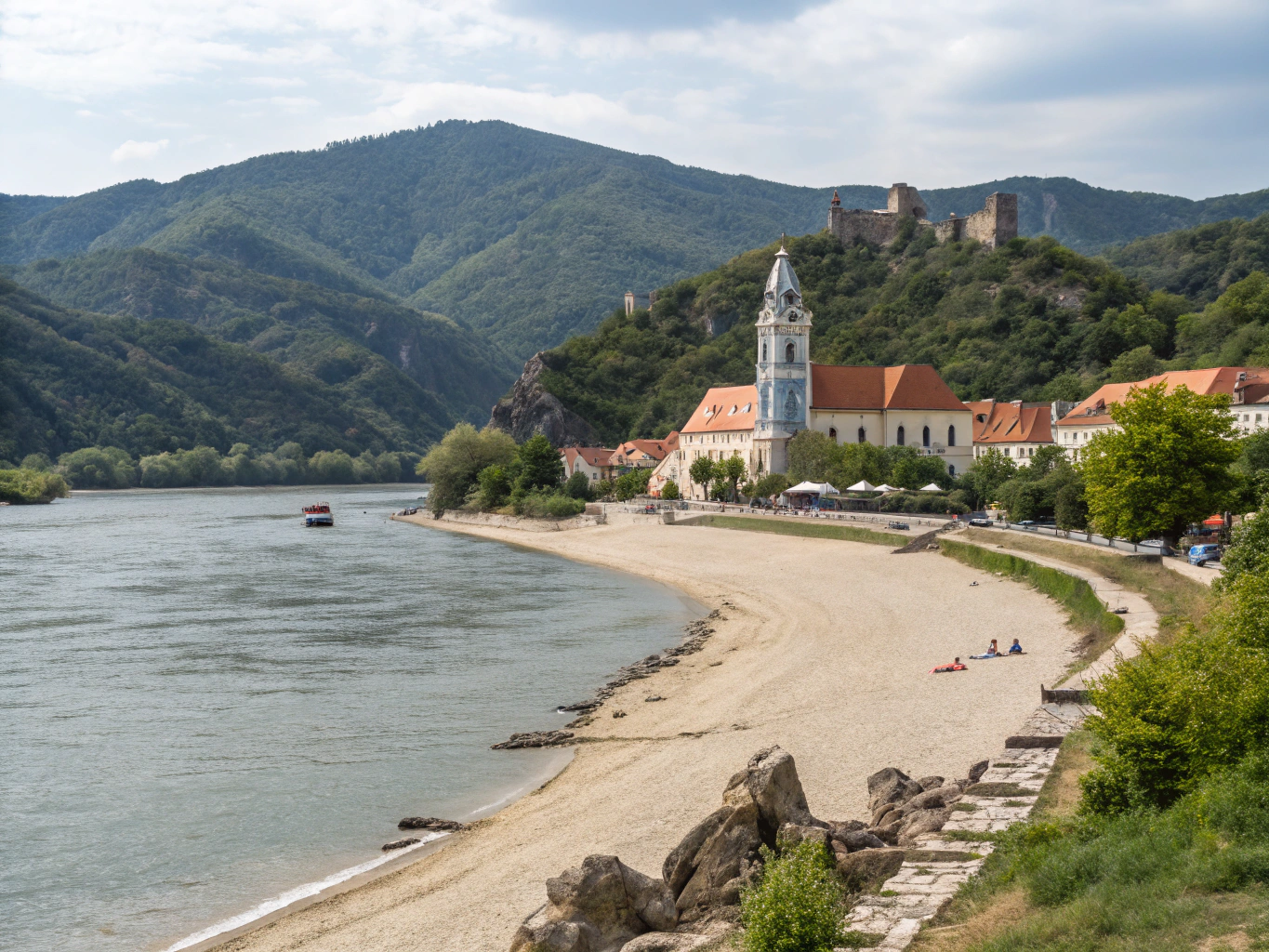
Bathing Beach in Rossatz-Arnsdorf
⏱️ 2-4 hoursEasy
Relax at the bathing beach in Rossatz-Arnsdorf and enjoy the sun and the cool water of the Danube. The beach is accessible via the B33 and is located about 5 km east of Weißenkirchen. Here you can unwind and enjoy nature.
Facts & Figures
Camping Region Wachau
- 🌍 Country
- 🇦🇹 Oesterreich
- 📍 Region
- Lower Austria
- 🏛️ Province
- Krems-Land, Melk
- ☀️ Climate
- Temperate, with warm summers and mild winters.
- 📅 Best Season
- May/June for hiking, Sept/Oct for grape harvest
- 🌡️ Summer Avg
- 25°C
- 🌸 Spring Avg
- 15°C
- 🏕️ Campsites
- ~15
- ✈️ Airport
- Vienna Airport (VIE), approx. 100 km
- 🚌 Public Transport
- Well-developed bus network and train connections along the Danube.
- 🌧️ Rainy Days
- 8-10 days per month
- 🚗 From Munich
- 4.5 hrs / 450 km via A8 and A1
- 🚗 From Hamburg
- 9 hrs / 900 km via A7 and A3
- 💰 Price Level
- €€€ Expensive in high season
- 🐕 Dogs
- Good. Many hiking trails and campsites are dog-friendly.
- 🎯 Suitable For
- CultureGourmetsActive
🚦 Occupancy by Month
Jan
Feb
Mar
Apr
May
Jun
Jul
Aug
Sep
Oct
Nov
Dec
Quiet Moderate Busy Crowded
 Rent Camper Wachau
 Campsites Wachau