


🌿 Natur & Wildnis👨👩👧👦 Familien
Camping Guide | Hovedstaden
Discover the vibrant camping paradise
Dänemark, 🇩🇰 Daenemark
Camping Guide | Hovedstaden
Imagine waking up to the gentle sound of the Baltic Sea, while the lively bustle of Copenhagen pulses in the background. Camping Hovedstaden offers you exactly this unique contrast. Here, urban flair and nature-oriented relaxation merge in a surprising way. Discover the diversity of the Danish capital region, from historic castles and modern architecture to untouched beaches. A camping holiday in Hovedstaden is an experience for all the senses.
💡Hovedstaden is more than just Copenhagen – it's a multi-faceted adventure.
The Region in Detail
Your comprehensive travel guide for camping Hovedstaden.
Location & Arrival in Hovedstaden
The region of Hovedstaden, meaning the Capital Region, is located in the northeast of Denmark and includes the capital Copenhagen as well as the surrounding municipalities. It extends across the islands of Zealand and Bornholm, offering both coastal and urban landscapes. Getting to Hovedstaden is very easy, whether by car, train, or plane.
By car, you can reach the region from Germany via the A7 and the subsequent E20. The "Vogelfluglinie" ferry route via Puttgarden-Rødby is a common route. Alternatively, you can choose the Jutland route via Flensburg and the E45. Please note that tolls apply in Denmark for using the Øresund Bridge (between Copenhagen and Malmö) and the Great Belt Bridge (between Zealand and Funen). The Øresund Bridge costs approx. €60 for a car, and the Great Belt Bridge about €35.
Those arriving by train benefit from regular connections from Hamburg to Copenhagen. The journey takes about 4.5 hours. From Copenhagen, all parts of the region are easily accessible by regional trains and buses. Copenhagen Central Station (København H) is a major hub for public transport.
The Copenhagen Airport (CPH) is the largest airport in Scandinavia and offers numerous international connections. From here, you can reach the city center in just 15 minutes by metro (Line M2). Alternatively, buses and taxis are available. A taxi ride takes about 20 minutes and costs around €30.
Within the Hovedstaden region, it is best to move around using public transport. Copenhagen has an excellent network of buses, metro, and S-trains. For tourists, the Copenhagen Card is recommended, which includes free travel on all public transport and free entry to numerous museums and attractions. Cycling is also a popular way to get around in Copenhagen. There are numerous bike rental stations and well-developed cycle paths. The flat landscape makes cycling particularly pleasant.
Overview of the Sub-regions
The Hovedstaden region can be roughly divided into four zones: Copenhagen, North Zealand, West Zealand, and Bornholm. Each of these zones has its own character and offers different experiences for camping vacationers.
Copenhagen, the heart of the region, is a vibrant metropolis with a rich history and modern architecture. Here you will find numerous sights such as Amalienborg Palace, Tivoli Gardens, and the Little Mermaid. Copenhagen is ideal for those interested in culture and city travelers. Families feel at home in the numerous parks and gardens, while night owls can enjoy the lively nightlife.
North Zealand, located north of Copenhagen, is known for its picturesque coastal towns, historic castles, and untouched nature. Here you will find, among others, Kronborg Castle in Helsingør, which is a UNESCO World Heritage site. North Zealand is a paradise for water sports enthusiasts, hikers, and cyclists. Families appreciate the child-friendly beaches and numerous excursion destinations. The region is particularly suitable for campers seeking peace and relaxation but still wanting to be close to the capital.
West Zealand, located west of Copenhagen, is characterized by rolling hills, wide fields, and idyllic villages. Here you will find numerous estates and manor houses that testify to the region's rich agricultural tradition. West Zealand is ideal for nature lovers and those seeking tranquility. The region offers numerous opportunities for hiking, cycling, and fishing. A visit to the Odsherred Geopark, known for its unique landscape and geological features, is particularly recommended. Campers will find many small, nature-oriented campsites here.
Bornholm, Denmark's sunshine island, lies east of Zealand in the Baltic Sea. The island is known for its impressive cliff coasts, white sandy beaches, and green forests. Bornholm offers numerous sights such as the medieval round churches and the Hammershus castle ruins. The island is a paradise for hikers, cyclists, and water sports enthusiasts. Families appreciate the child-friendly beaches and numerous leisure activities. Camping on Bornholm is a special experience, as the island offers a unique atmosphere and diverse nature. You can reach the island by ferry from Køge (south of Copenhagen).
Camping in Hovedstaden: What to Expect?
The camping landscape in Hovedstaden is diverse and offers something for every taste. There are about 50 campsites in the region, many of which are open year-round. You will find both large resort sites with pools and animation as well as small, nature-oriented sites in the middle of the Danish countryside.
Many campsites in Hovedstaden are family-friendly and offer special facilities for children, such as playgrounds, paddling pools, and animation programs. Some sites also have rental accommodations such as mobile homes and cabins, which represent a comfortable alternative to your own tent or caravan.
The price range for a pitch in the high season (July/August) is between €30 and €50 per night. In the low season (May/June and September), prices are significantly cheaper and start at about €20 per night. Many campsites also offer package deals for longer stays.
The size of the pitches varies depending on the campsite. Usually, the plots are large enough to park a tent, a caravan, or a motorhome as well as a car. Some sites also offer pitches with sea views or direct access to the beach.
The sanitary facilities at the campsites in Hovedstaden are generally clean and well-maintained. Many sites have modern sanitary buildings with showers, toilets, sinks, and washing machines. Some sites also offer private bathrooms for rent.
The quality of the Wi-Fi at the campsites varies. Some sites offer free Wi-Fi, while others charge a fee. Network coverage is generally good, but there may be limitations in remote areas.
The power supply at the campsites is usually via CEE plugs. The current is mostly 6 or 10 amps. It is recommended to bring an adapter to connect standard European plugs.
Reserving a pitch is highly recommended, especially in the high season. Many campsites are fully booked months in advance. Last-minute chances often exist in the low season or at smaller, less well-known sites.
Practical Information for Campers
For a relaxed camping holiday in Hovedstaden, it is important to note some practical information. Here you will find everything you need to know about tolls, gas stations, shopping, gas supply, disposal, mobile communications, medical care, and camping regulations.
Tolls apply in Denmark for using the Øresund Bridge (between Copenhagen and Malmö) and the Great Belt Bridge (between Zealand and Funen). The Øresund Bridge costs approx. €60 for a car, and the Great Belt Bridge about €35. Payment is made either in cash, by credit card, or via online registration.
The gas station network in Denmark is well-developed. Diesel prices are usually slightly higher than in Germany. Opening hours vary, but many gas stations are open 24/7. Payment can usually be made by credit card or in cash in Danish Kroner (DKK).
Shopping opportunities are plentiful in Hovedstaden. In the larger cities, you will find supermarkets like Lidl, Netto, Rema 1000, and SuperBrugsen. Opening hours are usually Monday to Saturday from 8 am to 8 pm. Some supermarkets are also open on Sundays. In smaller towns, there are often local grocery stores with a more limited selection.
Gas supply for camping vehicles can be problematic in Denmark, as German gas cylinders cannot be exchanged without an adapter. It is recommended to rent or buy a Danish gas cylinder or bring an adapter. Adapters are available in specialist shops for camping accessories.
Disposal stations for wastewater and chemical toilets are available at most campsites. Disposal stations are also available at some rest areas and gas stations. The fees for using the disposal stations are usually included in the pitch price.
Mobile network coverage in Denmark is very good. Roaming charges within the EU do not apply. However, it is recommended to check your mobile provider's roaming conditions before the trip.
Medical care in Denmark is excellent. In an emergency, you can reach the emergency services at 112. Pharmacies (Apotek) are located in all major cities. Opening hours are usually Monday to Friday from 9 am to 5 pm and Saturday from 9 am to 2 pm.
Wild camping is generally prohibited in Denmark. Setting up a tent or parking a motorhome outside of designated campsites is not allowed. However, there are a few nature campsites where camping for one night is permitted. Inform yourself in advance about the applicable rules.
Tap water in Denmark is of high quality and can be drunk without hesitation.
Insider Knowledge & Secret Tips
To make your camping holiday in Hovedstaden unforgettable, we'll share some insider tips and secrets that you won't find in any guidebook.
The low season (May/June and September) is the best time to visit Hovedstaden. The weather is pleasantly mild, the campsites are less crowded, and the prices are significantly lower. You also have the opportunity to explore the region in peace and enjoy Danish hospitality to the fullest.
A less well-known place is the island of Møn, located southeast of Zealand. The island is known for its impressive chalk cliffs (Møns Klint) and its untouched nature. You can reach Møn via a bridge from Zealand. There are several small campsites and numerous hiking trails on the island.
A culinary secret tip is a visit to one of the many weekly markets in Copenhagen. Here you will find fresh regional products such as fish, cheese, vegetables, and fruit. The Torvehallerne Market at Nørreport Station is particularly recommended.
A local festival you shouldn't miss is the Copenhagen Jazz Festival, which takes place every year in July. The festival offers numerous concerts at various locations in the city, from small clubs to large open-air stages.
A culinary specialty you must try is Smørrebrød, an open-faced rye bread sandwich. There are countless variations, from classic with herring and egg to modern with avocado and salmon. Many restaurants in Copenhagen offer Smørrebrød, but you can also find delicious versions at the weekly markets.
A restaurant frequented by locals is Höst on Nørre Farimagsgade. The restaurant offers modern Danish cuisine with seasonal ingredients in a stylish atmosphere.
A worthwhile day trip is a visit to Frederiksborg Castle in Hillerød, north of Copenhagen. The castle is one of Denmark's most important Renaissance castles and houses the National History Museum. You can reach Hillerød by S-train from Copenhagen in about 30 minutes.
If you are looking for a quiet beach away from the tourist paths, you should visit the beach at Tisvildeleje in North Zealand. The beach is surrounded by dunes and forests and offers a relaxed atmosphere.
Experiences & Activities: Hovedstaden
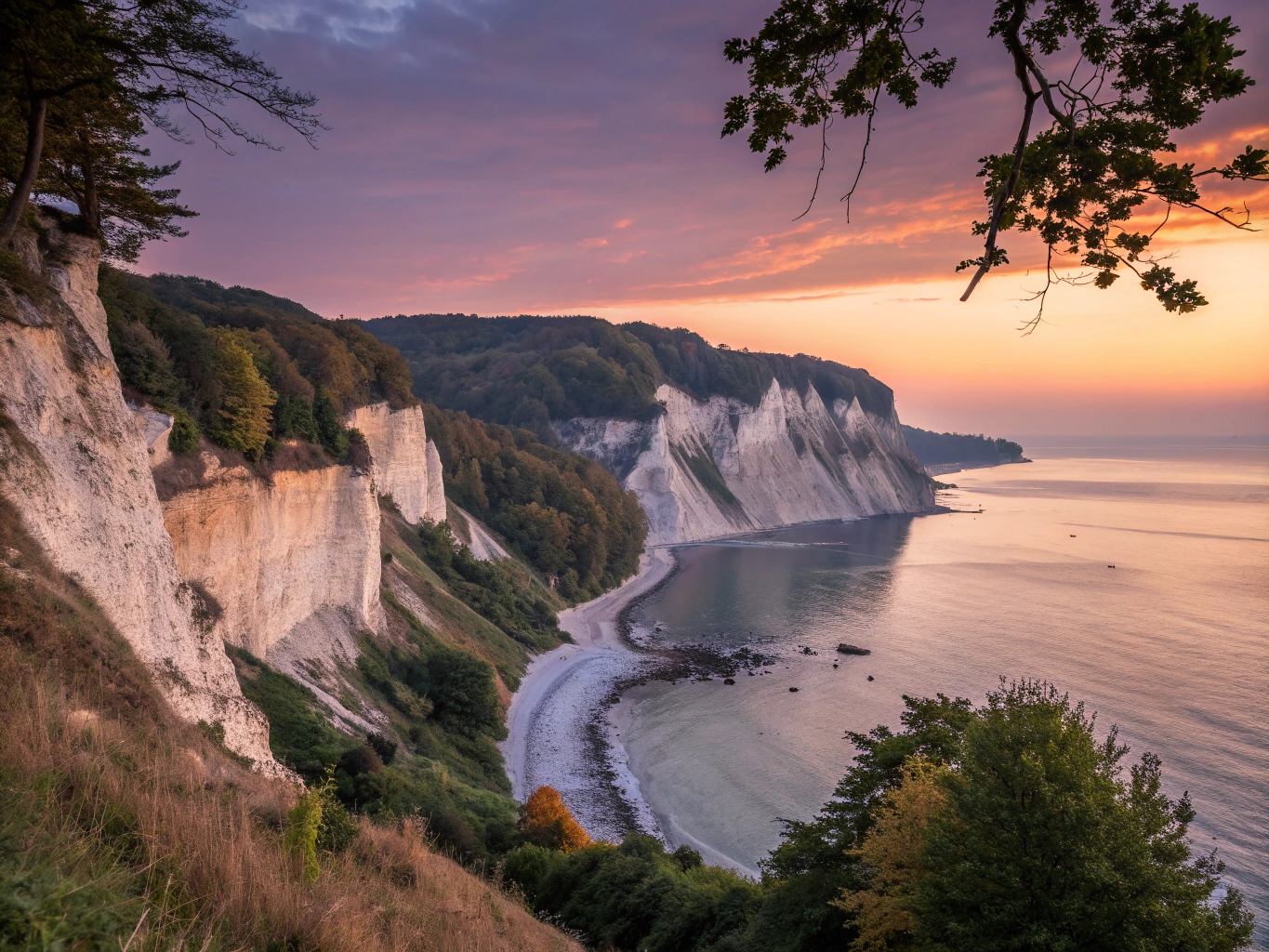
Panoramic View from Møns Klint
⏱️ 2-3 hoursEasy
Marvel at the breathtaking chalk cliffs of Møns Klint, which drop steeply into the Baltic Sea. The view from the cliffs over the turquoise water is unforgettable. A must for every visitor to the region.
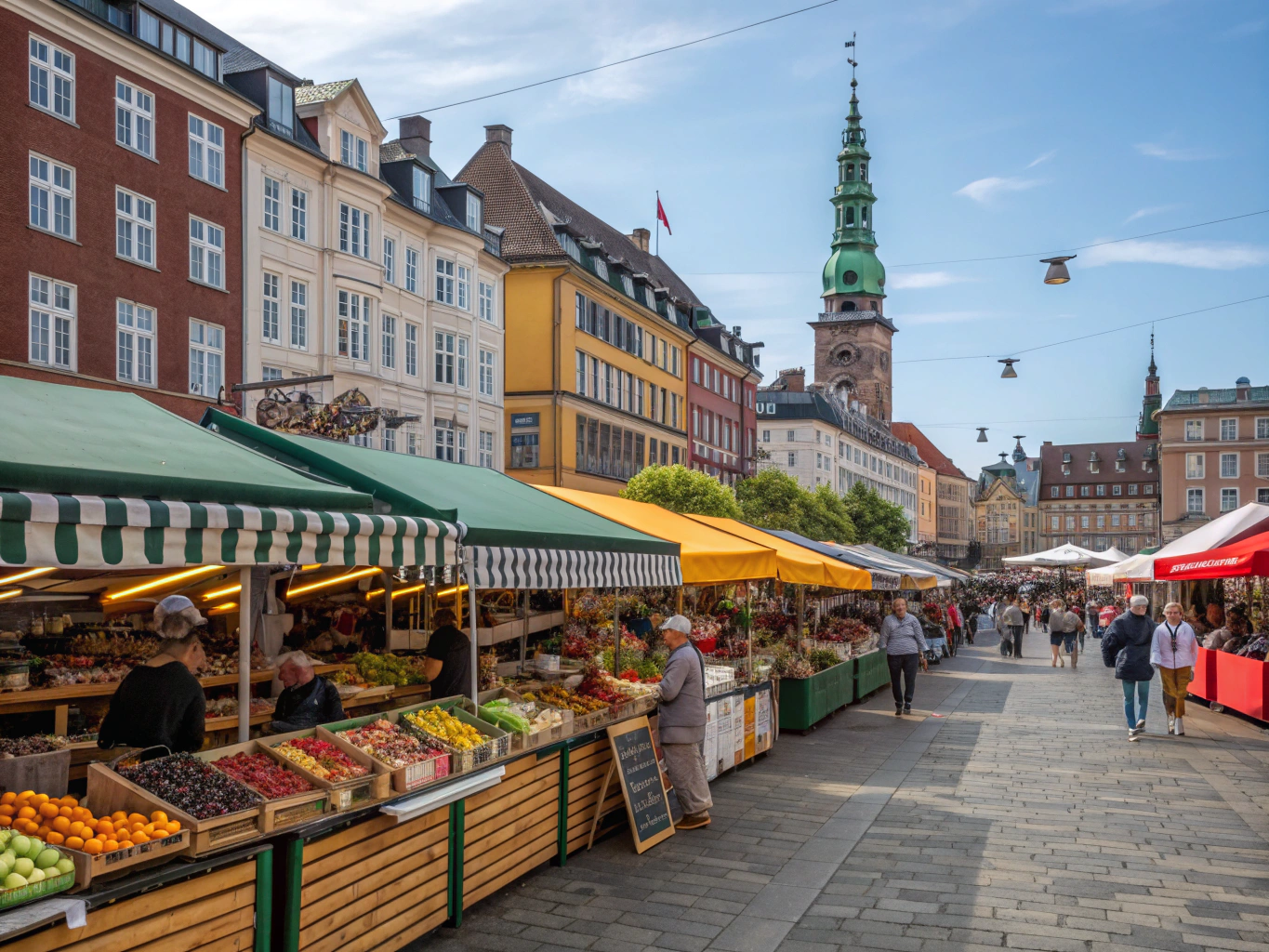
Culinary Discovery Tour at Torvehallerne Market
⏱️ 1-2 hoursEasy
Stroll through the Torvehallerne Market in Copenhagen and discover the diversity of Danish cuisine. Try Smørrebrød, fresh fish, cheese, and other regional specialties. A feast for all the senses!
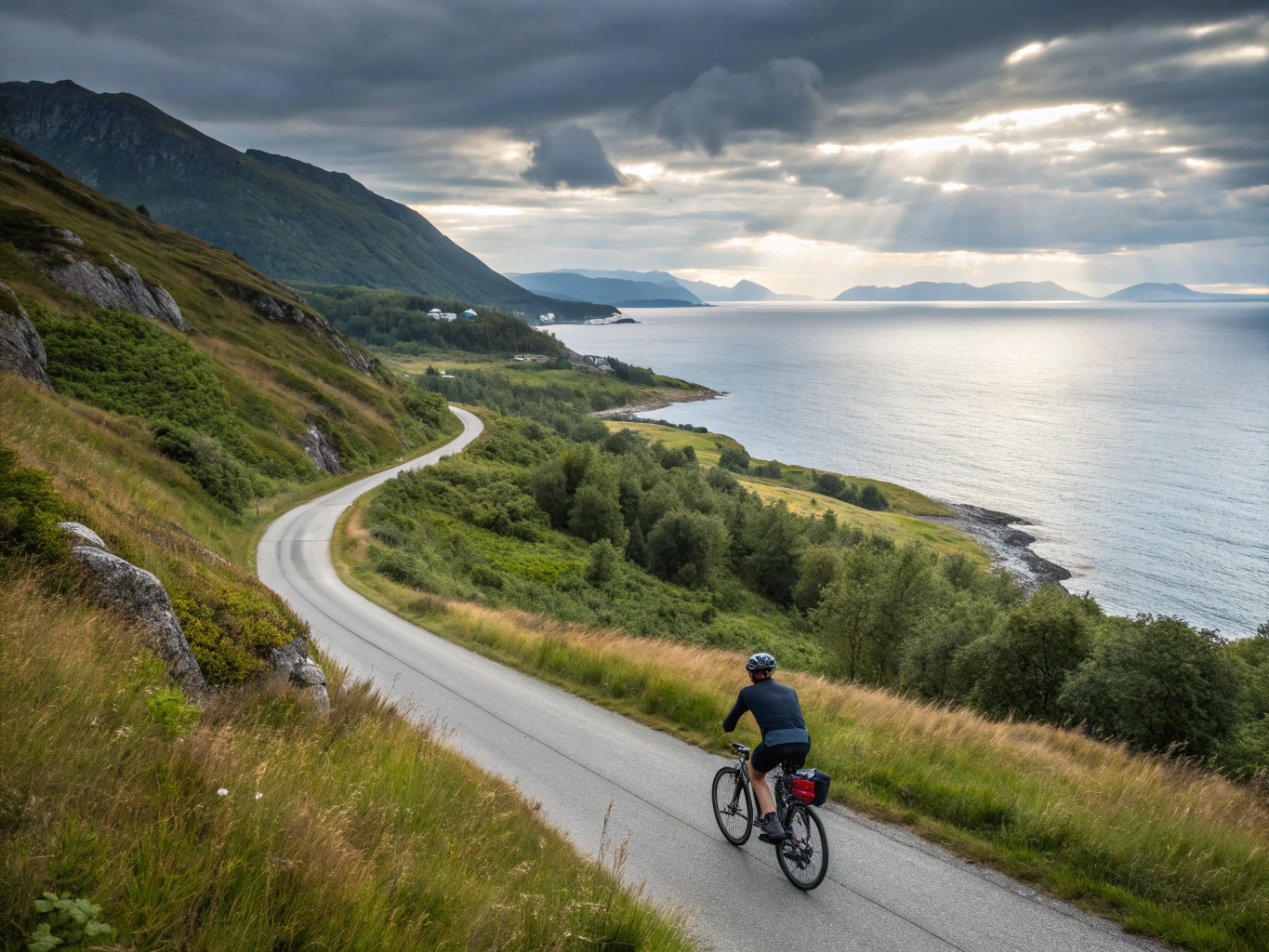
Cycling Tour Along the North Zealand Coast
⏱️ 4-6 hoursModerate
Explore the picturesque coast of North Zealand by bike. Along the route, charming fishing villages, historic castles, and untouched beaches await you. A sporty activity surrounded by nature.
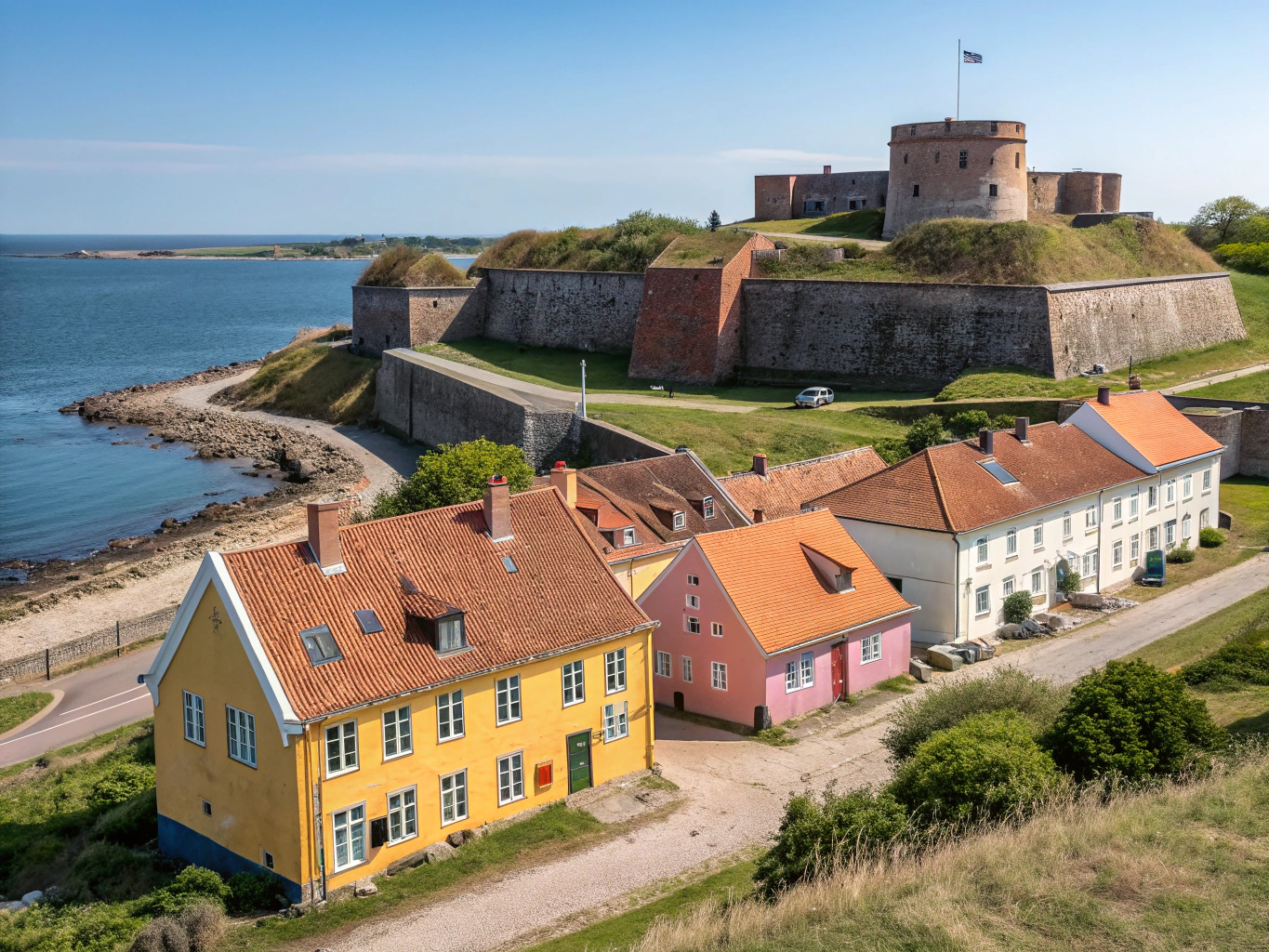
Insider Tip: Island Idyll on Christiansø
⏱️ Day tripEasy
Escape the hustle and bustle and visit the small island of Christiansø, located east of Bornholm. The island is car-free and offers a unique atmosphere. Explore the historic fortress, enjoy the peace, and let your soul dangle.
Facts & Figures
Camping Region Hovedstaden
- 🌍 Country
- 🇩🇰 Daenemark
- 📍 Region
- Denmark
- 🏛️ Province
- Hovedstaden
- ☀️ Climate
- Temperate maritime
- 📅 Best Season
- May/June for culture, July/August for beach holidays
- 🌡️ Summer Avg
- 20°C
- 🌸 Spring Avg
- 12°C
- 🏕️ Campsites
- ~50
- ✈️ Airport
- Copenhagen (CPH)
- 🚌 Public Transport
- Excellently developed
- 🌧️ Rainy Days
- 15 days/month
- 🚗 From Munich
- 9.5 hrs / 980 km via A7 and E45
- 🚗 From Hamburg
- 4.5 hrs / 480 km via E20
- 💰 Price Level
- €€
- 🐕 Dogs
- Top
- 🎯 Suitable For
- CulturalActiveFamily-friendly
🚦 Occupancy by Month
Jan
Feb
Mar
Apr
May
Jun
Jul
Aug
Sep
Oct
Nov
Dec
Quiet Moderate Busy Crowded
 Rent Camper Hovedstaden
 Campsites Hovedstaden