


🌿 Natur & Wildnis👨👩👧👦 Familien
Camping Guide | Rhön
Volcanic landscape, Star Park, and rugged expanses.
Deutschland, 🇩🇪 Deutschland
Camping Guide | Rhön
The wind on the Wasserkuppe doesn’t smell of forest—it carries the scent of damp basalt and boggy earth. When you switch off the engine, at 950 meters above sea level, you won’t hear a highway; only the whistling of gusts over the treeless summits. The Rhön isn’t an easygoing low mountain range for beginners; it’s a UNESCO Biosphere Reserve that demands physical presence. Camping in the Rhön means preparing for rapid weather changes: while the valley near Fulda might still be 20°C, fog often rolls in on the High Rhön Road within minutes, reducing visibility to under 50 meters. Its volcanic origins have shaped a topography known as the “Land of Open Distances”—a rarity in Germany, where forests typically begin only in the valleys. Those who set up camp here must be self-sufficient and understand that nature sets the pace, not the campground operator.
💡Here, you’re not paying for entertainment or pool areas, but for the absolute silence of a Star Park—provided your auxiliary heater can handle a nighttime temperature drop of 15 degrees.
The Region in Detail
Your comprehensive travel guide for camping Rhön.
Camping in the Rhön: A Strategic Overview
The Rhön is a logistical tri-border region between Bavaria, Hesse, and Thuringia, roughly stretching between the cities of Fulda in the west, Bad Kissingen in the south, and Meiningen in the east. For travel by premium motorhome, the A7 is the primary north–south route, with the Fulda-Nord or Fulda-Mitte exit providing direct access to the High Rhön. If arriving from the south via the A71, take the Bad Neustadt an der Saale exit. Distances may look short on the map, but the terrain deceives: crossing the 40 kilometers from Gersfeld to Bischofsheim will take a full hour in a 4.5-ton vehicle due to steep climbs and tight curves.
The infrastructure for camping in the Rhön, Germany differs significantly from classic holiday regions like the Allgäu or the Moselle. Large holiday parks with hundreds of pitches are extremely rare here. Instead, smaller, often family-run sites or parking spots at thermal spas and guesthouses dominate, blending harmoniously into the volcanic landscape. In high season, a fully equipped pitch with electricity and water disposal costs between €30 and €45 per night for two people including the vehicle. Wild camping is strictly prohibited in the Biosphere Reserve and monitored by rangers—fines often start in the three-digit range.
A key factor in your planning is supply logistics. While Fulda and Bad Neustadt offer full urban infrastructure, gas stations are scarce on the high plateaus. Along secondary roads in the Thuringian Rhön, the distance between stations can quickly reach 30 to 40 kilometers. Given that fuel consumption rises sharply when constantly climbing from 400 to 900 meters altitude in a motorhome, the rule is: fill up in the valley before heading onto the high road. Culinary options and supplies are excellent, though often decentralized: farm shops sell Rhön lamb and trout directly from producers, making extensive stocking unnecessary—if you know their opening hours.
Topography and Technique: High Rhön vs. Fore-Rhön
To navigate the Rhön properly by motorhome, you need to understand the clear distinction between the “High Rhön” (the central volcanic plateau) and the “Fore-Rhön” (the hilly foothills). This division isn’t just geographical; it determines the requirements for your vehicle and driving skills.
The High Rhön, dominated by the Wasserkuppe (950 m), Kreuzberg (928 m), and Heidelstein (925 m), is the heartland for adventurous travelers. The High Rhön Road runs through here. Technically, this means long, demanding ascents with gradients between 8% and 12%. Heavy Class A rigs over 7.5 tons should know their gear ratios—stuck in the wrong gear on a hilltop can block traffic for miles, as overtaking opportunities are few. Even more critical is the descent: the downhill stretches toward Gersfeld or Bischofsheim put immense strain on the brakes. Engine braking and retarders aren’t optional—they’re essential to prevent overheating of the disc brakes. The climate on the plateau is harsh. Even in July, nighttime temperatures can drop into single digits. A functioning thermostat-controlled heating system is therefore vital for camping in the Rhön, even in summer. Moreover, the high plateau is extremely windy. Overcab models and tall integrated units present a large surface area to the gusts across the treeless expanse. During storm warnings, parking below the treeline is strongly advised.
In contrast, the Fore-Rhön and the river valleys of the Sinn and Franconian Saale offer a milder, more sheltered environment. Here you’ll find the more comfortable pitches, less exposed to the elements. Roads tend to be narrower, winding through dense deciduous forests. Be cautious when passing through small towns in the Thuringian Rhön: historic town centers often feature tight turns and protruding half-timbered houses. With a vehicle width exceeding 2.35 m and a long wheelbase, careful navigation through villages like Fladungen or Ostheim is essential to avoid contact with buildings. One technical aspect often overlooked is the ground conditions at smaller hiking parking areas: after rain, the Rhön’s clay soil quickly turns into a slippery slope. Traction aids or at least good all-season tires are a must for heavier front-wheel-drive vehicles on unpaved access roads.
Insider Logistics: The Star Park and Monastery Supplies
The Rhön is one of Europe’s few certified “International Dark Sky Reserves.” This isn’t marketing hype—it’s a physical reality with measurably low light pollution. The mistake 90% of tourists make: they try to observe stars straight from their campsite, which rarely works because of site lighting. The pro tip: head to the Schwarzes Moor parking area or the Hohe Geba (Thuringian side). But beware: overnight stays are strictly forbidden at these hiking parking spots and are enforced. So plan to leave your campsite around 10 PM, observe until midnight, then return to your pitch. Prepare your vehicle: tape over or completely turn off bright exterior lights. Use red-light flashlights inside and outside to preserve your eyes’ dark adaptation.
Another logistical hint concerns the famous Kreuzberg Monastery. Most visitors crowd into the monastery tavern. Seasoned Rhön travelers use the alleyway sales window at the brewery instead. The monastery beer has an extremely short shelf life (just a few weeks) because it’s unpasteurized. Bring your own 2- or 5-liter siphons or food-grade canisters. You can have the beer tapped directly from the barrel there (about €4–5 per liter). Pair it with a whole loaf of monastery bread from the bakery across the street. That way, you enjoy the local specialty in peace by your motorhome in the evening, rather than shouting over each other in the crowded tavern.
Experiences & Activities: Rhön
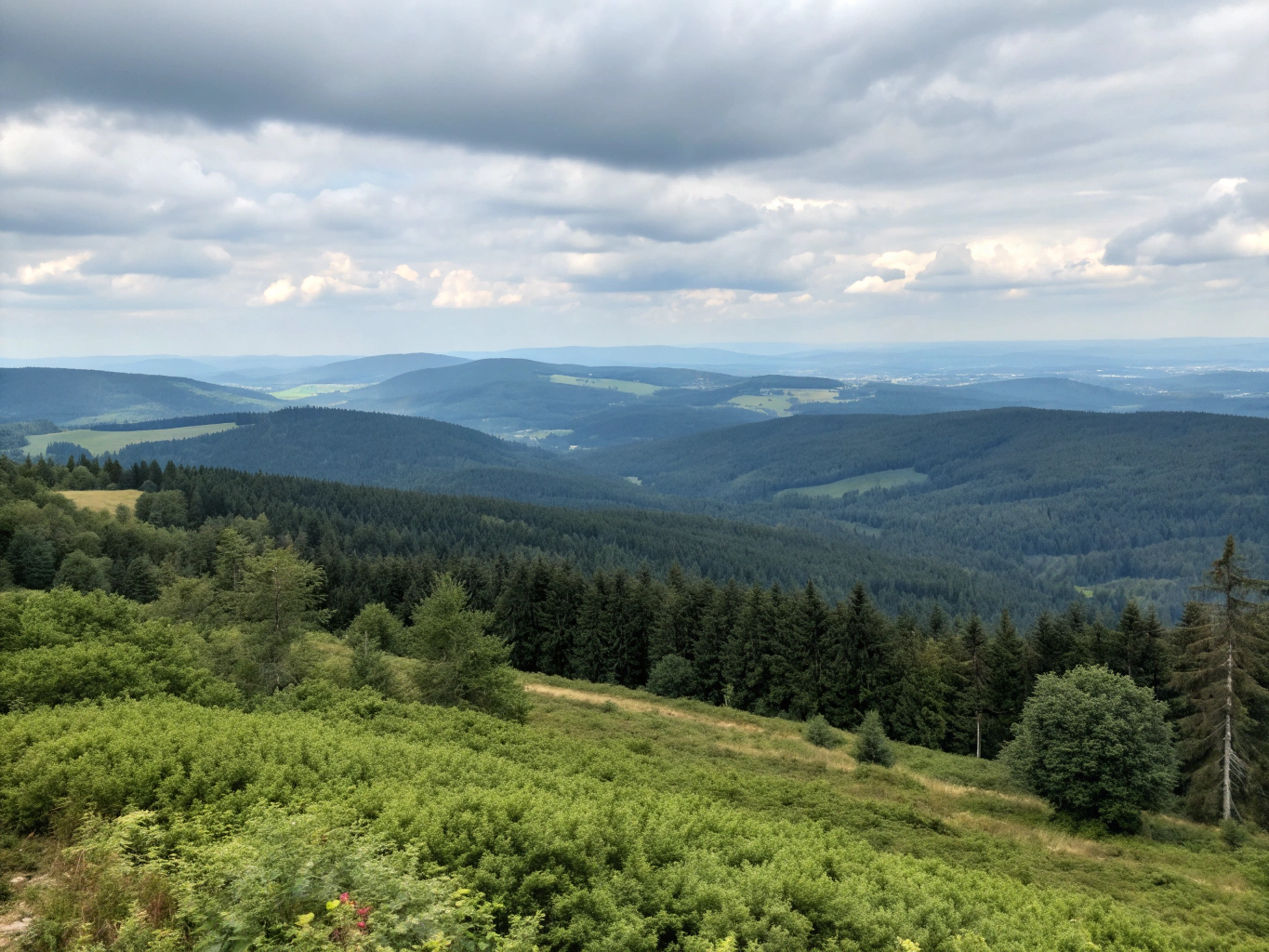
Wasserkuppe
⏱️ 1 dayEasy
The highest peak in the Rhön offers fantastic views across the entire region. Here you can go gliding, paragliding, or simply enjoy nature. At the foot of the mountain, numerous hiking trails and places to stop for refreshments await.
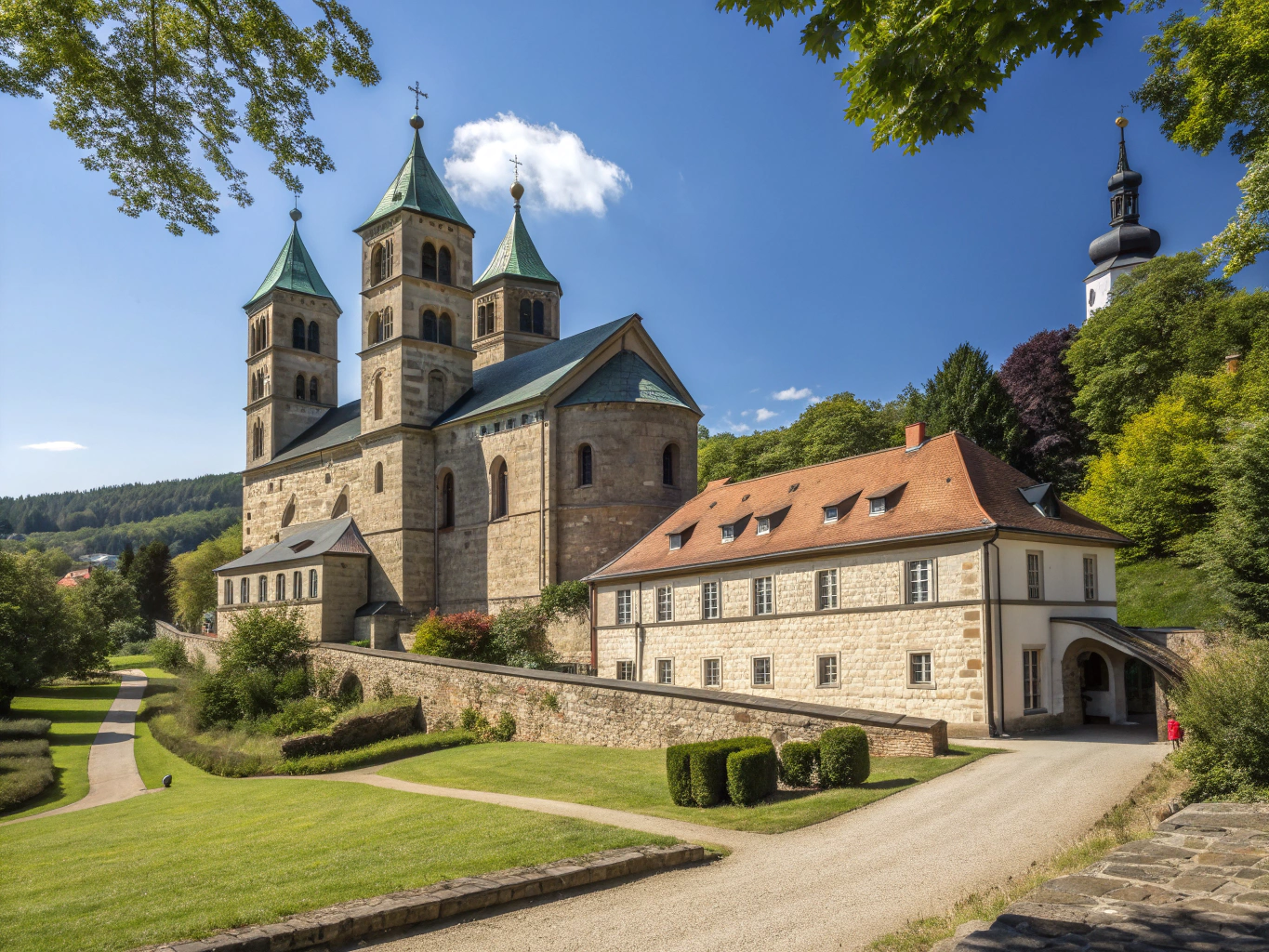
Kreuzberg
⏱️ half a dayModerate
The sacred mountain of the Franks is known for its monastery and dark beer. Visit the baroque church, take a brewery tour, or simply enjoy the tranquility and serenity. From the summit of Kreuzberg, you’ll have a magnificent view over the Rhön.
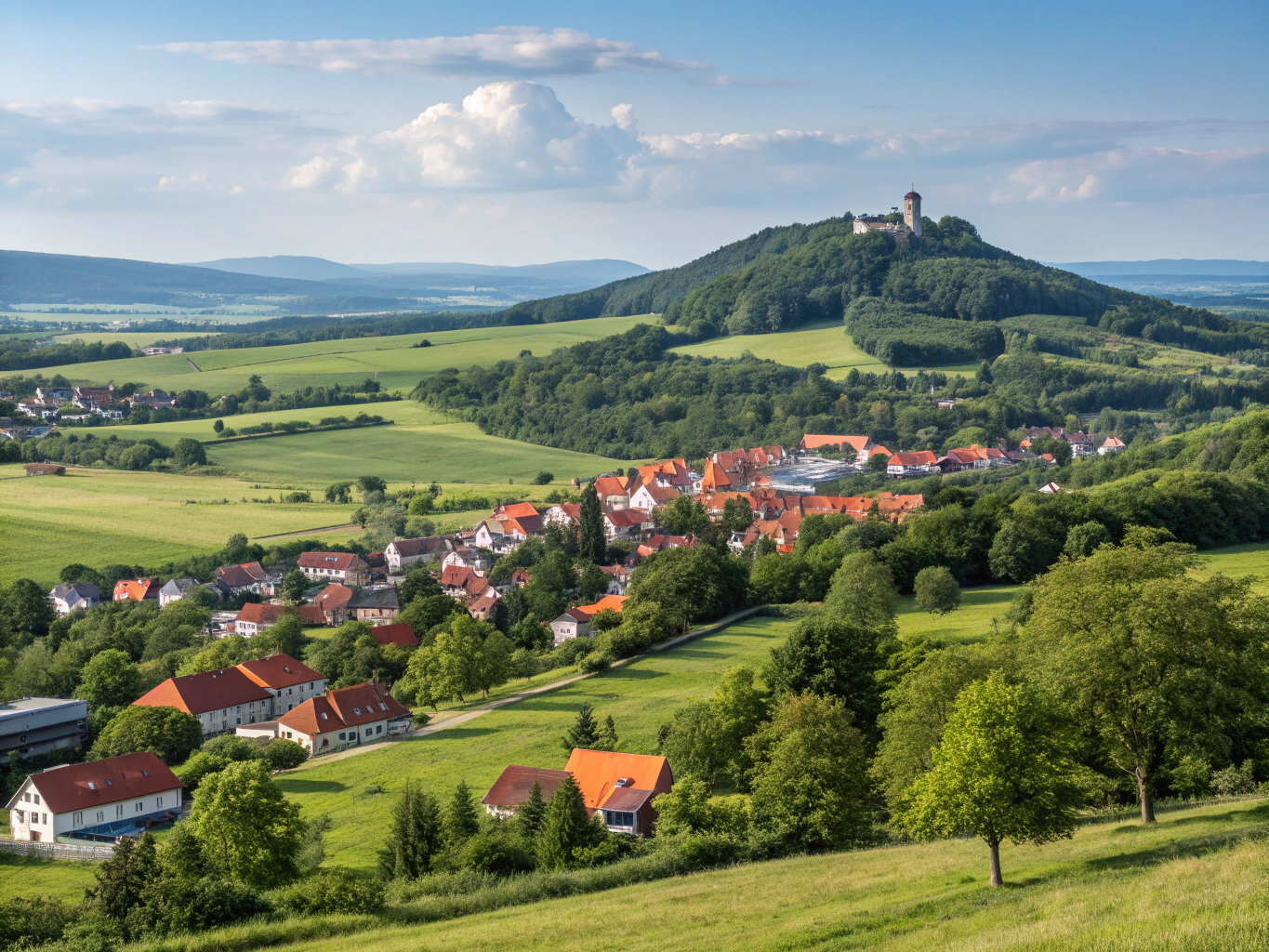
Milseburg
⏱️ 1/2 dayModerate
The Milseburg is a striking basalt cone of volcanic origin, once home to a Celtic settlement. Climb the mountain along a steep path and soak in the breathtaking views.
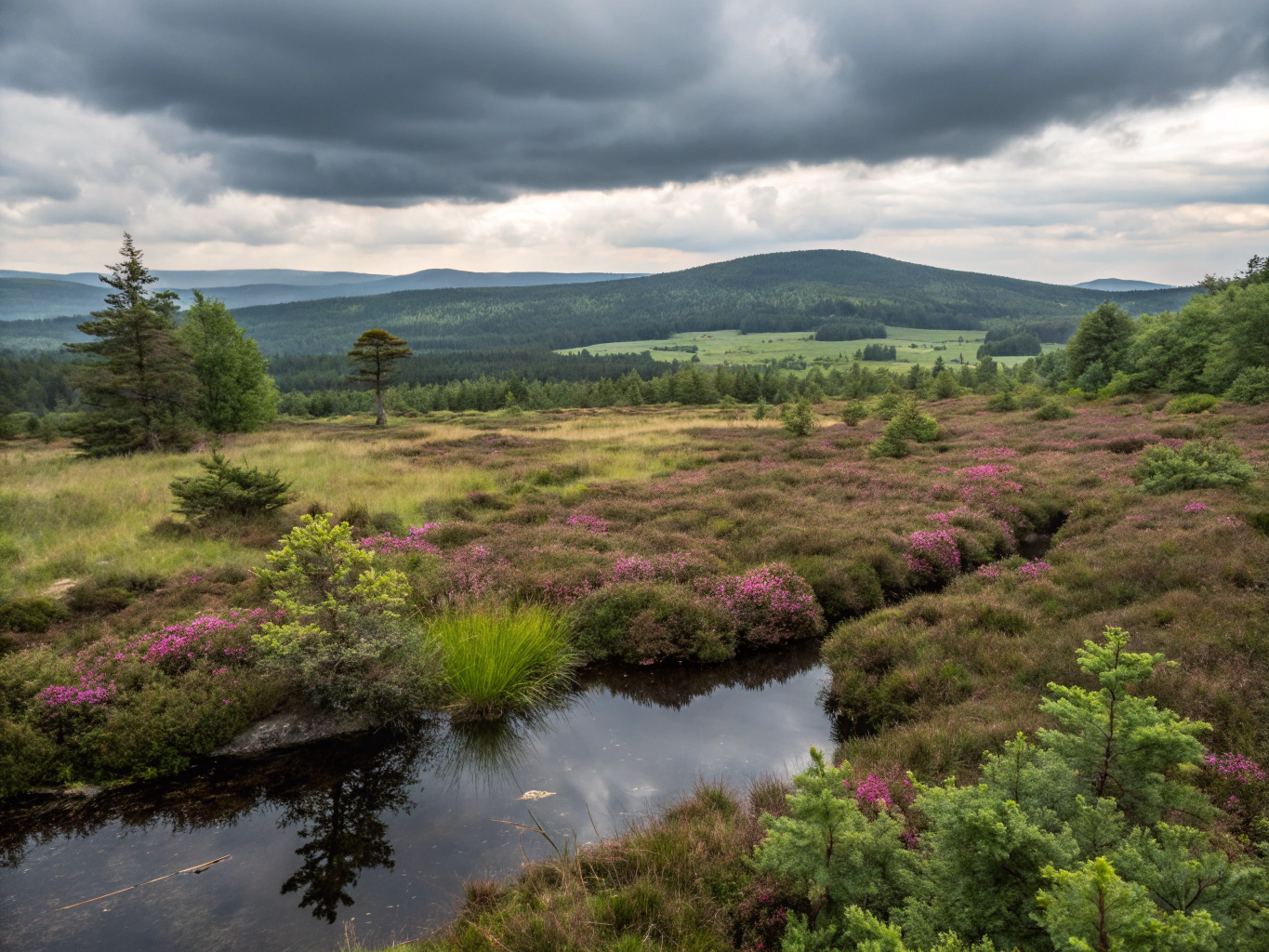
Schwarzes Moor
⏱️ 1/2 dayEasy
The Schwarzes Moor is a unique raised bog in the Rhön. Explore the bog on a boardwalk and discover its diverse flora and fauna. The Schwarzes Moor is an important habitat for rare plant and animal species.
Facts & Figures
Camping Region Rhön
- 🌍 Country
- 🇩🇪 Deutschland
- 📍 Region
- Bayern / Hessen / Thüringen
- 🏛️ Province
- Bad Kissingen, Rhön-Grabfeld, Fulda, Schmalkalden-Meiningen, Wartburgkreis
- ☀️ Climate
- Temperate, with cool winters and warm summers.
- 📅 Best Season
- May/June for hiking, July/August for swimming lakes
- 🌡️ Summer Avg
- 22 °C
- 🌸 Spring Avg
- 12 °C
- 🏕️ Campsites
- ~30
- ✈️ Airport
- Frankfurt am Main (FRA), Erfurt-Weimar (ERF)
- 🚌 Public Transport
- Regional trains and buses connect the larger towns.
- 🌧️ Rainy Days
- About 12 days per month in summer
- 🚗 From Munich
- 4 hrs / 350 km via A7 and A71
- 🚗 From Hamburg
- 5.5 hrs / 500 km via A7
- 💰 Price Level
- €€ / Moderate, with seasonal variations
- 🐕 Dogs
- Good / Many hiking trails and campsites are dog-friendly.
- 🎯 Suitable For
- Nature loversHikersThose seeking peace and quiet
🚦 Occupancy by Month
Jan
Feb
Mar
Apr
May
Jun
Jul
Aug
Sep
Oct
Nov
Dec
Quiet Moderate Busy Crowded
 Rent Camper Rhön
 Campsites Rhön