


🌿 Natur & Wildnis👨👩👧👦 Familien
Camping Guide | Mecklenburg-Vorpommern
Waterways and Avenues for Connoisseurs
Deutschland, 🇩🇪 Deutschland
Camping Guide | Mecklenburg-Vorpommern
The scent of brackish water and beechwood smoke hangs heavy in the air as a steady wind blows from the northwest at force 4 to 5. Those who come here aren’t seeking postcard-perfect views; they’re after the rugged honesty of the North. Mecklenburg-Vorpommern is tangible: it’s the crunch of fine quartz sand under your tires on Usedom and the springy give of peat soil around Lake Müritz. Logistically, this state demands your full attention. It’s not just a stopover—it’s a destination that calls for precise navigation. The infrastructure ranges from state-of-the-art marinas to historic cobblestone streets that put every suspension to the test. Camping in Mecklenburg-Vorpommern means embracing the interplay of maritime toughness and tranquil inland serenity. Unlike southern Germany, where mountains frame the horizon, the challenge here lies in the endless expanse and unpredictable weather that can shift from bright sunshine to storm gusts within twenty minutes. If you know how to handle your vehicle and respect the elements, you’ll find a freedom that has become rare in densely populated Germany.
💡Here, you’ll need mosquito repellent for the lake district, storm straps for your awning on the coast, and patience on the country roads—spontaneity in July will be mercilessly punished.
The Region in Detail
Your comprehensive travel guide for camping Mecklenburg-Vorpommern.
Camping in Mecklenburg-Vorpommern: The Overview
Mecklenburg-Vorpommern stretches across northeastern Germany as the sixth-largest federal state, dominated by two major geographical features: the Baltic Sea coast in the north and the Mecklenburg Lake District in the south. For motorhome travelers, the broad strokes are simple, but detailed planning is key. The main artery is the A20 motorway, running from Lübeck to the Uckermark junction. From there, federal roads branch out like ribs into the coastal regions and the interior. If you’re planning a camping holiday in Mecklenburg-Vorpommern, you need to understand that distances on the map can be deceptive. A 60-kilometer stretch on the B105 or B192 can easily take 90 minutes due to tractor traffic, speed restrictions in tree-lined avenues, and village throughways.
The camping landscape is strictly divided into two categories. First: the high-traffic large sites along the coast (Darß, Rügen, Usedom), often with over 500 pitches, offering entertainment and charging between €45 and €70 per night during peak season (June to August). Second: the smaller, often more natural spots inland by the thousands of lakes. Here, you’re usually on grass or forest floor, with prices more moderate at €25 to €40, though the facilities are often simpler. An important note about the ground conditions: while sandy soils dominate the coast and remain stable when wet, the lake district often features clay or peaty subsoils. Heavier vehicles over 4.5 tons should keep traction mats handy after rain to prevent sinking.
The weather dictates the daily rhythm here. Camping in Mecklenburg-Vorpommern, Germany is a game with the wind. On the coast, a breeze blows almost constantly, putting awnings and marquees to the test. Good guy lines (storm straps) aren’t optional accessories—they’re essential from day one. The season is short and intense. While many sites close from late October to Easter, a few offer winter camping—then nighttime temperatures drop to -5°C to -10°C, and the stiff breeze makes it feel even colder. Visitors outside the high season experience the region virtually deserted, but must be self-sufficient, as many supply stations (water/waste disposal) are shut down due to frost.
Coast vs. Lake District: Technical Requirements for Your Vehicle
Choosing between the coast and the interior in Mecklenburg-Vorpommern isn’t just a matter of taste—it’s also about vehicle physics and equipment. We analyze both main zones from a technical standpoint so you know what you and your gear are getting into.
Zone 1: The Baltic Coast and Islands (Rügen, Usedom, Fischland-Darß-Zingst). Here, salt and wind are your primary adversaries. If you’re planning camping in Mecklenburg-Vorpommern right by the sea, remember that salty air accelerates corrosion on unprotected chassis parts. After a two-week stay, a thorough underbody wash is mandatory. Pitches are often sandy. Use leveling mats under your stabilizer jacks to distribute the load, otherwise point loads can cause sinking. Access roads to popular spots often lead through narrow bottlenecks. Especially on Rügen, backlogs at the Rügen Bridge (B96) can cost hours in summer. Plan your arrival off-peak—ideally midweek or very early in the morning. Another factor: bridge tolls and visitor taxes are significant and quickly add up to three-digit sums over several weeks.
Zone 2: The Mecklenburg Lake District (Müritz, Plauer See). Here, the requirements change completely. Roads get narrower, often lined with famous tree-lined avenues. It looks picturesque, but poses real risks for alcove campers and tall integrated models. Trees often lean toward the center of the road; headroom at the roadside can drop below 3.20 meters. Drive in the middle unless there’s oncoming traffic, and watch carefully for thick branches. A motorhome wider than 2.35 meters requires extra concentration when meeting other vehicles. Ground conditions at camping sites are often grassy. Summer thunderstorms turn clay soil into slippery soap. Front-wheel-drive vehicles quickly lose traction. Keep a set of traction aids ready in the rear garage. Plus, the lake district is a mosquito hotspot. Dense fly screens on all hatches and doors are essential for a good night’s sleep.
A technical note about supplies: the network of gas stations is sparser in rural areas than the national average. Away from the B192 or B96, you might have to drive 30 kilometers to reach the next pump. Don’t let your tank dip below a quarter full in the countryside. LPG filling stations for gas bottles are available, but check opening hours—many small stations close at 6 p.m. and have no automated systems.
Insider Tip: Take the ‘Glewitz Ferry’ Instead of Enduring Bridge Traffic
Every navigation app directs you across the Rügen Bridge (B96) near Stralsund onto the island of Rügen. That’s the standard route—and that’s exactly why you’ll find yourself stuck in stop-and-go traffic there from 10 a.m. onward during peak season. The alternative for drivers who feel confident behind the wheel and seek a slower pace is the Glewitz Ferry in the south of the island. Head inland via the ‘German Avenue Road’ to Stahlbrode. The road is narrow and old, the asphalt rough, but scenically authentic and uncrowded.
The ferry itself runs every 20 minutes to Glewitz on Rügen. Costs for a 7-meter motorhome are around €12–€15 (vehicle plus passengers), payable in cash or by card directly onboard. The key advantage: you arrive in quiet southeastern Rügen, completely bypassing the bottleneck at Stralsund. Plus, the ferry terminal in Stahlbrode often offers fresh smoked fish straight from the oven—much cheaper and better than in tourist hotspots like Binz or Sellin. Note: the ferry stops operating in strong storms or during high tides. A quick check of the webcam or weather forecast before leaving the A20 is essential.
Experiences & Activities: Mecklenburg-Vorpommern
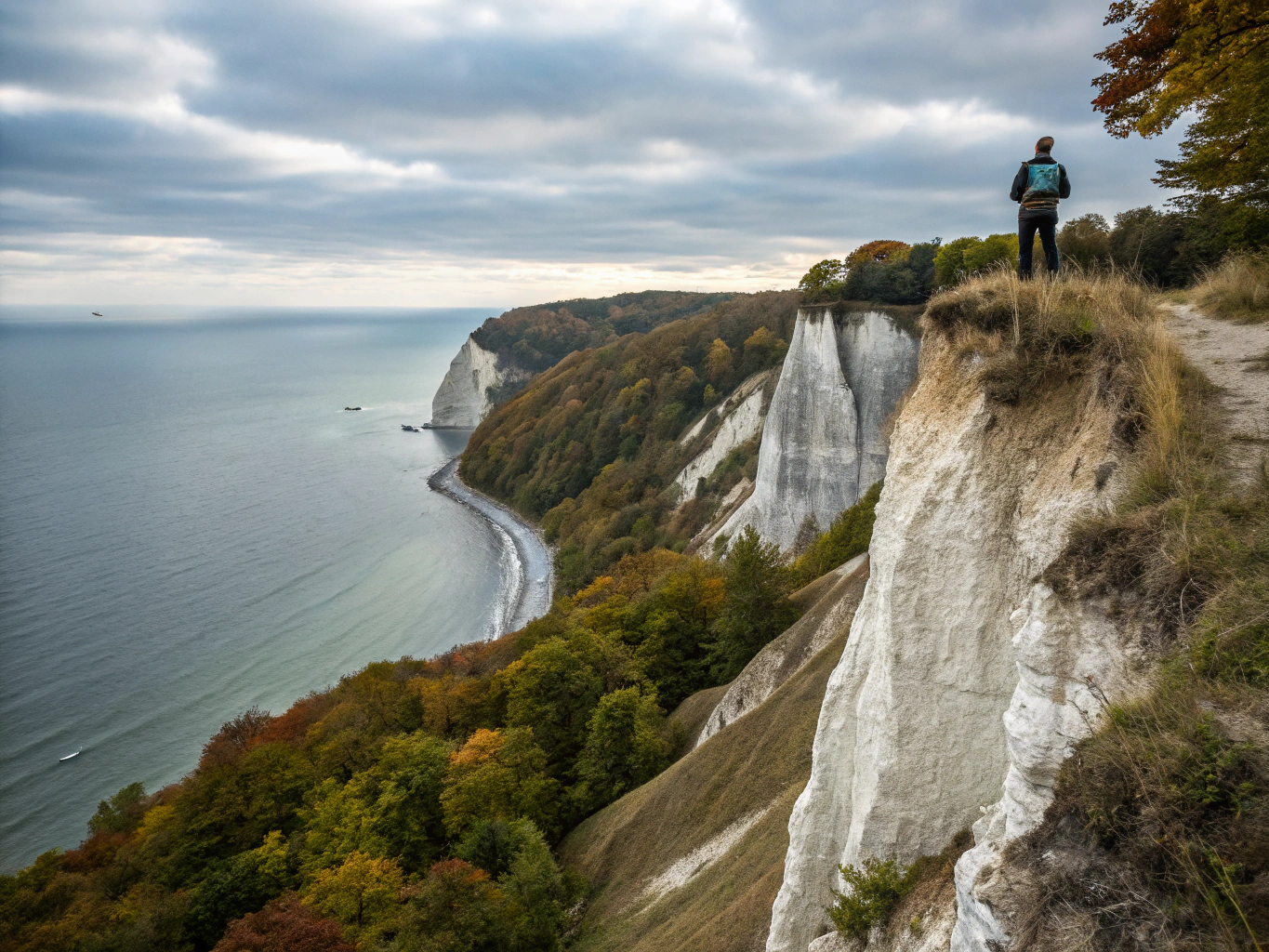
Chalk Cliffs of Rügen
⏱️ 3–4 hoursEasy
Hike along the majestic chalk cliffs and enjoy breathtaking views over the Baltic Sea. The Königsstuhl is the most famous lookout point. A hike through Jasmund National Park is a must for every Rügen visitor.
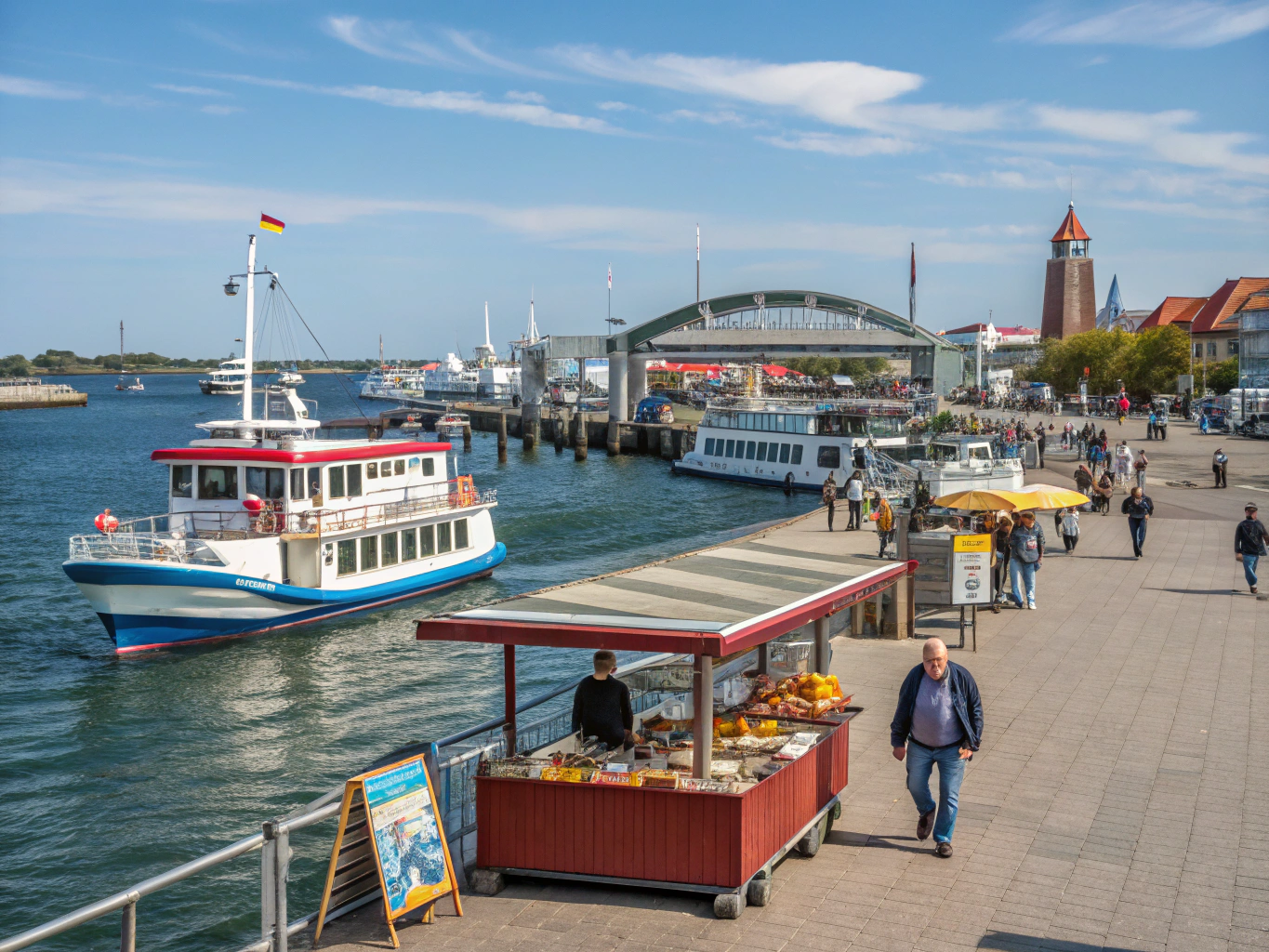
Eat Fish in Warnemünde
⏱️ 1–2 hoursEasy
Savor freshly caught fish right at the harbor in Warnemünde. Numerous restaurants and fish stalls offer a wide selection of seafood dishes. A stroll along the Alter Strom with a fish roll is a must.
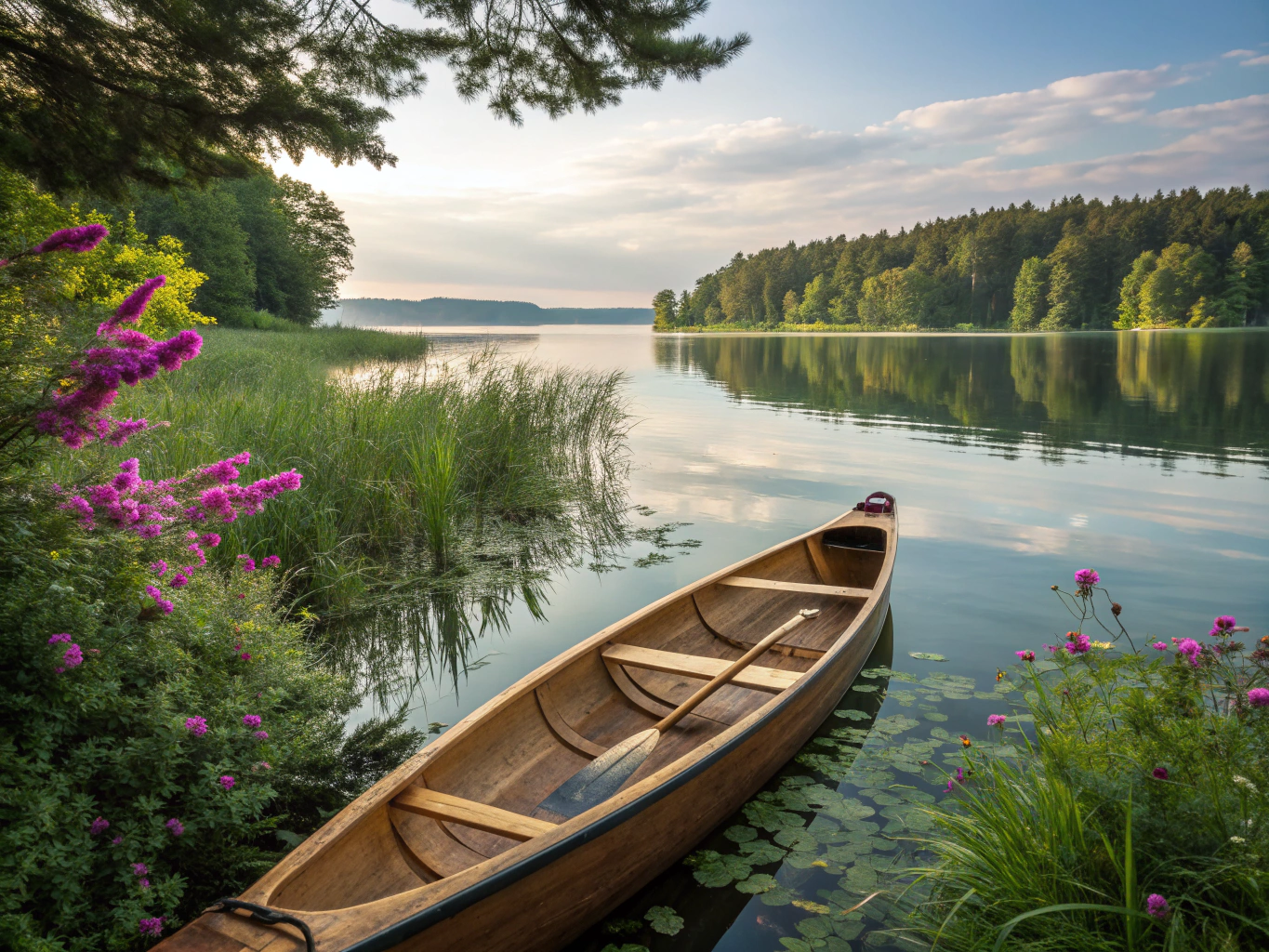
Canoe Trip on Lake Müritz
⏱️ 4–6 hoursModerate
Explore the Mecklenburg Lake District by canoe. Lake Müritz is Germany’s largest lake and offers countless opportunities for canoe tours. Enjoy the peace and beauty of nature from the water.
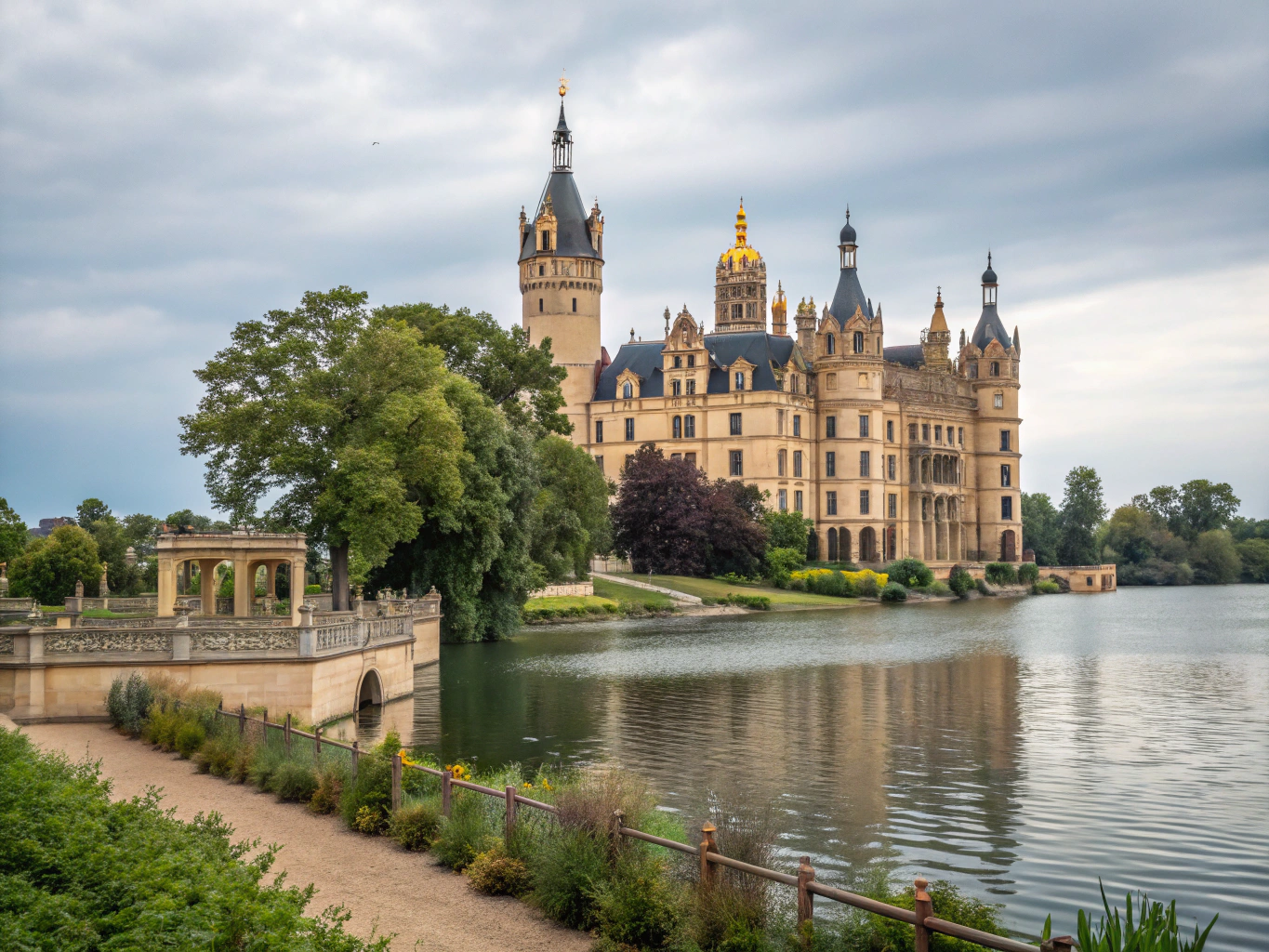
Schwerin Castle
⏱️ 2–3 hoursEasy
Visit the magnificent Schwerin Castle, located on an island in Lake Schwerin. The castle is one of Germany’s most beautiful and houses a museum. A walk through the palace gardens is highly recommended.
Facts & Figures
Camping Region Mecklenburg-Vorpommern
- 🌍 Country
- 🇩🇪 Deutschland
- 📍 Region
- Mecklenburg-Vorpommern
- 🏛️ Province
- Districts: Mecklenburg Lake District, Rostock, Vorpommern-Greifswald, Nordwestmecklenburg, Ludwigslust-Parchim, Vorpommern-Rügen
- ☀️ Climate
- Temperate maritime climate, influenced by the Baltic Sea and inland lakes.
- 📅 Best Season
- May/June for birdwatching, July/August for swimming fun
- 🌡️ Summer Avg
- 22°C
- 🌸 Spring Avg
- 12°C
- 🏕️ Campsites
- ~450
- ✈️ Airport
- Rostock-Laage Airport (RLG)
- 🚌 Public Transport
- Buses and regional trains connect the larger towns.
- 🌧️ Rainy Days
- 10–12 days per month
- 🚗 From Munich
- 8 hrs / 780 km via A9
- 🚗 From Hamburg
- 2.5 hrs / 200 km via A20
- 💰 Price Level
- €€ / Moderate, seasonal variations
- 🐕 Dogs
- Top / Many campsites offer special dog-friendly deals.
- 🎯 Suitable For
- Nature LoversThose Seeking Peace and QuietFamilies
🚦 Occupancy by Month
Jan
Feb
Mar
Apr
May
Jun
Jul
Aug
Sep
Oct
Nov
Dec
Quiet Moderate Busy Crowded
 Rent Camper Mecklenburg-Vorpommern
 Campsites Mecklenburg-Vorpommern