


🌿 Natur & Wildnis👨👩👧👦 Familien
Camping Guide | NRW
Discover Your Camping Happiness
Deutschland, 🇩🇪 Deutschland
Camping Guide | NRW
Imagine waking up surrounded by the gentle rustling of leaves while the first rays of sun peek through the canopy. Camping in NRW means experiencing the diversity of North Rhine-Westphalia up close – from the rolling hills of the Sauerland to the wide plains of the Münsterland. Here, nature experiences and cultural discoveries combine to create a unique holiday experience. Unlike other regions, NRW offers a surprising density of campsites amidst varied landscapes and urban centers.
💡NRW surprises with its diversity – campsites included.
The Region in Detail
Your comprehensive travel guide for camping NRW.
Location & Arrival in NRW
North Rhine-Westphalia, or NRW for short, is located in western Germany and borders the Netherlands and Belgium. The region extends from the North German Plain to the low mountain ranges of the Sauerland and the Eifel. This central location makes NRW a very accessible destination for camping holidays.
Numerous motorways are available for arrival by car. From the north, the best way to reach NRW is via the A1, which comes from Hamburg via Münster and Cologne. Coming from the south, the A3 is ideal, leading from Frankfurt am Main via Cologne into North Rhine-Westphalia. Those arriving from the east can use the A2, which runs from Berlin via Hanover and Dortmund. The A4 connects NRW with the west and leads from Aachen via Cologne to Olpe. There are no general tolls for cars and motorhomes under 7.5 tons on German motorways. For heavier vehicles, the truck toll applies, which is recorded electronically.
NRW is also excellently accessible by train. Cologne Central Station is one of Germany's most important railway hubs, from which numerous regional and long-distance trains run to all parts of the country. From Munich, you can reach Cologne in about 4.5 hours by ICE. Those starting from Hamburg need about 4 hours. Smaller cities like Münster, Dortmund, or Essen are also well connected to the rail network.
For air travelers, the airports of Düsseldorf (DUS), Cologne/Bonn (CGN), and Dortmund (DTM) are available. Düsseldorf is the largest airport in NRW and offers numerous international connections. From here, you can reach the various camping regions by rental car or public transport. The Cologne/Bonn and Dortmund airports are also well connected to the regional transport network.
Within NRW, you can move around well using public transport. The local public transport system (ÖPNV) is well-developed and connects many places with buses and trains. The state-wide ticket, which allows you to use all public transport for a day, is particularly recommended. For cycling trips, there are numerous bike paths leading through the varied landscape. Many campsites also offer bicycle rentals.
Overview of the Sub-regions
NRW is divided into various regions, each with its own charm and offering different camping experiences. The Sauerland, located in the south of NRW, is known for its wooded hills, picturesque lakes, and idyllic villages. Here, nature lovers and hiking enthusiasts will find numerous opportunities to explore the surroundings. Places like Winterberg and Willingen are particularly popular with active vacationers. Families also feel at home here, as there are many child-friendly hiking trails and attractions.
The Münsterland, located in the north of NRW, presents itself as a flat, wide landscape with numerous castles, palaces, and moats. The region is ideal for cyclists, who can explore the surroundings on well-developed bike paths. Münster, the capital of the Münsterland, is a lively university city with a historic old town. Culture enthusiasts and city travelers will get their money's worth here. The Münsterland is also attractive for motorhome travelers, as there are many pitches and well-equipped campsites.
The Rhineland, located in the west of NRW, is characterized by the Rhine and Ruhr rivers as well as the cities of Cologne, Düsseldorf, and Bonn. The region offers a mix of urban flair and scenic beauty. Cologne is famous for its cathedral, the carnival, and its vibrant cultural scene. Düsseldorf attracts visitors with its elegant Königsallee and its art scene. Bonn, the former federal capital, offers numerous museums and historic buildings. The Rhineland is ideal for culture enthusiasts and city travelers who like to combine camping with sightseeing. Along the Rhine, there are numerous campsites with a view of the river.
The Eifel, located in the west of NRW, is a low mountain range of volcanic origin. The region is known for its maars, which are water-filled volcanic craters. Here, nature lovers and hiking enthusiasts will find numerous opportunities to explore the surroundings. The Eifel National Park offers a diverse flora and fauna. Places like Monschau and Bad Münstereifel are particularly popular with those seeking relaxation. The Eifel is also known for its thermal baths and wellness offers. Here, campers can enjoy nature and relax at the same time.
The Ruhr area, in the center of NRW, is a former industrial region that has developed into an attractive travel destination. The region offers a mix of industrial culture, modern art, and urban flair. Cities like Essen, Dortmund, and Duisburg have reinvented themselves through structural change and offer numerous museums, theaters, and concert halls. The Ruhr area is also known for its numerous parks and green spaces that invite you to relax and linger. There are also several campsites in the Ruhr area that provide a good base for exploring the region.
Camping in NRW: What to Expect?
The camping landscape in NRW is diverse and offers the right spot for every taste and budget. There are an estimated 300 campsites in the region, many of which are open year-round. Most sites are located in scenically attractive areas such as the Sauerland, the Münsterland, or the Eifel. But there are also numerous camping options near cities and along the Rhine and Ruhr rivers.
You will find large resort sites with pools, animation, and extensive leisure facilities. These sites are particularly popular with families with children as they offer a varied entertainment program. However, there are also smaller, nature-oriented sites that are ideal for those seeking peace and nature lovers. These sites are often more simply equipped but offer an idyllic atmosphere and direct access to nature. Agriturismo or farm camping is less common in NRW than in other regions of Germany, but there are some farms that offer pitches for campers. These farms often offer regional products and the opportunity to participate in farm life.
Prices for a pitch vary depending on the season, location, and equipment of the site. In the high season, from July to August, a pitch for two people and a vehicle costs an average of between 25 and 40 euros per night. In the low season, from April to June and from September to October, prices are often significantly lower. Here you can expect prices between 15 and 30 euros per night. The plots are usually between 80 and 120 square meters in size and offer sufficient space for a tent, a motorhome, or a caravan. Many sites offer both sunny and shady pitches, so you can choose according to your needs.
The infrastructure of the campsites in NRW is generally good. Most sites have modern sanitary facilities with showers, toilets, and washbasins. Many sites also offer Wi-Fi, so you can stay online even on holiday. Electricity connection is usually standard and offers sufficient power for most devices. Most sites offer an amperage of 6 to 16 amps. It is advisable to check in advance what amperage the site offers and take an adapter if necessary.
A reservation is recommended in the high season, as the sites are often fully booked. You should book particularly popular sites several weeks or even months in advance. In the low season, a reservation is often not necessary, but it is advisable to inquire in advance by phone or online. Last-minute opportunities often exist at smaller sites or outside of holiday periods.
Practical Information for Campers
There are no tolls for vehicles under 7.5 tons on German motorways. For heavier vehicles, the truck toll applies, which is recorded electronically. Current diesel prices in Germany are around the European average. Prices can vary depending on the gas station and time of day. Most gas stations have long opening hours, many are even open around the clock. Along the motorways, there are numerous gas stations with rest areas that are also open on Sundays.
Shopping opportunities are plentiful in NRW. You will find all common supermarket chains such as Lidl, Aldi, Rewe, and Edeka. Most supermarkets are open from Monday to Saturday, some also on Sundays. In larger cities, there are also 24-hour supermarkets. For gas purchases, it is advisable to find out in advance whether German gas cylinders can be exchanged or if an adapter is required. Many campsites offer a gas cylinder service.
Disposal stations for wastewater and chemical toilets are available at most campsites and at some rest areas along the motorways. Mobile network coverage is generally good in NRW. However, there may be restrictions in rural areas. Roaming is not a problem within the EU, as roaming charges have been abolished.
Medical care in NRW is very good. There are numerous hospitals, doctors, and pharmacies. In emergencies, you can reach the emergency services at 112. Tap water in NRW is generally of good quality and can be drunk without hesitation. However, there are also public drinking fountains where you can refresh yourself.
There are no general camping regulations in NRW, but it is important to observe the rules of the respective campsite. Wild camping is fundamentally prohibited in NRW. In some nature reserves, entering outside of designated paths is also prohibited. In many cities, there are environmental zones that only vehicles with a green sticker may enter. It is advisable to find out in advance if your vehicle is affected.
Insider Knowledge & Secret Tips
The low season in NRW, from April to June and from September to October, offers many advantages for campers. The sites are less crowded, prices are lower, and the weather is often pleasantly mild. Especially in spring and autumn, you can enjoy nature in its full glory. A less well-known place is the Biggesee in the Sauerland. Here you can combine camping with water sports and hiking. The lake offers numerous bays and swimming spots. You can reach the Biggesee via the A4 and A45.
Another secret tip is the Drachenfels near Königswinter on the Rhine. Here you can take the Drachenfels railway to the summit and enjoy a panoramic view over the Rhine Valley. The Drachenfels is accessible via the B42. Local markets and direct sales are available in many towns and villages in NRW. At the weekly markets, you can buy regional products and specialties. Many wineries and farm shops offer their products directly from the farm. The wines from the Siebengebirge and the cheeses from the Sauerland are particularly recommended. Local festivals and events take place in NRW all year round. The Carnival in Cologne is a highlight, but the numerous wine festivals and village fairs are also worth a visit.
Culinary tips include Rhenish Sauerbraten, Himmel un Ääd (mashed potatoes with applesauce), and Kölsch beer. In Cologne, there are numerous breweries where you can try these specialties. A day trip that is worthwhile is a visit to the Kommern Open-Air Museum in the Eifel. Here you can visit historic buildings and craft businesses from different regions of NRW. The driving time from Cologne is about one hour. Admission costs 9 euros.
Experiences & Activities: NRW
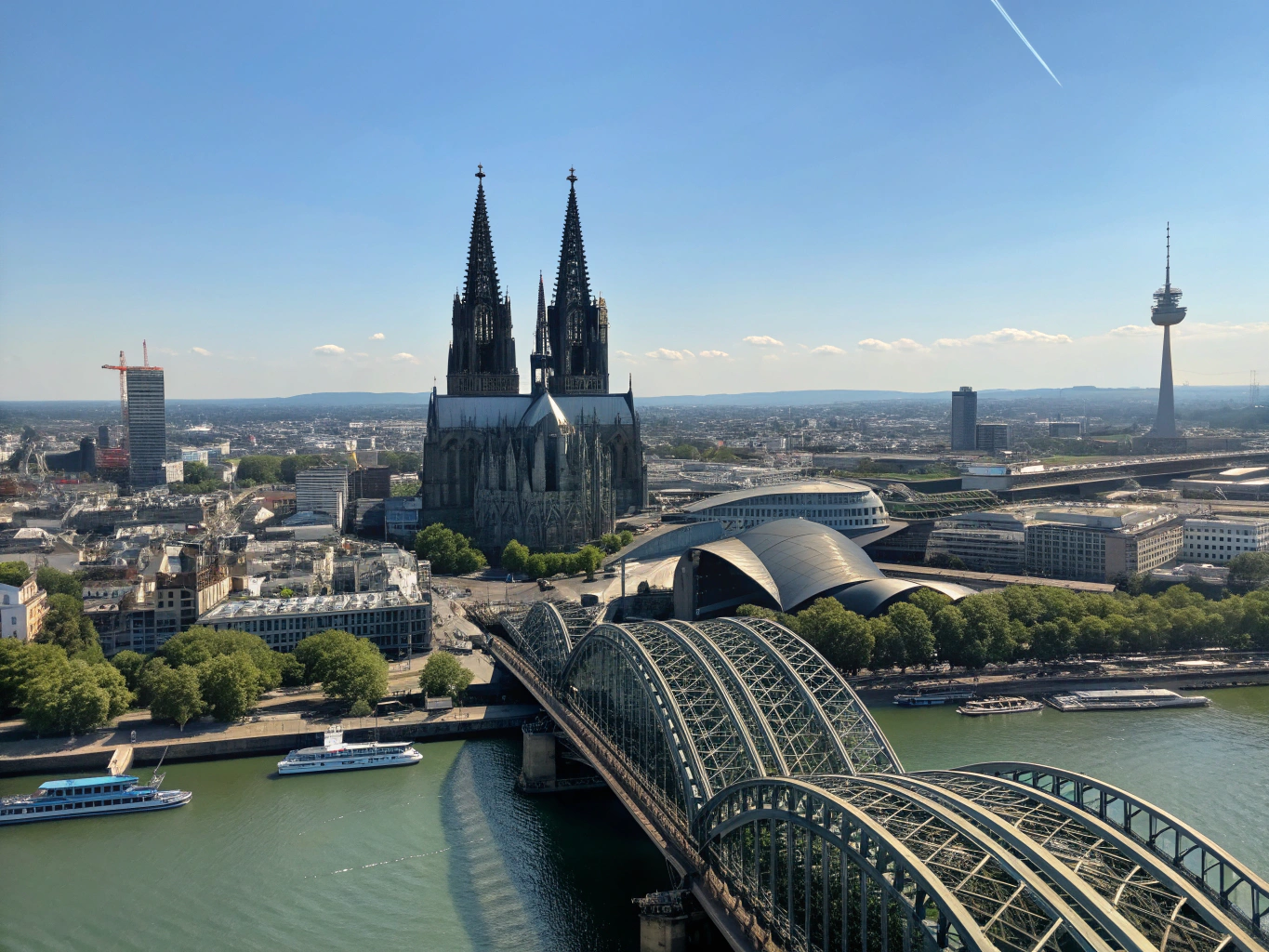
Panoramic View from Cologne Cathedral
⏱️ 2-3 hoursChallenging
Climb to the top of Cologne Cathedral and enjoy an incomparable view over the city and the Rhine. A must for every visitor! The climb is strenuous, but the view rewards every effort.
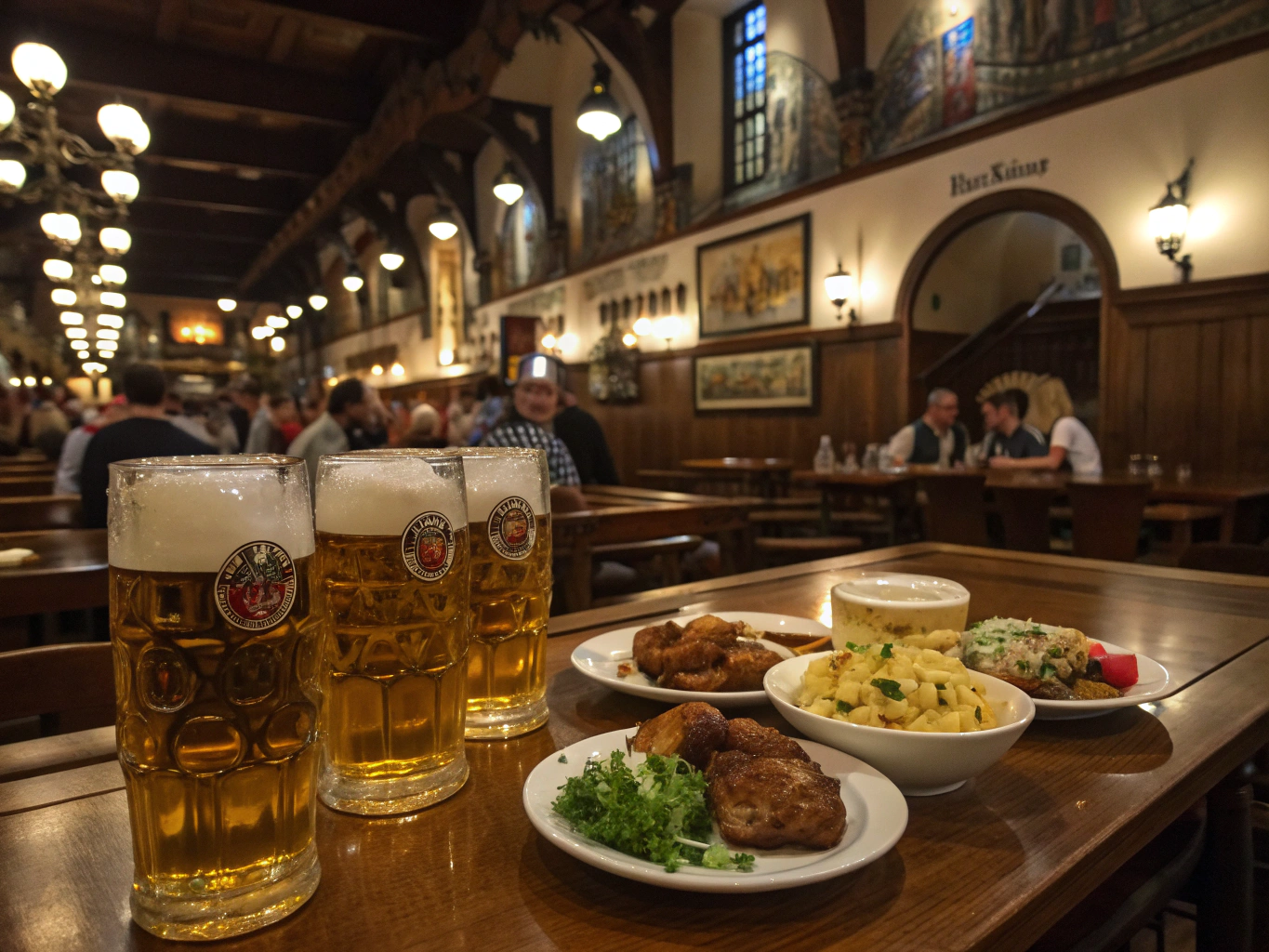
Cologne Brewery Culture
⏱️ 2-4 hoursEasy
Immerse yourself in the rustic atmosphere of a Cologne brewery and enjoy a freshly tapped Kölsch. Accompany it with hearty home cooking like Halve Hahn or Rhenish Sauerbraten. A culinary experience of a special kind!
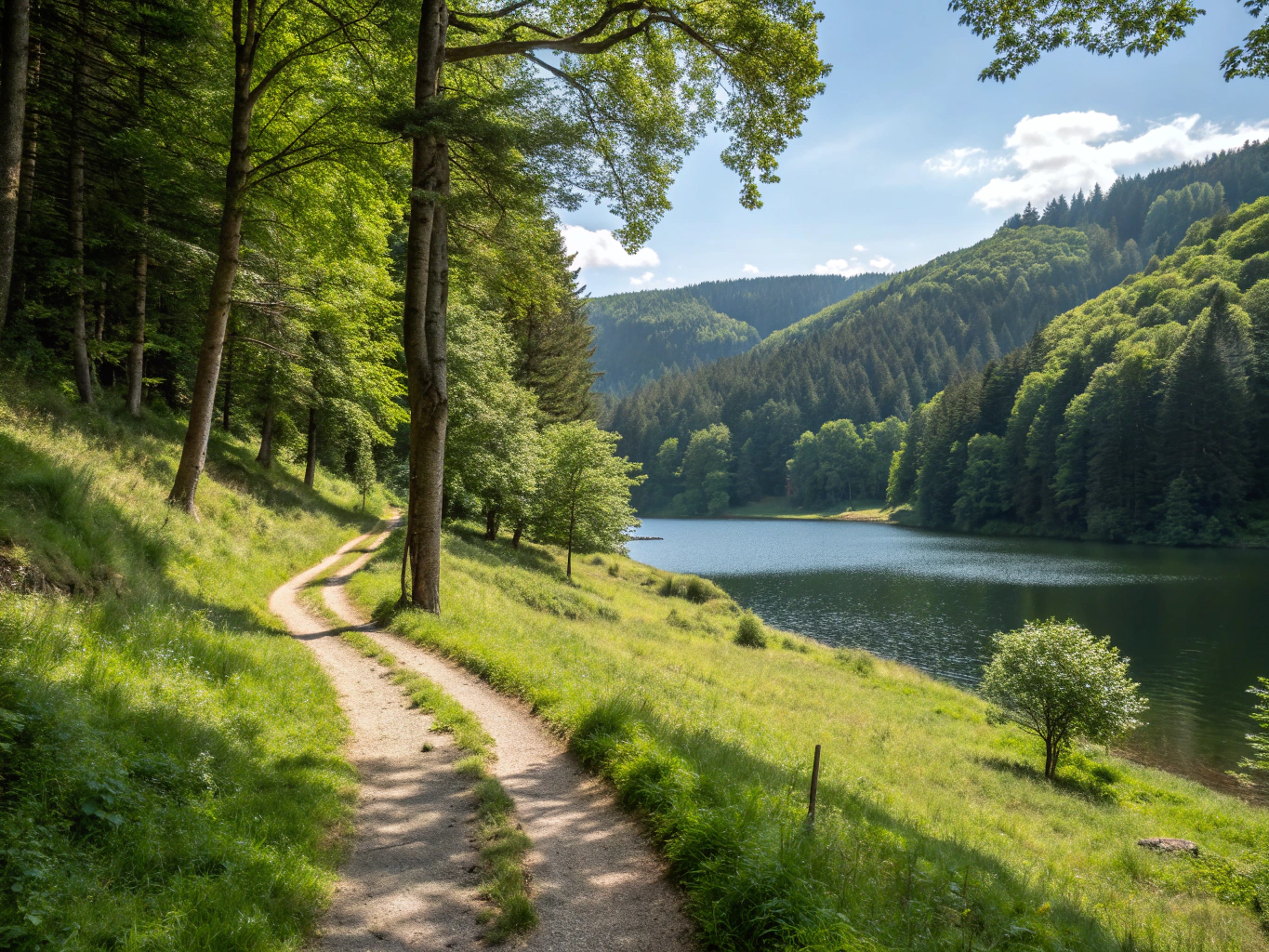
Hiking in the Eifel National Park
⏱️ 4-6 hoursModerate
Explore the untouched nature of the Eifel National Park on numerous hiking trails. Discover rare plants and animals and enjoy the peace and quiet of nature. Various levels of difficulty for every requirement.
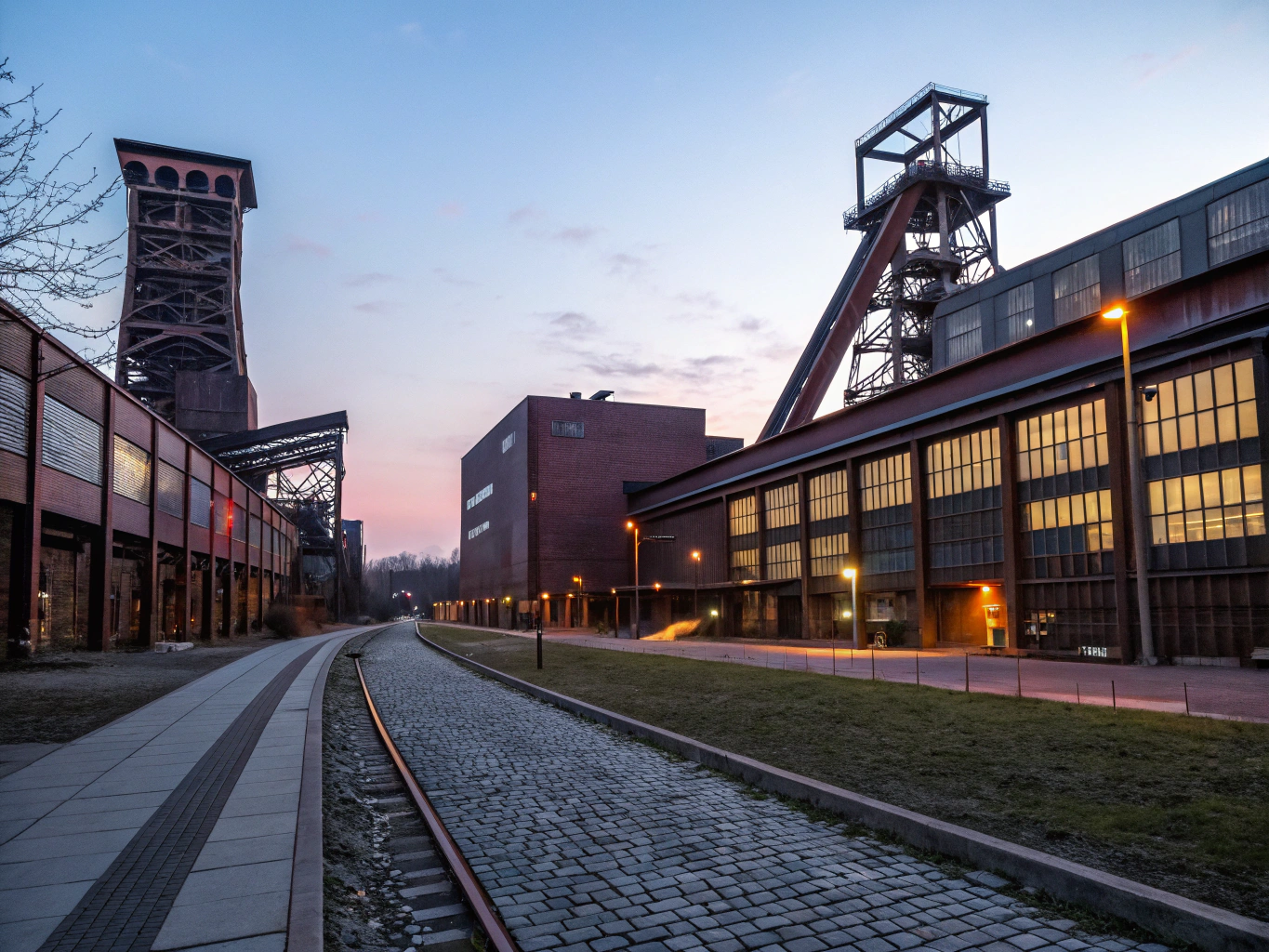
Zollverein Coal Mine in Essen
⏱️ 3-5 hoursEasy
Visit the UNESCO World Heritage Site Zollverein Coal Mine in Essen and immerse yourself in the history of the Ruhr area. Discover the impressive industrial architecture and learn more about coal mining. A place off the beaten tourist path.
Facts & Figures
Camping Region NRW
- 🌍 Country
- 🇩🇪 Deutschland
- 📍 Region
- North Rhine-Westphalia
- 🏛️ Province
- No provinces, but administrative districts: Arnsberg, Detmold, Düsseldorf, Cologne, Münster
- ☀️ Climate
- Temperate, with mild winters and warm summers
- 📅 Best Season
- May/June for hiking, July/August for swimming lakes
- 🌡️ Summer Avg
- 23 °C
- 🌸 Spring Avg
- 14 °C
- 🏕️ Campsites
- ~300
- ✈️ Airport
- Düsseldorf (DUS), Cologne/Bonn (CGN), Dortmund (DTM)
- 🚌 Public Transport
- Well-developed network, regional trains and buses connect many places
- 🌧️ Rainy Days
- Average of 12 rainy days per month in summer
- 🚗 From Munich
- 6.5 hrs / 600 km via A3/A45
- 🚗 From Hamburg
- 4 hrs / 380 km via A1
- 💰 Price Level
- €€ / Mid-range with fluctuations
- 🐕 Dogs
- Good / Many sites are dog-friendly, observe leash requirements
- 🎯 Suitable For
- Nature loversCulture enthusiastsFamilies
🚦 Occupancy by Month
Jan
Feb
Mar
Apr
May
Jun
Jul
Aug
Sep
Oct
Nov
Dec
Quiet Moderate Busy Crowded
 Rent Camper NRW
 Campsites NRW