


🌿 Natur & Wildnis👨👩👧👦 Familien
Camping Guide | Lappland
Adventure under the Midnight Sun
Finnland, 🇫🇮 Finnland
Camping Guide | Lappland
Imagine waking up to the gentle rushing of a river while the midnight sun bathes your Lapland camping accommodation in a warm light. Finnish Lapland, north of the Arctic Circle, is a world of its own. Here, where reindeer roam free and the Northern Lights illuminate the sky, you will find a unique blend of adventure and tranquility. Unlike other camping regions, Lapland offers an untouched nature that you can't experience anywhere else. It is a place that challenges you and touches you deeply at the same time.
💡Lapland is expensive, but the experience is priceless.
The Region in Detail
Your comprehensive travel guide for camping Lappland.
Location & Arrival in Lapland
Finnish Lapland is located in the northernmost part of Finland, above the Arctic Circle. It borders Sweden to the west, Norway to the north, and Russia to the east. The region covers an area of almost 100,000 square kilometers, making it larger than Austria.
Traveling by car is a long but rewarding journey. From Munich, you drive north on the A7, then continue on the E4 through Sweden to Finland. The drive takes about 28 hours and is around 2700 kilometers long. Tolls apply in Sweden for some bridges. From Hamburg, the route is slightly shorter, about 24 hours and 2300 kilometers, also via the E4.
A faster alternative is traveling by plane. The nearest airport is Rovaniemi (RVN). From there, there are bus connections to various locations in Lapland. Direct flights from Germany are rare; usually, a transfer in Helsinki is necessary. The flight time is typically 4-6 hours.
You can also travel to Lapland by train, although the rail connection is not optimally developed. There is a train connection from Helsinki to Rovaniemi, which takes about 8-12 hours. From there, you can continue by bus to the different regions of Lapland.
Within Lapland, it is best to get around by car or bus. The roads are generally well-maintained, but in winter, conditions can be difficult due to snow and ice. There are also some bus lines connecting the larger towns, but the frequency is not very high. Another option is the bicycle, but distances are large and the terrain is often hilly.
Overview of the Subregions
Lapland can be roughly divided into four subregions: Northern Lapland, Eastern Lapland, Western Lapland, and Rovaniemi.
Northern Lapland is the northernmost region and is known for its untouched wilderness and the opportunity to see the Northern Lights. Places like Inari, Utsjoki, and Nuorgam are located here. Inari is the center of the Finnish Sámi and offers insights into the culture of the indigenous people. Utsjoki is the northernmost town in Finland and a popular destination for hikers and anglers. Nuorgam is located right on the Norwegian border and is a good starting point for excursions into the Arctic landscape. This region is ideal for adventurers and nature lovers seeking the peace and vastness of the Arctic landscape.
Eastern Lapland is characterized by its dense forests and lakes. This is where the Pyhä-Luosto National Park is located, which is a popular destination for hikers with its old forests and deep gorges. The towns of Kemijärvi and Sodankylä are also in this region. Kemijärvi is a lively town with a beautiful lake and many leisure opportunities. Sodankylä is known for its film festival and its proximity to the Tankavaara gold panning area. Eastern Lapland is a paradise for outdoor activities such as hiking, fishing, and canoeing.
Western Lapland is shaped by its fells, the Scandinavian mountains, and its reindeer farms. The ski resorts of Levi and Ylläs are located here, which are popular destinations for skiers and snowboarders in winter. In summer, the fells offer numerous hiking trails and mountain bike routes. There are also many reindeer farms in the region where you can learn more about reindeer husbandry. Western Lapland is ideal for families and athletes who want to be active in both winter and summer.
Rovaniemi is the capital of Lapland and the official home of Santa Claus. Santa Claus Village is located here, a popular destination for families with children. Rovaniemi also houses the Arktikum, a museum that deals with the history and culture of the Arctic. Rovaniemi is a modern city with many shopping opportunities, restaurants, and hotels, and serves as a good starting point for excursions into the surrounding area.
Camping in Lapland: What to Expect?
The camping landscape in Lapland is characterized by a mix of large, well-equipped resort sites and small, nature-oriented campsites. In total, there are an estimated 150 campsites in Lapland, distributed across the entire region.
The large resort sites often offer extensive infrastructure with pools, saunas, restaurants, and entertainment programs. These sites are particularly popular with families with children. However, there are also many small, nature-oriented campsites located in the middle of untouched nature. These sites are ideal for those seeking peace and nature lovers.
Agriturismo or farm camping is less common in Lapland than in other regions of Europe. However, there are some farms that offer pitches for motorhomes. These sites are often very idyllically located and offer an insight into rural life.
Prices for a pitch vary depending on the season and the site's facilities. In the high season (June-August), a pitch for a motorhome or caravan usually costs between 30 and 50 euros per night. In the low season (September-May), prices are often significantly cheaper, sometimes under 20 euros per night.
The size of the pitches also varies. On the large resort sites, the pitches are often parceled and offer enough space for a motorhome or caravan with an awning. On the small, nature-oriented campsites, the pitches are often less clearly defined and offer more freedom in choosing a spot. Many pitches are in the shade of trees, but there are also sunny pitches.
The sanitary standard at campsites in Lapland is generally good. Most sites have clean sanitary facilities with showers and toilets. Wi-Fi is available at many campsites, but the quality can vary. Electricity connections are usually available, though the amperage may vary.
It is recommended to reserve pitches early in the high season, especially if you prefer a specific spot. While last-minute opportunities do arise, the selection is often limited.
Practical Information for Campers
For the drive to Lapland, tolls apply in Sweden for some bridges. Payment is usually made electronically. Inform yourself in advance about the exact fees and payment options.
Diesel prices in Finland are generally slightly higher than in Germany. Gas stations are well-distributed and usually have long opening hours, even on Sundays.
Supermarkets such as Lidl, Eurospar, and K-Market are available in the larger towns in Lapland. Opening hours are usually Monday to Saturday from 8 AM to 10 PM, and often slightly shorter on Sundays.
German gas cylinders cannot be easily exchanged in Finland. An adapter is required. Inform yourself in advance about the appropriate adapters and obtain them in good time.
Disposal stations for motorhomes are available at many campsites. There are also some public disposal stations, but they are not always easy to find.
Mobile network coverage in Lapland is good in populated areas. However, there may be limitations in remote regions. The roaming situation is generally unproblematic, as Finland is part of the EU.
Medical care in Lapland is good. There are hospitals and pharmacies in the larger towns. The emergency number in Finland is 112.
Wild camping is generally allowed in Finland, but there are some restrictions. Wild camping is prohibited in national parks and nature reserves. You should also not camp near residential houses. It is important to respect nature and leave no trash behind.
Tap water in Finland is generally of very high quality and can be drunk without hesitation. Nevertheless, it is advisable to check the local water quality on-site.
Insider Knowledge & Secret Tips
The low season (May/June and September/October) is an ideal time to visit Lapland. Prices are lower, campsites are less crowded, and nature shows its most beautiful side. In May/June, nature awakens to new life and the midnight sun provides long, bright days. In September/October, the forests glow in vibrant colors and the chances of seeing the Northern Lights increase again.
A less known place is the village of Tankavaara, about 100 km north of Sodankylä. Here you will find a gold prospector museum, and you can try your luck at gold panning yourself. Access is via the E75 road.
A secret tip for nature lovers is the Urho Kekkonen National Park, which extends east of Saariselkä. Here you can hike for days without meeting a soul. There are marked hiking trails and simple huts where you can stay overnight. Access is via Road 91.
A local market that you should definitely visit is the market in Inari. Traditional Sámi handicrafts and local specialties are offered here. The market takes place every summer.
A culinary must in Lapland is reindeer meat. It is prepared in various ways, for example, as sautéed reindeer or reindeer roast. Another local dish is salmon, freshly caught from the rivers.
A restaurant frequented by locals is Ravintola Kota in Rovaniemi. Traditional Lappish dishes are served here. Another popular restaurant is Restaurant Aanaar in Inari, which is known for its reindeer dishes.
A rewarding day trip is the drive to the North Cape, the northernmost point of Europe. The drive from Honningsvåg (Norway) to the North Cape takes about 45 minutes. The cost for the toll road is approx. 30 euros.
Experiences & Activities: Lappland
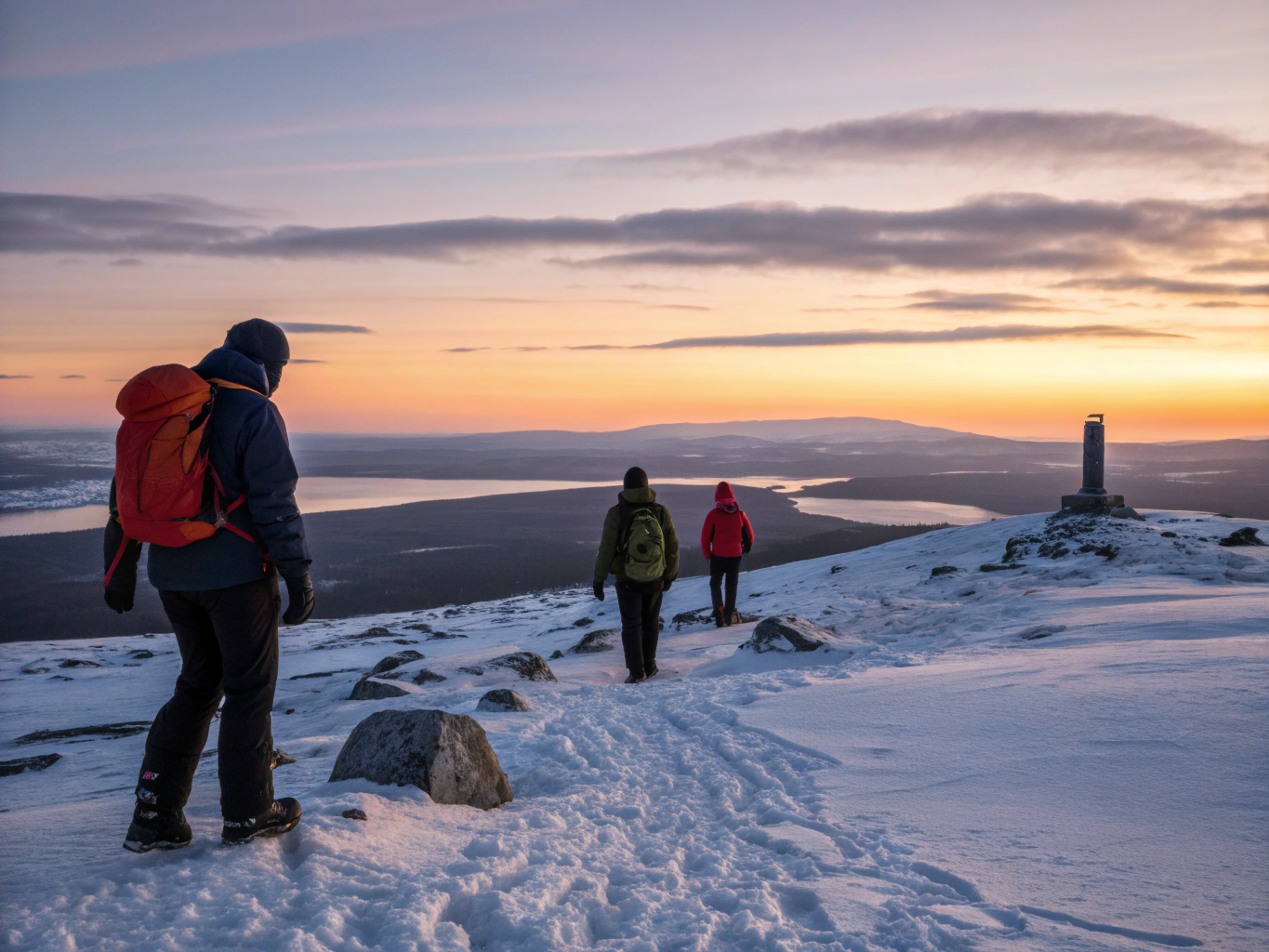
View from Pyhätunturi Fell
⏱️ 2 hoursModerate
Climb the Pyhätunturi Fell and enjoy the panoramic view over the endless forests and lakes of Lapland. An unforgettable experience, especially at sunset. The ascent is moderate and takes about 2 hours. There is a wilderness hut at the summit.
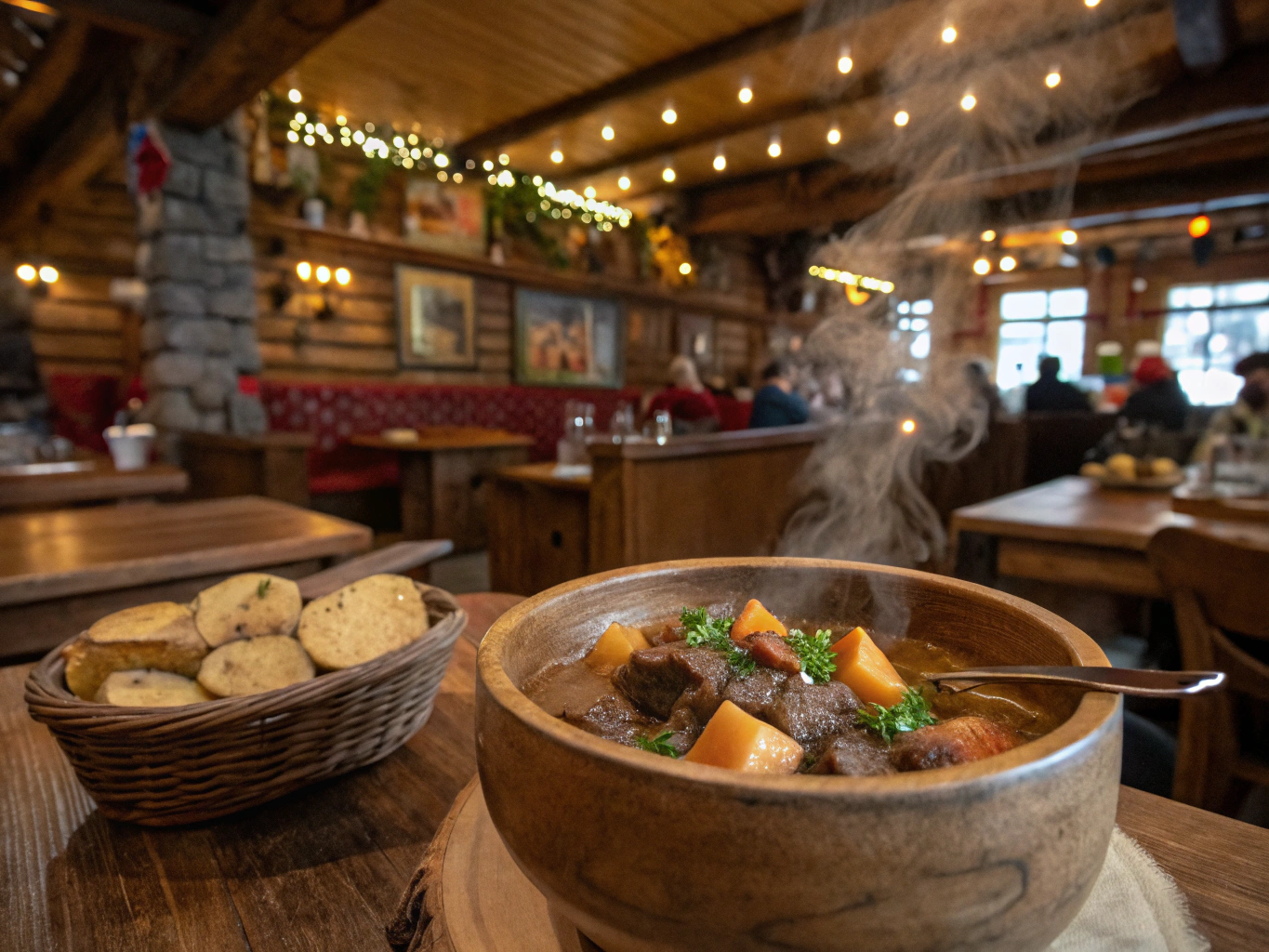
Reindeer Stew at Restaurant Nili
⏱️ 2 hoursEasy
Try the traditional reindeer stew (Poronkäristys) at Restaurant Nili in Rovaniemi. The restaurant is known for its authentic Lappish cuisine and cozy atmosphere. Reservation recommended.
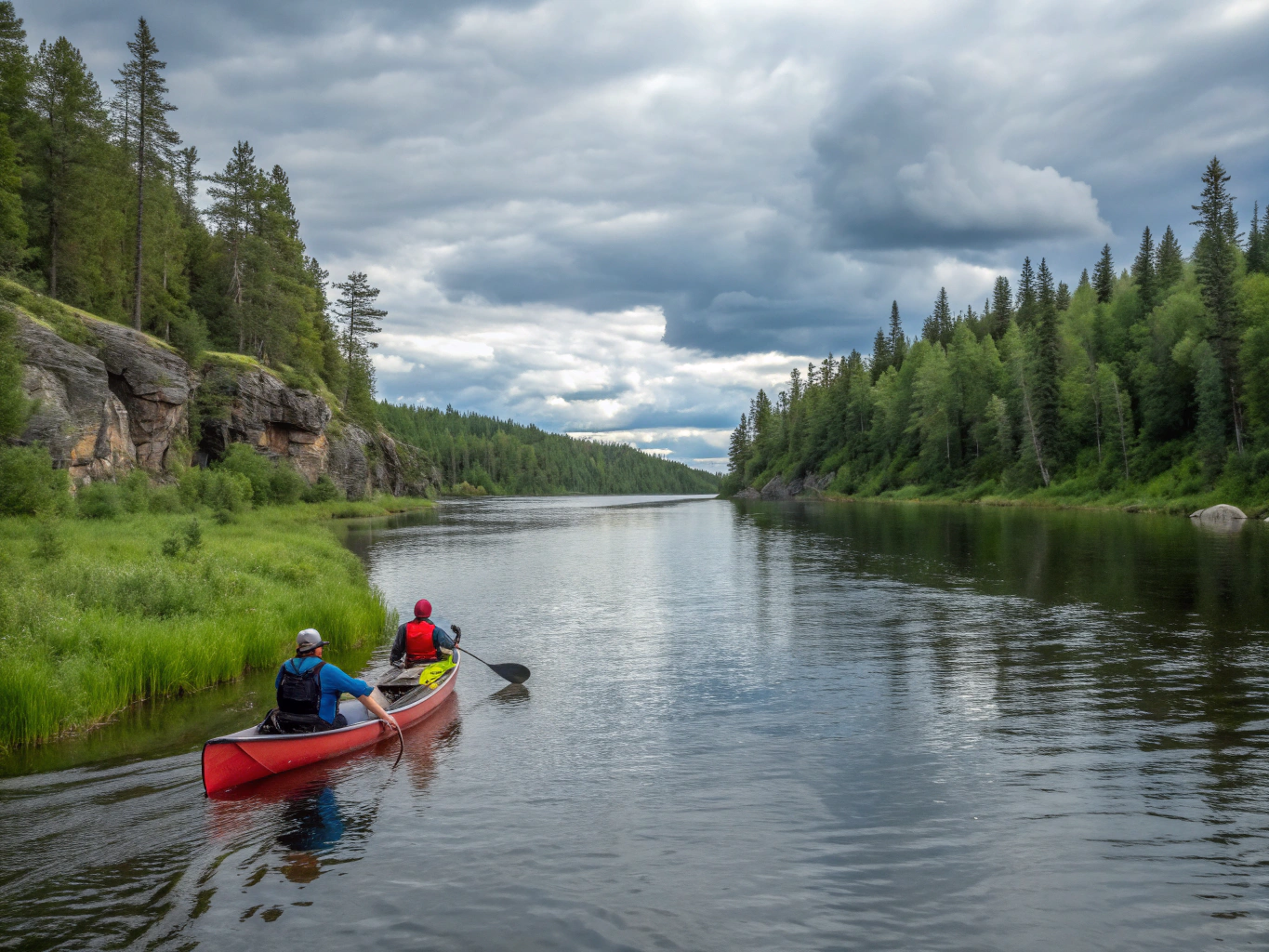
Canoeing on the Ounasjoki River
⏱️ 4 hoursModerate
Explore the untouched nature of Lapland on a canoe trip on the Ounasjoki River. Enjoy the silence and the vastness of the landscape. Various providers offer guided canoe tours. Suitable for beginners and advanced paddlers.
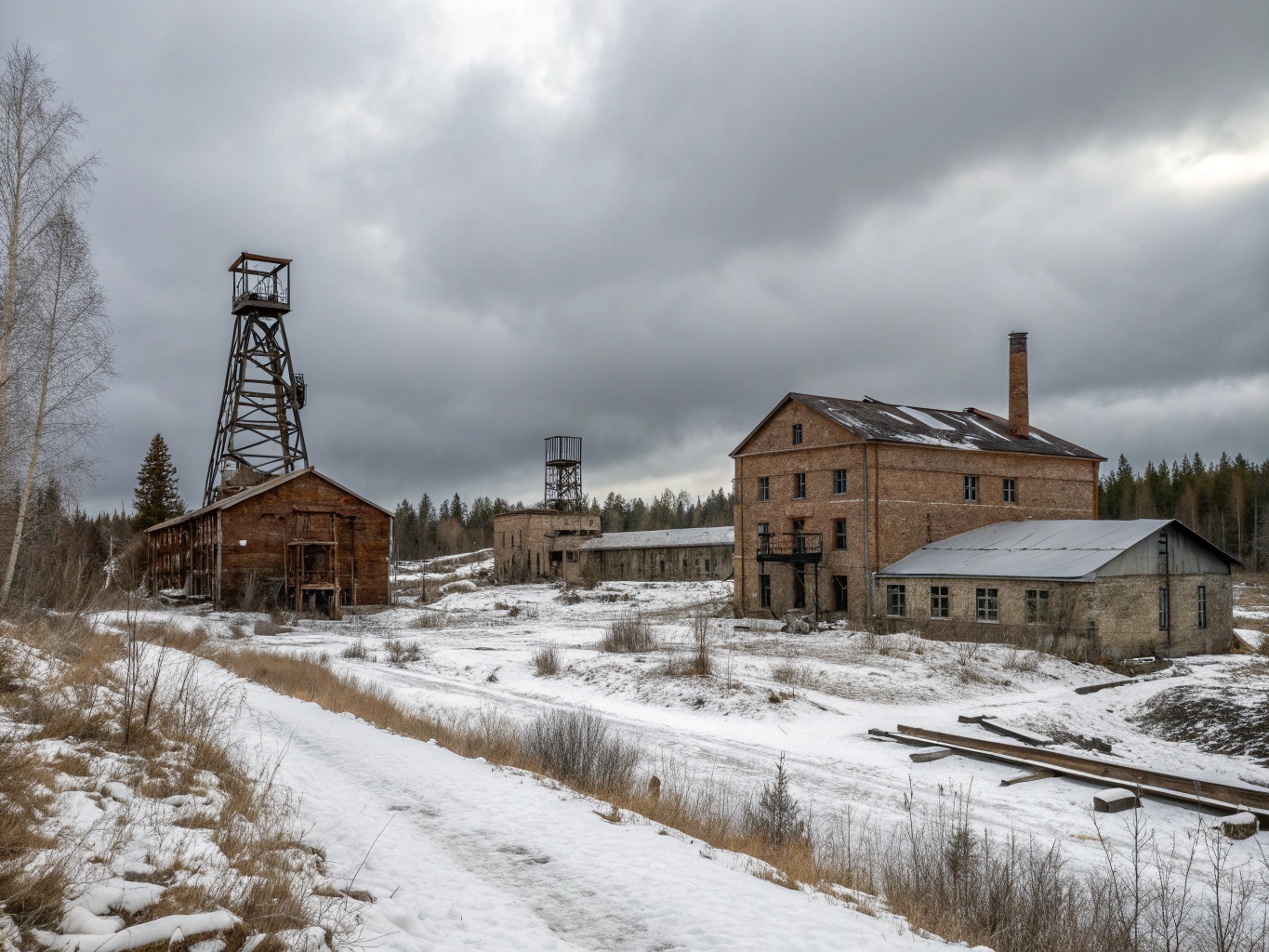
Abandoned Gold Mining Town Kultala
⏱️ 3 hoursEasy
Visit the abandoned gold mining town of Kultala, about 50 km from Ivalo. The town was founded in the 19th century and was once the center of the gold rush in Lapland. Today, Kultala is an open-air museum and a fascinating testimony to Lapland's history. Accessible via a gravel road.
Facts & Figures
Camping Region Lappland
- 🌍 Country
- 🇫🇮 Finnland
- 📍 Region
- Finland
- 🏛️ Province
- Lapland
- ☀️ Climate
- Subarctic, short summers, long winters
- 📅 Best Season
- June/July for midnight sun, Sept/March for Northern Lights
- 🌡️ Summer Avg
- 15°C
- 🌸 Spring Avg
- 5°C
- 🏕️ Campsites
- ~150
- ✈️ Airport
- Rovaniemi (RVN)
- 🚌 Public Transport
- Buses, trains (limited)
- 🌧️ Rainy Days
- 150 days
- 🚗 From Munich
- Approx. 28 hrs / 2700 km via A7 and E4
- 🚗 From Hamburg
- Approx. 24 hrs / 2300 km via E4
- 💰 Price Level
- €€€ Expensive, but worth every cent
- 🐕 Dogs
- Good. Many hiking trails and campsites allow dogs, but observe leash requirements.
- 🎯 Suitable For
- Adventure seekersNature loversPeace seekers
🚦 Occupancy by Month
Jan
Feb
Mar
Apr
May
Jun
Jul
Aug
Sep
Oct
Nov
Dec
Quiet Moderate Busy Crowded
 Rent Camper Lappland
 Campsites Lappland