


🌿 Natur & Wildnis👨👩👧👦 Familien
Camping Guide | Waldviertel
Discover the silent expanse
Österreich, 🇦🇹 Oesterreich
Camping Guide | Waldviertel
The clear air brushes over gentle hills, mixed with the scent of pine and damp earth. In the Waldviertel, a region in northern Austria, clocks tick slower. Here you will find peace and relaxation far away from mass tourism. Camping Waldviertel offers you the opportunity to experience untouched nature up close, whether hiking through dense forests, exploring historic towns, or enjoying regional specialties. Unlike in the Alps, gentle hills, wide fields, and mysterious moors dominate here. Those looking to escape the hustle and bustle will find their personal paradise on a camping holiday in the Waldviertel.
💡You'll find more cows than tourists here.
The Region in Detail
Your comprehensive travel guide for camping Waldviertel.
Location & Arrival in the Waldviertel
The Waldviertel extends across the northwestern part of Lower Austria and borders the Czech Republic. It is one of the four quarters of Lower Austria, the others being the Mostviertel, Industrieviertel, and Weinviertel. The region is characterized by gentle hills, extensive forests, idyllic ponds, and striking granite formations.
Various routes are available for arrival by car. From Munich, the best way to reach the Waldviertel is via the A9 towards Nuremberg and then via the A3 and A8 to Linz. From there, follow the A7 and later the B310 into the Waldviertel. The journey takes about 5 hours, covering a distance of around 450 kilometers. An alternative route goes via Salzburg and Linz. Those starting from Hamburg take the A7 heading south, switch to the A9, and then follow the route described above from Nuremberg. This route is about 850 kilometers long and takes around 9 hours. Coming from Vienna, you drive via the A22 and the B4 into the Waldviertel; the travel time is about 1.5 hours.
The Waldviertel is also accessible by train. From Vienna, there are regular train connections to Gmünd and Horn, two of the larger towns in the Waldviertel. From there, you can reach your destination using regional bus lines. However, bus connections are not very frequent, so it is recommended to check the schedules in advance. The nearest international airport is Vienna International Airport (VIE). From there, you can continue your journey to the Waldviertel by train or rental car. The drive takes about 1.5 hours.
Within the Waldviertel, it is best to get around by car or bicycle. The road network is well-developed, although some roads are winding and narrow. For cyclists, there are numerous bike paths leading through the varied landscape. However, some routes are demanding and require good physical condition. While public transport is available, it is not comprehensive, so having your own vehicle is an advantage. Taxis are also an option, though they can be expensive in rural areas. Some campsites also offer a shuttle service to nearby attractions.
Overview of the Sub-regions
The Waldviertel can be roughly divided into several sub-regions, each with its own character and charm. In the north, near the Czech border, lies the Gmünder Waldviertel, known for its glass and textile industries. Here you will find historic towns like Gmünd and Weitra with their charming old towns and numerous museums. The region is ideal for culture lovers and history buffs. Active vacationers can explore the numerous hiking and cycling trails that lead through the gentle hills and forests.
In the east lies the Horner Waldviertel, shaped by the district capital of Horn. Agricultural land and small villages dominate here. The region is known for its culinary specialties, such as poppy seed pastries (Mohnzelten) and carp. Families feel particularly at home here, as there are numerous farms and petting zoos. The Ottenstein reservoir also offers diverse leisure opportunities, such as swimming, boating, and fishing.
The central Waldviertel around Zwettl is the heart of the region. Here you will find Zwettl Abbey, a Cistercian monastery and one of Austria's most significant monasteries. The region is characterized by dense forests and mystical moors. Hikers and nature lovers will get their money's worth here. The Blockheide Nature Park with its bizarre granite formations is particularly worth seeing.
In the south of the Waldviertel lies the Kamptal, famous for its excellent wines. Numerous wineries line up here, inviting you to tastings and cellar tours. The region is ideal for gourmets and foodies. Culturally, the Kamptal also has much to offer, such as the Gars am Kamp castle ruins and the Waldviertel Art Museum.
No matter which sub-region you choose, the Waldviertel offers something for every taste. Whether culture, nature, or culinary delights, you can spend a varied and relaxing camping holiday here. The hospitality of the locals and the untouched nature make the Waldviertel an unforgettable destination. Many campsites are ideally located for exploring the different regions.
Camping in the Waldviertel: What to Expect?
The camping landscape in the Waldviertel is diverse and offers the right pitch for every taste and budget. In total, there are about 30 campsites in the region, differing in size, facilities, and location. You will find both large resort sites with extensive leisure facilities and small, nature-oriented sites ideal for those seeking peace and quiet.
Large resort sites often offer amenities such as pools, restaurants, supermarkets, and animation programs. They are particularly popular with families with children. Smaller campsites, on the other hand, score points with their quiet location and proximity to nature. Here you can unwind and enjoy the untouched landscape. Agritourism/farm camping is also a popular option in the Waldviertel. Here you can experience rural life up close and buy regional products directly from the producer. Many farms also offer pitches for motorhomes and caravans.
Prices for a pitch in the Waldviertel vary depending on the season, the size of the site, and its facilities. In the high season (July/August), you should expect prices between 20 and 30 euros per night for a pitch. In the low season (May/June and September/October), prices are often significantly lower, sometimes under 20 euros per night. Often, prices for electricity, water, and showers are charged extra. Therefore, inform yourself in advance about the exact costs.
Typical pitches in the Waldviertel are between 80 and 120 square meters in size. Many sites offer both sunny and shady pitches, so you can choose according to your needs. Most pitches are equipped with electricity connections, some also with water and wastewater connections. The sanitary standard at campsites in the Waldviertel is generally good. Most sites have clean sanitary facilities with showers, toilets, and sinks. Often there are also washing machines and dryers for communal use. Wi-Fi quality varies. On some sites, Wi-Fi is available for free, while on others, you have to pay for it. The power supply is usually sufficient (6-10 amps).
A reservation is recommended, especially in the high season, as the most popular campsites are often fully booked. However, there are always last-minute opportunities, especially in the low season. Some campsites also offer online booking systems, so you can conveniently reserve your pitch from home.
Practical Information for Campers
A toll fee must be paid for driving on Austrian motorways and expressways. You need a vignette, which you can purchase at gas stations, rest areas, or online. The cost for a 10-day vignette is approximately 9.60 euros (as of 2023). For longer stays, there are also 2-month and annual vignettes. On some routes, such as the A9 Pyhrn motorway, additional route tolls apply. Payment is made either in cash or by credit card at the toll booths.
Gas stations in the Waldviertel are well-signposted and generally open from 7 AM to 8 PM. On motorways and expressways, there are also 24-hour gas stations. The diesel price in Austria is slightly higher than in Germany but is generally within the European average.
You can shop in the Waldviertel at numerous supermarkets, such as Lidl, Eurospar, and Billa. Opening hours are mostly from 8 AM to 7 PM, with some supermarkets open until 8 PM. Most supermarkets are closed on Sundays, but there are often bakeries and gas stations that offer a small range of groceries.
The supply of gas cylinders can be somewhat problematic in the Waldviertel, as not all German gas cylinders can be exchanged. It is recommended to bring an adapter or to find out about exchange options locally. Some campsites also offer the possibility to rent gas cylinders.
For the disposal of wastewater and chemical toilets, most campsites have corresponding disposal stations. Some rest areas on motorways and expressways also have disposal facilities. Wild disposal is prohibited and can be punished with high fines.
Mobile network coverage in the Waldviertel is generally good, but there may be restrictions in some remote areas. The roaming situation within the EU is unproblematic, as you can use your phone under the same conditions as in your home country.
Medical care in the Waldviertel is good. There are several hospitals and numerous doctors and pharmacies. In an emergency, you can reach the rescue service at the telephone number 144. The nearest hospital is located in Horn, Zwettl, or Gmünd.
Camping regulations: Wild camping is generally prohibited in the Waldviertel and can be punished with high fines. There are also some nature reserves where camping is strictly forbidden. Inform yourself in advance about the applicable regulations. There are no environmental zones.
The drinking water in the Waldviertel is of high quality and can be drunk without hesitation.
Insider Knowledge & Secret Tips
The Waldviertel often reveals its true beauty only at second glance. Away from the well-known tourist paths, there are numerous secret tips and hidden treasures to discover. A particular advantage of the low season (May/June and September/October) is the peace and the lower number of tourists. You can enjoy nature to the fullest and have the sights almost to yourself. In addition, prices for campsites and accommodation are often significantly cheaper in the low season.
A less well-known place is the Thayatal National Park, which stretches along the Thaya River. Here you can explore untouched nature on numerous hiking trails and observe rare animal and plant species. Particularly impressive is Hardegg Castle, which towers high above the Thaya. It is located about 15 km south of Drosendorf and can be reached via the B30.
For lovers of local products, a visit to one of the numerous weekly markets in the Waldviertel is recommended. Here you can buy regional specialties such as poppy seed pastries, carp, and pumpkin seed oil directly from the producer. A particularly beautiful weekly market takes place every Friday in Zwettl. The market is located on the main square and is easy to find.
A culinary secret tip is the restaurant "Zum schwarzen Bären" in Horn. Traditional Waldviertel dishes with modern influences are served here. The game ragout with dumplings is particularly recommended. The restaurant is located at Wiener Straße 8 and is very popular with locals.
A worthwhile day trip leads to Altenburg Abbey, a Benedictine monastery with an impressive Baroque library. The abbey is located about 20 km south of Horn and can be reached via the B4. The drive takes about 30 minutes. Admission is approx. 10 euros.
Another highlight is the Nordwald Nature Park, which extends in the northern Waldviertel. Here you can explore untouched nature on numerous hiking trails and observe rare animal and plant species. The Lainsitz reservoir, which invites you to swim and boat, is particularly worth seeing.
Don't forget to try the regional specialties! In addition to poppy seed pastries and carp, you should definitely taste the Waldviertel beer and regional wine. Numerous "Heurige" and wine taverns invite you to tastings.
Most locals visit the Gasthaus Weinstube Schubert in Krems. It is located at Körnermarkt 9. It is known for its local food and wines. The atmosphere is friendly and relaxed.
Experiences & Activities: Waldviertel
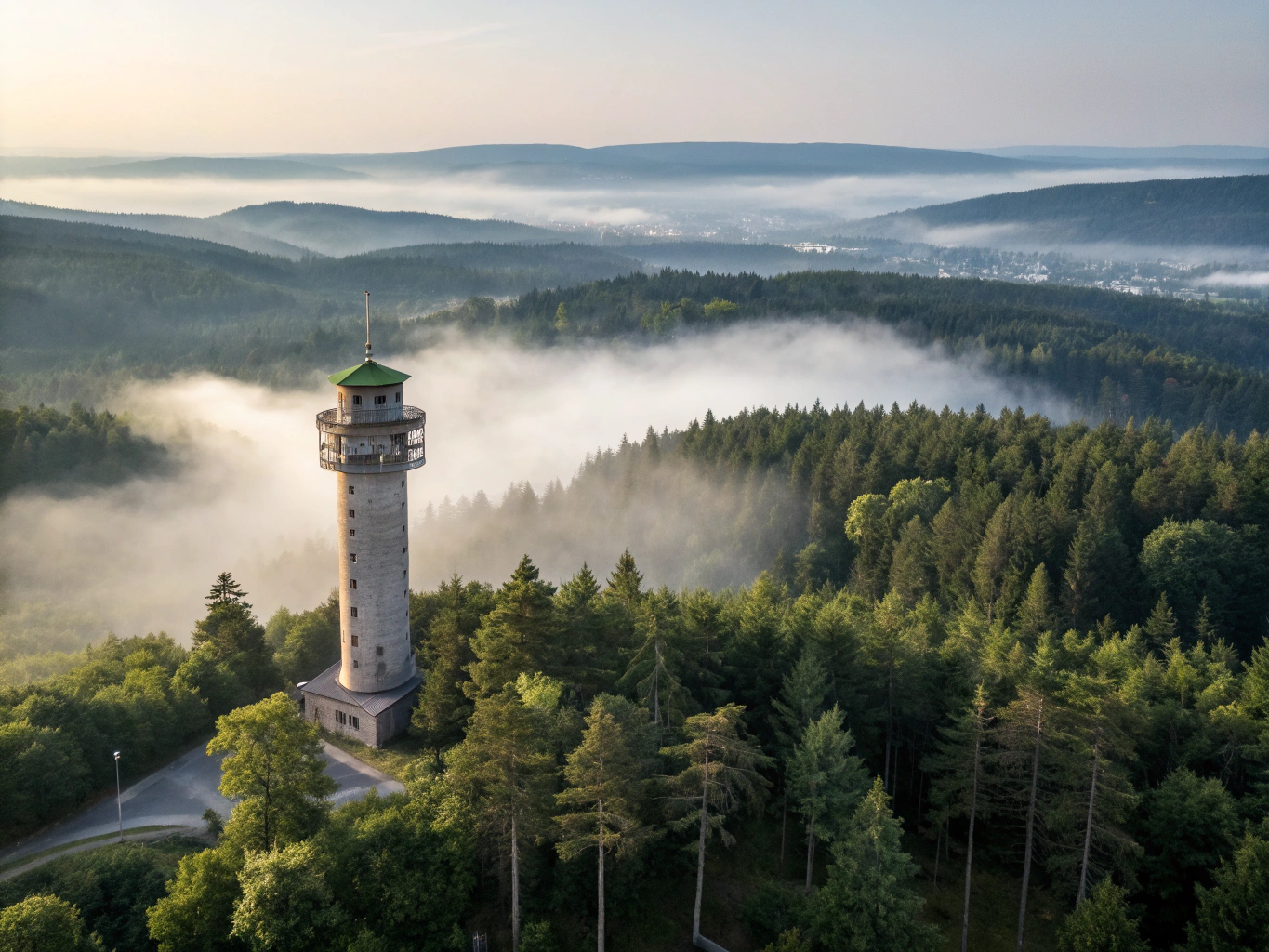
Nebelstein Observation Tower
⏱️ 2-3 hoursModerate
Climb the Nebelstein, the highest mountain in the Waldviertel, and enjoy a breathtaking panoramic view over the entire region. On a clear day, the view extends as far as the Alps. An unforgettable experience!
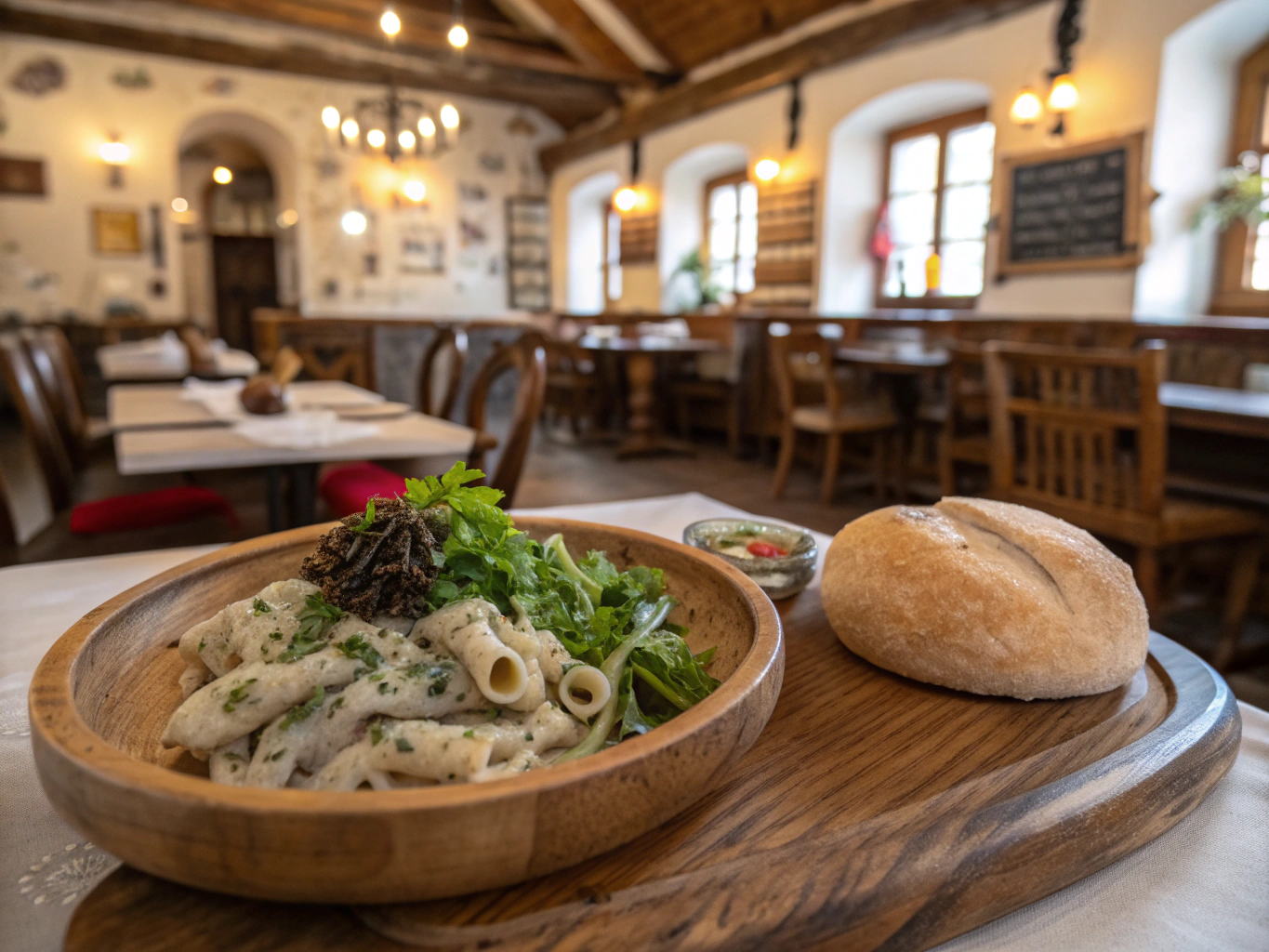
Poppy Noodles at Gasthaus Ottenschläger
⏱️ 1-2 hoursEasy
Try the famous poppy noodles (Mohnnudeln) at Gasthaus Ottenschläger in Arbesbach. The inn is known for its traditional Waldviertel cuisine, and the poppy noodles are an absolute must for every visitor.
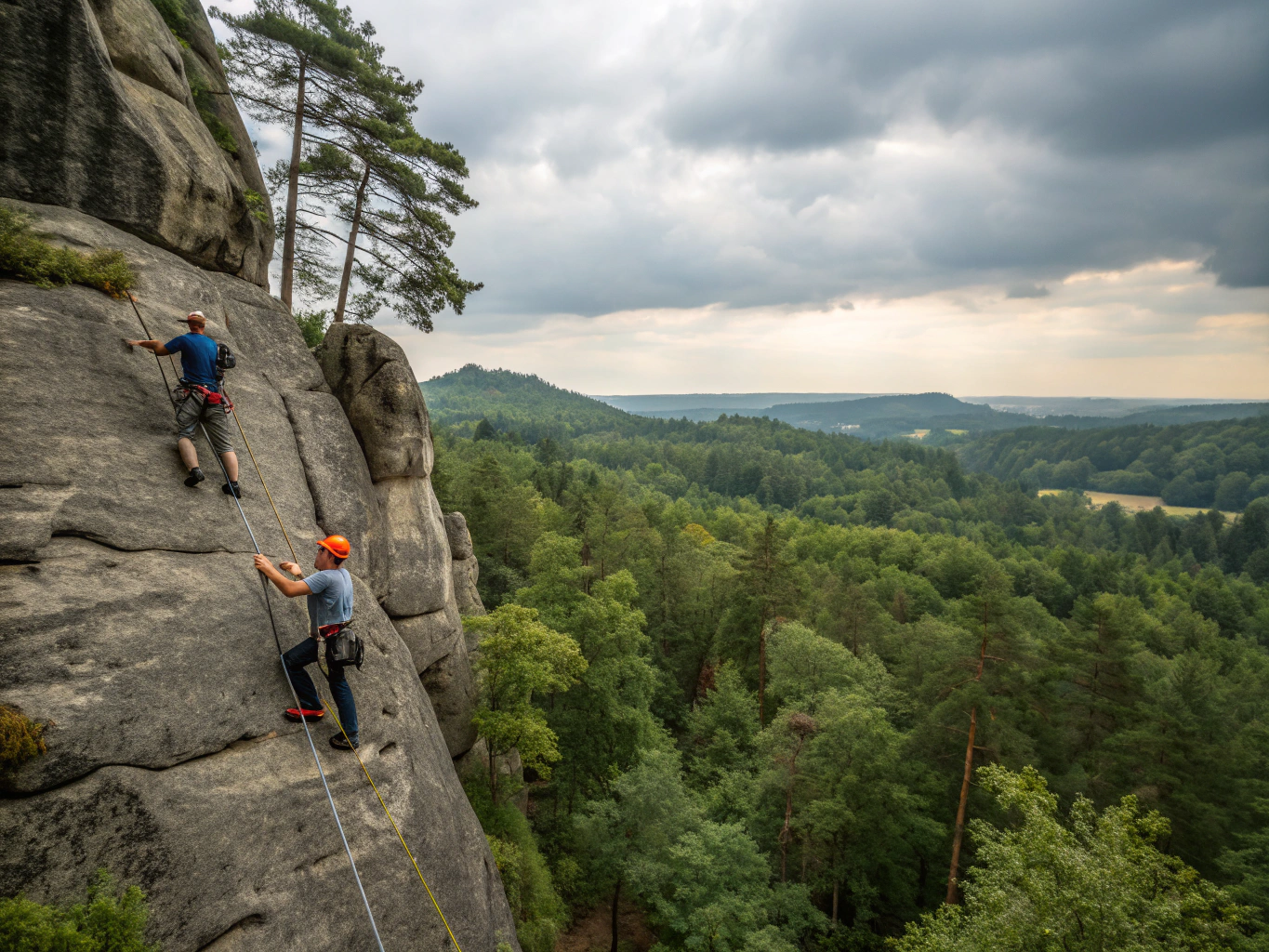
Climbing in the Blockheide Nature Park
⏱️ 3-4 hoursChallenging
Experience an adventure in the Blockheide Nature Park and climb on the bizarre granite formations. The park offers numerous climbing routes for beginners and advanced climbers.
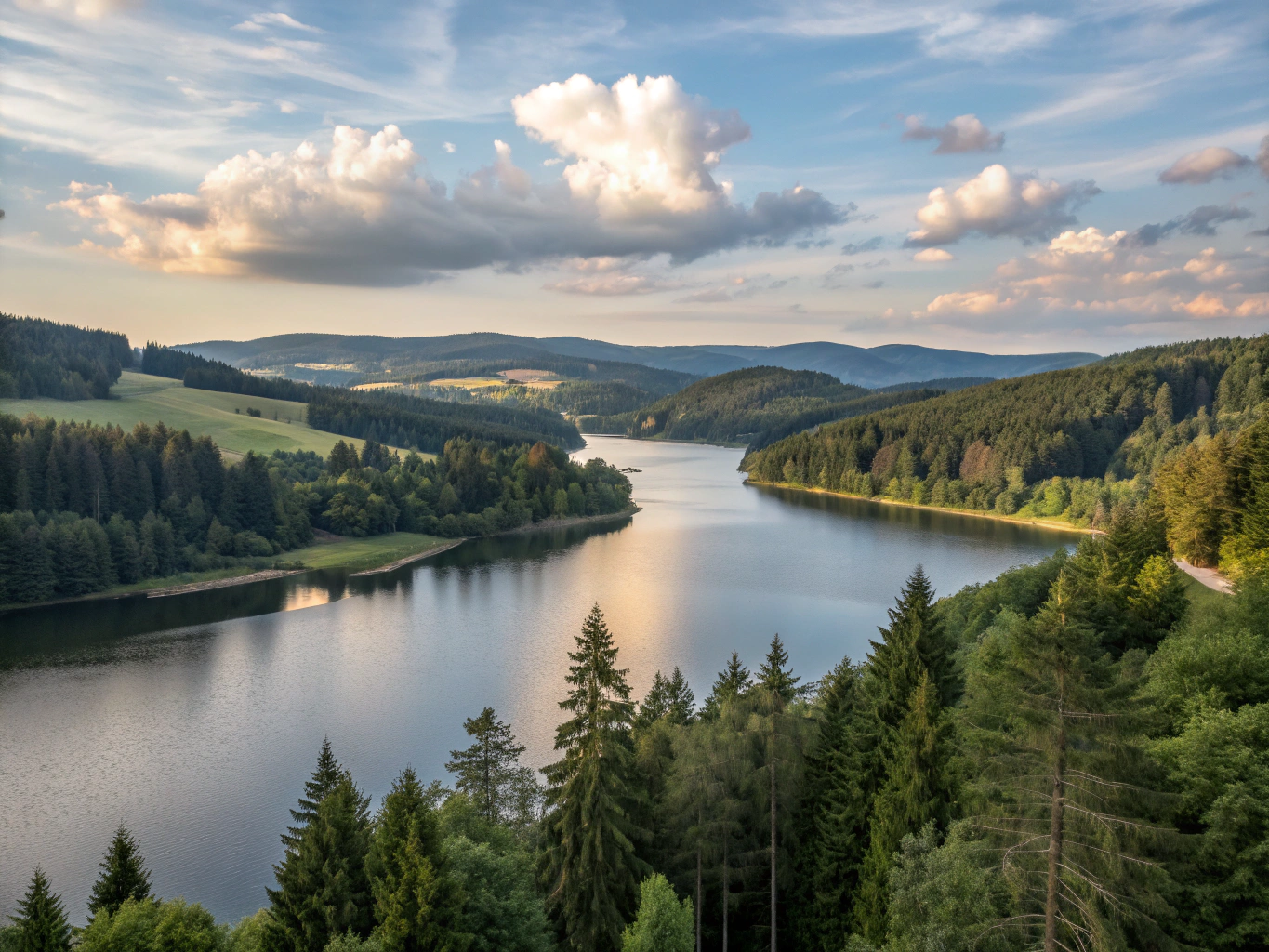
Gars am Kamp Bathing Pond
⏱️ full dayEasy
Relax at the bathing pond in Gars am Kamp and enjoy the peace and nature. The pond is a secret tip for all those who want to escape the hustle and bustle.
Facts & Figures
Camping Region Waldviertel
- 🌍 Country
- 🇦🇹 Oesterreich
- 📍 Region
- Lower Austria
- 🏛️ Province
- Waldviertel
- ☀️ Climate
- Temperate continental with warm summers and cold winters.
- 📅 Best Season
- May/June for hiking, July/August for swimming lakes
- 🌡️ Summer Avg
- 25°C
- 🌸 Spring Avg
- 15°C
- 🏕️ Campsites
- ~30
- ✈️ Airport
- Vienna International Airport (VIE), approx. 1.5 hours away.
- 🚌 Public Transport
- Bus connections within the Waldviertel are available but limited.
- 🌧️ Rainy Days
- approx. 10 days per month in summer
- 🚗 From Munich
- 5 hrs / 450 km via A9 and A1
- 🚗 From Hamburg
- 9 hrs / 850 km via A7 and A9
- 💰 Price Level
- €€ / Mid-range level
- 🐕 Dogs
- Top / Dogs are very welcome and find plenty of space to run in nature.
- 🎯 Suitable For
- Peace seekersNature loversFamilies
🚦 Occupancy by Month
Jan
Feb
Mar
Apr
May
Jun
Jul
Aug
Sep
Oct
Nov
Dec
Quiet Moderate Busy Crowded
 Rent Camper Waldviertel
 Campsites Waldviertel