


🌿 Natur & Wildnis👨👩👧👦 Familien
Camping Guide | Vorarlberg
Your camping holiday in Vorarlberg
Österreich, 🇦🇹 Oesterreich
Camping Guide | Vorarlberg
Imagine waking up to the scent of fresh mountain grass and the gentle sound of a mountain stream in your ears. Camping in Vorarlberg means experiencing the alpine beauty of Austria up close. Between majestic peaks and glittering lakes, this region offers a unique combination of nature experiences and cultural discoveries. Unlike overcrowded holiday regions, here you will still find authentic hospitality and untouched landscapes.
Vorarlberg is an ideal destination for everyone who wants to escape everyday life and enjoy the freedom of camping life to the fullest. But be warned: anyone who has experienced the clear mountain air and the warm atmosphere always comes back.
💡Real mountains, real experiences – no tourist traps.
The Region in Detail
Your comprehensive travel guide for camping Vorarlberg.
Location & Arrival in Vorarlberg
Vorarlberg, Austria's westernmost federal state, borders Germany, Switzerland, and Liechtenstein. The region is characterized by the foothills of the Alps and Lake Constance. For campers, the journey is very straightforward.
By car, you can reach Vorarlberg from Munich in about 3 hours via the A96 towards Lindau. Coming from Frankfurt, take the A5 and A8; the journey takes about 5 hours. Those traveling from Hamburg should plan for about 9 hours via the A7 and A96. Please note that a vignette is mandatory on Austrian motorways. A 10-day vignette costs about €9.60 (as of 2023) and is available at petrol stations and rest areas. The route toll for the Pfänder Tunnel is an additional €5.50.
Vorarlberg is also easily accessible by train. There are regular connections from Munich, Zurich, and Vienna to Bregenz, the capital of Vorarlberg. From there, you can reach many campsites in the region using regional bus lines. The nearest airport is Friedrichshafen (FDH) in Germany, from where there are bus connections to Vorarlberg. Alternatively, Zurich Airport (ZRH) is a good option, from where you can travel to Vorarlberg by train.
Within Vorarlberg, the bus network is well-developed, so you can easily reach many places and campsites. For hikes and excursions into the mountains, we recommend using the numerous cable cars. Cycling is also a popular option for exploring the region, especially along Lake Constance. Some campsites also offer a shuttle service to the nearest train stations or bus stops.
Overview of the Sub-regions in Vorarlberg
Vorarlberg can be roughly divided into five main regions, each with its own charm and character, setting different priorities for your camping holiday.
Lake Constance (Bodensee): This region is ideal for water sports enthusiasts and families. Bregenz, the capital of Vorarlberg, attracts visitors with its lakeside promenade and the Bregenz Festival. In Hard, you will find a beautiful natural beach. Numerous campsites are located directly on the lake or in the immediate vicinity. Families and water sports enthusiasts who enjoy sailing, windsurfing, or simply relaxing on the beach feel particularly at home here. The region also has a lot to offer culturally, such as the Kunsthaus Bregenz or the Rolls-Royce Museum in Dornbirn.
Bregenzerwald: Known for its traditional architecture and rolling hills, the Bregenzerwald is a paradise for hikers and nature lovers. Places like Bezau and Mellau offer numerous hiking trails and mountain bike routes. Here you will find many smaller, nature-oriented campsites. Particularly suitable for couples and those seeking peace and quiet who want to enjoy nature and get to know the traditional culture of the region.
Montafon: This region is characterized by high mountains and deep valleys and is a popular destination for mountaineers and skiers. Places like Schruns and St. Gallenkirch offer a good infrastructure for outdoor activities. There are both large, well-equipped campsites and smaller, idyllic spots. The Montafon is ideal for active travelers who enjoy hiking, climbing, or skiing. Families will also find a wide range of activities here, such as the Montafon Adventure Park.
Brandnertal: Similar to the Montafon, but slightly smaller and more tranquil, the Brandnertal also offers a variety of hiking and mountain bike routes. Brand is the main town in the region. There are a few, but very beautiful campsites here. Particularly suitable for families and nature lovers looking for a quieter alternative to the Montafon.
Klostertal: The Klostertal connects Vorarlberg with Tyrol and is an important transport hub. Places like Klösterle and Lech are known for their exclusive ski resorts. There are also numerous hiking trails here in summer. The campsites tend to be small and simple. Ideal for those passing through and active travelers who want to explore the mountains.
Camping in Vorarlberg: What to Expect?
The camping landscape in Vorarlberg is diverse and offers something for every taste and budget. In total, there are about 80 campsites in the region, many of which are family-run and exude a personal charm.
You will find both large resort sites with pools, entertainment, and extensive leisure facilities, as well as small, nature-oriented sites that are ideal for those seeking peace and quiet. Agritourism/farm camping is also a popular option in Vorarlberg, where you have the opportunity to get to know country life and obtain regional products directly from the producer. For motorhomes, there are special pitches with supply and disposal facilities.
Prices for a pitch vary depending on the season, location, and equipment. In the high season (July/August), you should expect prices between €30 and €50 per night for a pitch for two people. In the low season (May/June, September/October), prices are significantly cheaper and are often between €20 and €35. Many campsites also offer package deals for longer stays.
The size of the pitches also varies, but is usually between 80 and 120 square meters. Many sites offer both shady and sunny pitches, so you can choose according to your needs. The sanitary facilities are generally clean and well-maintained. Wi-Fi is available at most sites, although the quality can vary depending on the location. Electricity connections are standard.
Especially in the high season, it is advisable to book early, as the most popular campsites are often fully booked. Last-minute chances exist mainly in the low season or at smaller, less well-known sites. Many campsites also offer online booking options.
Practical Information for Campers in Vorarlberg
For a relaxed camping holiday in Vorarlberg, it is helpful to know some practical information.
Toll fees: As already mentioned, a vignette is mandatory on Austrian motorways. A 10-day vignette costs about €9.60 (as of 2023). The route toll for the Pfänder Tunnel is an additional €5.50 and can be paid online or on-site.
Petrol stations: Diesel prices in Austria are generally slightly higher than in Germany. Most petrol stations are open from 7 am to 10 pm, some also around the clock. Along the motorways, there are numerous rest areas with petrol stations.
Shopping: In Vorarlberg, there is a good selection of supermarkets, including branches of Billa, Spar, Lidl, and Hofer (Aldi). Opening hours are usually from 8 am to 7 pm, and some supermarkets are also open on Sundays. In the larger towns, there are also weekly markets where you can buy regional products.
Gas supply: German gas cylinders cannot be exchanged in Vorarlberg. You either need an adapter or you must buy an Austrian gas cylinder. Adapters are available in specialist camping shops.
Disposal: Many campsites have disposal stations for greywater and chemical toilets. There are also some disposal stations along the motorways.
Mobile communications: Network coverage in Vorarlberg is good, and roaming charges within the EU do not apply.
Medical care: There are hospitals and pharmacies in the larger towns. The emergency number in Austria is 144.
Rules: Wild camping is generally prohibited in Vorarlberg. There are a few exceptions, such as on private property with the owner's permission. There are no environmental zones in Vorarlberg.
Drinking water: Tap water in Vorarlberg is generally of drinking water quality. However, check locally to ensure this is actually the case.
Insider Knowledge & Secret Tips for Vorarlberg
Away from the well-known tourist paths, there are still many undiscovered treasures to find in Vorarlberg.
An insider tip for the low season (May/June, September/October) is a visit to the Bregenzerwald. At this time, the hiking trails are less crowded and the prices for campsites and accommodation are significantly cheaper. You also have the opportunity to experience traditional alpine farming up close.
A less well-known place is the idyllic mountain village of Damüls in the Bregenzerwald. From here, you can undertake numerous hikes and enjoy the magnificent view. The Körbersee, a small mountain lake near Schröcken, is also worth a visit. It is accessible via a toll road and offers a magnificent backdrop for a hike or a picnic.
For culinary discoveries, you should definitely try the regional specialties. These include Käsknöpfle, a type of spaetzle with cheese, and Riebel, a dish made from corn semolina. Many farms offer direct sales of regional products, such as cheese, sausage, and schnapps. You will also find a large selection of regional products at the weekly markets in the larger towns.
A local festival you shouldn't miss is the Alpfest in Schwarzenberg in September. Here, the ceremonial driving down of cattle from the mountain pastures (Almabtrieb) is celebrated, and there is traditional music, dancing, and culinary specialties.
A day trip that is worthwhile is the trip up the Pfänder, Bregenz's local mountain. From here, you have a magnificent view over Lake Constance and the surrounding mountains. The trip with the Pfänderbahn takes about 10 minutes and costs approx. €14 per person.
A restaurant that is popular with locals is the Gasthaus Krönele in Hittisau in the Bregenzerwald. Here you will find traditional cuisine at fair prices.
Experiences & Activities: Vorarlberg
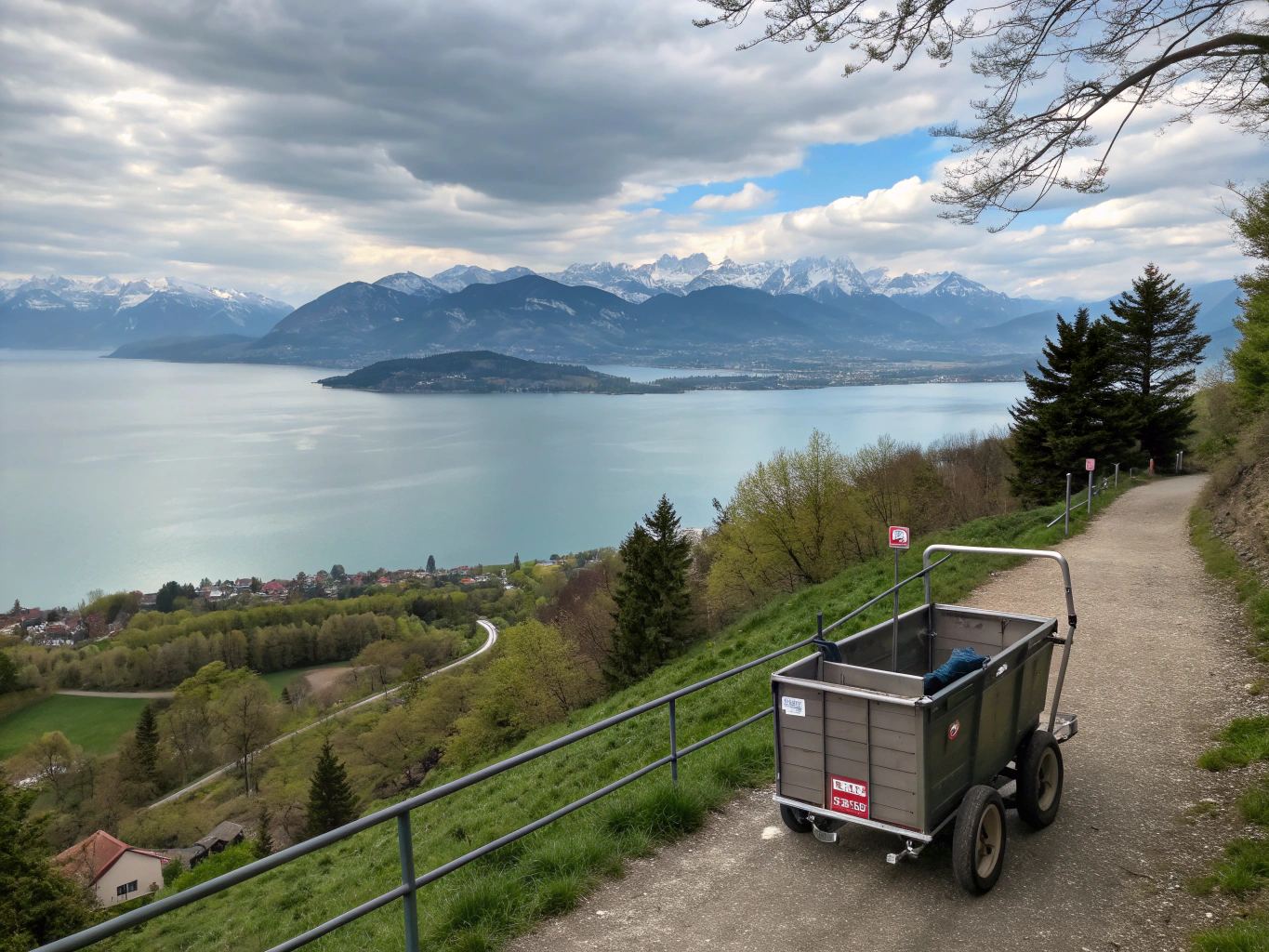
Panoramic View from the Karren
⏱️ 1-2 hoursEasy
Float up to the Karren, Dornbirn's local mountain, by gondola and enjoy the breathtaking view of the Rhine Valley, Lake Constance, and the Swiss Alps. An unforgettable panorama awaits you.
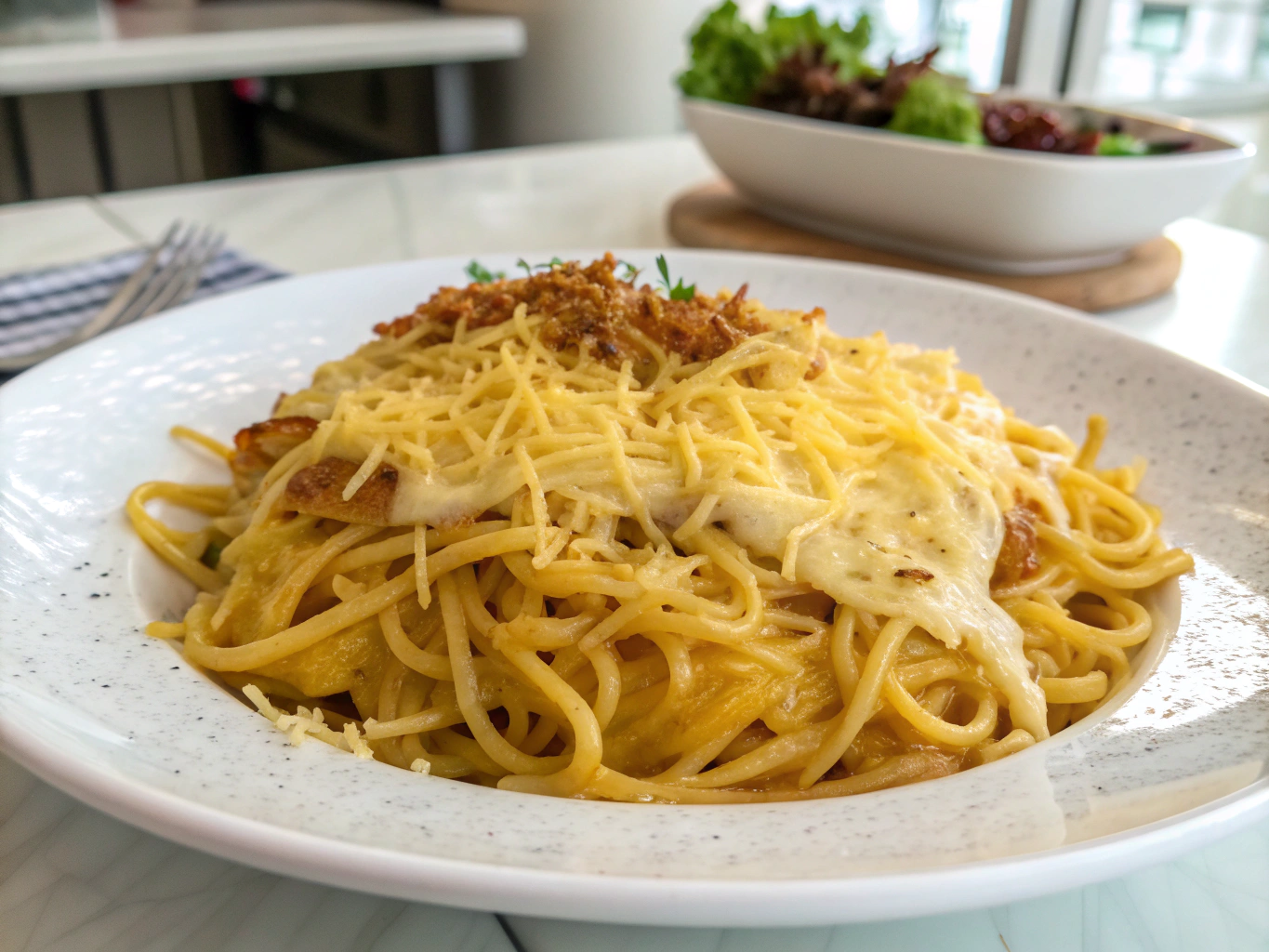
Käsknöpfle in the Bregenzerwald
⏱️ 1 hourEasy
Don't miss the opportunity to try traditional Käsknöpfle in the Bregenzerwald. This typical regional specialty is a culinary highlight and a must for every visitor.
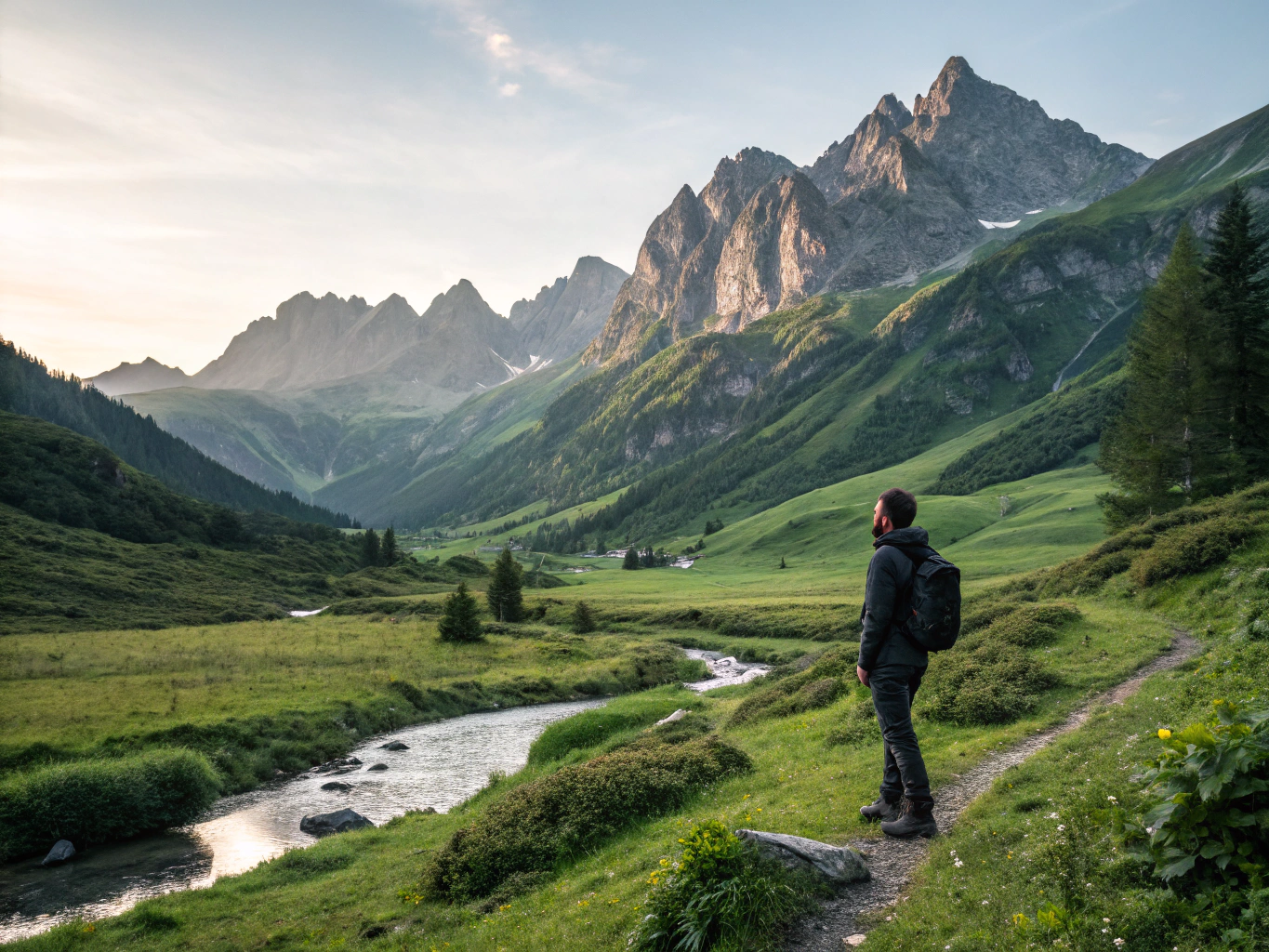
Hiking in the Montafon
⏱️ variableModerate
Explore the impressive mountain world of the Montafon on numerous hiking trails. Whether leisurely walks or demanding summit tours – every hiker will find the right route here.
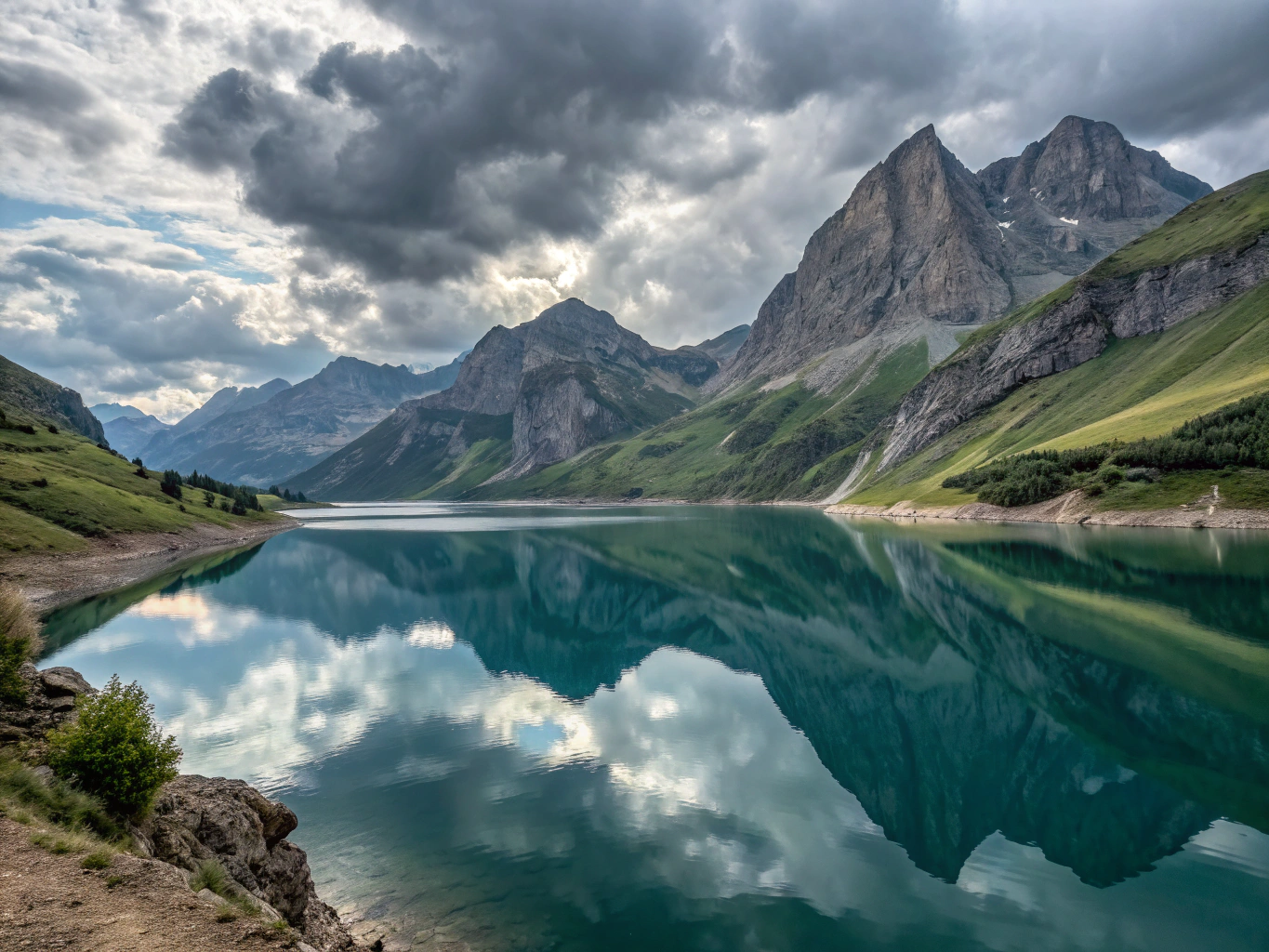
Insider Tip: Lünersee
⏱️ 2-3 hoursEasy
Escape the hustle and bustle and discover the idyllic Lünersee. This mountain lake, surrounded by steep rock faces, is a true insider tip for nature lovers and those seeking peace. Accessible via the Lünerseebahn.
Facts & Figures
Camping Region Vorarlberg
- 🌍 Country
- 🇦🇹 Oesterreich
- 📍 Region
- Vorarlberg
- 🏛️ Province
- Vorarlberg
- ☀️ Climate
- Alpine climate with warm summers and cool winters
- 📅 Best Season
- May/June for hiking, July/August for swimming lakes
- 🌡️ Summer Avg
- 25°C
- 🌸 Spring Avg
- 15°C
- 🏕️ Campsites
- ~80
- ✈️ Airport
- Friedrichshafen Airport (FDH), Switzerland Zurich Airport (ZRH)
- 🚌 Public Transport
- Well-developed bus network, some train connections
- 🌧️ Rainy Days
- 12
- 🚗 From Munich
- 3 hrs / 250 km via A96
- 🚗 From Hamburg
- 9 hrs / 850 km via A7/A96
- 💰 Price Level
- €€
- 🐕 Dogs
- Top
- 🎯 Suitable For
- Active travelersNature loversFamilies
🚦 Occupancy by Month
Jan
Feb
Mar
Apr
May
Jun
Jul
Aug
Sep
Oct
Nov
Dec
Quiet Moderate Busy Crowded
 Rent Camper Vorarlberg
 Campsites Vorarlberg