


🌿 Natur & Wildnis👨👩👧👦 Familien
Camping Guide | Vesturland
Discover the wild beauty
Island, 🇮🇸 Island
Camping Guide | Vesturland
The salty sea breeze mingles with the scent of blooming heather. Welcome to Vesturland, a region of Iceland characterized by its impressive diversity. Rugged coastlines, majestic glaciers, and steaming lava fields shape the landscape. Here, you can experience camping in Vesturland away from the major tourist crowds and immerse yourself in authentic Icelandic nature. Enjoy the freedom and primality that make this region so unique.
💡Vesturland is raw, untamed, and not for fair-weather campers.
The Region in Detail
Your comprehensive travel guide for camping Vesturland.
Location & Arrival in Vesturland
Vesturland is located in western Iceland and stretches along the Snæfellsnes and Reykjanesskagi peninsulas. The region is known for its diverse landscape, ranging from glaciers and lava fields to picturesque coasts.
Arrival in Vesturland is usually via Keflavík International Airport (KEF), about 50 km southwest of Reykjavik. From there, you can continue to Vesturland by rental car or bus.
By rental car, you can reach Vesturland from Keflavík via the Ring Road (Route 1). The drive to Borgarnes, the largest town in Vesturland, takes about 1.5 hours. The roads in Vesturland are mostly well-developed, but some routes, especially in the highlands, are only passable with 4WD vehicles. In winter, road conditions can be difficult due to snow and ice.
An alternative arrival option is the Strætó bus line, which connects Reykjavik with the larger towns in Vesturland. The buses run several times a day, but travel times are longer than by car. Within Vesturland, there is a limited bus network that does not reach all locations.
From Reykjavik, you can reach Borgarnes by car in about 1 hour and 15 minutes via Route 1. From Akureyri in northern Iceland, the drive takes about 4 hours via Route 1. Those arriving from eastern Iceland should expect a travel time of at least 6-8 hours, also via the Ring Road.
Within Vesturland, it is best to move around with your own vehicle to flexibly explore remote locations and natural wonders. There is also the option to rent bicycles to explore the region on two wheels, especially on the Snæfellsnes peninsula. The ferry Baldur connects Stykkishólmur on the north side of Snæfellsnes with Brjánslækur in the Westfjords and offers an alternative travel option.
Overview of Vesturland's Sub-regions
Vesturland can be roughly divided into three main regions: the Snæfellsnes peninsula, the region around Borgarfjörður, and the coastal region along Breiðafjörður.
The Snæfellsnes peninsula, often referred to as "Iceland in miniature," is known for its diverse landscape. Here you will find the iconic Snæfellsjökull volcano, black sand beaches, rugged cliffs, and charming fishing villages. Places like Arnarstapi, Hellnar, and Stykkishólmur invite you to linger. Snæfellsnes is ideal for nature lovers, hikers, and photographers.
The region around Borgarfjörður, east of Snæfellsnes, is characterized by rolling hills, green meadows, and numerous rivers. Borgarnes is the regional center and offers good infrastructure with supermarkets, restaurants, and accommodation. Nearby are the impressive Hraunfossar and Barnafoss waterfalls, as well as the Deildartunguhver hot spring. Borgarfjörður is particularly suitable for families and peace seekers.
The coastal region along Breiðafjörður, north of Snæfellsnes, is characterized by its jagged coastline and countless small islands. Here you can take boat trips to observe the rich birdlife or go fishing. Places like Grundarfjörður and Ólafsvík offer charming accommodation and restaurants. The region is ideal for birdwatchers, anglers, and adventurers.
In the south of Vesturland, near the capital Reykjavik, lies the Reykjanesskagi region. This peninsula is volcanically active and offers a fascinating landscape of lava fields, geothermal areas, and crater lakes. The town of Reykjanesbær serves as an important hub with good connections to Keflavík International Airport. The region is perfect for a first or last impression of Iceland.
Although Vesturland does not have a classic division into north, south, east, or west shores, the region can be viewed along the coastline. The north coast of the Snæfellsnes peninsula offers wind-sheltered bays and picturesque fishing villages, while the south coast is rougher and more exposed. The east coast, along Borgarfjörður, is characterized by green meadows and rivers, while the west coast, along Breiðafjörður, has a jagged coastline with countless islands. Each of these coastal sections has its own charm and offers different experiences for campers.
Camping in Vesturland: What to Expect?
The Camping landscape in Vesturland is characterized by small, nature-oriented sites. Large resort-style sites with pools and animation are the exception here. Instead, you will find simple but well-equipped pitches in the midst of breathtaking Icelandic nature.
The number of campsites in Vesturland is manageable but sufficient to explore the region. Many sites are located near sights or offer direct access to hiking trails. There are also some farm campsites that offer an authentic experience.
Prices for a pitch vary depending on the season and facilities. In the high season (June to August), you should expect to pay about €20 to €30 per night for a pitch. In the low season (May and September), prices are often slightly lower, around €15 to €25 per night. Most sites offer electricity hookups for an additional fee.
The size of typical pitches varies. Some sites offer generous plots, while others are rather small and simple. Many sites are non-parceled, so you can choose your pitch freely. Most sites offer both sunny and shady spots.
The infrastructure at the campsites is generally good. Sanitary facilities are clean and well-maintained, but not always luxurious. Many sites also offer a kitchen, a common room, and Wi-Fi. However, the quality of the Wi-Fi can vary, especially at remote sites. The power supply is usually sufficient, but you should check in advance how many amperes are available.
It is advisable to reserve your pitch in advance during the high season, especially if you prefer a specific site. In the low season, there are often last-minute opportunities, but you should be prepared for limited selection. Some sites also offer the option to book online.
Practical Information for Campers in Vesturland
In Iceland, there are no general tolls for road use. However, some tunnels, such as the Hvalfjörður Tunnel north of Reykjavik, are subject to a toll. The fee is approx. 1,000 ISK (approx. €7) and can be paid online or on-site.
Gas stations in Vesturland are well-distributed, especially along the Ring Road (Route 1). Diesel prices are generally slightly higher than in Germany, around €1.80 to €2.00 per liter. Opening hours vary, but most gas stations are open from 7 AM to 10 PM. In remote areas, you should refuel in time.
Shopping opportunities are available in larger towns like Borgarnes, Grundarfjörður, and Ólafsvík. Supermarkets like Bónus, Krónan, and Nettó offer a good selection of food and camping supplies. Opening hours are usually from 10 AM to 6 PM, with some supermarkets staying open longer. On Sundays, opening hours are often restricted.
The supply of gas bottles can be somewhat difficult in Iceland. German gas bottles cannot usually be exchanged directly. You will either need an adapter or you must buy an Icelandic gas bottle. Adapters are available in camping stores.
Disposal stations for chemical toilets and gray water are available at many campsites in Vesturland. Check in advance if your chosen site offers a disposal station.
Mobile network coverage in Vesturland is mostly good, especially in inhabited areas. However, dead zones can occur in remote areas. The roaming situation is usually unproblematic, but you should check with your mobile provider beforehand.
Medical care in Vesturland is good. There are hospitals and pharmacies in the larger towns. In an emergency, you can reach emergency services at 112.
There are strict camping regulations in Iceland. Wild camping is prohibited outside of designated areas. There are no environmental zones in Iceland.
Tap water in Iceland is of excellent quality and can be drunk without hesitation.
Insider Knowledge & Secret Tips for Vesturland
The low season (May/June and September/October) offers several advantages in Vesturland. Prices for accommodation and activities are often lower than in the high season, and the region is less crowded. Additionally, you have the chance to see the Northern Lights in the low season.
A lesser-known place is the Reykjanesskagi peninsula in the south of Vesturland. Here you will find a fascinating landscape of lava fields, geothermal areas, and crater lakes. The peninsula is accessible via Route 425.
At the Erpsstaðir farm, about 20 km north of Búðardalur, you can taste and buy homemade ice cream and cheese. The farm shop is open from June to August.
The Local Food Festival in Ólafsvík takes place every year in August and offers a great opportunity to try local specialties.
A culinary specialty you must try in Vesturland is Plokkfiskur, an Icelandic fish stew. Many restaurants in the region offer Plokkfiskur.
The Narfeyrarstofa restaurant in Stykkishólmur is very popular with locals and offers a good selection of fish dishes and other local specialties.
A worthwhile day trip leads to Kirkjufell, a striking mountain near Grundarfjörður. The drive from Borgarnes takes about 2 hours. At the foot of the mountain are the Kirkjufellsfoss waterfalls, which are a popular photo motif.
Another secret tip is Rauðasandur beach, a red sand beach in the south of the Snæfellsnes peninsula. The beach is accessible via a gravel road and offers a unique landscape.
Experiences & Activities: Vesturland
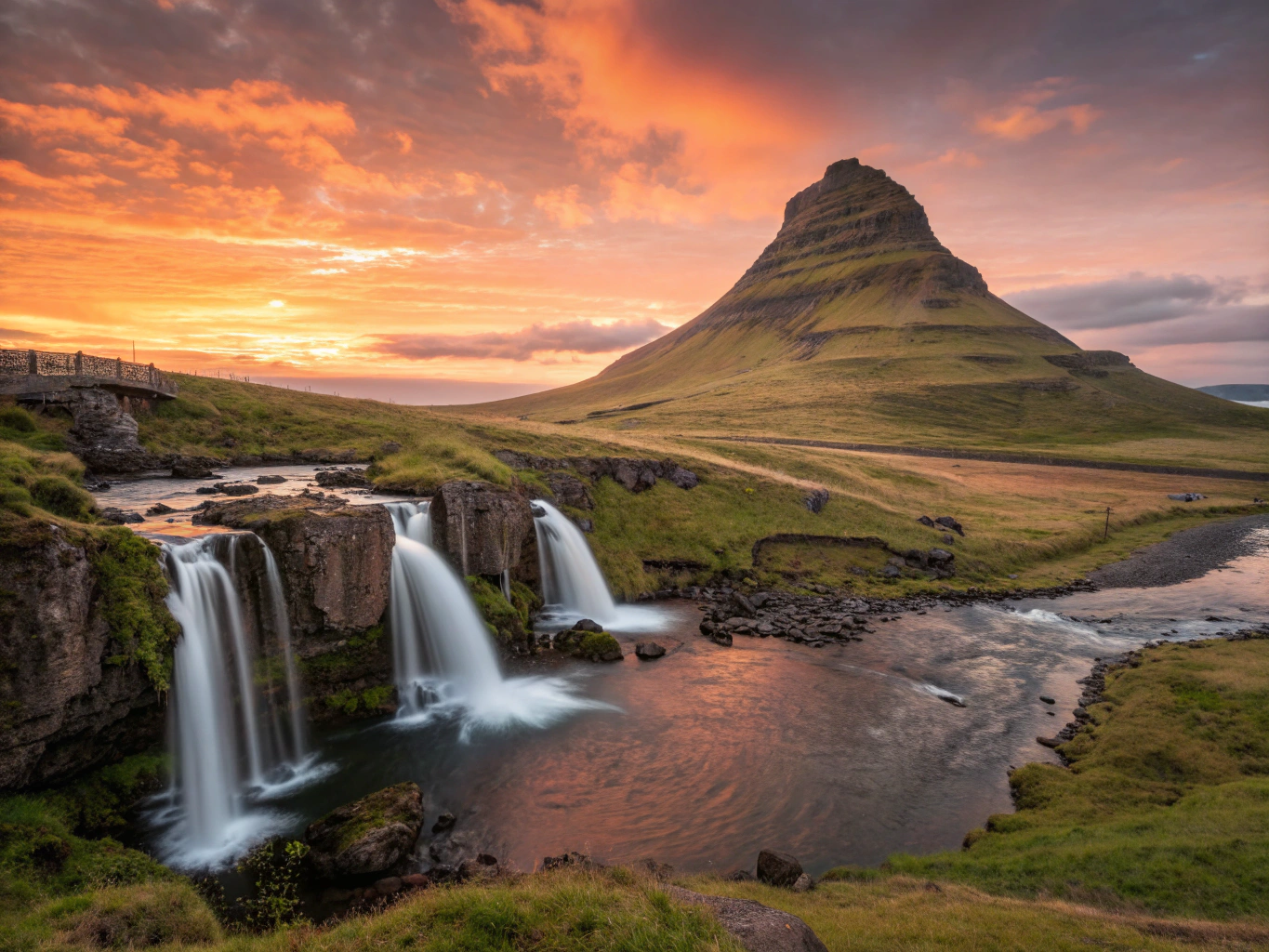
Kirkjufell
⏱️ 1-2 hoursEasy
The striking Kirkjufell mountain with the Kirkjufellsfoss waterfalls is one of Iceland's most famous photo motifs. Enjoy the view of the mountain and the waterfalls, especially at sunrise or sunset. The location is on the north coast of Snæfellsnes, near Grundarfjörður.
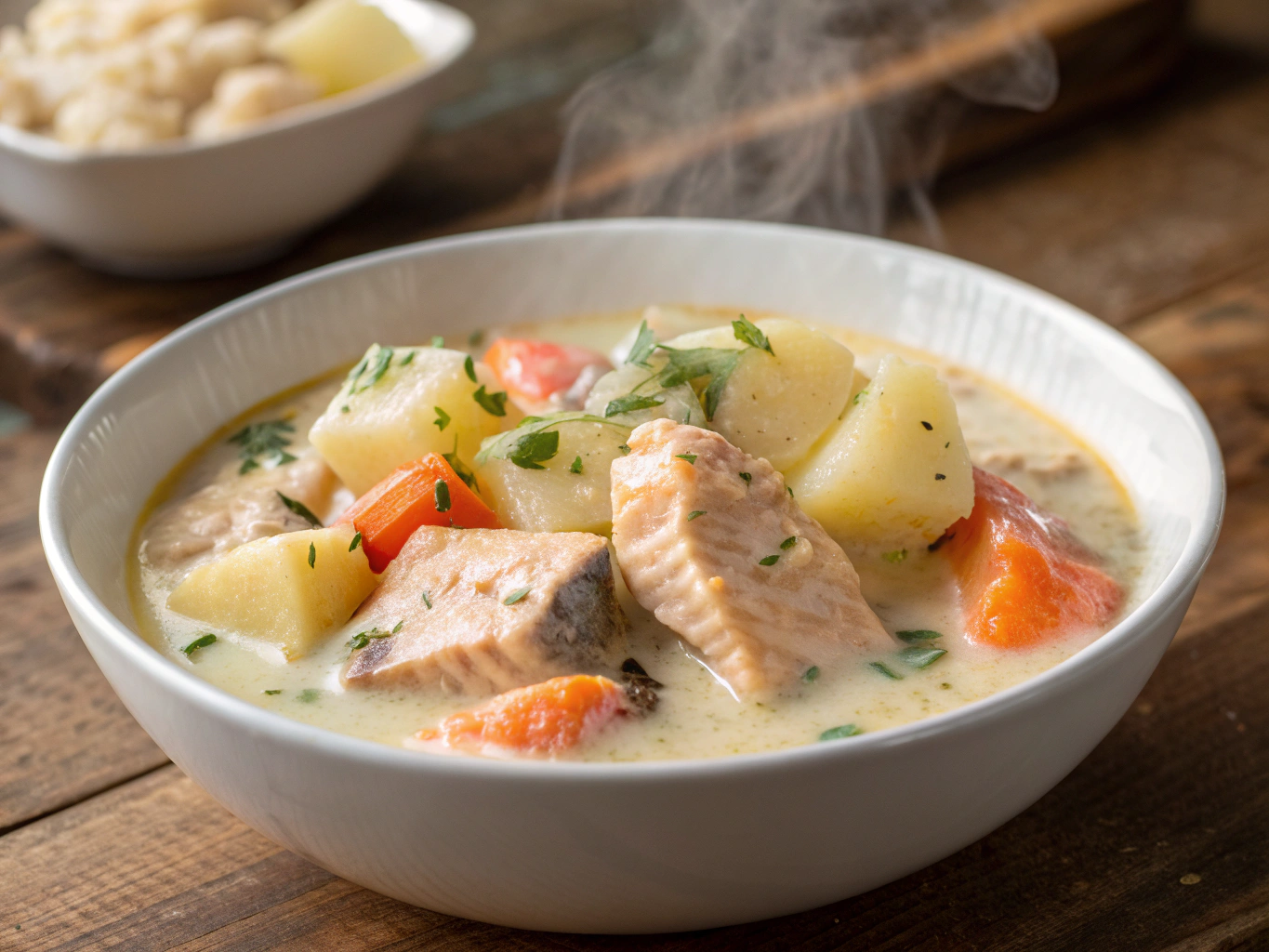
Plokkfiskur
⏱️ 1 hourEasy
Try Plokkfiskur, a traditional Icelandic fish stew offered in many restaurants in Vesturland. The dish consists of fish, potatoes, onions, and a creamy sauce. Look for a local restaurant in Borgarnes or Stykkishólmur.
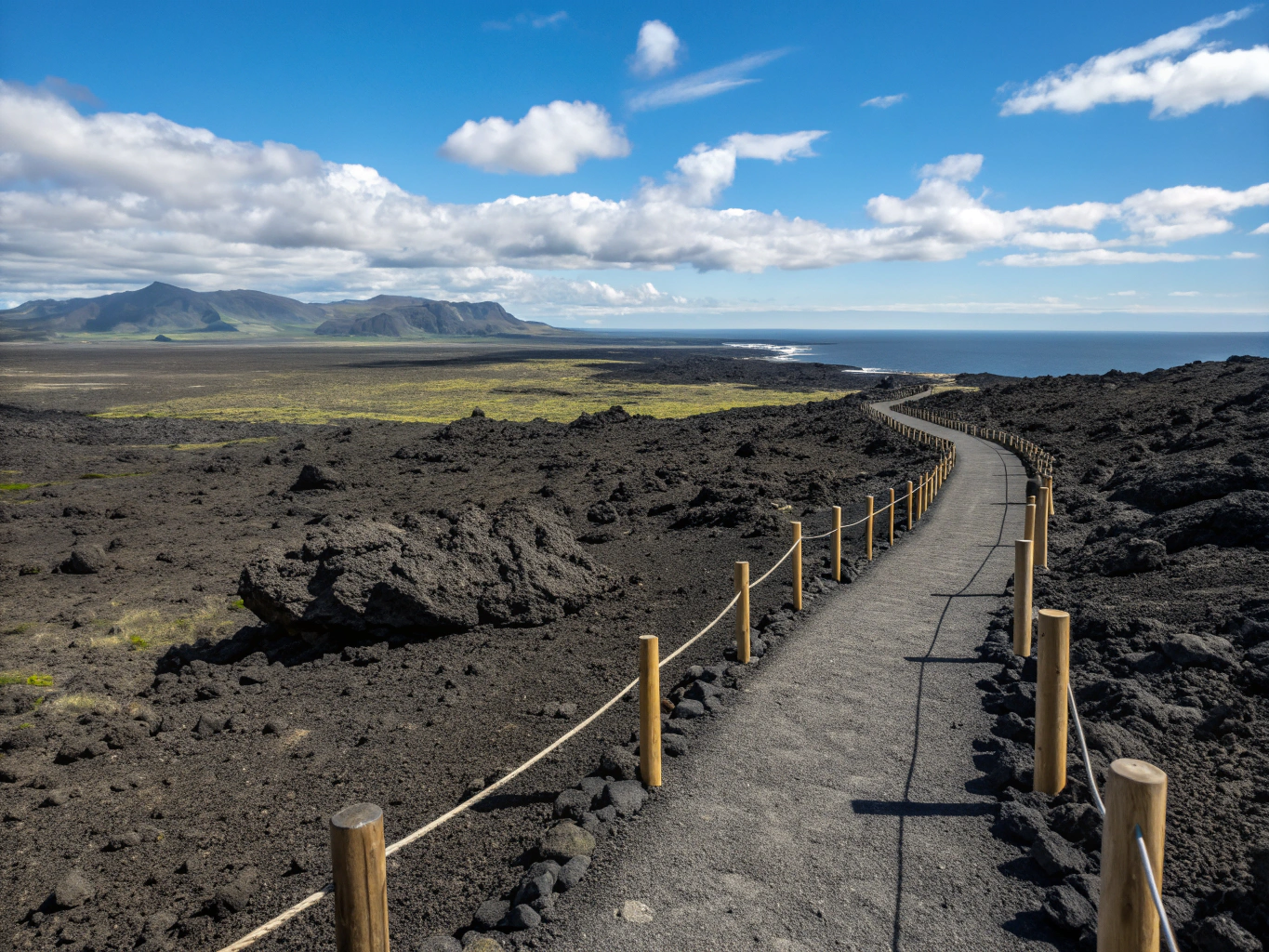
Hiking in Snæfellsjökull National Park
⏱️ 3-6 hoursModerate
Explore Snæfellsjökull National Park on foot and discover the diverse landscape. There are numerous hiking trails of varying difficulty levels leading through lava fields, along the coast, or up to the Snæfellsjökull volcano. Start at the visitor center in Hellnar or Arnarstapi.
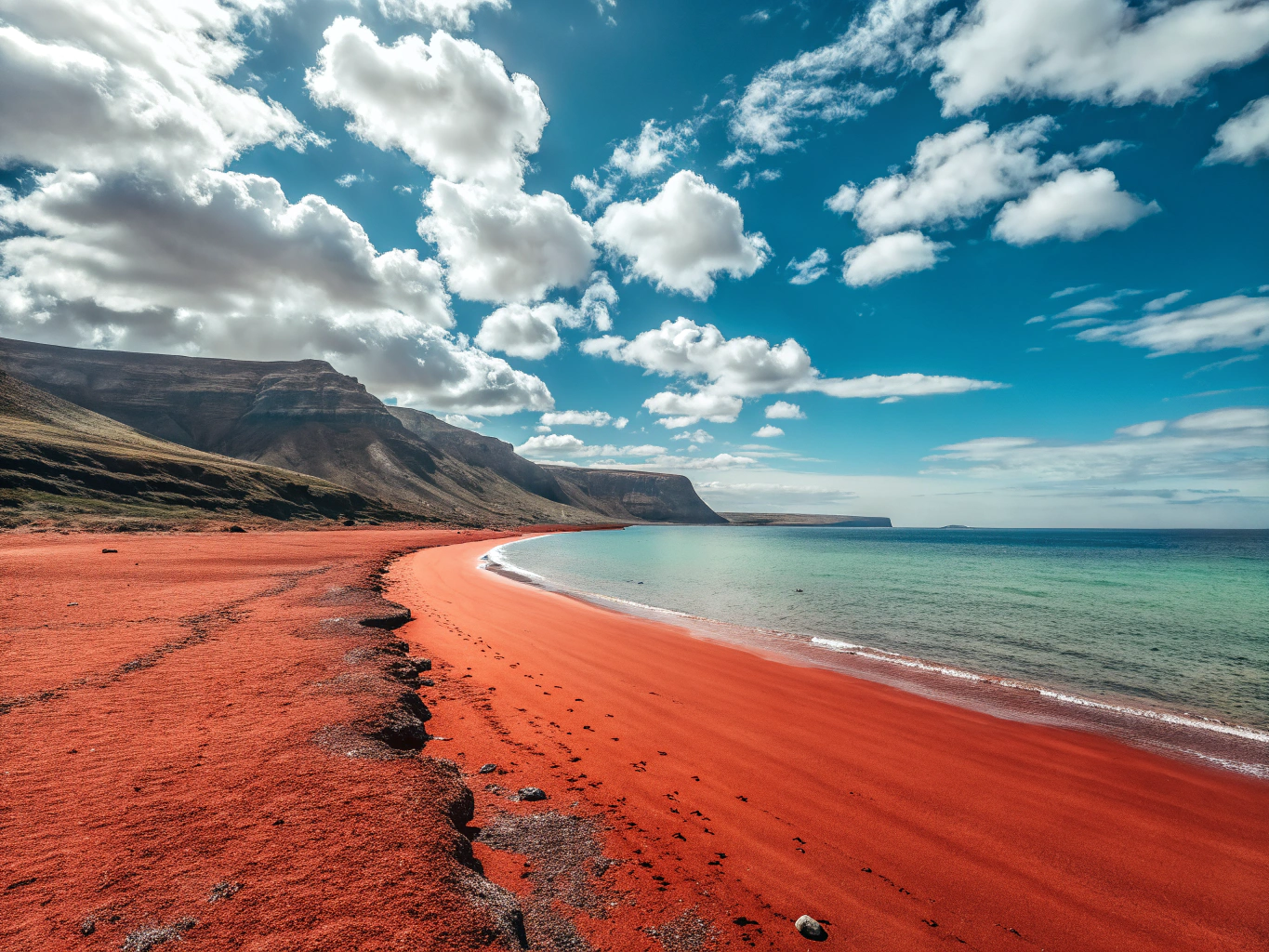
Rauðasandur
⏱️ 2-3 hoursEasy
Visit the remote Rauðasandur beach with its red sand. The beach is accessible via a gravel road and offers a unique landscape. Enjoy the peace and seclusion and watch the birds. The beach is located in the south of the Snæfellsnes peninsula.
Facts & Figures
Camping Region Vesturland
- 🌍 Country
- 🇮🇸 Island
- 📍 Region
- Iceland
- 🏛️ Province
- Vesturland
- ☀️ Climate
- Subarctic, windy and changeable
- 📅 Best Season
- June/July for mild temperatures, Sept/Oct for Northern Lights
- 🌡️ Summer Avg
- 12°C
- 🌸 Spring Avg
- 5°C
- 🏕️ Campsites
- ~20
- ✈️ Airport
- Keflavík International Airport (KEF)
- 🚌 Public Transport
- Bus connections between larger towns, limited network
- 🌧️ Rainy Days
- approx. 150 days per year
- 🚗 From Munich
- Not relevant as it is an island destination. Flight to Keflavík (KEF) recommended.
- 🚗 From Hamburg
- Not relevant as it is an island destination. Flight to Keflavík (KEF) recommended.
- 💰 Price Level
- €€
- 🐕 Dogs
- Good
- 🎯 Suitable For
- Nature loversAdventurersPeace seekers
🚦 Occupancy by Month
Jan
Feb
Mar
Apr
May
Jun
Jul
Aug
Sep
Oct
Nov
Dec
Quiet Moderate Busy Crowded
 Rent Camper Vesturland
 Campsites Vesturland