


🌿 Natur & Wildnis👨👩👧👦 Familien
Camping Guide | Jura
Discover the Green Heart
Schweiz, 🇨🇭 Schweiz
Camping Guide | Jura
Imagine waking up to the scent of damp earth and the chirping of birds. Camping in the Jura means immersing yourself in a world away from the hustle and bustle, where clocks tick slower. This region, nestled between France and Switzerland, enchants with its rolling hills, dense forests, and hidden lakes. Here you won't find overcrowded tourist trails, but authentic nature experiences and warm hospitality. A camping holiday in the Jura promises a break for all the senses.
💡Real nature, real relaxation – without the Instagram filters.
The Region in Detail
Your comprehensive travel guide for camping Jura.
Location & Arrival in the Jura
The Jura stretches as a low mountain range along the border between France and Switzerland. It begins southwest of Geneva and curves up to the Rhine near Basel. The Swiss part mainly comprises the Canton of Jura as well as adjacent areas of the Cantons of Bern, Solothurn, and Aargau. On the French side, parts of the Bourgogne-Franche-Comté and Auvergne-Rhône-Alpes regions are included, particularly the departments of Doubs, Jura, and Ain.
Arrival by car is convenient via well-developed motorways. Coming from Germany, various routes are available. From Munich, you can reach the Jura in about 6 hours via the A8 towards Stuttgart and then via the French A36. Note that toll fees apply in France. These can vary depending on the section of the route but are usually around €30-40 for the entire distance.
Those starting from Hamburg take the A5 heading south and then also switch to the A36 in France. The driving time is about 9 hours. A vignette for Swiss motorways is required if you drive through Switzerland (approx. 40 CHF per year). Tolls in France can be paid in cash or by credit card; electronic toll systems like 'télépéage' are also common.
As an alternative to arriving by car, a train journey is an option. EuroAirport Basel Mulhouse Freiburg (BSL, MLH, EAP) is the nearest international airport. From there, there are regular train connections to the larger towns in the Jura, such as Delémont or Porrentruy. There are also good train connections from Zurich and Geneva. Within the Jura, regional trains and buses operate, though they are not always very frequent. For flexible exploration of the region, a rental car or your own motorhome is recommended. On-site, there is also the possibility to rent bicycles to explore the area on two wheels. Many campsites are well-connected to the cycling network.
The region is known for its winding roads and mountain passes, so drivers should bring some experience. In winter, snow chains may be required at higher altitudes.
Overview of the Sub-regions
The Jura can be roughly divided into different sub-regions, each with its own character. In the Swiss part, the Canton of Jura stands out, known for its untouched nature and picturesque villages. Here you will find numerous hiking trails leading through dense forests and over rolling hills. Porrentruy, the second-largest town in the canton, impresses with its historic old town and imposing castle. This region is ideal for peace seekers and nature lovers who want to escape the hustle and bustle of big cities.
South of the Canton of Jura lies the Bernese Jura, which also belongs to the Swiss Jura. This region has a slightly more alpine character and offers spectacular views of the Bernese Alps. Hikers and mountain bikers will get their money's worth here. Particularly worth seeing is the Chasseral, the highest mountain in the Bernese Jura, from which you can enjoy a breathtaking panoramic view. Families with children feel particularly at home here, as there are many child-friendly hiking trails and campsites.
On the French side, the Department of Jura is a popular destination for camping vacationers. Here, extensive forests, glittering lakes, and charming villages dominate. The region is known for its excellent wines and delicious cheese. Lons-le-Saunier, the capital of the department, attracts visitors with its historic old town and numerous restaurants and cafes. Sports enthusiasts can hike, cycle, fish, or go canoeing here. Climbers will also find numerous attractive cliffs in the Jura.
The Department of Doubs, also part of the French Jura, is characterized by its varied landscape. Here, rolling hills alternate with rugged cliffs. The region is known for its deep gorges and underground caves. Besançon, the capital of the department, is a town worth seeing with a rich history and culture. It is primarily known for its citadel, built by Vauban and listed as a UNESCO World Heritage site. This region is particularly popular with couples looking for romantic spots and unforgettable experiences.
In summary, the Jura has something to offer for every taste. Whether you are looking for peace and relaxation, want to be active in sports, or want to discover cultural sights – you are guaranteed to find what you are looking for in the Jura.
Camping in the Jura: What to Expect?
The camping landscape in the Jura is diverse and varied, so there is something suitable for every taste and budget. In total, there are an estimated 85 campsites in the region, differing in size, facilities, and location. You will find both large resort sites with extensive leisure facilities and small, nature-oriented sites ideal for peace seekers. Agriturismo or farm camping is also common in the Jura, where you have the opportunity to experience rural life up close.
Price ranges for a pitch vary depending on the season, location, and facilities of the site. In the high season (July/August), you should expect prices between €25 and €40 per night for a pitch for two people. In the low season (May/June and September/October), prices are significantly cheaper and often range between €15 and €25 per night. Many sites also offer special deals for longer stays or families.
The size of typical pitches also varies. On larger sites, the plots are often demarcated and offer an area of 80 to 100 square meters. On smaller, nature-oriented sites, the pitches are often more freely arranged and offer more privacy. Whether you prefer a shady or sunny pitch depends on your personal preferences. Many sites have both, so you can choose depending on the weather.
The infrastructure of the campsites in the Jura is generally good to very good. The sanitary facilities are usually clean and well-maintained. Many sites also offer Wi-Fi, although the quality can vary. Electricity connections are standard, though the amperage may differ depending on the site. It is best to check in advance if the site meets your needs.
A reservation is recommended, especially in the high season, as the most popular campsites are often fully booked quickly. While there are last-minute chances, you shouldn't rely on them. In the low season, the situation is more relaxed, but a reservation can still be useful to ensure you get your desired spot. Some sites also offer online reservations, which makes planning easier. Overall, the Jura offers an attractive camping landscape for nature lovers and peace seekers who want to escape everyday stress.
Practical Information for Campers
For a relaxed camping trip to the Jura, it is helpful to consider some practical information in advance. In France, toll fees apply on the motorways. The costs vary depending on the route section and vehicle type but are usually around €8 to €10 per 100 kilometers. Payment can be made in cash, by credit card, or via electronic toll systems like 'télépéage'. In Switzerland, you need a vignette for the motorways, which costs about 40 CHF per year.
Diesel prices in France and Switzerland are generally slightly higher than in Germany. Gas station opening hours are usually generous, and many are also open on Sundays. However, note that at smaller gas stations, only cash payment might be possible.
For shopping, you will find a good selection of supermarkets in the Jura, including well-known chains like Lidl, Carrefour, and Coop. Opening hours are usually Monday to Saturday from 8:00 AM to 8:00 PM. Some supermarkets are also open on Sundays, especially in tourist areas. For daily needs, there are also numerous smaller shops and bakeries in the villages.
Gas supply can be a bit problematic for German campers, as German gas bottles cannot be easily exchanged in France and Switzerland. You will either need an adapter or you can refill your bottle locally. It is best to find out in advance what options are available near you.
Disposal stations for motorhomes are available in the Jura, but not always easy to find. It is best to ask at your campsite where the nearest disposal station is located. Mobile network coverage is generally good in the Jura, but there may be limitations in remote areas. Roaming is not a problem within the EU, but fees may apply in Switzerland. Check your provider's roaming regulations in advance.
Medical care in the Jura is good. There are hospitals and pharmacies in the larger towns. Doctors and pharmacies are also available in smaller places. The quality of tap water is generally very good and can be drunk without hesitation.
Wild camping is generally prohibited in the Jura. Therefore, stick to the designated campsites. In some regions, there are environmental zones where certain vehicles are not allowed to drive. Check in advance if your vehicle is affected. Also, observe the applicable speed limits and parking regulations.
Insider Knowledge & Secret Tips
The Jura reveals its true beauty only when you explore it off the beaten path. A real insider tip is the low season (May/June and September/October), when the region is not yet or no longer overcrowded with tourists. During this time, you can enjoy the peace and nature to the fullest and benefit from cheaper prices at the campsites.
A less well-known place is the Vallée de la Loue, an idyllic valley with crystal-clear water and picturesque villages. The Loue is a paradise for anglers and canoeists. You can reach the valley via the D41 from Ornans. Follow the road along the river and discover hidden swimming spots and rustic restaurants.
Local markets are a great way to get to know the regional cuisine and buy fresh products directly from the producer. Every Saturday, a large weekly market takes place in Lons-le-Saunier, where you can find cheese, sausage, bread, vegetables, and much more. The small farm shops along the country roads also offer a large selection of regional specialties.
A special culinary highlight is Comté, a hard cheese made from raw milk produced in the Jura. Be sure to try it in different stages of maturity. The wines from the Jura are also worth a try, especially Vin Jaune, an oxidative white wine that is among the best wines in France.
A restaurant appreciated by locals is 'La Ferme de la Forêt' in Saint-Claude. Traditional dishes made from regional ingredients are served here. The atmosphere is rustic and cozy.
A worthwhile day trip is visiting the Grottes de l'Hérisson, a series of waterfalls and caves that you can reach via a hiking trail. The drive from Lons-le-Saunier takes about 45 minutes. Entry costs approx. €10 per person.
Another secret tip is Lac de Vouglans, one of the largest reservoirs in France. Here you can swim, go boating, fish, or just enjoy the view. The lake is accessible via the D470. There are several campsites along the shore.
Remember that the Jura is a nature reserve. Be respectful of nature and do not leave any trash. Stick to the designated hiking trails and campsites. This way, you help ensure that this beautiful region is preserved for future generations.
Experiences & Activities: Jura
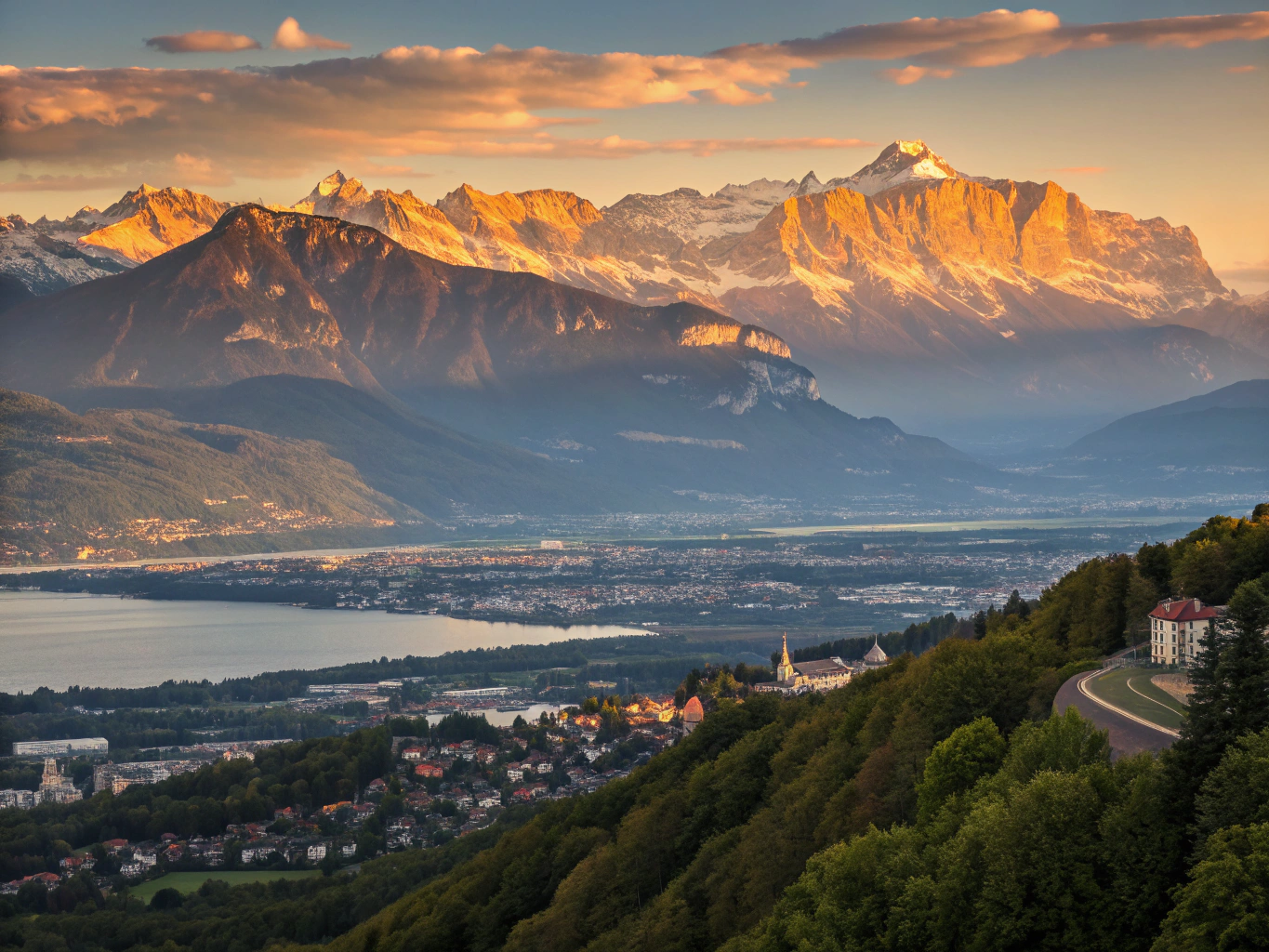
Panoramic View from Mont Salève
⏱️ half dayEasy
Climb Mont Salève, the 'balcony of Geneva', and enjoy a breathtaking view of the city, Lake Geneva, and the surrounding Alps. A cable car takes you comfortably to the summit. Ideal for sunrise and sunset photos.
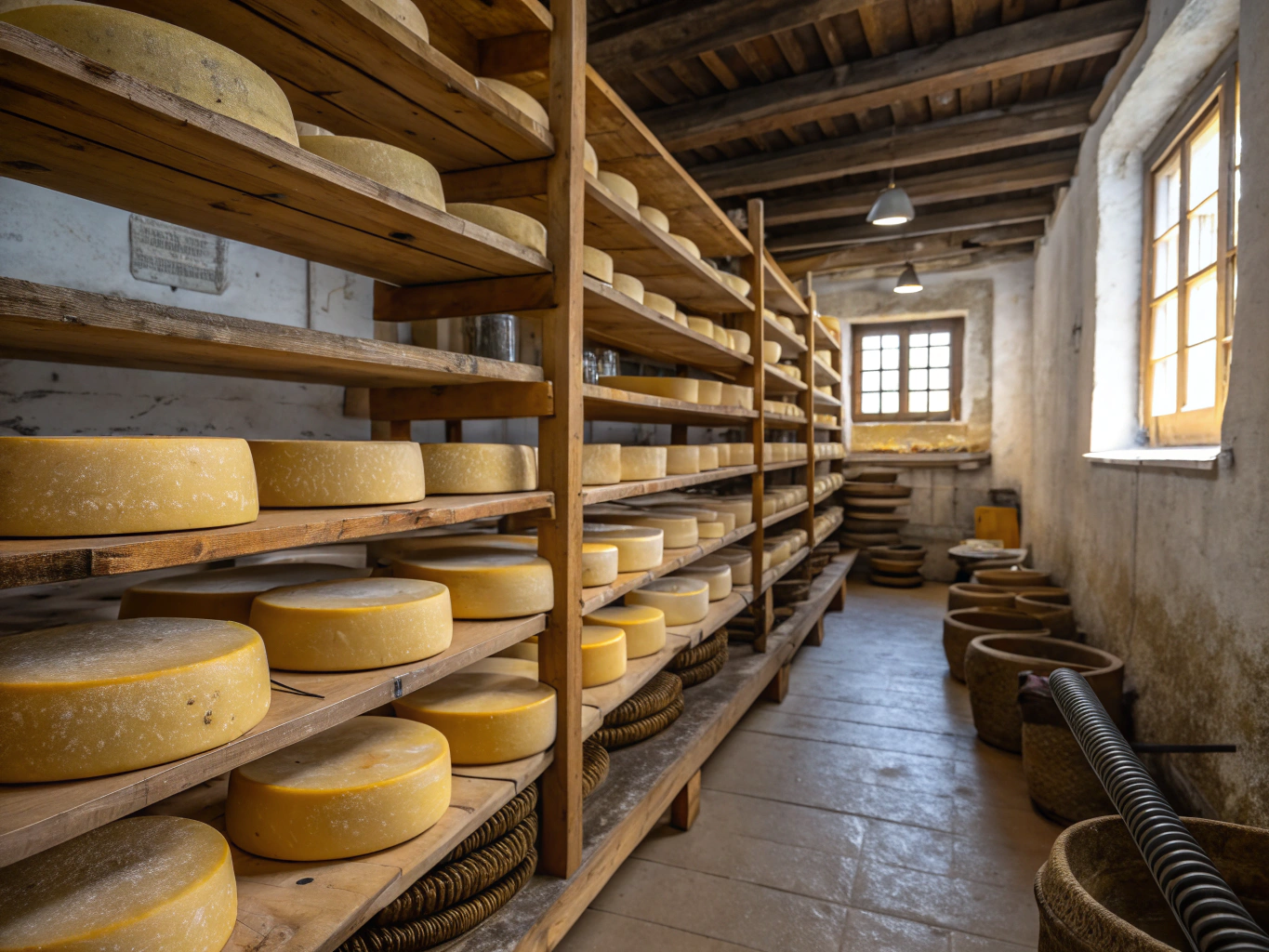
Comté Tasting in a Cheese Dairy
⏱️ 2 hoursEasy
Visit a traditional cheese dairy in the Jura and learn everything about the production of the famous Comté cheese. During a tasting, you can try the different stages of maturity and discover the variety of aromas. A must for foodies!
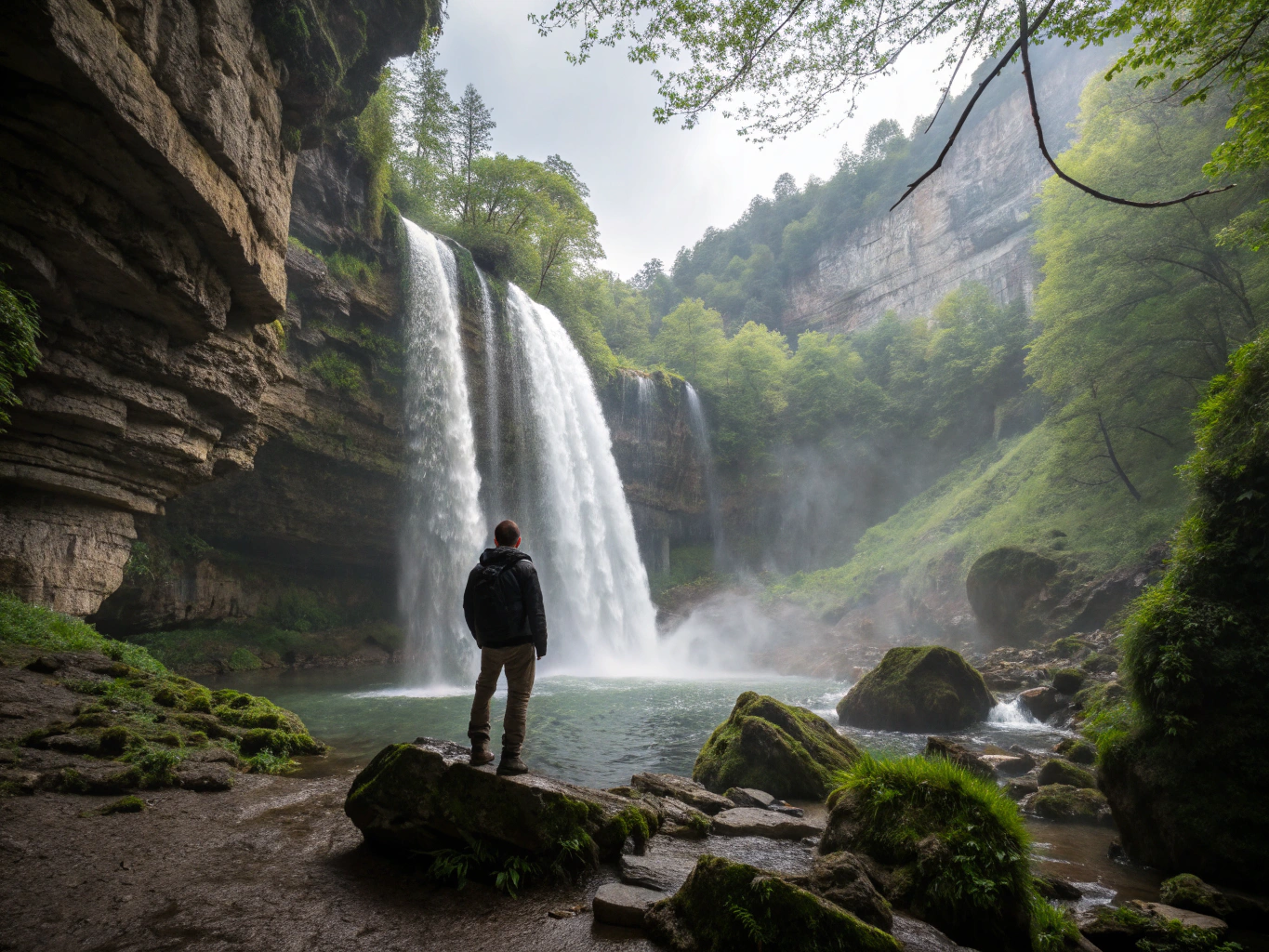
Hiking through the Gorges de l'Hérisson
⏱️ 4-5 hoursModerate
Explore the spectacular Gorges de l'Hérisson, a gorge with seven impressive waterfalls. A well-developed hiking trail leads along the river and allows you to experience the forces of nature up close. Sturdy shoes recommended!
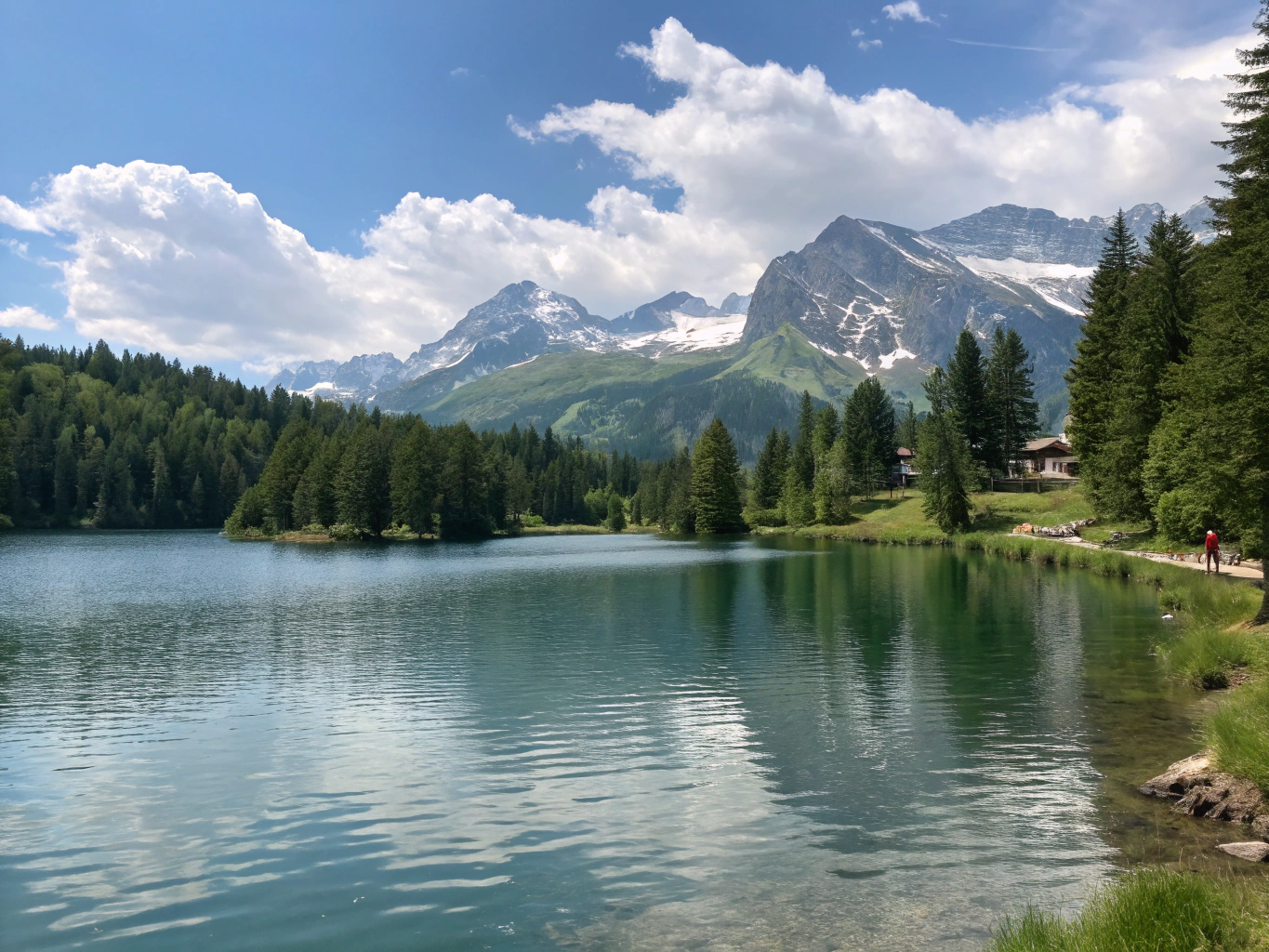
Insider Tip: Lac de Lamoura
⏱️ flexibleEasy
Escape the hustle and bustle at Lac de Lamoura, an idyllic mountain lake ideal for swimming, picnicking, and relaxing. Enjoy the peace and untouched nature. A paradise for nature lovers!
Facts & Figures
Camping Region Jura
- 🌍 Country
- 🇨🇭 Schweiz
- 📍 Region
- Switzerland / France (Franche-Comté)
- 🏛️ Province
- Cantons of Jura, Bern, Solothurn, Aargau / Departments of Doubs, Jura, Ain
- ☀️ Climate
- Temperate, with warm summers and cool winters
- 📅 Best Season
- May/June for hiking, July/August for swimming lakes
- 🌡️ Summer Avg
- 23°C
- 🌸 Spring Avg
- 12°C
- 🏕️ Campsites
- ~85
- ✈️ Airport
- EuroAirport Basel Mulhouse Freiburg (BSL, MLH, EAP)
- 🚌 Public Transport
- Regional trains and buses connect the larger towns.
- 🌧️ Rainy Days
- 12 days per month (summer)
- 🚗 From Munich
- 6 hrs / 550 km via A8 and A36 (France)
- 🚗 From Hamburg
- 9 hrs / 850 km via A5 and A36 (France)
- 💰 Price Level
- €€ / Moderate, but variable
- 🐕 Dogs
- Top / Many hiking trails and campsites are dog-friendly.
- 🎯 Suitable For
- Nature loversHikersPeace seekers
🚦 Occupancy by Month
Jan
Feb
Mar
Apr
May
Jun
Jul
Aug
Sep
Oct
Nov
Dec
Quiet Moderate Busy Crowded
 Rent Camper Jura
 Campsites Jura